North Korea’s surprise high-level trip to China is the biggest geopolitical development in Asia this week because it signals a renewed effort by Pyongyang to shore up its most important economic and strategic backer while relations with Russia deepen and tensions on the Korean Peninsula remain elevated.
North Korea China Visit Raises Korea Risk Premium
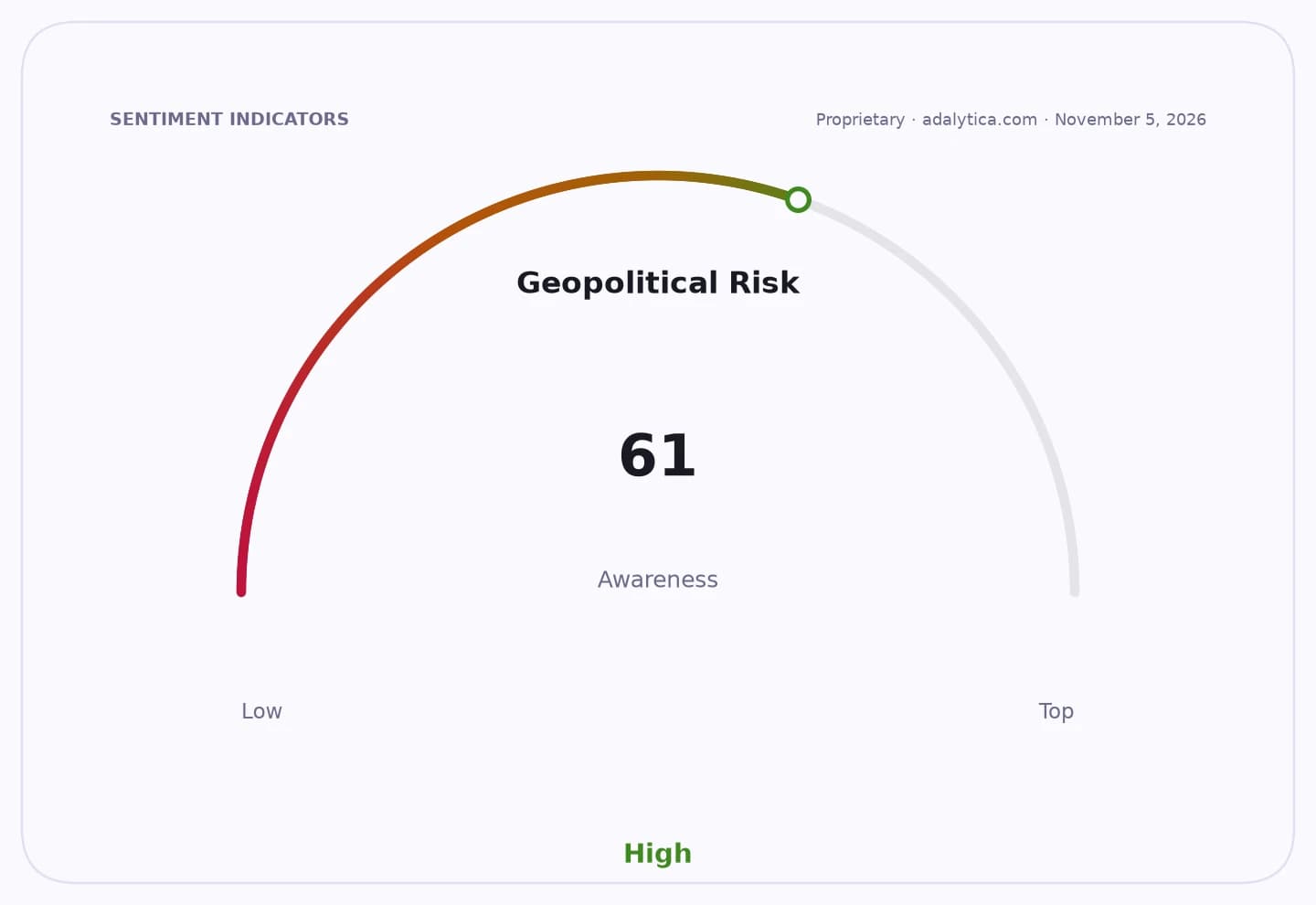
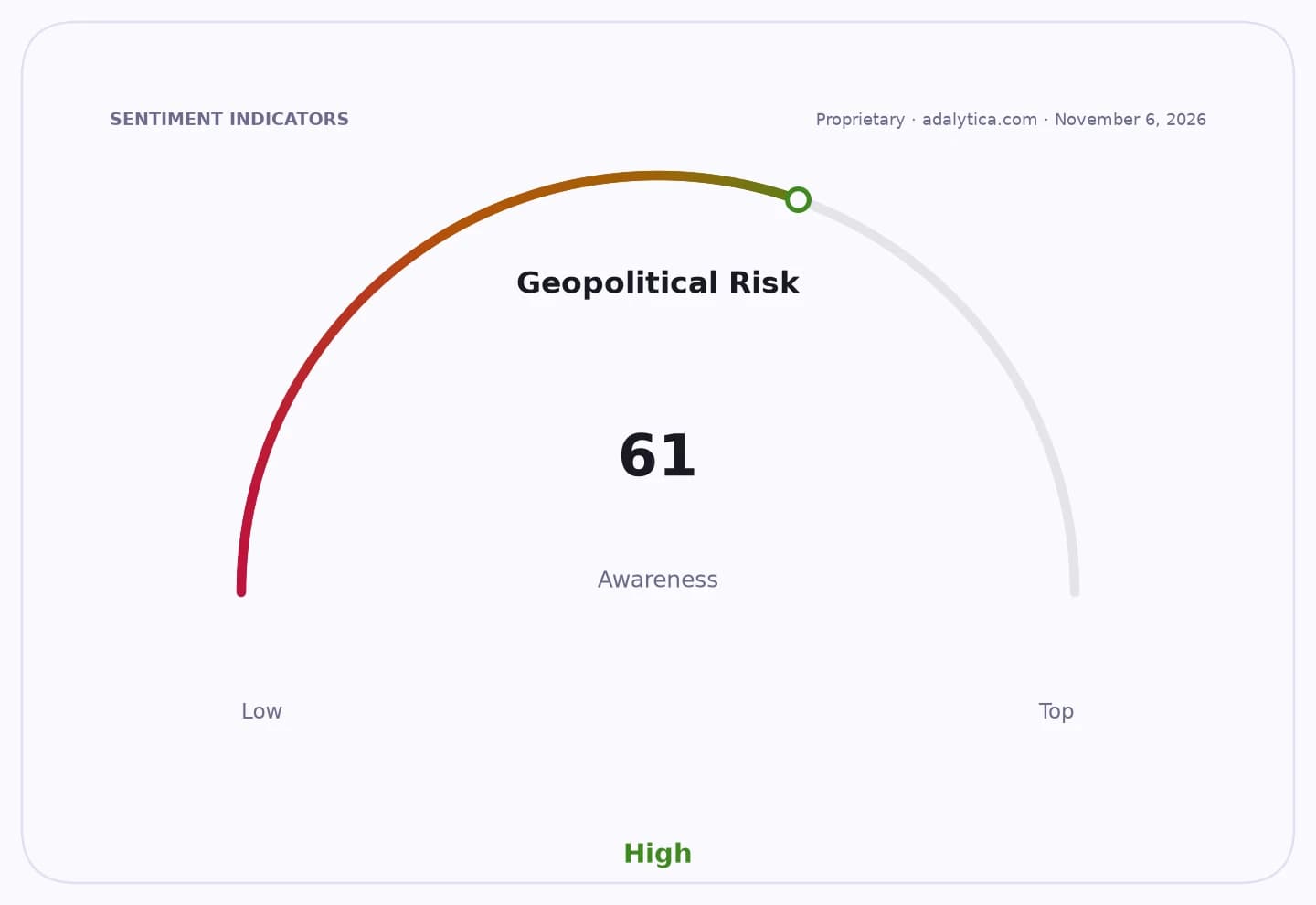
Geopolitical Risk
The visit matters economically because China remains North Korea’s main trade conduit, sanctions loophole and source of hard currency lifelines. Any visible thaw between Beijing and Pyongyang raises questions about how tightly China will enforce sanctions, whether cross-border commerce can expand, and whether Beijing is willing to give North Korea more room to maneuver without openly undermining its own regional diplomacy.
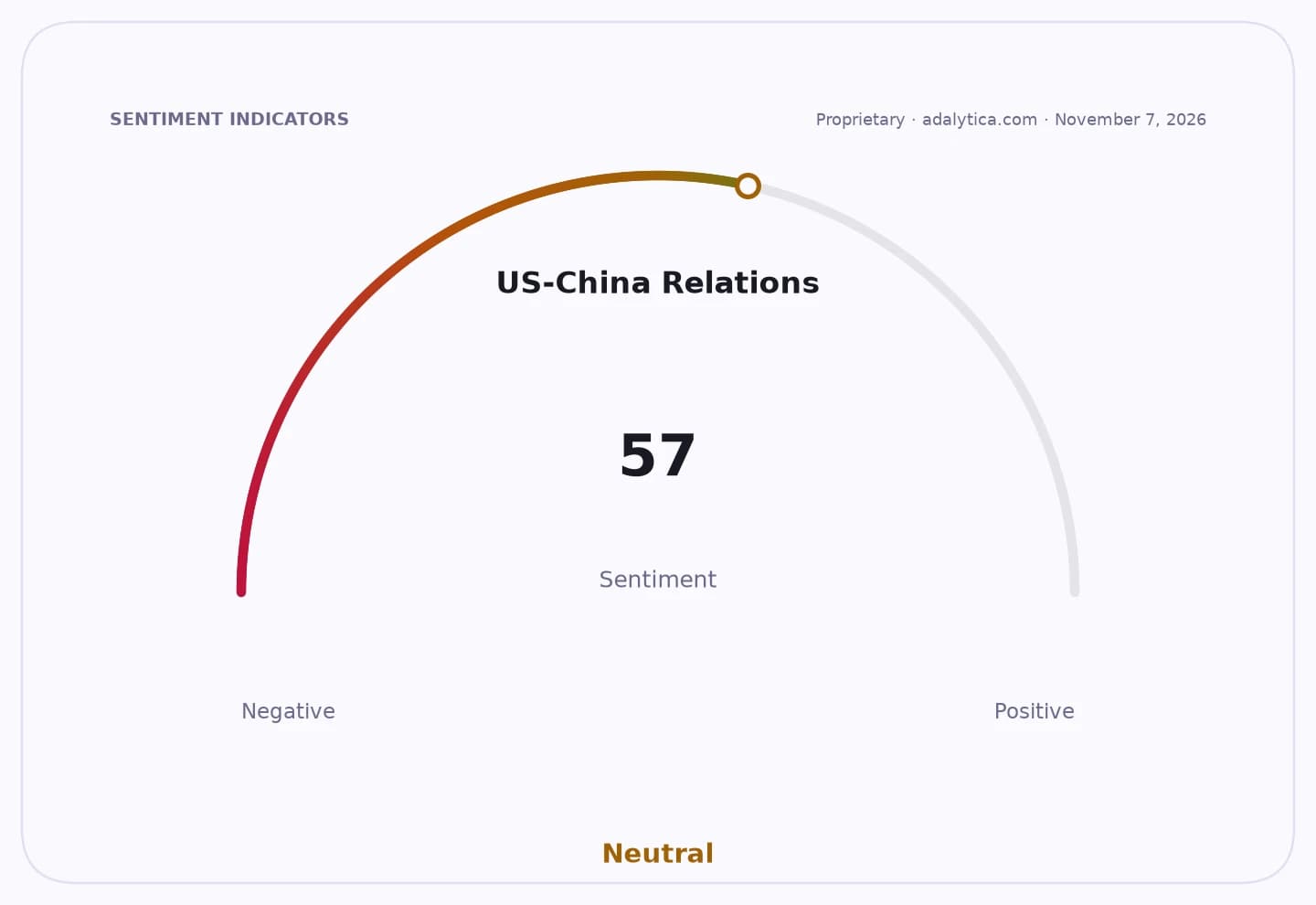
Sentiment Indicators
For investors, the immediate impact is less about direct exposure to North Korea than the second-order effects on Chinese risk assets, Korean equities and broader Asia sentiment. China-listed vehicles such as FXI and internet shares in KWEB have been volatile but not broken, while South Korea’s EWY has been much more sensitive to regional headlines, with the fund still well below its earlier highs and trading under pressure after a sharp recent selloff. That divergence reflects the market’s view that geopolitical friction is a valuation discount for Korea, while China is more insulated unless tensions spill into trade, sanctions enforcement or military escalation.
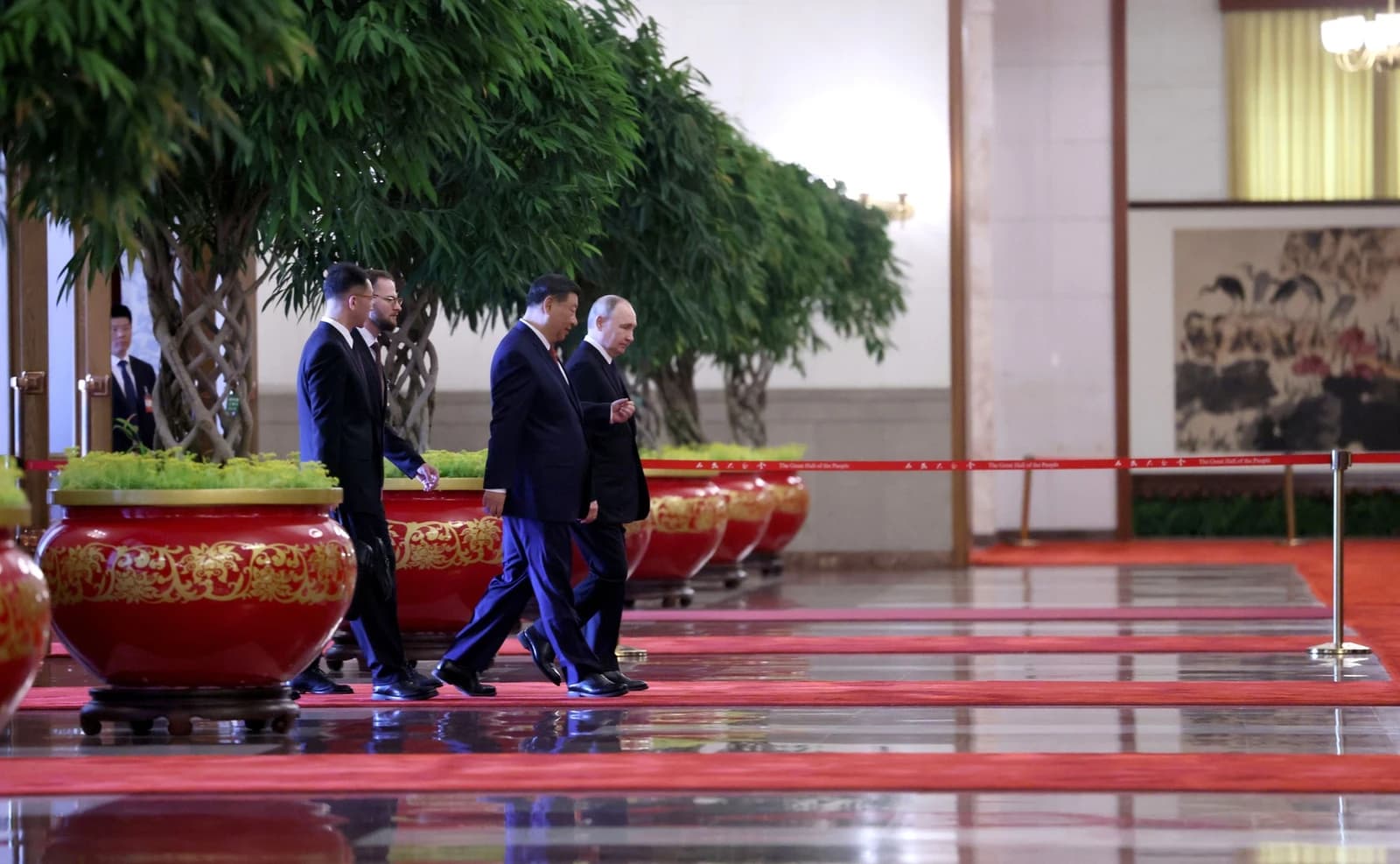
Kim’s trip was kept secret until his arrival, underscoring how carefully both sides are managing the optics. According to the news reports, he inaugurated a new bridge linking the two countries and paid tribute to Chinese wartime volunteers, language that reinforces the long-standing narrative of “invincible friendship” between Beijing and Pyongyang. The symbolism matters because infrastructure links and ceremonial diplomacy can foreshadow more practical cooperation, even if both governments stop short of announcing anything overtly commercial.
Geopolitical Risk — 30-day sentimentadalytica.com
Explore this data interactively — full history, time series and cross-market comparisons.
That is the bull case for China-North Korea ties: tighter coordination could stabilize a tense border, preserve Beijing’s influence over Pyongyang and reduce the chance of a crisis that forces China into a more confrontational stance. The bear case is that deeper alignment with North Korea complicates China’s relationship with Washington and Seoul, risks additional sanctions scrutiny and keeps the Korean Peninsula as a persistent flashpoint for investors already facing uncertainty over tariffs, technology restrictions and global security.
Technical indicators in the China and Korea ETFs show the market is treating the region as fragile rather than trendless. FXI’s recent rebound has left it only marginally above its 50-day moving average, while EWY’s slide has pulled it well below its longer-term averages, a sign investors remain wary of Korea-specific geopolitical risk. KWEB’s improved short-term momentum is more about domestic Chinese policy hopes than anything tied to the North Korea story.
The key question now is whether the visit leads to tangible economic follow-through — more border traffic, logistics cooperation or diplomatic cover for North Korea — or whether it remains a carefully staged display of solidarity. If China uses the trip to signal firmer support for Pyongyang, markets could see a modest rise in regional risk premiums, especially for Korean assets. If, instead, Beijing keeps the relationship symbolic, investors are likely to treat the episode as another reminder that the peninsula remains a live geopolitical risk, but not yet a market-moving shock.
| Entity | Gains | Losses |
|---|---|---|
| North Korea | ▲Diplomatic backing from China | ▼Isolation if ties stall |
| China | ▲Influence over Pyongyang | ▼Sanctions and US friction |
| South Korea | ▲Prospects for dialogue | ▼Higher security risk premium |
| Regional investors | ▲Short-term clarity on alliances | ▼Korean asset volatility |