North Korea’s launch of an unidentified projectile into waters off its east coast jolted regional markets again, but the bigger investment story is how quickly the shock translated into a sharp move out of South Korea exposure while leaving Japan-linked assets comparatively steady.
EWY Falls on North Korea Projectile Launch
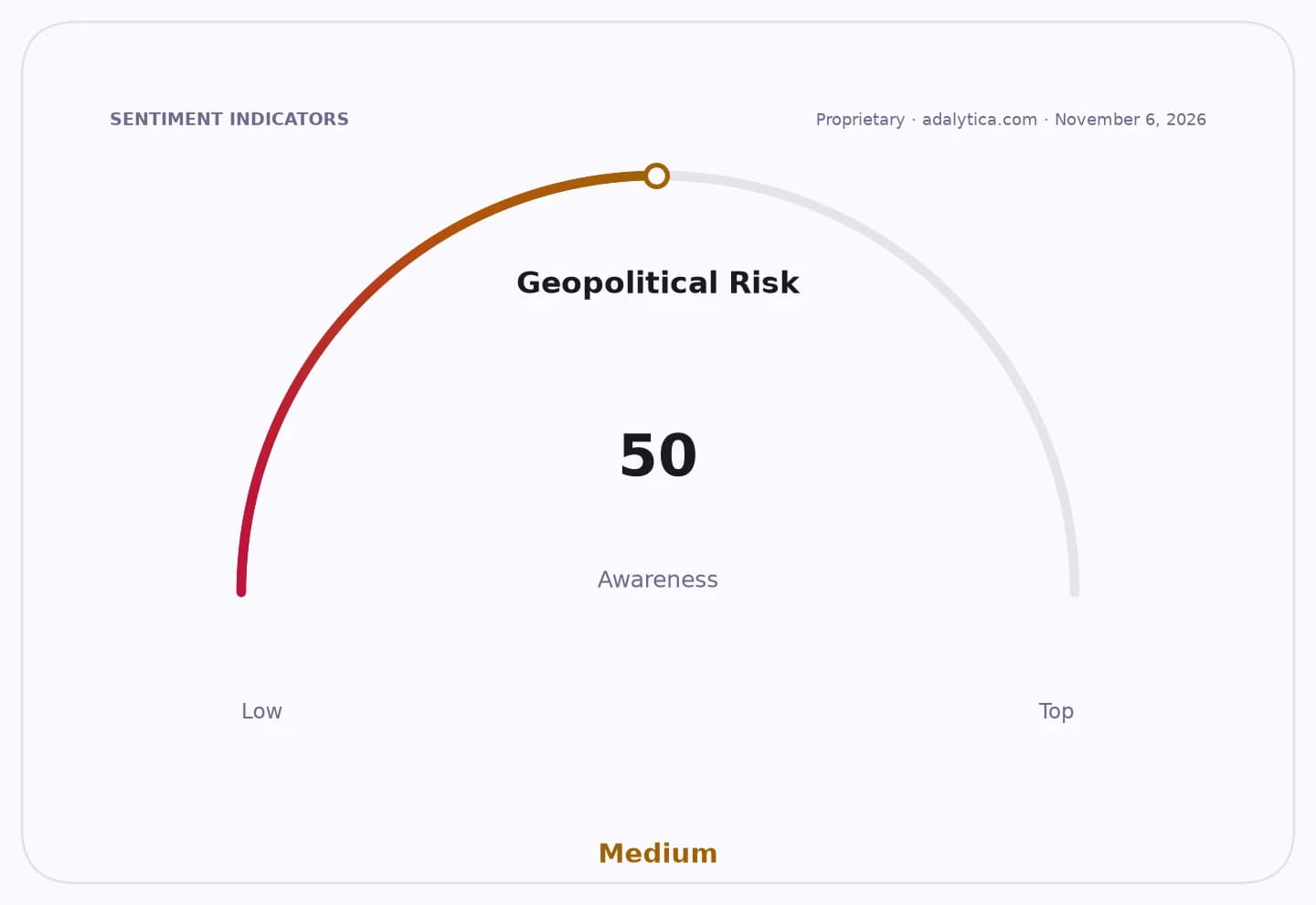
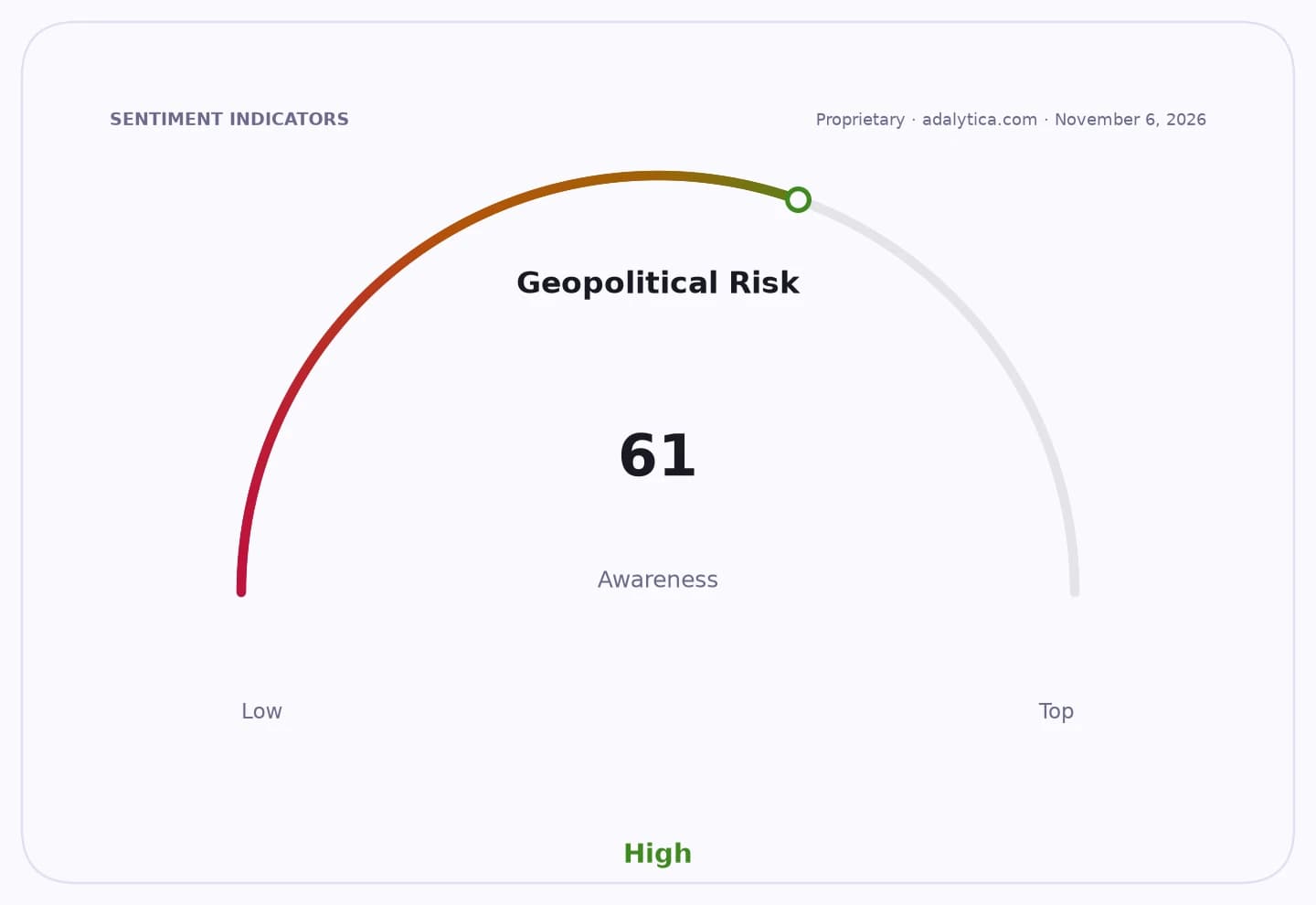
Geopolitical Risk
Seoul said the object was fired toward the East Sea on Wednesday and that its military was still analyzing what kind of weapon was used and how far it traveled. That uncertainty matters as much as the launch itself: for investors, an unspecified test is a reminder that Pyongyang’s missile program remains active, harder to model and capable of triggering fast shifts in risk appetite across Korean assets, defense names and broader Asia portfolios.
Sentiment Indicators
The market reaction was immediate in the Korea equity proxy. The iShares MSCI South Korea ETF, EWY, fell to $131.65 on Nov. 5 from $152.12 the day before, a one-day drop of about 13.4%, with trading volume surging to 43.8 million shares. The move left the fund well below its 50-day moving average of 173.0 and 200-day average of 163.4, while its RSI reading of 37.9 showed the selloff had pushed the fund toward oversold territory. That is exactly the kind of dislocation geopolitical risk can create: not just headline volatility, but potentially attractive entry points for investors who can separate temporary panic from longer-term fundamentals.
Japan exposure, by contrast, was relatively resilient. The CurrencyShares Japanese Yen Trust, FXY, edged up to 58.05 on Nov. 5, trading close to its 50-day and 200-day moving averages and showing a neutral RSI reading of 51.1. In other words, the latest flare-up is not yet being treated as a broad regional shock, but as a Korea-specific risk event.
Geopolitical Risk — 30-day sentimentadalytica.com
Explore this data interactively — full history, time series and cross-market comparisons.
That distinction matters economically because the Korean peninsula sits at the intersection of semiconductor supply chains, shipping routes and foreign portfolio flows. Any escalation can pressure the won, raise hedging costs and weigh on companies tied to consumer electronics, autos and heavy industry. It also reinforces demand for defense, missile defense and surveillance systems across Asia, where governments are already spending more to hedge against North Korea, China and wider regional instability.
Adalytica’s Global Stability Sentiment gauge remains in “Greed” at 75, but the 21-point one-day drop shows how quickly confidence can turn when the market is reminded that geopolitical risk in Asia is still live. That is the investment setup here: the market tends to fade Korean tensions until a launch lands, then reprices risk abruptly. I believe that creates a recurring opportunity in defense beneficiaries and a recurring trap for investors who chase Korea beta without accounting for headline risk.
For now, the immediate catalyst is not a confirmed missile type or range, but the fact that Seoul and its allies are still assessing what was fired. Until that clarity arrives, the safest trade is to respect the volatility premium embedded in Korean assets and stay constructive on the picks-and-shovels beneficiaries of a more militarized Asia.
| Entity | Gains | Losses |
|---|---|---|
| Defense contractors | ▲Higher regional demand | ▼— |
| South Korea equities (EWY) | ▲— | ▼Risk-off selling |
| Japanese yen assets (FXY) | ▲Relative stability | ▼— |
| North Korea | ▲Deterrence signaling | ▼More sanctions risk |