South Korea’s push to keep its shipbuilding cooperation with the U.S. alive could become the most practical way for Seoul to keep Washington engaged on Alaska LNG while limiting fresh demands for ever-larger investment commitments.
South Korea Shipbuilding and Alaska LNG Pressure
That matters because the next phase of U.S.-South Korea economic ties is looking less like a one-off trade deal and more like a rolling negotiation. With Republicans’ midterm defeat forcing a shift in Washington’s politics, the Trump administration may lean even harder on existing tariff powers and on follow-through from the $350 billion in promised U.S. investment. For South Korean exporters, that raises the risk that trade and industrial policy become more tightly linked to geopolitics, job creation and domestic politics in the U.S.
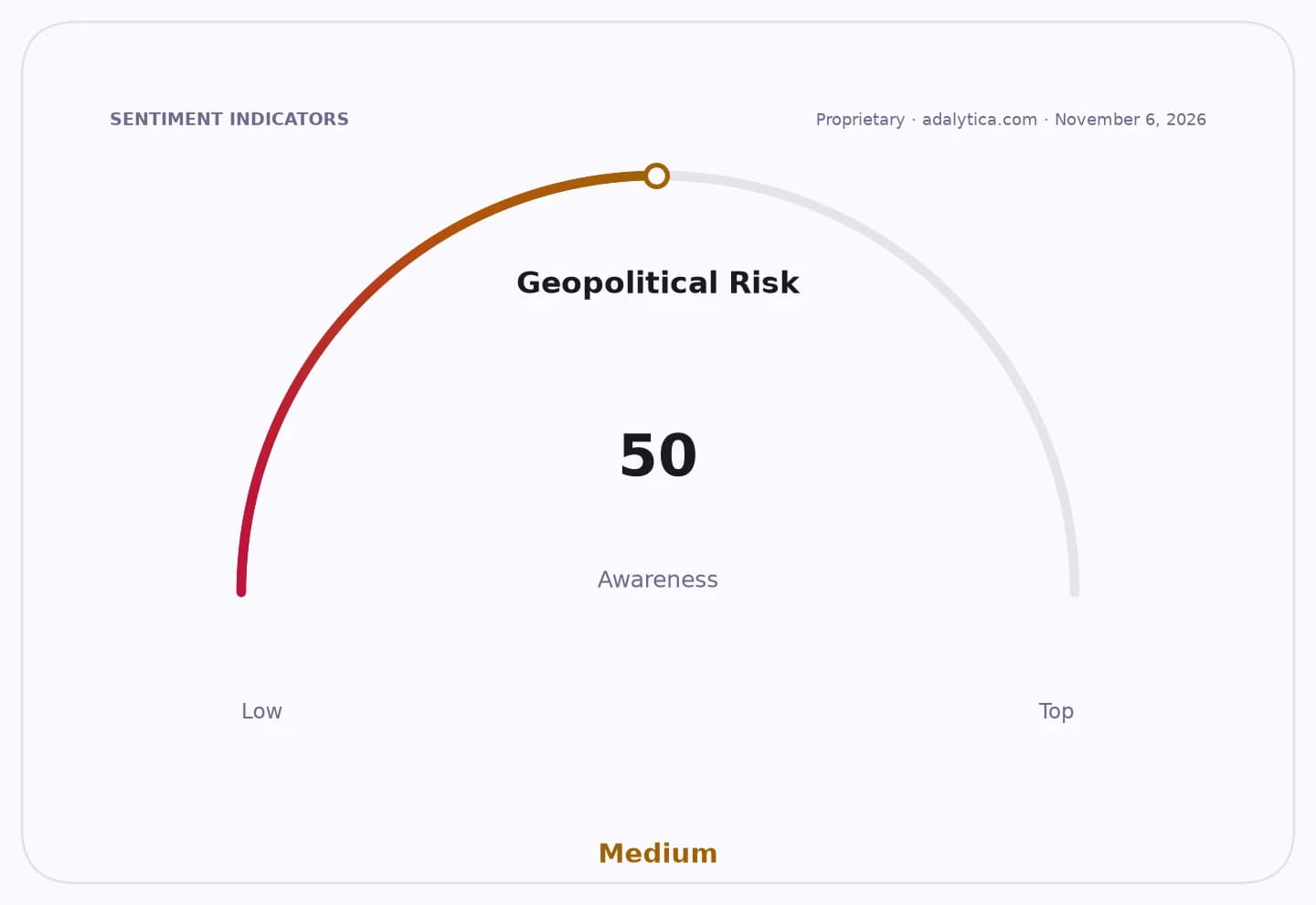
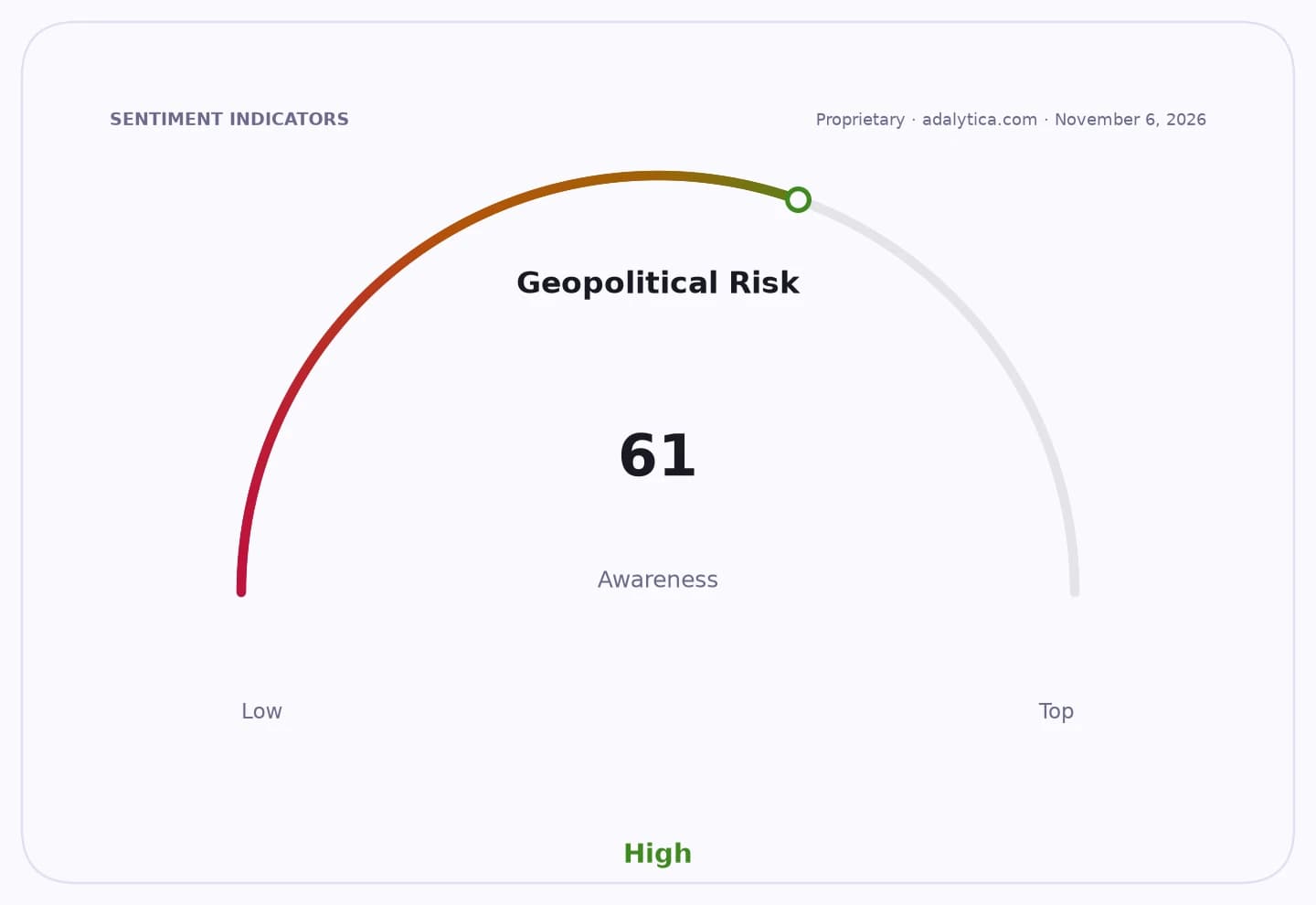
Sentiment Indicators
The biggest immediate pressure point is South Korea’s trade surplus with the U.S., which reached $102.2 billion in the first 10 months of the year, the first time it has topped $100 billion. That gives Washington ammunition to demand more semiconductor and manufacturing investment, even if Congress is less willing to back sweeping new legislation. For investors, the message is simple: the better Korea performs in U.S. trade, the more likely it is to face pressure to put capital to work on American soil.
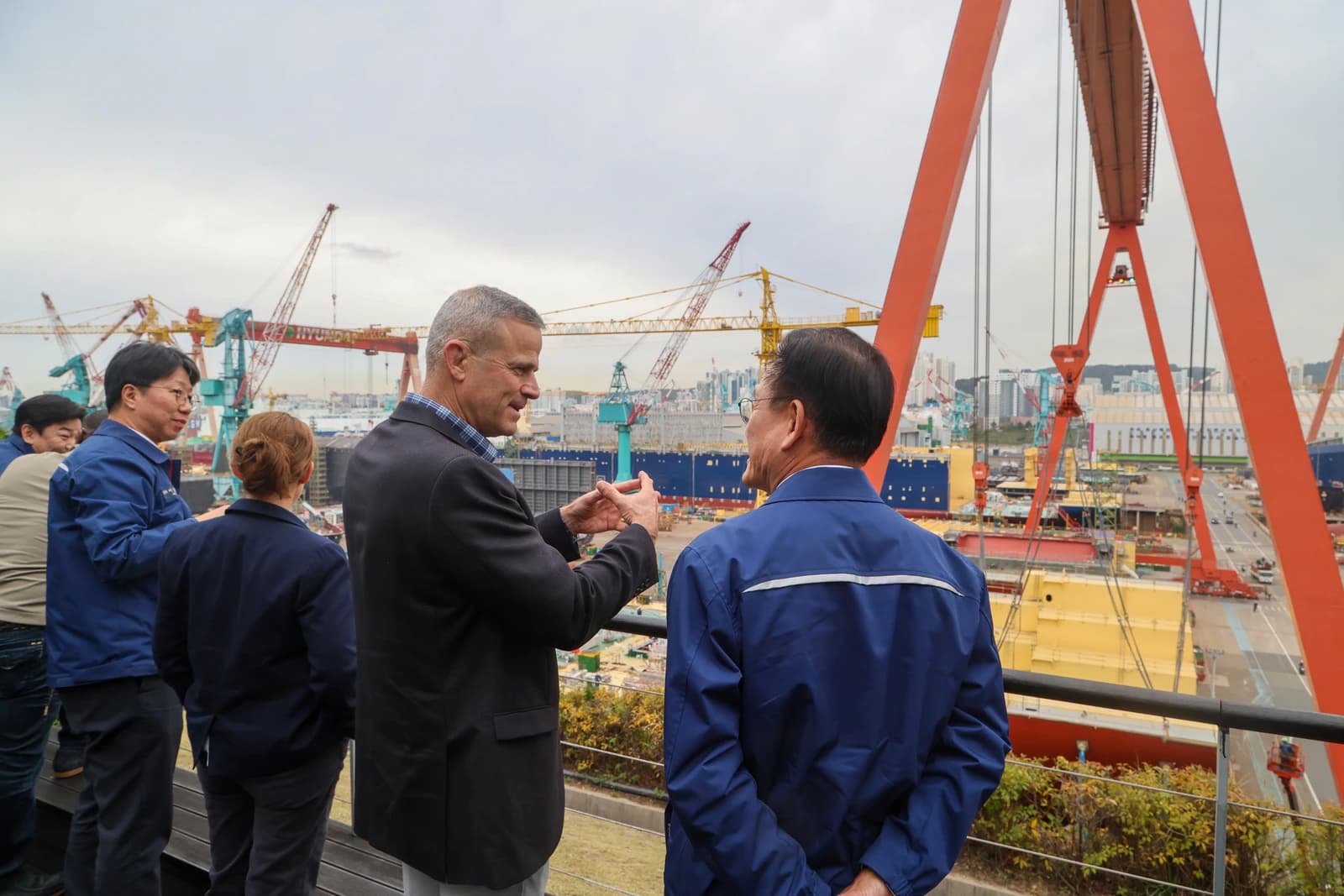
Against that backdrop, MASGA — the shipbuilding cooperation project — stands out as the area most likely to endure. U.S. shipyard rebuilding is a bipartisan priority, so cooperation itself should continue. That is important for Korea’s industrial champions and their supply chains, because shipbuilding is one of the few areas where both sides can claim strategic benefit: the U.S. gets capacity and jobs, while Korean firms preserve access to a large, long-dated market.
The more difficult issue is whether Washington will loosen restrictions on building U.S. warships overseas. That looks unlikely in the near term, given Democratic resistance grounded in jobs, industrial policy and national security. Investors should treat that as a reminder that even strategically important deals can have narrow implementation windows and political ceilings.
The Alaska LNG project, by contrast, may get some relief from the same political shift. Democrats are likely to weigh local opposition to a massive pipeline before embracing it, which could ease pressure on Seoul to move quickly or commit even more capital. That is why the project matters economically: Alaska LNG has been one of the more expensive and politically sensitive pieces of the broader U.S.-Korea investment relationship, and any slowdown could reduce near-term cash demands on Korean companies tied to the effort.
Still, a delay does not eliminate the risk. If South Korean investment schedules slip, Washington could sharpen its demands rather than soften them, especially if the Trump administration wants to show domestic voters that foreign capital is creating U.S. jobs. The policy mix is likely to remain transactional, and that keeps uncertainty high for companies exposed to trade, energy infrastructure and industrial manufacturing.
For long-term investors, the real takeaway is that this is not just a story about one LNG project. It is about how strategic cooperation is becoming the currency for managing trade pressure. MASGA may provide Seoul with a more durable bargaining chip, but it does not remove the broader risk that the U.S. will keep pressing allies for faster investment and deeper industrial commitments. That is worth watching closely for anyone holding LNG-linked stocks, Korean exporters or U.S. industrial names tied to shipbuilding and energy infrastructure.
| Entity | Gains | Losses |
|---|---|---|
| South Korean shipbuilders | ▲More U.S. cooperation | ▼Warship offshore-build limits |
| U.S. shipyards | ▲Federal support, jobs | ▼Foreign competition |
| Korean exporters | ▲Strategic leverage | ▼Bigger U.S. investment pressure |
| Alaska LNG backers | ▲Possible relief on pace/pressure | ▼Political momentum, urgency |