Kim Jong-un’s visit to a new warship under construction is another reminder that North Korea is deepening the military buildup that keeps pressure on South Korea, the United States and regional shipping routes, even as tensions on the peninsula remain elevated.
North Korea Builds Larger Warship at Nampho Shipyard
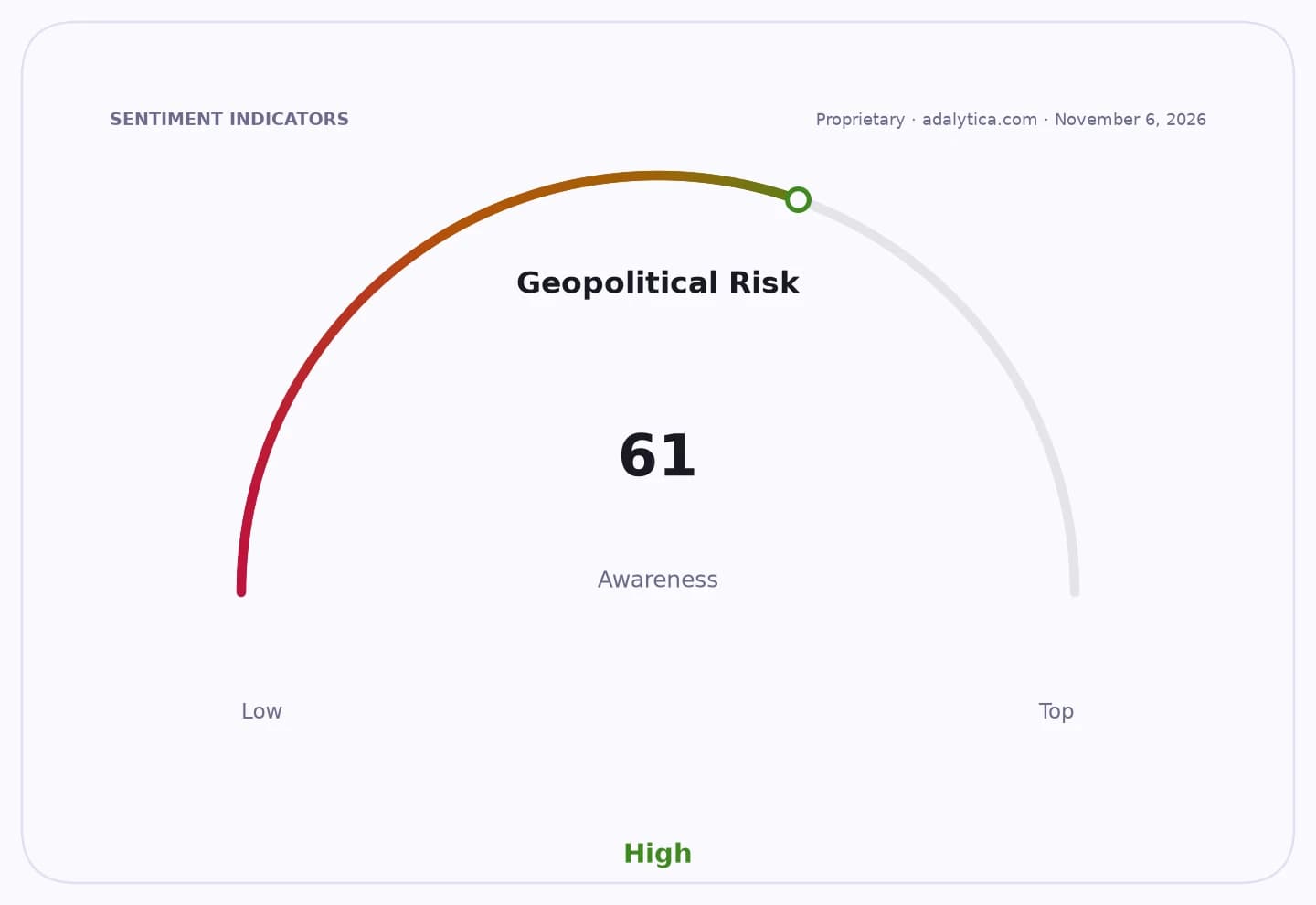
Geopolitical Risk
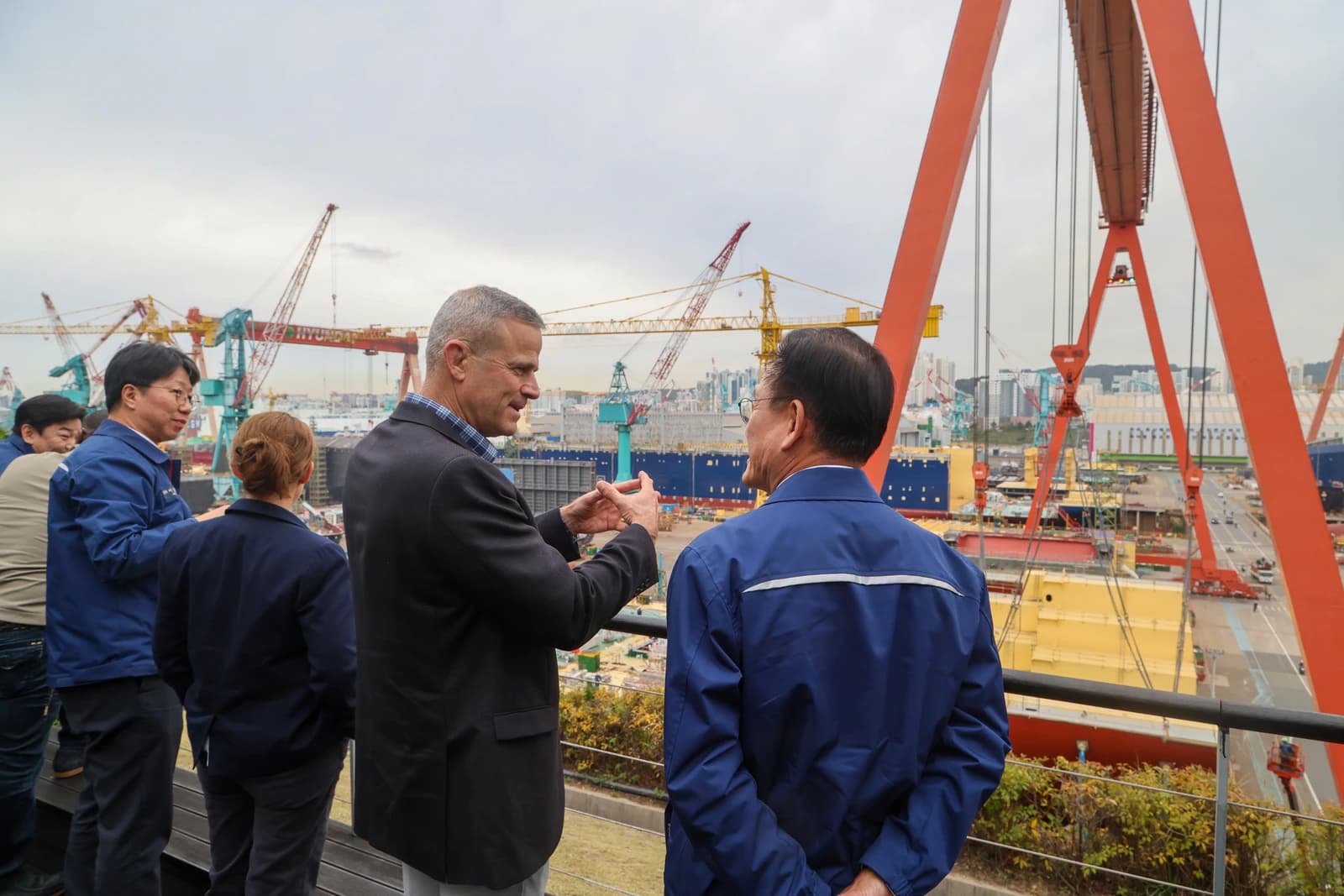
Pyongyang said Kim inspected the Nampho shipyard on Monday and called the vessel “incomparably larger and more imposing” than the 5,000-ton Choe Hyon destroyer unveiled last year. Yonhap reported that images released by state media suggest the new ship could displace about 10,000 tons, a size that would mark a significant step up in North Korea’s naval ambitions.
Sentiment Indicators
That matters because North Korea is not just chasing prestige hardware. A larger warship gives Kim another platform for missiles, sensors and sea-based deterrence, and it fits a broader effort to modernize the country’s weapons network while projecting strength against what he called “hostile” enemies. The shipbuilding push also shows the regime trying to industrialize defense production, including automated systems and higher productivity at its yards, a sign that Pyongyang is treating military capacity as a long-term economic priority.
The timing is telling. Kim’s appearance came alongside the launch of an unidentified projectile toward the Sea of Japan, reinforcing the message that North Korea wants its naval buildup read as part of a live operational posture, not a symbolic showcase. It also lands after September mine explosions injured South Korean soldiers near the Demilitarized Zone, incidents that Seoul blames on Pyongyang and that have added another layer of friction to already brittle inter-Korean ties.
For investors, the immediate market impact is less about North Korea itself than about the second-order effects of persistent geopolitical risk. Every escalation along the Korean Peninsula supports the case for higher defense spending across Northeast Asia, firmer demand for surveillance and missile-defense systems, and a continued premium in regional risk assets when tensions flare. South Korean equities have been sensitive to those swings, while defense contractors and security-linked suppliers tend to benefit when military readiness becomes a budget priority.
The broader message is that Kim is not easing into diplomacy from a position of weakness. He is building bargaining leverage through hard assets, and the warship program suggests North Korea is still willing to spend scarce industrial resources on military power rather than domestic relief. That keeps the peninsula in a cycle of provocation, retaliation and periodic market anxiety.
The key takeaway for investors is to treat Korean tension as a recurring geopolitical catalyst, not a headline risk that fades after one missile launch. As North Korea expands its naval and missile capabilities, the durable winners are likely to be defense suppliers, cyber and surveillance firms, and any portfolio exposure tied to higher Asian security spending.
| Entity | Gains | Losses |
|---|---|---|
| North Korea | ▲Military leverage | ▼Economic resources |
| South Korea | ▲Defense urgency | ▼Security stability |
| Defense contractors | ▲Higher spending demand | ▼None immediate |
| Regional risk assets | ▲Volatility traders | ▼Long-only investors |