China has resumed direct flights to North Korea after a six-year suspension, a move that matters less for aviation than for what it says about Beijing’s willingness to re-engage with Pyongyang and ease the isolation of an economy heavily dependent on Chinese support.
China resumes direct flights to North Korea
Geopolitical Risk
The restart of the route follows the reopening of rail links between Beijing and Pyongyang, underscoring a broader normalization in cross-border transport after years of pandemic-era closures. For North Korea, which sealed its borders in 2020 and has only gradually restored limited external connections, the return of Chinese air service restores a crucial channel for trade, officials, tourists and diplomatic traffic.
Sentiment Indicators
That is economically significant because China remains North Korea’s dominant economic lifeline. Before Covid-19, about 300,000 foreign tourists visited North Korea each year, with the vast majority coming from China. Even a modest reopening to Chinese travelers can bring in scarce hard currency, support hotels, transport and state-linked services, and improve the flow of goods and people in an economy still operating under sanctions and chronic supply constraints.
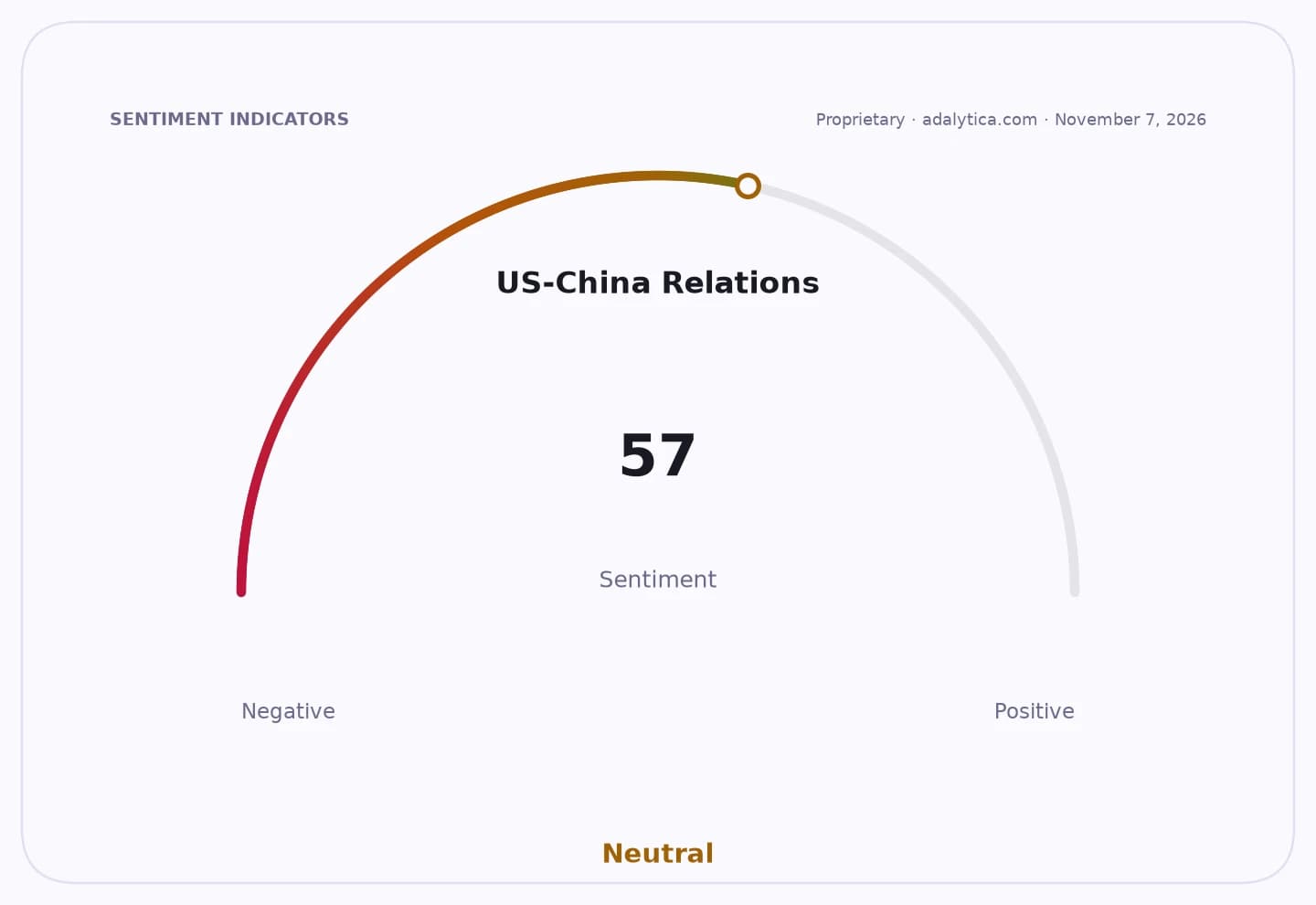
For investors, the development is less about direct exposure to North Korea — which is limited — and more about the geopolitical signal. It points to a more active China-North Korea relationship at a time when Beijing is balancing strategic ties with concerns over Pyongyang’s missile and nuclear programs. It also adds another layer to regional risk monitoring for airlines, shipping, defense contractors and broader Asia assets sensitive to Peninsula tensions.
The timing matters. North Korea has already brought back its own Air Koryo flights to Beijing and allowed Russian tour groups in 2024, but the restoration of Chinese flights is a stronger indicator of practical normalization because Beijing is the more economically consequential partner. Analysts say Pyongyang’s decision to reopen on its own timetable also shows Kim Jong Un wants to project autonomy, even as he leans on China for financing, trade and diplomatic cover.
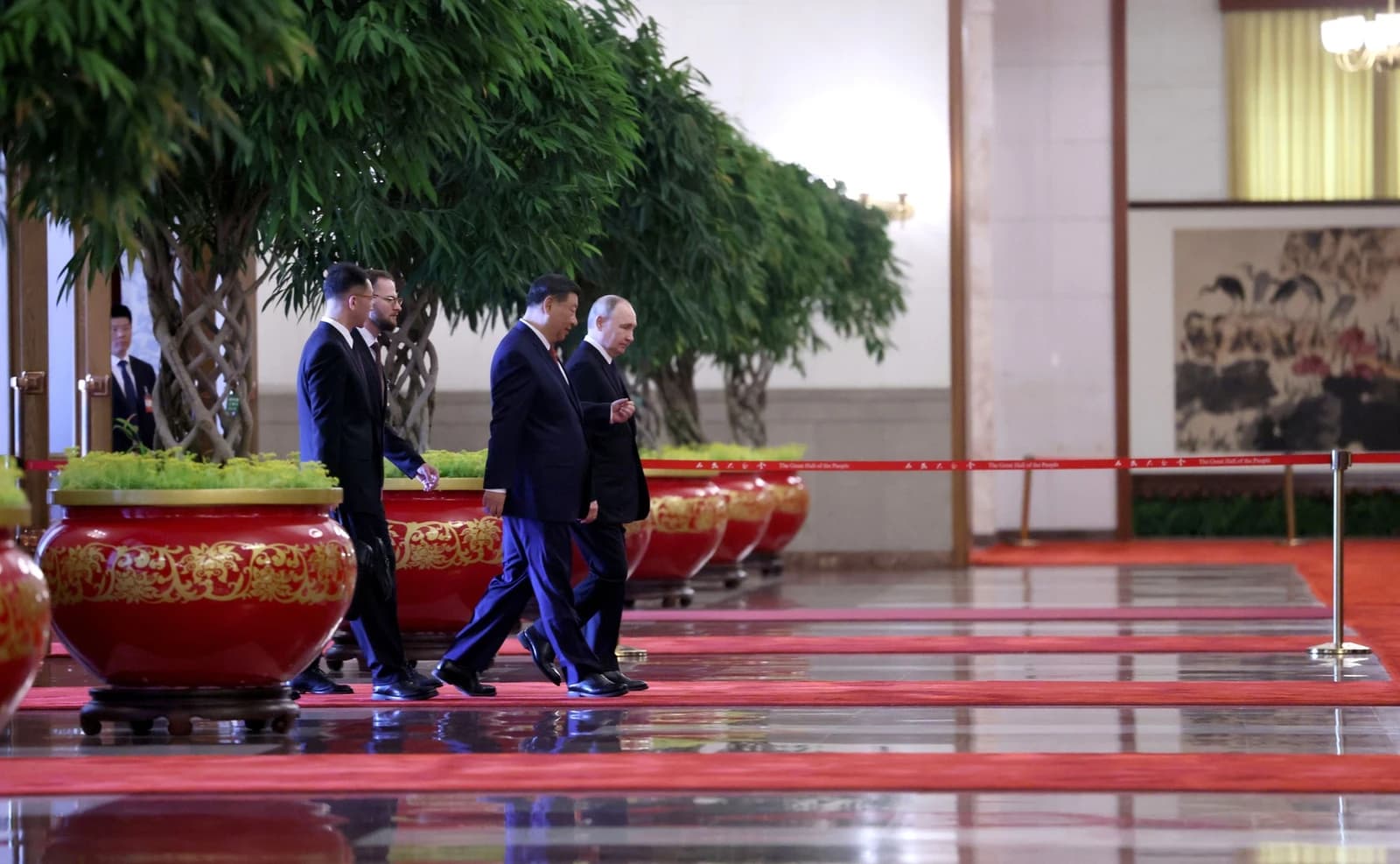
The move comes amid a wider tightening of strategic coordination among China, North Korea and Russia. Kim Jong Un’s recent appearance in Beijing alongside Vladimir Putin highlighted that alignment, while South Korea has said it hopes renewed contact can help revive dialogue and stabilize the peninsula. The risk for markets is that improved transport links can coexist with elevated security uncertainty, especially if Pyongyang uses a warmer diplomatic environment to press ahead with weapons development.
For now, the return of flights is best read as a partial reopening of one of Asia’s most isolated economies, with Beijing again acting as the key gateway. Whether that leads to more trade and tourism — or merely to a more efficient channel for diplomatic signaling — will determine how meaningful the shift becomes for the region.
| Entity | Gains | Losses |
|---|---|---|
| North Korea | ▲Tourism receipts, access to China | ▼Isolation, but not sanctions pressure |
| China | ▲Strategic leverage, regional influence | ▼More exposure to Pyongyang risk |
| Local businesses in Pyongyang | ▲Visitor traffic, service revenue | ▼Dependence on state controls |
| Regional stability hawks | ▲Hope for dialogue | ▼Elevated security uncertainty |