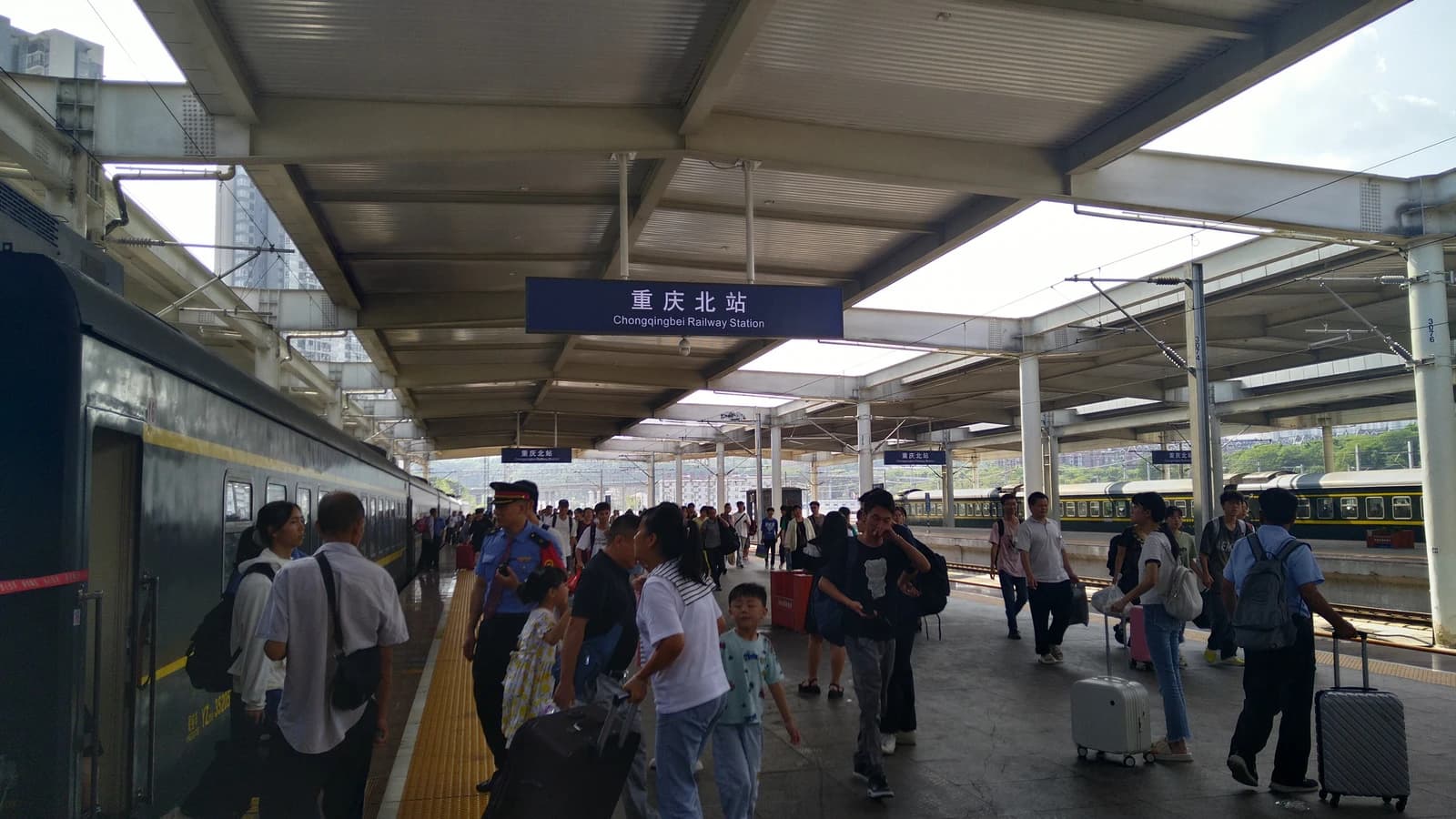
Russia and China are already seeing a sharp pickup in two-way travel after introducing visa-free entry, a sign that easing border rules can quickly translate into cash spending, hotel occupancy and airline demand across both economies.
Russia, China Visa-Free Travel Rises 1.5-Fold

Russian Deputy Prime Minister Dmitry Chernyshenko said mutual tourist flows have risen 1.5-fold since China and Russia rolled out reciprocal 30-day visa-free regimes, with Beijing extending its waiver to the end of 2027 and Moscow matching that timeline. The policy change matters because tourism is one of the fastest channels through which diplomatic thaw turns into hard economic activity: more visitors mean higher spending on transport, accommodation, retail, restaurants and cross-border services, while also supporting yuan- and rouble-linked payment flows.
Sentiment Indicators

For Moscow, the increase is especially useful at a time when Russia is working to diversify away from Western markets and deepen economic ties with Asia. Chinese visitors are among the most valuable inbound travelers for many destinations because they tend to spend more per trip and travel in organized groups that support a wider set of local businesses. On the Chinese side, Russian outbound travel also helps sustain demand in aviation, hospitality and duty-free retail, while reinforcing broader bilateral commerce that has been expanding under sanctions pressure and geopolitical realignment.
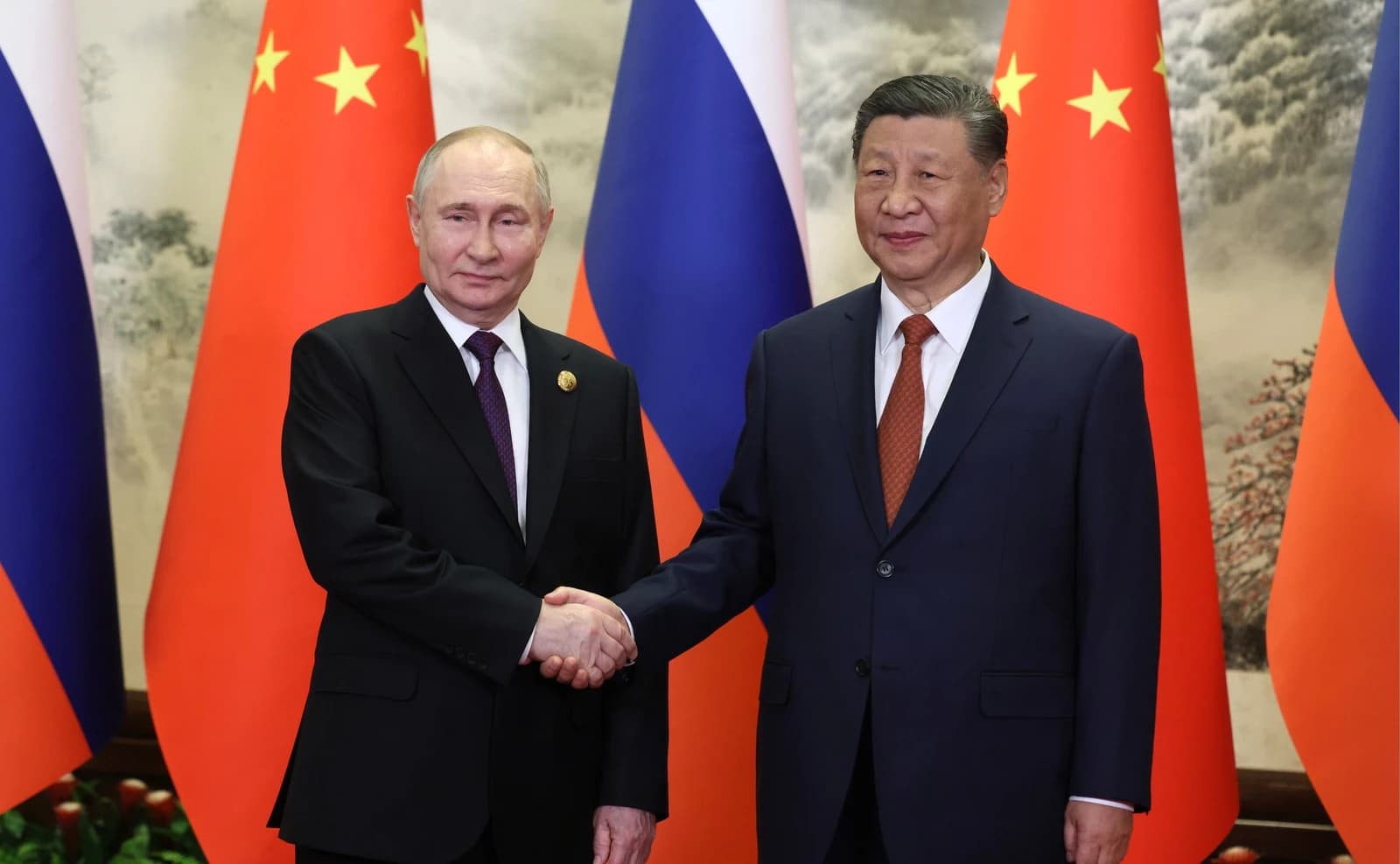
The move also carries policy significance beyond tourism. Putin has said Russia is ready to make the visa-free regime permanent if Beijing sees it as beneficial, underscoring how travel liberalization has become part of a broader strategic alignment between the two governments. That alignment is showing up in market pricing as well: Chinese policy sentiment remains strong in Adalytica’s gauge, while the Russia-China relationship continues to be framed less as a short-term travel story than as part of a longer reorientation of trade, mobility and consumer flows.
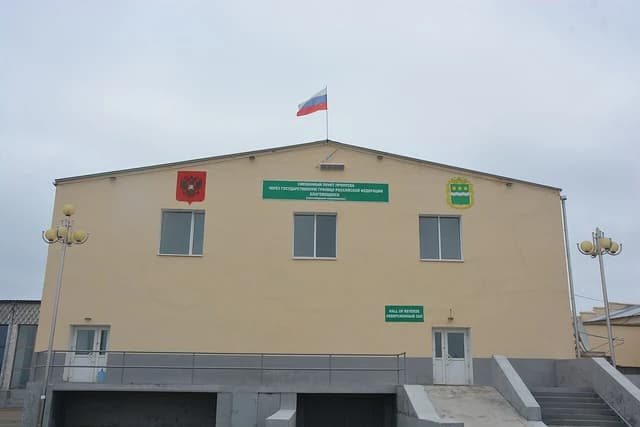
For investors, the implications are clearest for airlines, airports, hotels, tour operators and payment firms exposed to cross-border travel volumes. The upside case is that easier access keeps compounding into higher load factors and stronger ancillary revenue through 2027. The bear case is that the trend remains vulnerable to geopolitical shocks, regulatory reversals or weaker household spending, which would blunt the tourism rebound. For now, though, the 1.5-fold increase suggests the policy is working faster than many would have expected.
| Entity | Gains | Losses |
|---|---|---|
| Russia tourism sector | ▲More Chinese visitors | ▼Capacity constraints |
| Chinese outbound travelers | ▲Easier access to Russia | ▼Less frictional travel costs |
| Airlines and hotels | ▲Higher demand and occupancy | ▼Lower price leverage if demand slows |
| Western travel corridors | ▲Less relevance | ▼Lost cross-border flow share |