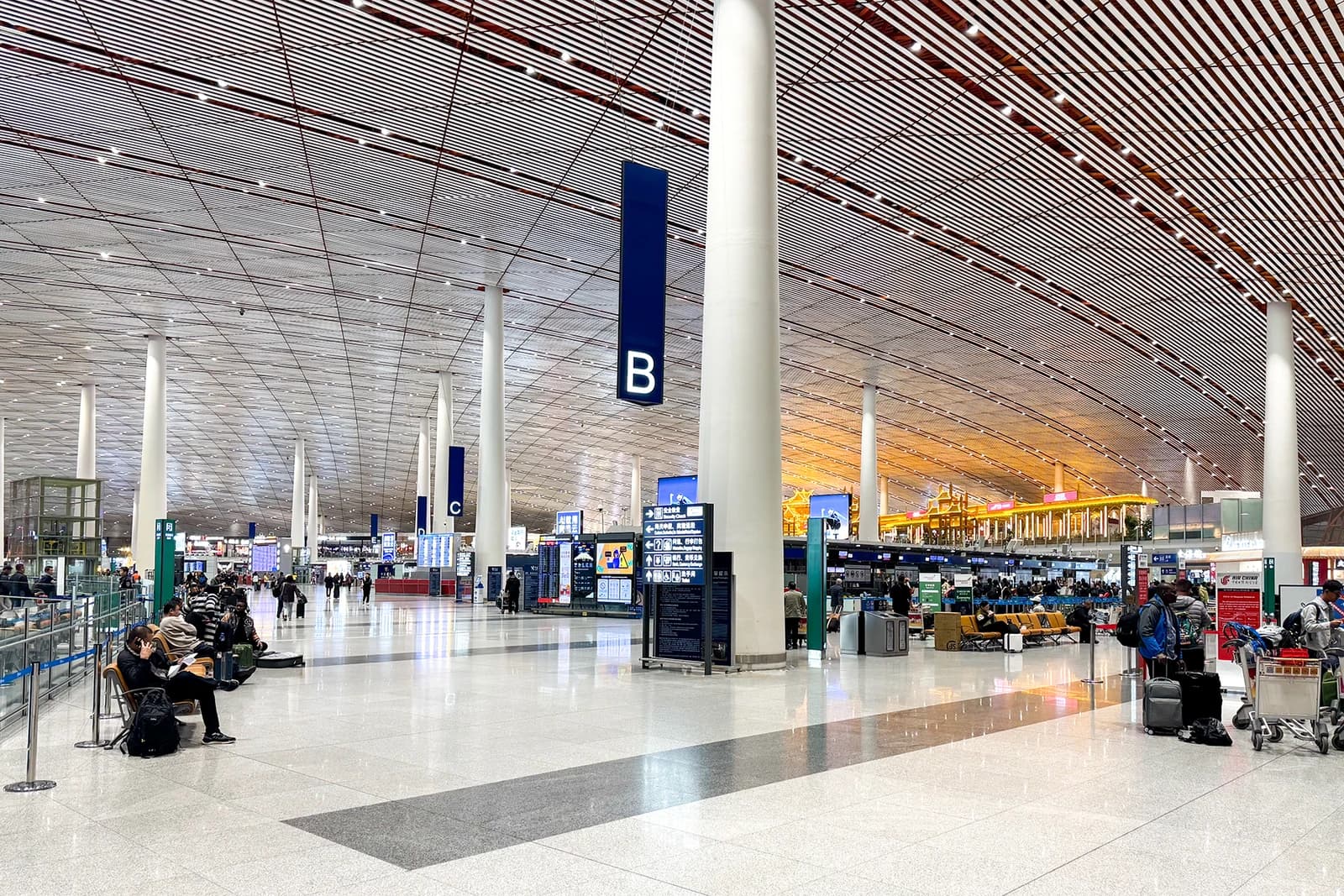
China’s border traffic kept recovering in the third quarter, with authorities handling 192 million entries and exits, up 7.9% from a year earlier, as easier visa rules drew more foreign travelers into the country. That matters because inbound tourism is one of the cleanest ways China can convert policy loosening into real economic activity — filling hotels, supporting airlines, restaurants and retailers, and giving service-sector growth a much-needed lift.
China border traffic rises as visa-free entries jump
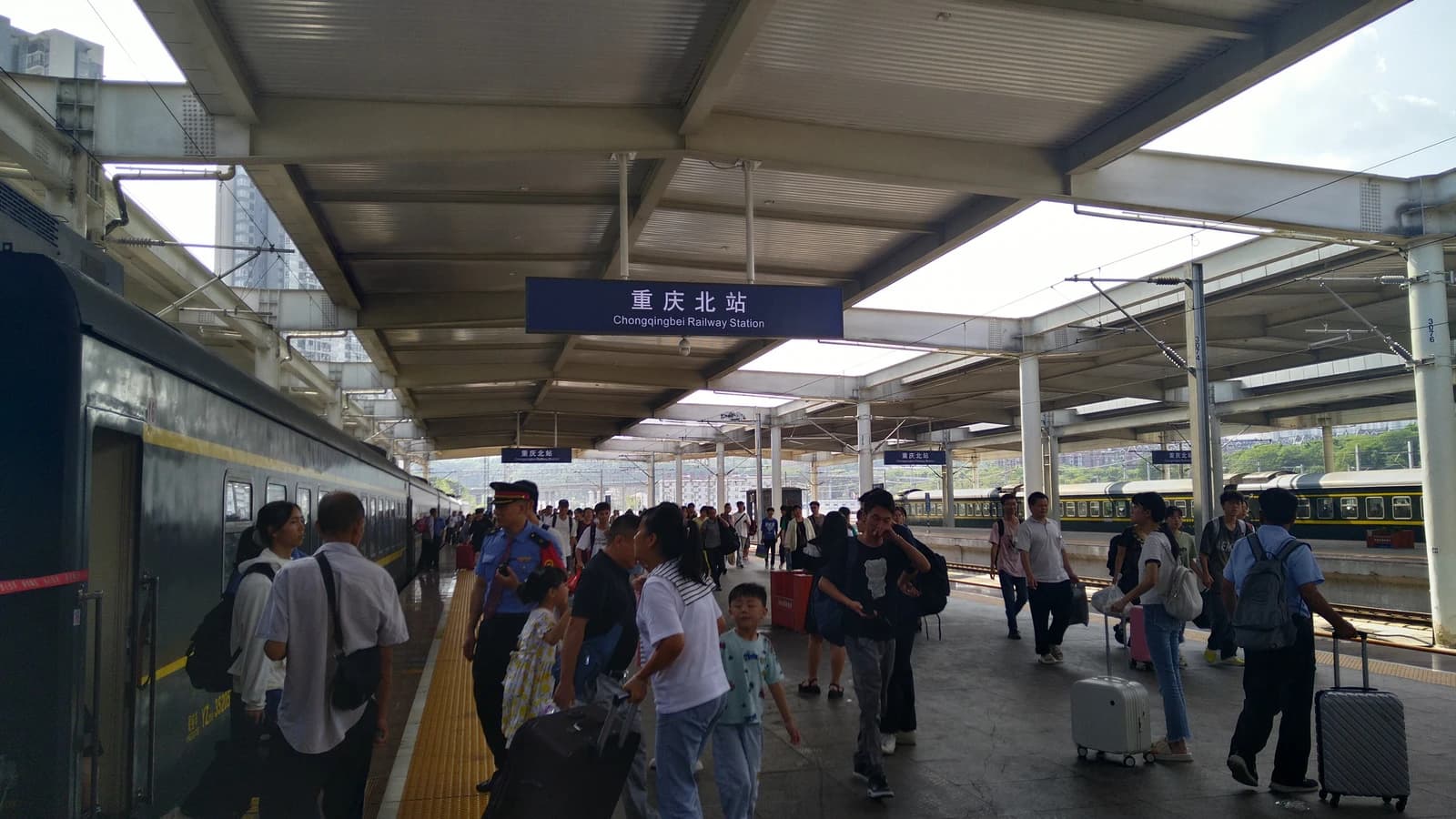
The biggest driver was foreign demand. Cross-border trips by foreign nationals rose 15.6% to 23.27 million in the July-to-September period, while visa-free entries by foreigners jumped 24.1% to 8.99 million. Those visa-free arrivals accounted for 77.5% of all foreign entries, underscoring how aggressively Beijing’s travel opening is reshaping flows. Since launching a unilateral visa exemption trial in late 2023, China has expanded the policy to 50 countries and now allows eligible visitors to stay for up to 30 days. It also widened the visa-free transit window to 240 hours for travelers from certain countries, with 57 eligible countries so far.
Sentiment IndicatorsⓘProprietary · adalytica.com · October 24, 2026
This is a snapshot — live sentiment, awareness and momentum for 130+ markets update continuously in the dashboard.Open AlphaPulse
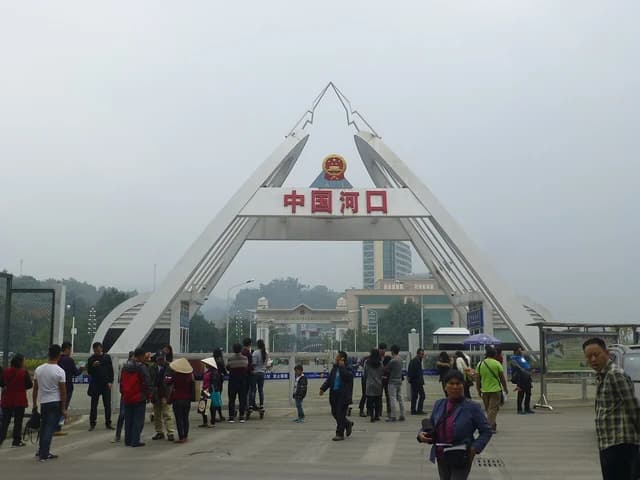
For investors, this is more than a tourism headline. Stronger inbound travel supports a broad basket of consumer-facing businesses, from online travel platforms such as Booking Holdings and Expedia to airlines, cruise operators and hotel chains. It can also help offset weaker domestic consumption by bringing in hard currency spending from overseas visitors. In a year when China’s growth mix remains under scrutiny, that kind of service-sector demand is exactly the sort of incremental support markets watch for.
The story also fits a broader reopening narrative. China is trying to make itself easier to visit, not just for sightseeing but for business travel and transit. That should gradually improve utilization across travel infrastructure and raise the appeal of cities that benefit from international footfall. At the margin, it is constructive for regional carriers, travel agents and premium hospitality businesses that depend on cross-border movement.

The key question now is whether the visa gains translate into a more durable spending cycle. If they do, China’s travel rebound could remain a slow-burn tailwind rather than a one-off post-pandemic bounce. For long-term investors, that makes the recovery worth watching, especially in diversified travel names that can capture demand across markets rather than depend on one country alone.
| Entity | Gains | Losses |
|---|---|---|
| China’s tourism sector | ▲More foreign visitors | ▼Lingering weak domestic demand |
| Visa-free travelers | ▲Easier entry, longer stays | ▼Less friction from paperwork |
| Travel platforms and hotels | ▲Higher bookings and spending | ▼Dependence on sustained policy easing |
| Outbound-focused competitors | ▲-- | ▼Share of traveler attention in China |