Kim Jong-un’s surprise stop in Dandong has turned the Chinese border city into a political attraction overnight, underscoring how Beijing is still willing to monetize nationalism even as trade tensions and weak factory data weigh on the broader economy.
China's Dandong Sees Tourism Surge After Kim Visit
The immediate market relevance is not the pageantry itself but the message: China is leaning harder on patriotic tourism, border symbolism and wartime memory to keep domestic spending and local traffic moving. That matters because Dandong sits at the intersection of geopolitics and commerce, where visitor flows, transport links and retail activity can be lifted by state-backed spectacle even when the wider economy is softening.
Sentiment Indicators
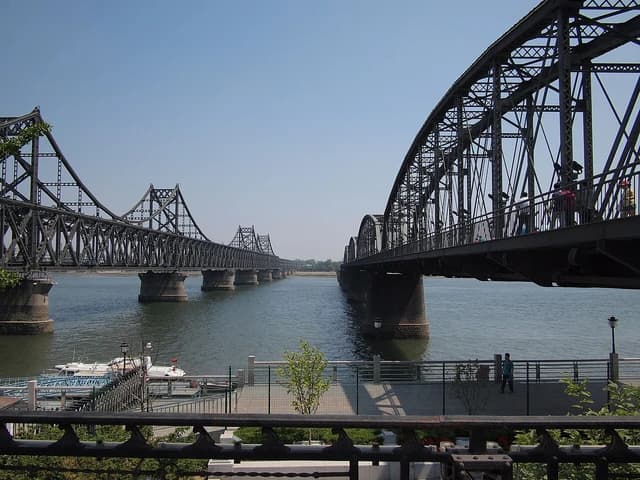
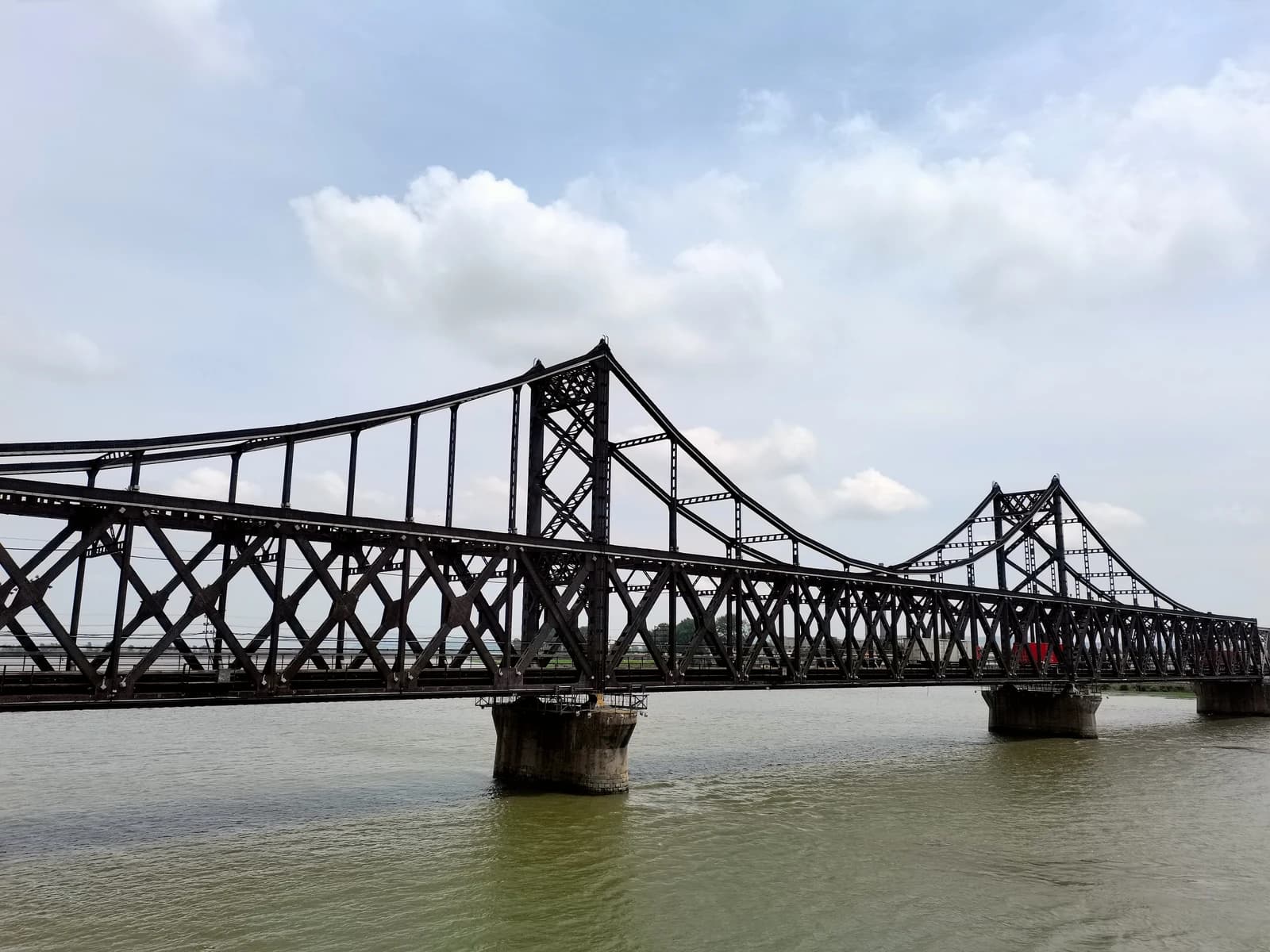
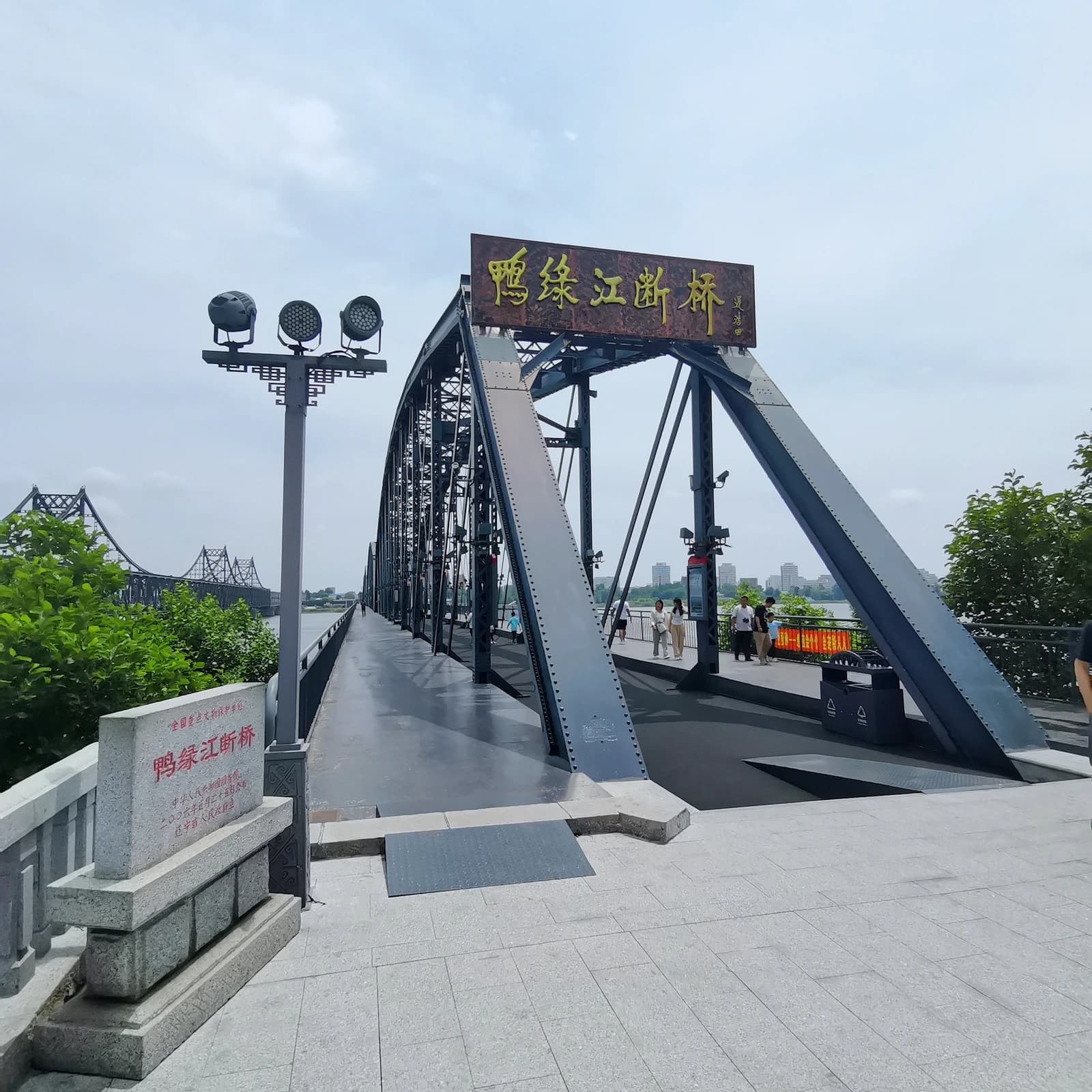
At the center of the frenzy was the Korean War memorial complex on Yinghua Hill, where crowds from across China lined up from early morning after Kim’s visit the day before. The memorial, a national-level museum dedicated to China’s role in the war, and the nearby Yalu River Broken Bridge were both packed, with organizers even offering free entry and staging reenactment performances of the 1950 river crossing. Local roads were congested with tour buses and taxis, while new cafes and food outlets near the recently opened New Yalu River Bridge saw steady foot traffic.
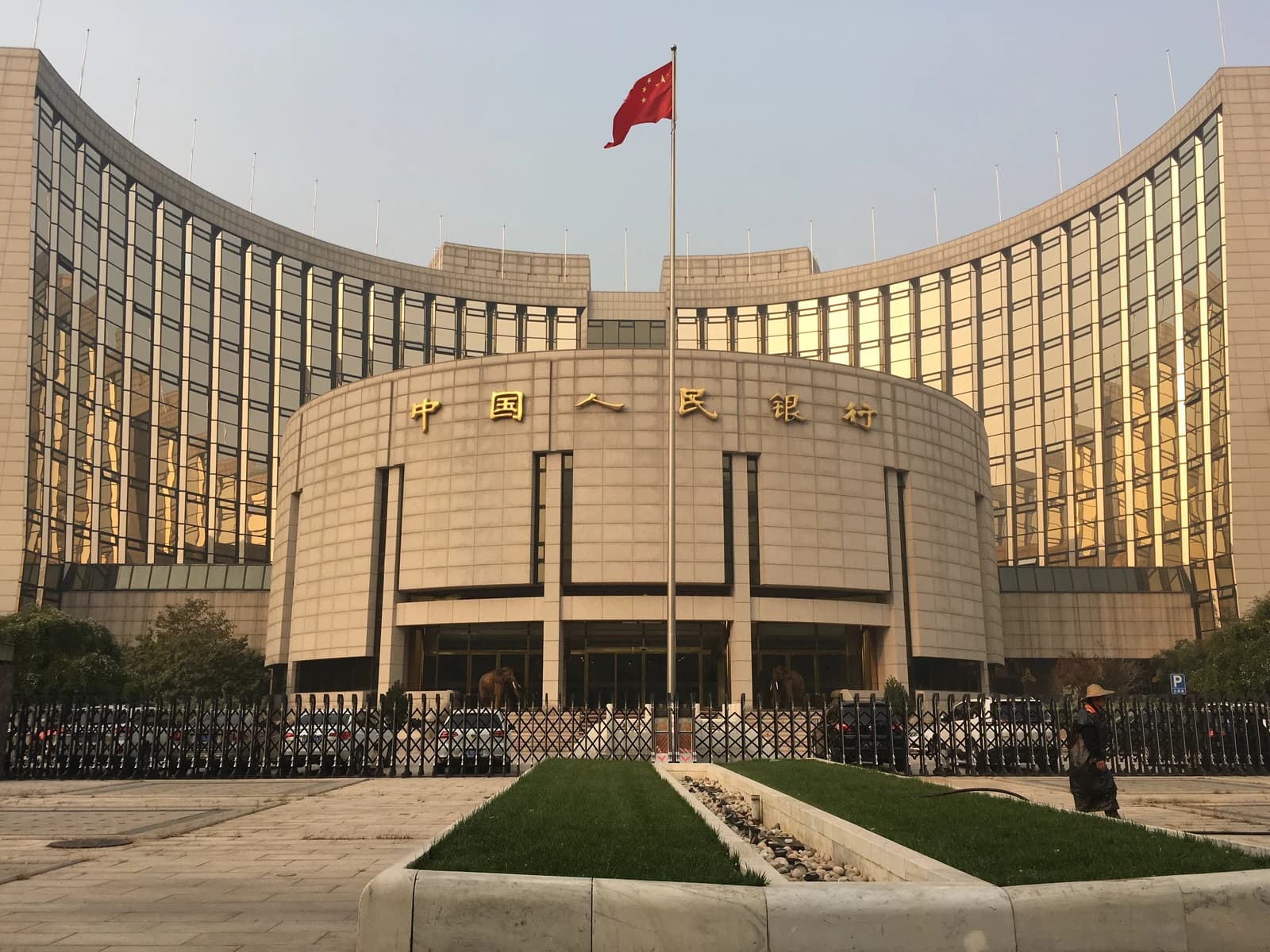
For investors, that is a reminder that “red tourism” remains an investable theme in China, especially in politically sensitive border regions. The bigger thesis is second-order demand: higher local spending on transport, food and leisure; stronger utilization for destination operators; and a modest tailwind for consumer-facing names tied to domestic travel. The broader economy may be under strain — China’s manufacturing PMI slipped back below 50 in October, according to the separate trade backdrop — but the state can still direct sentiment and traffic toward favored sites.
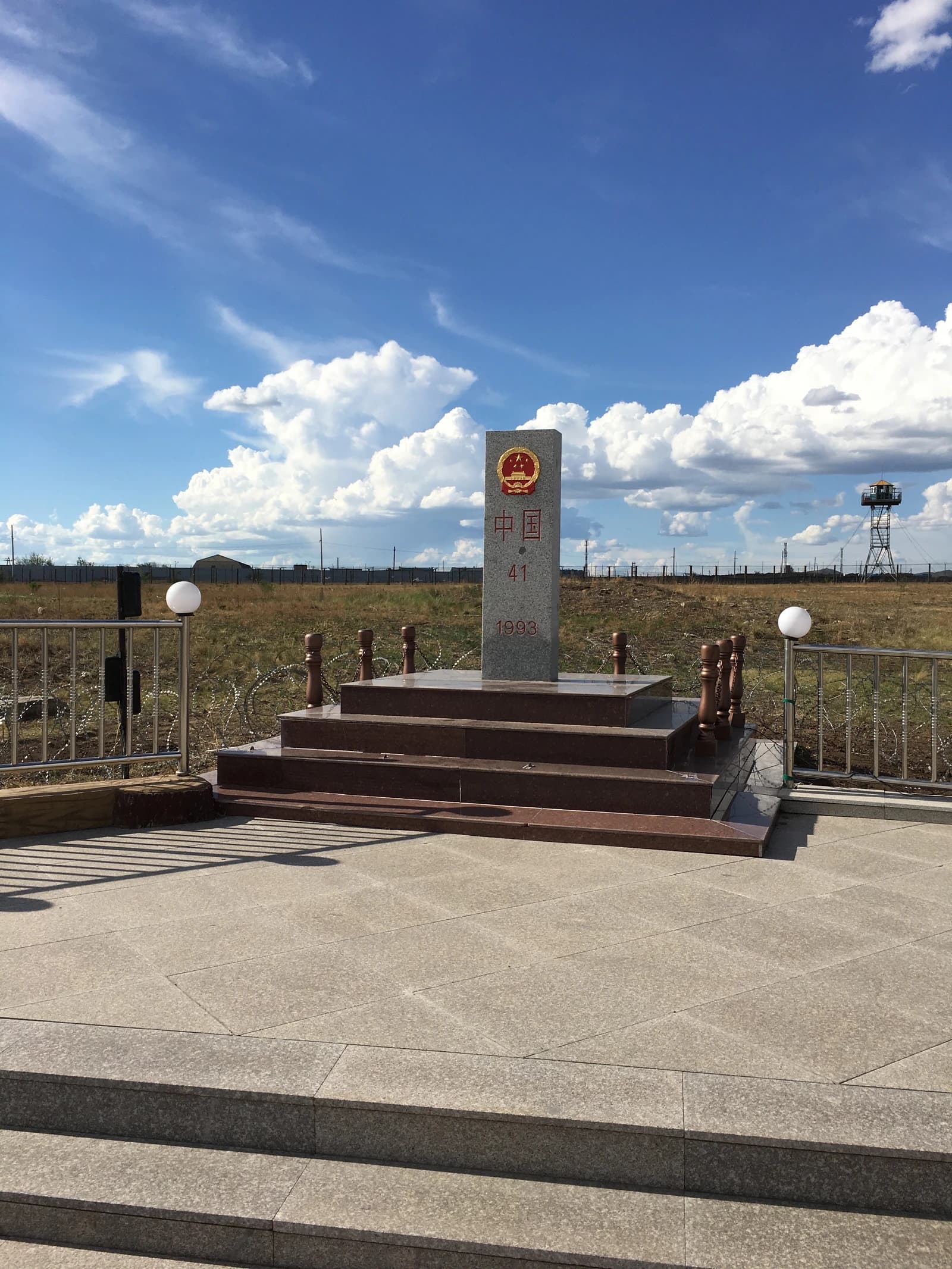
The timing also matters geopolitically. Kim’s visit came as Beijing navigates an increasingly fraught external environment, with trade frictions with the U.S. and Europe intensifying and global stability sentiment elevated. In that setting, Dandong’s choreographed crowds serve more than an ideological purpose: they reinforce the image of a resilient China that can draw domestic enthusiasm even on a sensitive anniversary tied to the Korean War.
The investable takeaway is simple: the market underestimates the durability of China’s state-led domestic demand channels. The best opportunities are likely not in headline tourism names alone, but in the infrastructure, transport and local consumption beneficiaries that gain whenever Beijing turns nationalism into a spending event. Stay positioned for a world where geopolitics increasingly steers cash flows.
| Entity | Gains | Losses |
|---|---|---|
| Dandong tourism operators | ▲Higher visitor traffic | ▼Empty hotel rooms |
| Local restaurants and retail | ▲More spending | ▼Weak off-season demand |
| China’s state narrative | ▲Stronger patriotic messaging | ▼External scrutiny |
| Border transport links | ▲More utilization | ▼Routine cross-border flow predictability |