Kim Jong Un has made a surprise one-day visit to China, a diplomatic move that matters because it underscores how dependent Pyongyang remains on Beijing for political cover, trade access and regional leverage at a time of heightened security tension on the Korean Peninsula.
Kim Jong Un makes surprise one-day China visit
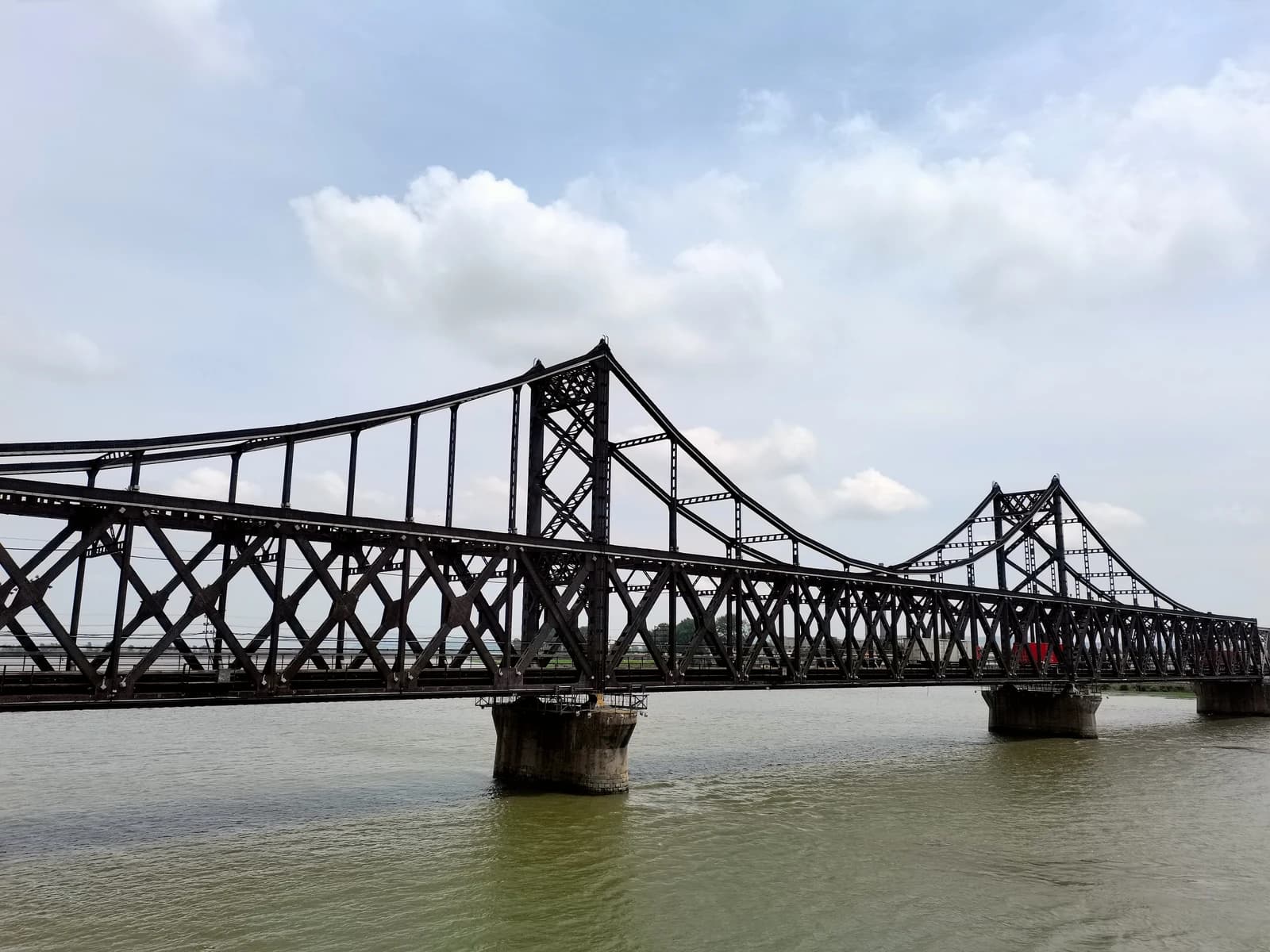
South Korean media said the North Korean leader crossed the newly opened New Yalu River Bridge into the Chinese border city of Dandong on Tuesday morning, met Chinese Premier Li Qiang and then headed home the same day. North Korea’s state media and China’s Xinhua both said Kim had left Dandong, backing Seoul’s assessment that the trip was likely a brief, tightly controlled visit rather than a longer summit.
Sentiment Indicators
The timing is notable. The trip came ahead of China’s commemoration of its 76th anniversary of entering the Korean War and just before a key Communist Party Central Committee meeting, suggesting Beijing wanted the optics of solidarity without the uncertainty of a longer high-level public event. For Pyongyang, the visit resets contact with its principal backer after 13 months and follows a long period of sporadic diplomacy.
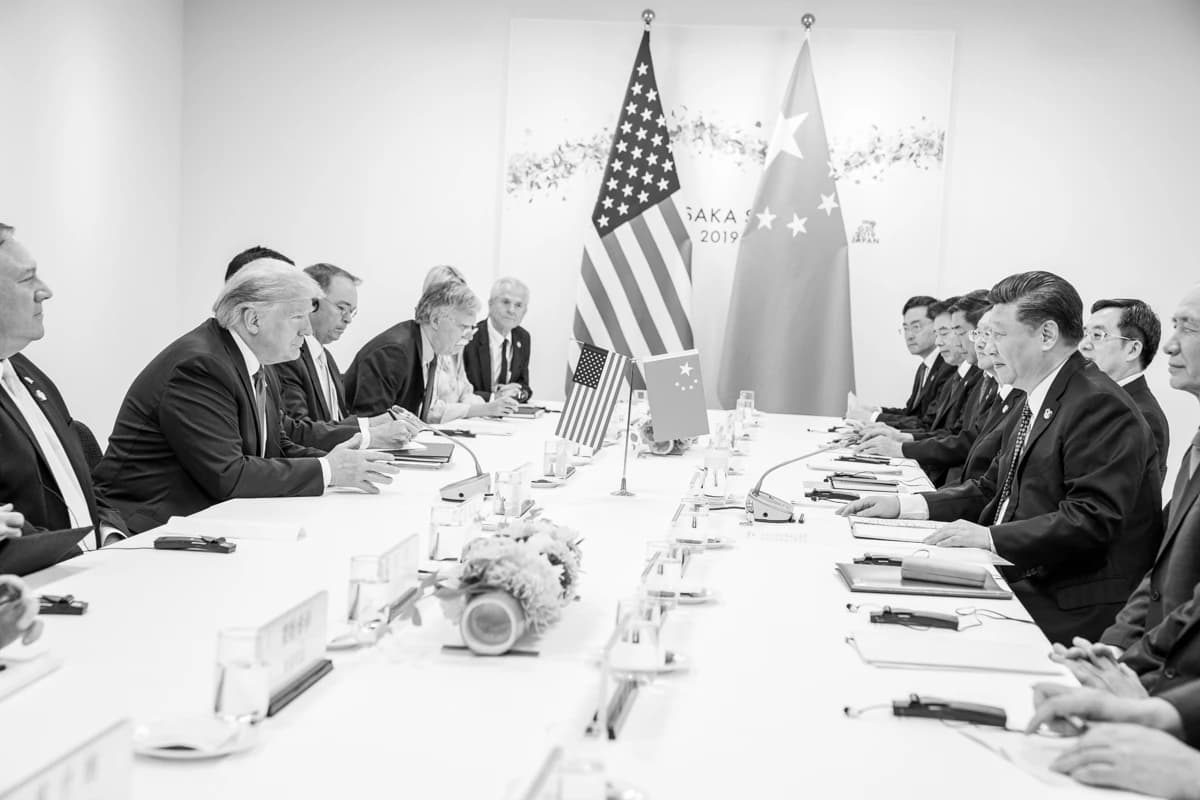
For investors, the immediate market relevance is less about direct economic exposure than about regional risk pricing. North Korea-China coordination can affect sanctions enforcement, cross-border trade expectations and the broader probability of military escalation in Northeast Asia. Any sign of closer Beijing-Pyongyang alignment also feeds into the outlook for U.S.-China relations and the security backdrop for South Korean assets.
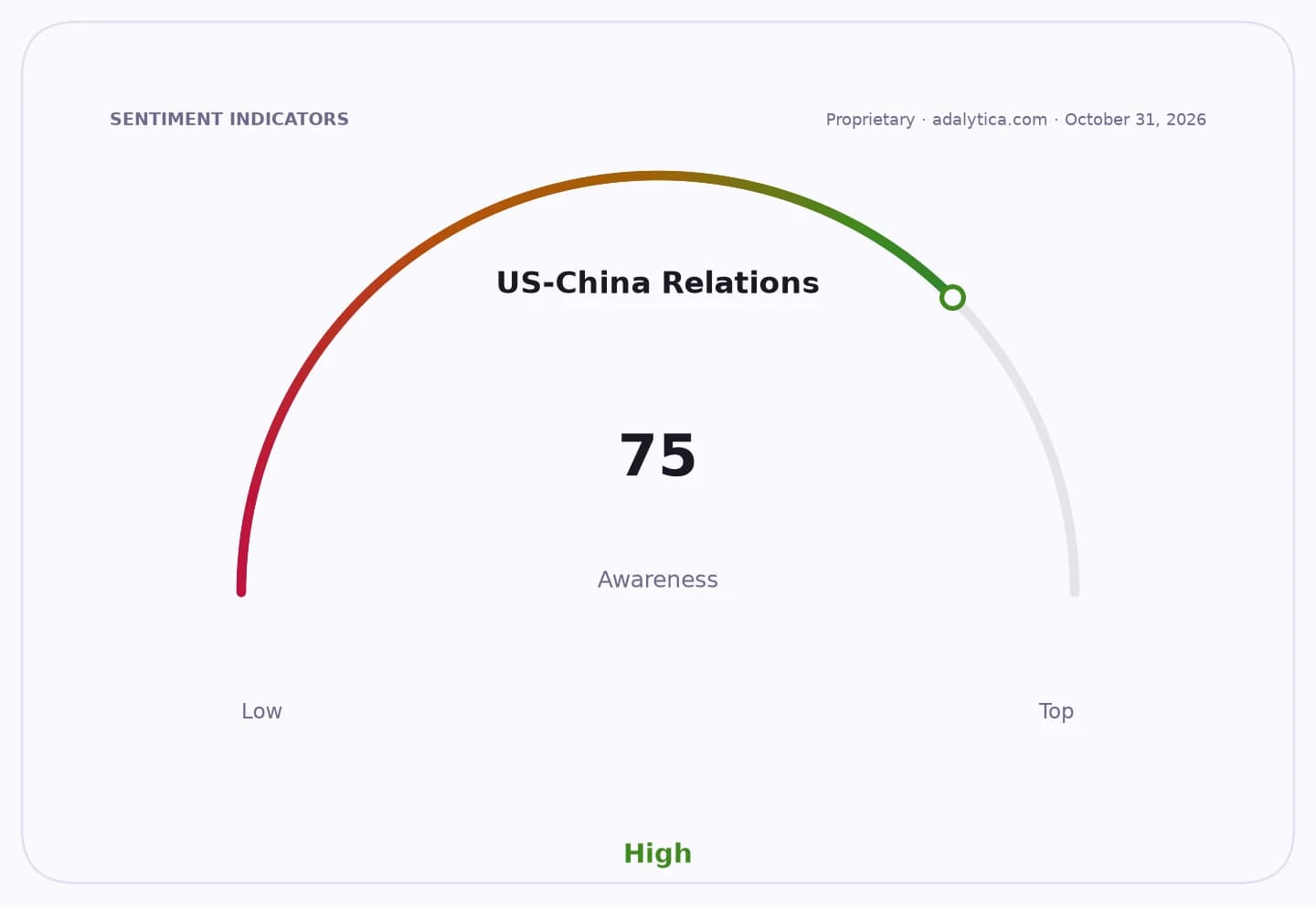
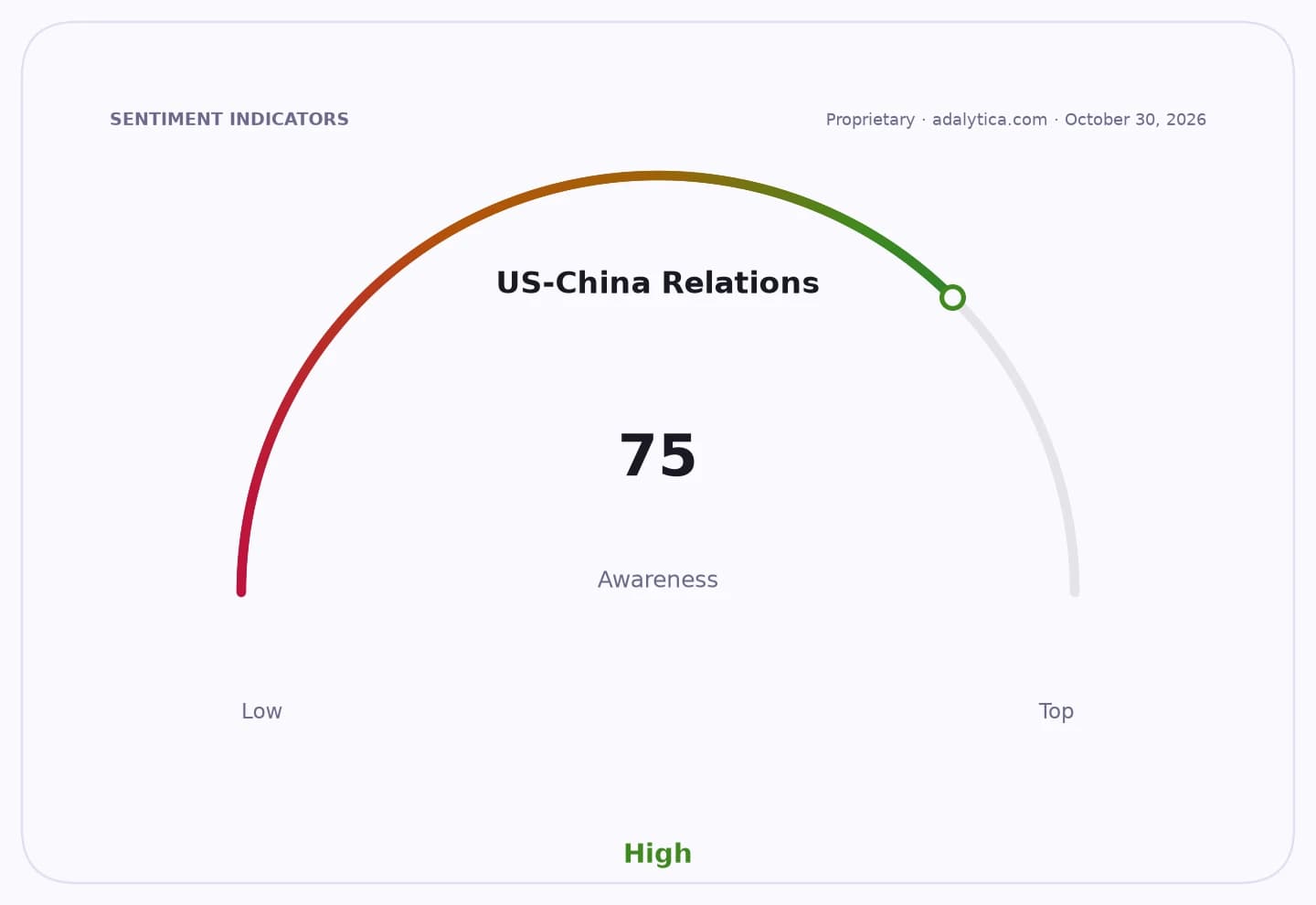
The diplomatic backdrop comes as sentiment gauges tied to U.S.-China relations have firmed in recent sessions, while broader global stability readings remain at elevated levels. In equity markets, the Korea-focused iShares MSCI South Korea ETF, EWY, was last quoted at $152.89, down from $165.91 on Oct. 28, while the China-focused FXI traded at $33.08, leaving both funds sensitive to any shift in geopolitical tone rather than domestic fundamentals alone.
Seoul said it is monitoring further developments closely in the absence of an official announcement from either side. The next test will be whether the visit produces any concrete follow-up on trade, military messaging or a broader diplomatic thaw, or whether it remains a symbolic show of loyalty between two governments under pressure from sanctions and strategic rivalry.
| Entity | Gains | Losses |
|---|---|---|
| North Korea | ▲Beijing backing | ▼Diplomatic isolation |
| China | ▲Regional leverage | ▼Near-term scrutiny |
| South Korea | ▲Dialogue prospects | ▼Security uncertainty |
| EWY investors | ▲Peace premium if tensions ease | ▼Risk-off pressure if tensions rise |