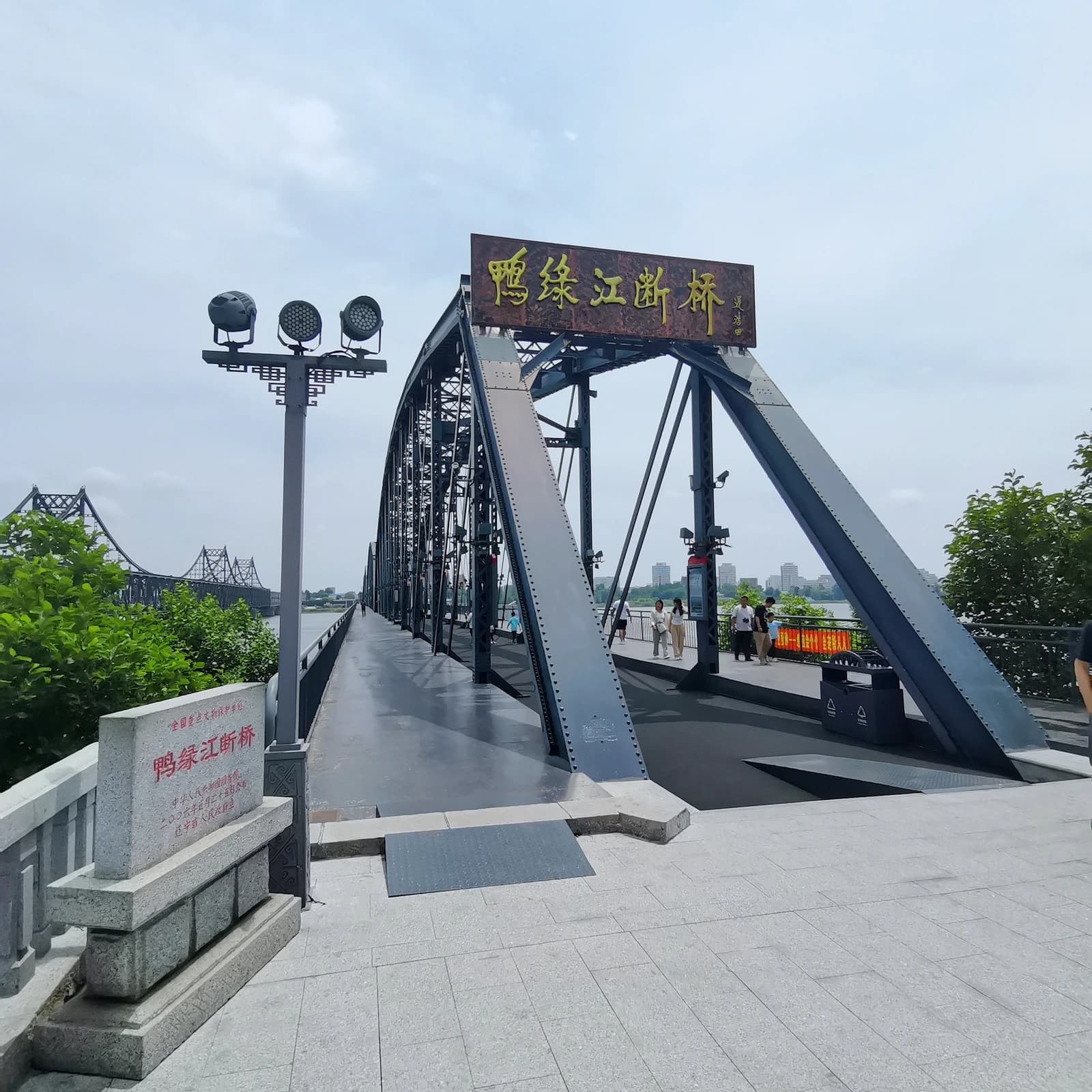
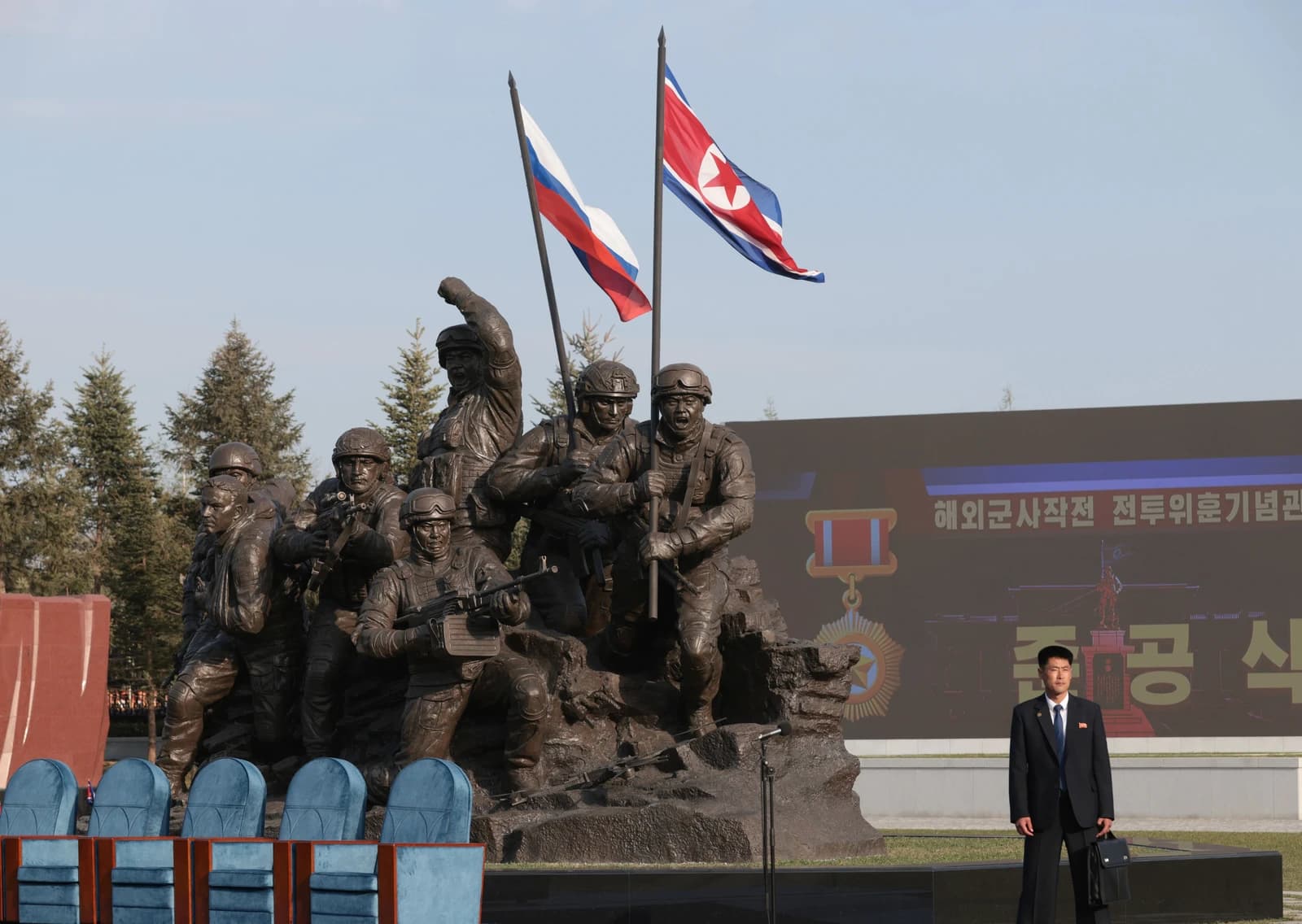
Kim Jong-un’s surprise trip to China’s border city of Dandong prompted strict traffic controls and hotel booking limits around the city’s new cross-border bridge, underscoring how closely Beijing is managing a politically sensitive visit tied to security ties with Pyongyang.
China Dandong border controls after Kim visit
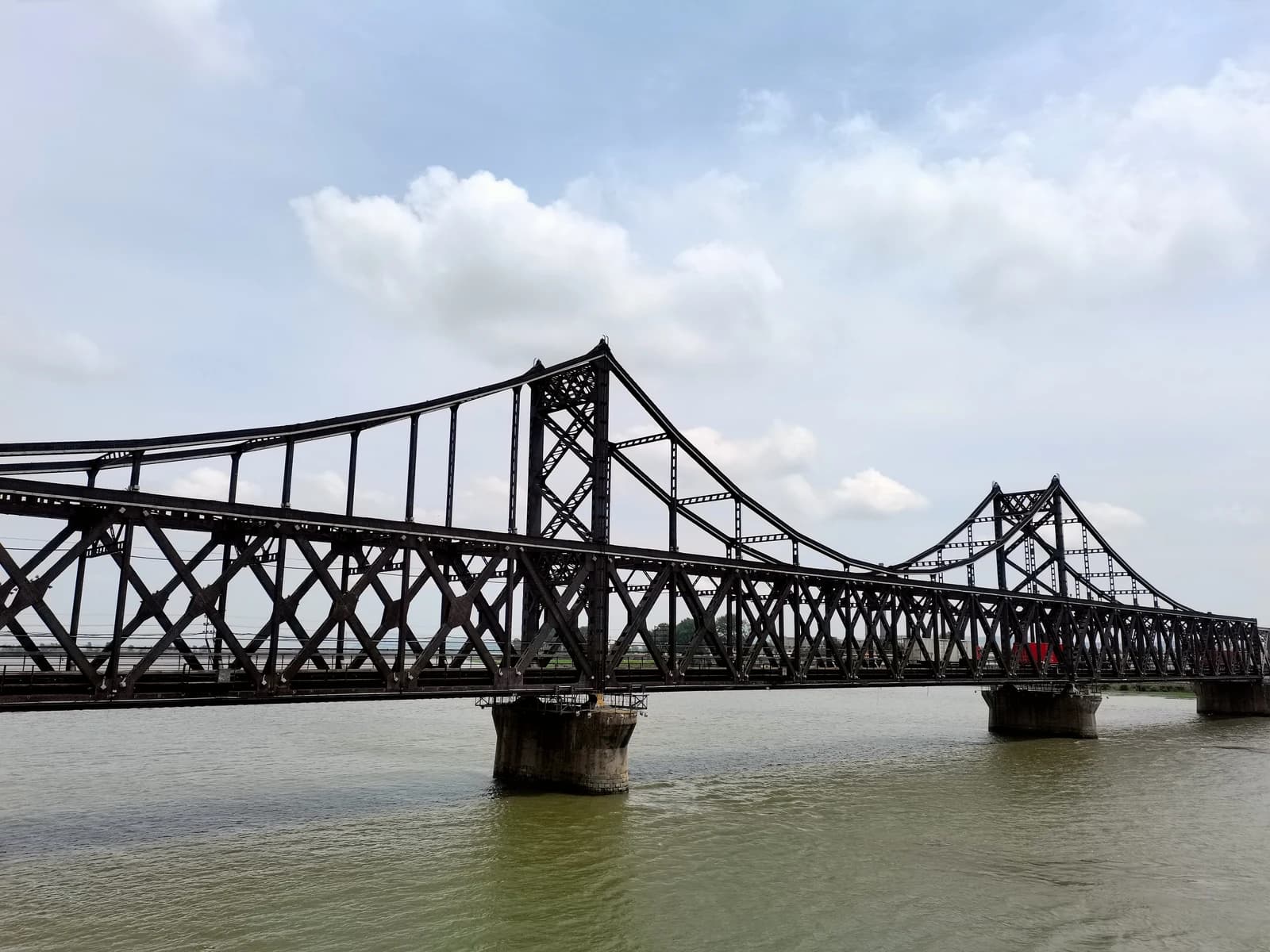
The move matters because Dandong is the main commercial and logistical gateway between China and North Korea. Any tightening around the city points to Beijing’s intent to stage-manage the visit while keeping a lid on cross-border movement at a moment when the two countries are signaling closer coordination on security and sovereignty. That makes the trip relevant not just diplomatically, but economically, because Dandong sits at the center of the trade channel that handles much of the formal and informal flow between the two countries.
Sentiment Indicators
Officials restricted traffic around the new Yalu River bridge, or New Yalu River Bridge, and near a museum linked to China’s Korean War role, according to Kyodo citing diplomatic sources. The bridge, connecting Dandong with North Korea’s Sinuiju, was completed in 2014 but only officially opened on Oct. 15 after years of delay tied to missing North Korean approach roads and customs facilities. The timing suggests the opening is now being folded into a broader political reset, with Kim’s presence giving the bridge symbolic value well beyond infrastructure.
The visit also comes just ahead of the 76th anniversary of China’s entry into the Korean War, raising the possibility that Kim could attend commemorative events. That would reinforce the message that Beijing and Pyongyang are aligning more openly at a time when regional tensions remain high and Washington’s pressure on North Korea shows no sign of easing. For investors, the immediate market impact is limited, but the geopolitical reading is not: tighter China-North Korea ties can affect shipping routes, sanctions enforcement, and sentiment across North Asian risk assets if the relationship translates into more coordinated policy.
The broader narrative is one of controlled thaw, not normalization. China is keeping the border tightly managed even as it projects friendship, while North Korea gains diplomatic cover and a more dependable channel to its most important neighbor. The upside case for Beijing is greater leverage over Pyongyang and more stability on the border; the downside is deeper exposure to sanctions scrutiny and renewed friction with the US and its allies if cooperation expands beyond symbolism into practical support.
| Entity | Gains | Losses |
|---|---|---|
| China | ▲Greater leverage over Pyongyang | ▼Higher sanctions scrutiny |
| North Korea | ▲Diplomatic cover from Beijing | ▼Continued dependence on China |
| Dandong trade corridor | ▲Symbolic political relevance | ▼Short-term travel disruption |
| US and allies | ▲— | ▼Harder pressure campaign on North Korea |