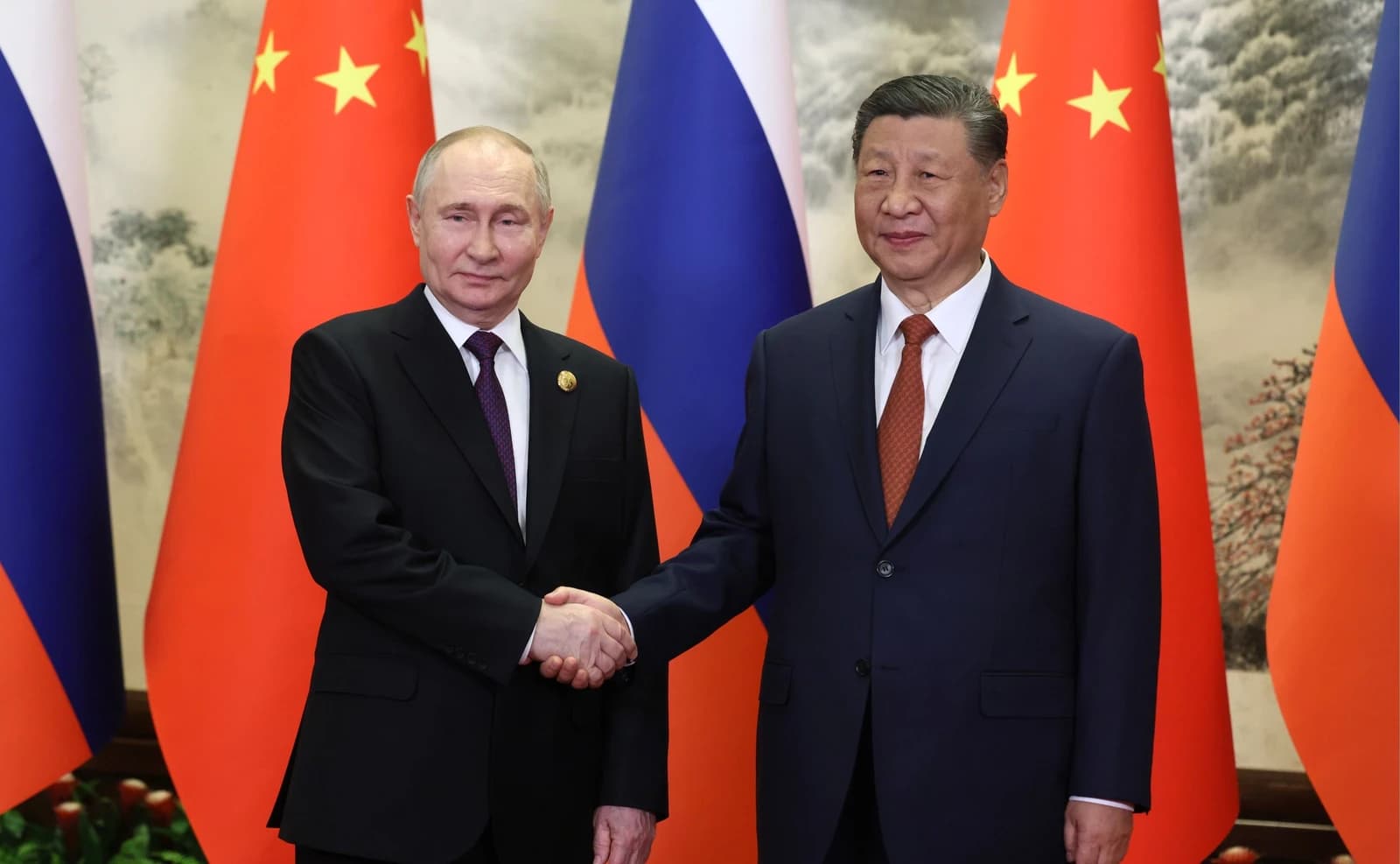
China said it firmly supports Kim Jong Un’s socialist course, underscoring Beijing’s intent to deepen ties with North Korea just as the two countries opened a long-delayed bridge over the Yalu River that could ease trade flows and strengthen a sanctions-hit economy.
China Opens Yalu River Bridge to North Korea
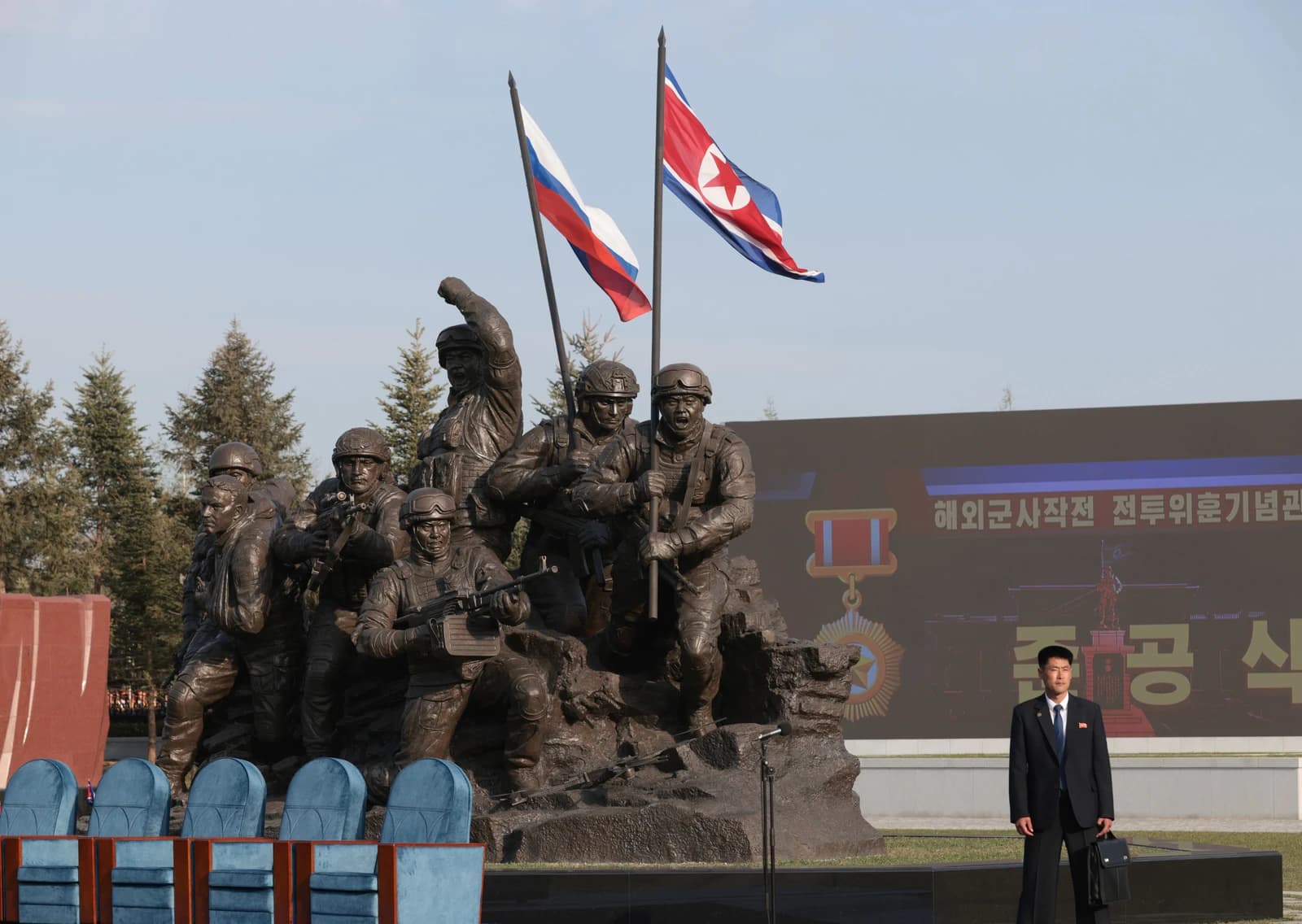
The message from Chinese Premier Li Qiang, delivered at the inauguration ceremony for the new Yalu River bridge, matters because it combines political backing with a practical step to improve cross-border connectivity. For Pyongyang, that is valuable economic oxygen: North Korea remains heavily constrained by international sanctions, and any new channel for goods, transport and people movement can help offset isolation even if it does not alter the sanctions regime.
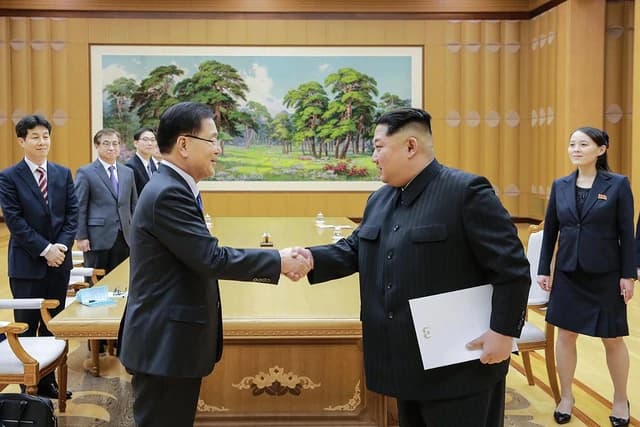
China framed the bridge as a tool for “trade and economic cooperation” and stronger people-to-people links, a reminder that Beijing still sees North Korea as a strategic buffer and is unwilling to let pressure on Pyongyang become a destabilizing force on its border. The opening also comes as North Korea pursues broader land-route links with China and Russia, suggesting a deliberate push to diversify access to external support at a time when Western diplomatic leverage remains limited.
For investors, the immediate market impact is indirect but not trivial. A more functional China-North Korea border can support trade in sanctioned-economy channels, complicate enforcement efforts and influence regional risk pricing across Northeast Asia. It also reinforces the view that Beijing is prepared to prioritize strategic stability over any tightening of pressure on Pyongyang, even as the White House says Washington and Beijing share a goal of denuclearization.
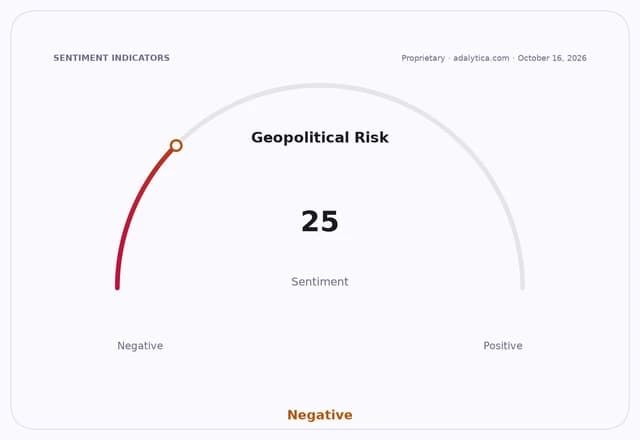
The bridge itself had sat unused for years after completion, making its opening more symbolic than transformative in the near term. But symbolism matters in this part of the world: it signals policy intent, and policy intent often shapes the flow of capital, commodities and diplomatic risk. If the bridge leads to more cross-border commerce, North Korea’s reliance on China could deepen further, while the odds of a meaningful squeeze on the regime weaken.
That leaves investors watching two competing forces: a modest boost to regional trade activity and logistics on one side, and a deeper entrenchment of geopolitical fragmentation on the other. The latter is the bigger macro story, because it points to a Northeast Asia where sanctions, security policy and supply-chain geography remain tightly interwoven.
| Entity | Gains | Losses |
|---|---|---|
| China | ▲Greater border influence | ▼Pressure to tighten sanctions |
| North Korea | ▲Trade access, economic relief | ▼Sanctions isolation persists |
| Local cross-border traders | ▲New logistics route | ▼Compliance and policy risk |
| U.S./allies | ▲Limited leverage over Pyongyang | ▼Harder sanctions enforcement |