China’s first officially acknowledged military-linked air facility outside its borders is adding a new layer of strategic pressure in mainland Southeast Asia, raising the cost of defense planning for Vietnam and sharpening questions about Beijing’s long-term military posture in the region.
China Laos Airbase Raises Vietnam Security Concerns
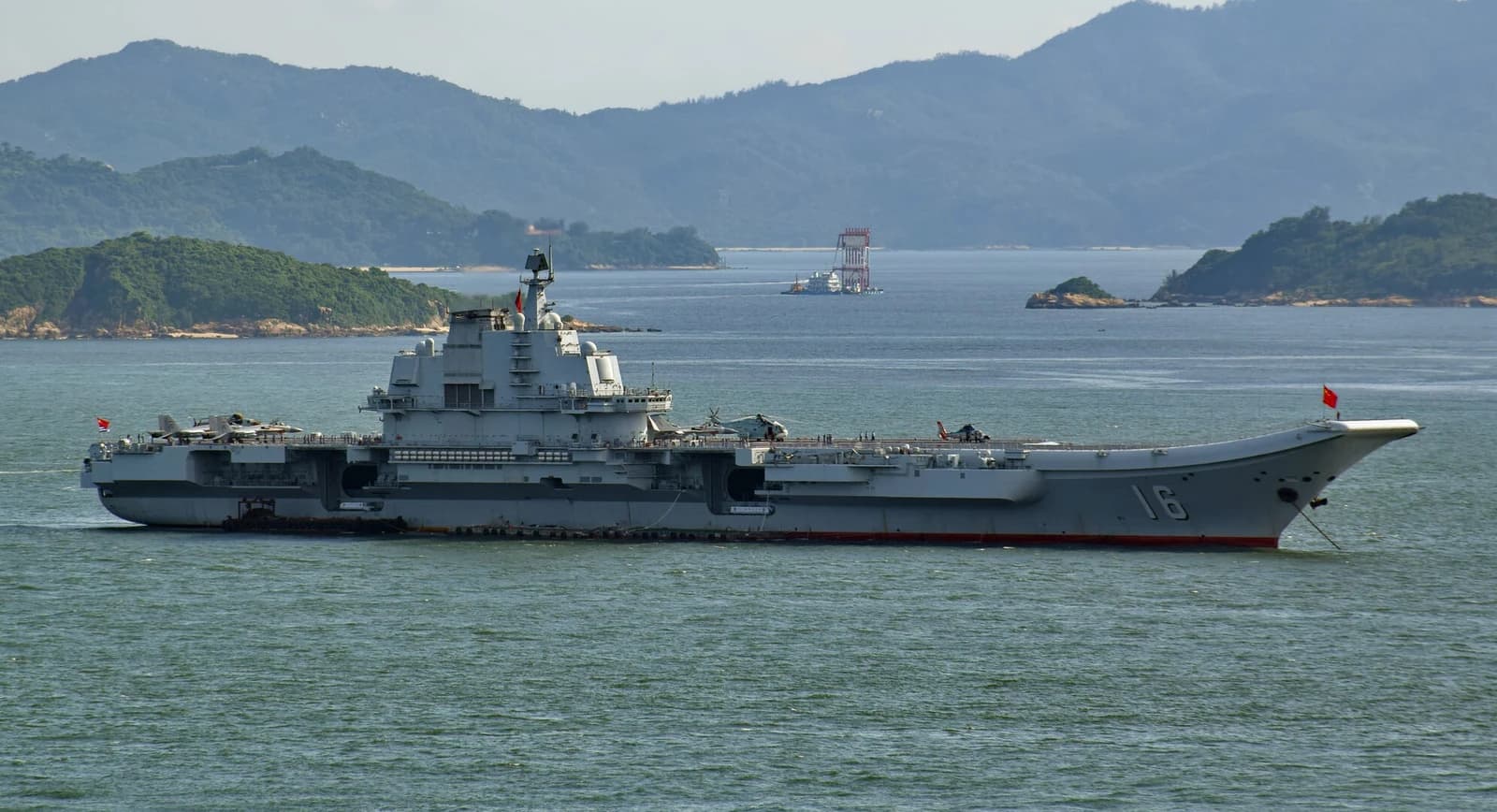
The airbase at Ban Keun, near Laos’ capital Vientiane, gives China a foothold from which it can project air power and monitor regional activity from the interior of the Indochina peninsula, not just from coastal facilities. That matters because it broadens Beijing’s reach into the western flank of Vietnam, a country that already faces persistent friction with China over the South China Sea, and it does so from a landlocked neighbor that sits alongside China, Vietnam, Cambodia, Thailand and Myanmar.
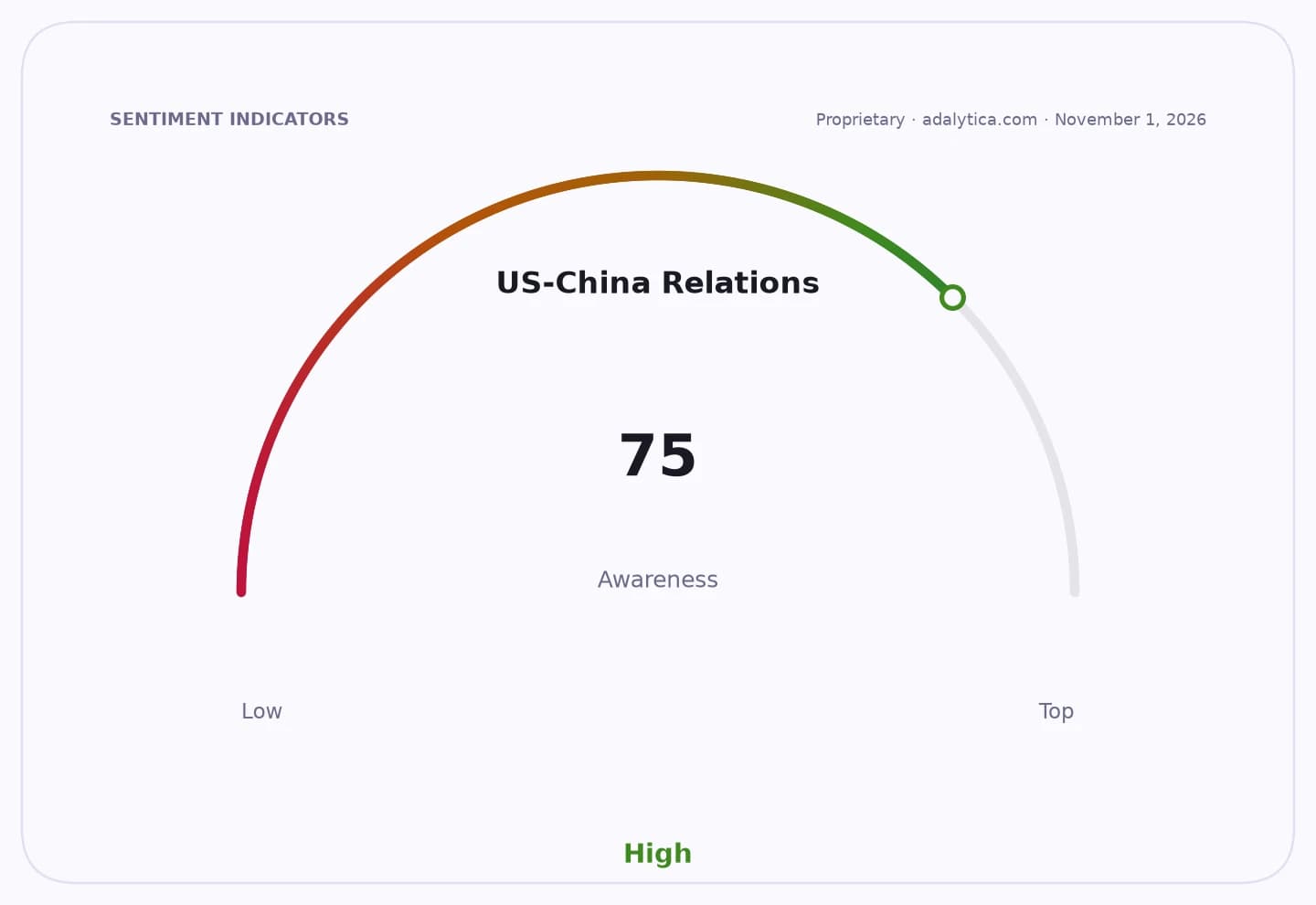
Sentiment Indicators
Geopolitical Risk
Satellite imagery cited in the reports shows a roughly 2,000-meter runway, taxiways and parking space for as many as 22 jets. Reuters analysis on Sept. 30 showed eight K-8 aircraft on the apron, along with more than two dozen military vehicles. While China says the site is a joint training center meant to help Laotian pilots and deepen military cooperation, the location and scale suggest a dual-use facility that could, over time, support Beijing’s own air operations.
For investors, the development is less about immediate market fallout than about the direction of geopolitical risk in Asia. A more assertive Chinese military footprint inland raises the odds of a longer-term security premium across the region, from defense spending to supply-chain resilience and air-route planning. It also reinforces the view that tensions between China and the U.S. allies in Asia are not confined to the maritime domain, but are widening into land-based infrastructure and access points.
Geopolitical Risk
The broader significance is that China is normalizing a more distributed overseas military presence. Its first official foreign base was established in Djibouti in 2017, primarily for logistics and anti-piracy operations near key shipping lanes. It later expanded its role at Cambodia’s Ream naval base, where a joint training center opened in 2025. Laos now extends that playbook into the air domain, signaling a more versatile approach to military reach across Southeast Asia.
That shift matters economically because regional stability underpins trade, tourism and transport across one of the world’s busiest manufacturing and shipping corridors. It also has implications for defense contractors and aerospace suppliers in the U.S. and Asia, where governments may accelerate spending on surveillance, air defense and interoperability. At the same time, China’s neighbors may feel pressure to avoid overreliance on Beijing even as they keep trade ties intact.
The bull case for Beijing is that the facility remains a modest training base, not a forward operating site, and that Laos benefits from infrastructure, pilot training and security cooperation without becoming a staging ground for confrontation. The bear case is that the installation deepens strategic ambiguity, gives China a quietly useful presence close to Vietnam, and normalizes a pattern of military expansion that others in the region will treat as precedent.
| Entity | Gains | Losses |
|---|---|---|
| China | ▲regional military reach | ▼strategic ambiguity |
| Laos | ▲infrastructure support | ▼neutrality concerns |
| Vietnam | ▲— | ▼western-flank pressure |
| U.S. and allies | ▲clearer threat assessment | ▼higher security burden |