China’s top diplomat is trying to frame the next phase of great-power competition as a problem of governance, not just rivalry, and that matters for investors because the rules set around the deep sea, outer space and advanced technologies will shape who controls access, capital and commercial opportunity for years to come.
China Pushes Frontier Domain Governance
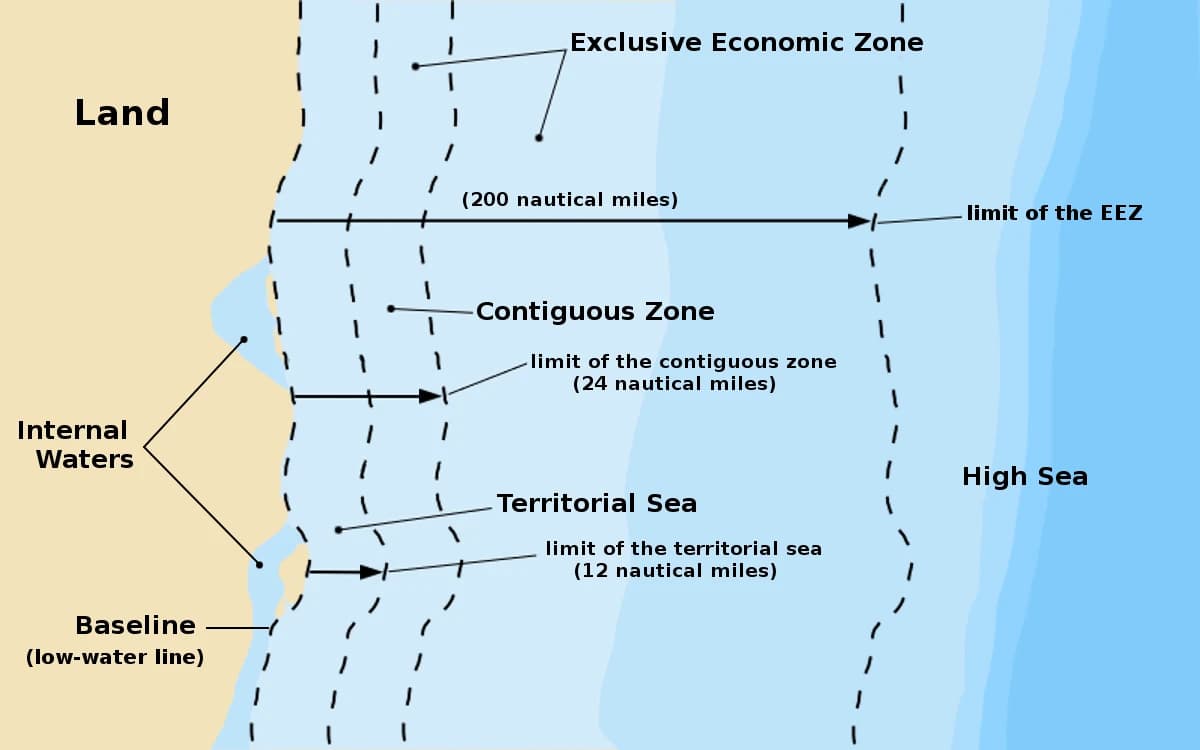
Foreign Minister Wang Yi used the opening of Beijing’s Global Governance Forum in Xiongan to argue for stronger oversight of the deep sea, polar regions and outer space, while also saying artificial intelligence should remain under human control and serve humanity. The message was clear: China wants a larger hand in writing the norms for the frontier domains that sit at the intersection of national security, industrial policy and long-term resource access.
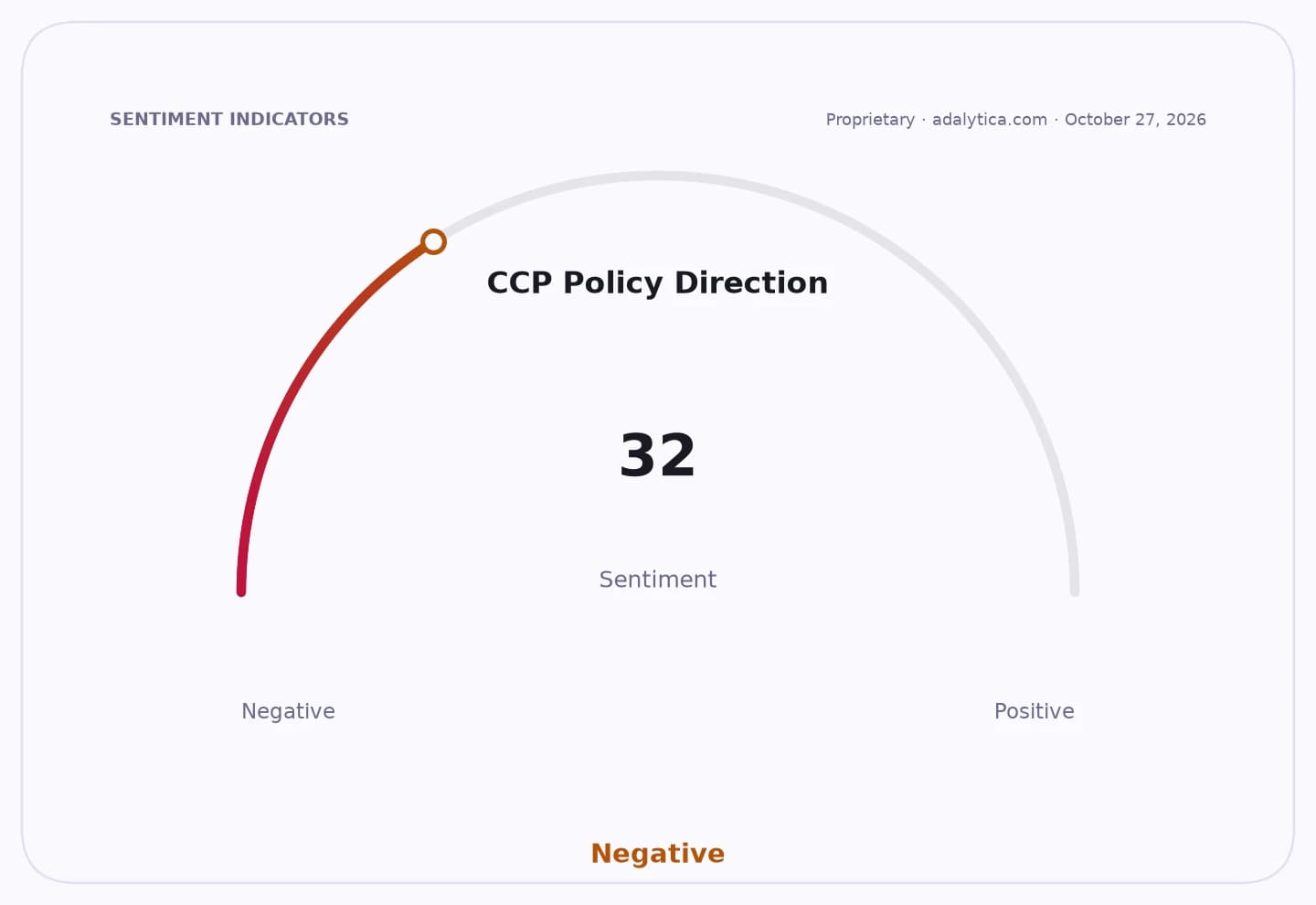
Sentiment Indicators
That has economic consequences well beyond diplomacy. The deep sea is becoming more strategically important as countries look for minerals, cables and seabed infrastructure; space is increasingly tied to communications, navigation, surveillance and launch services; and AI governance will influence how quickly firms can scale new technologies without hitting regulatory walls. For long-term investors, these are not abstract debates. They are about where governments will allow investment, what technologies will be restricted, and which companies can win contracts as security budgets and frontier industries expand.
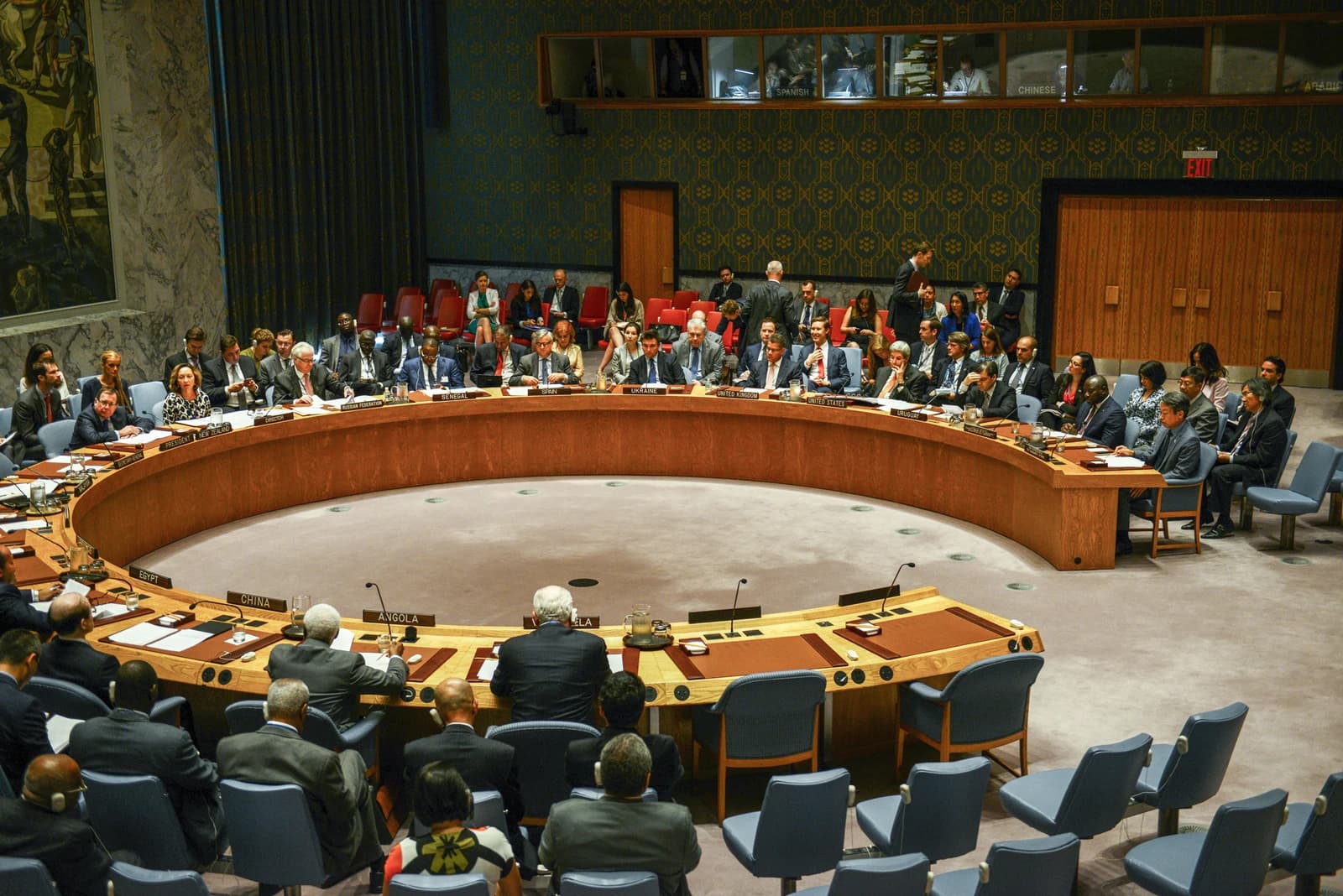
Wang also said the rise of the Global South is the most momentous shift since World War Two and called for greater representation for developing countries in international affairs. That fits Beijing’s broader diplomatic pitch: present China as a champion of multilateralism and a more equitable world order at a time when Washington and its allies are tightening export controls, sanctions and technology restrictions.
The backdrop is a world where geopolitical stress is already feeding into markets and corporate planning. Reuters reporting in recent days has highlighted the deadly danger to shipping in the Black Sea, while defense contractors such as Lockheed Martin and Northrop Grumman have pointed investors to a more unstable global security environment in their recent filings. Those same tensions tend to reinforce demand for surveillance, secure communications, launch capabilities, undersea systems and resilient supply chains.
China’s forum, introduced by President Xi Jinping last year, is part of a sustained effort to present an alternative model of global governance. For investors, the practical takeaway is that the competition is moving into the seams of the global economy — the seabed, orbit and the digital layer that connects them. Companies tied to defense, aerospace, subsea infrastructure and AI compliance are likely to see both opportunities and restrictions expand as governments fight over the rules.
The smartest approach is not to trade every headline, but to recognize the trend: frontier domains are becoming policy domains. That makes them worth watching closely, especially for investors with a 3- to 10-year horizon.
| Entity | Gains | Losses |
|---|---|---|
| China | ▲Diplomatic influence | ▼Trust from skeptics |
| Global South | ▲More representation | ▼Status quo powers |
| Defense and space contractors | ▲Higher demand | ▼Easier access for rivals |
| Multilateral rule-makers | ▲Relevance | ▼Policy ambiguity |