China is pressing the U.S. to stick to market principles after Washington proposed widening its foreign investment controls to cover biotechnology, a move that could deepen the economic standoff between the world’s two largest economies and keep pressure on China-linked assets.
China Pushes U.S. on Outbound Biotech Investment Controls
US-China Relations
Foreign Ministry spokeswoman Mao Ning said unilateral barriers “benefit no one” and accused the U.S. of stretching the definition of national security too far. Beijing said it would watch the next steps closely and take necessary measures to defend the rights of Chinese companies and the country’s interests.
Sentiment Indicators
The latest friction matters because it comes as the U.S. broadens its outbound investment screening regime beyond artificial intelligence, advanced semiconductors, hypersonics, high-performance computing and quantum information technology. Under the 2025 Comprehensive Outbound Investment National Security Act, the rules would apply to investments above $50,000 and exclude several financial vehicles, including stock purchases, but still signal a tougher line on cross-border capital flows.
For investors, that raises the risk of further fragmentation in global supply chains and capital markets, especially in sectors tied to biotech, chipmaking and advanced computing. China-focused U.S.-listed exchange-traded funds were mixed, with the iShares MSCI China ETF, FXI, edging up to $32.99 on Oct. 30 after a recent slide from above $40 earlier in the year, while the broader China ETF MCHI held near $49.05 but remained well below its 200-day moving average at $55.53.
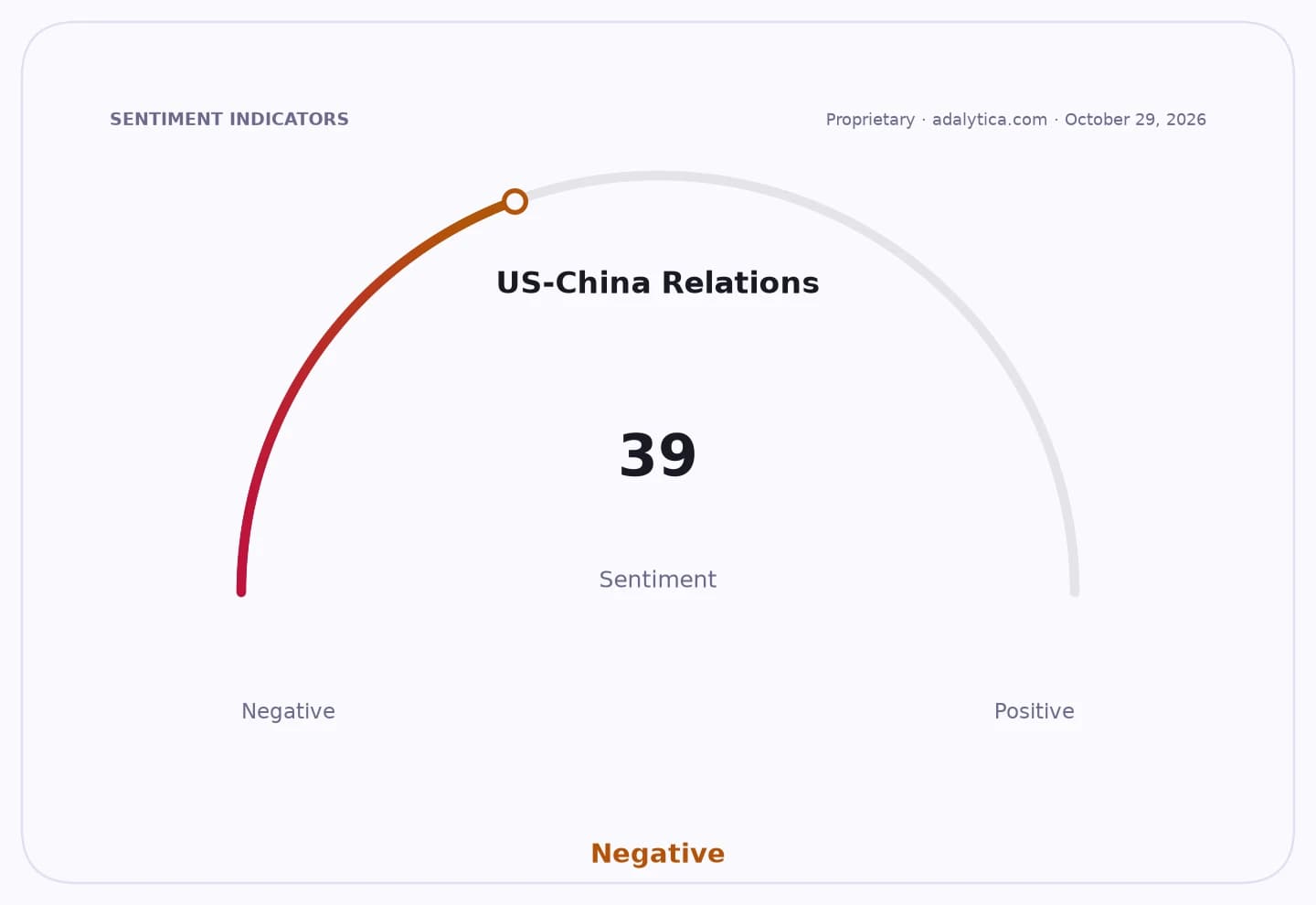
US-China Relations — 30-day sentimentadalytica.com
Explore this data interactively — full history, time series and cross-market comparisons.
The dollar also stayed firm, with UUP at $29.01, while technical indicators on FXI and MCHI showed both funds below their 200-day moving averages, a sign sentiment toward China equities remains fragile despite periodic rebounds. Adalytica’s US–China Relations Sentiment gauge was neutral at 68, though awareness of the issue has jumped, underscoring how quickly trade and technology policy headlines are moving markets.
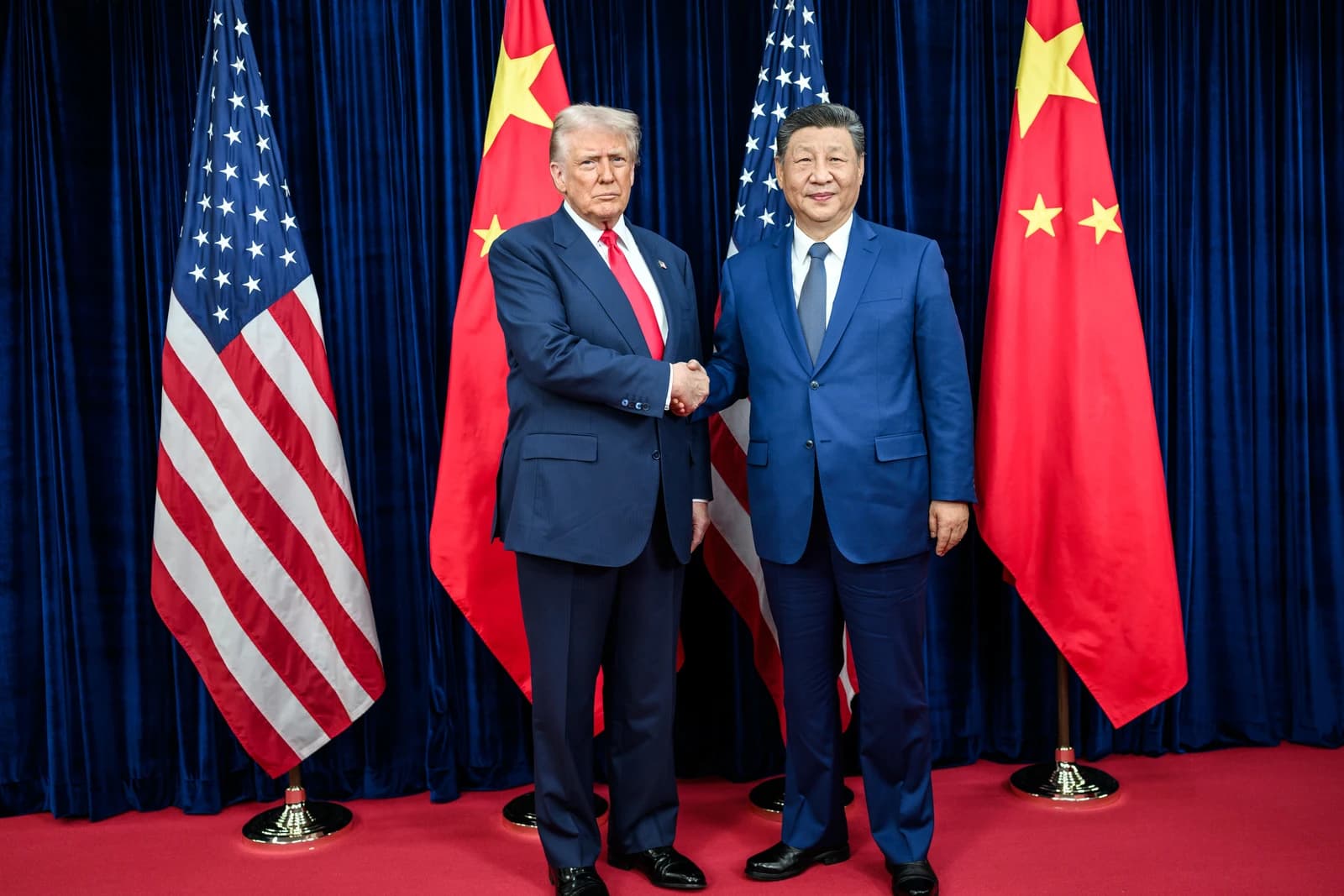
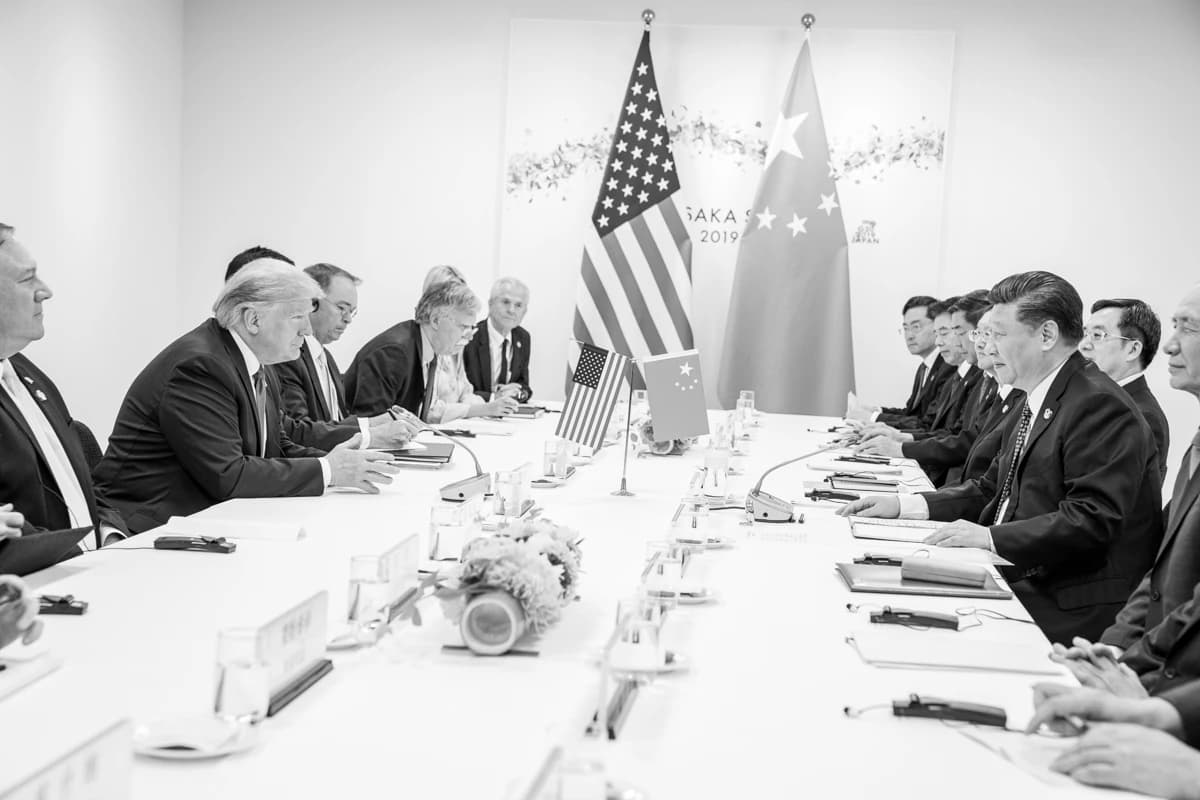
The announcement lands after a September meeting between President Donald Trump and President Xi Jinping in Washington, where the two leaders discussed follow-through on understandings reached in Busan on the sidelines of APEC. That backdrop suggests both sides still want to manage tensions, but the new U.S. proposal shows the competition is shifting from tariffs to tighter controls on strategic investment.
With the Treasury now taking public comments before finalizing the rule, the next catalyst for markets will be whether Washington narrows or expands the scope — and whether Beijing answers with its own policy or regulatory response.
| Entity | Gains | Losses |
|---|---|---|
| U.S. policymakers | ▲tighter national-security screening | ▼easier capital access for China |
| China | ▲leverage to demand reciprocity | ▼fewer U.S. investment channels |
| FXI and MCHI longs | ▲potential relief if rhetoric eases | ▼renewed selling on policy escalation |
| U.S. biotech and strategic-tech investors | ▲protection from policy uncertainty | ▼higher cross-border compliance risk |