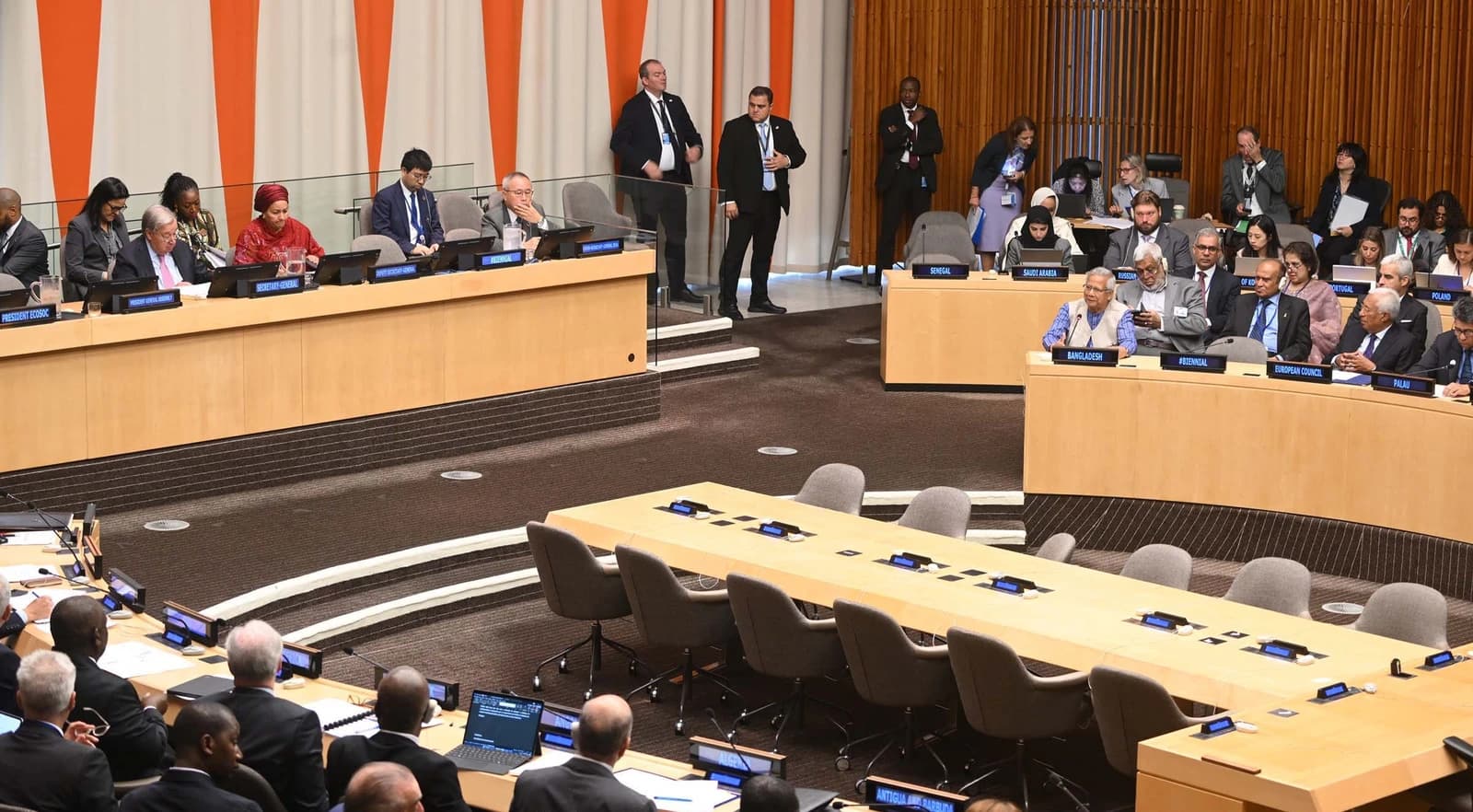
China is bringing representatives from about 90 countries to a governance forum this autumn, a sign Beijing is trying to turn its diplomatic weight into a broader campaign to shape the rules on artificial intelligence, trade, finance and the UN system.
China forum to push governance agenda

That matters because the forum is not just another conference. It is part of President Xi Jinping’s Global Governance Initiative, unveiled at the Shanghai Cooperation Organisation summit in Tianjin in September, and it comes as Beijing seeks to present itself as a defender of multilateralism at a time when the international order is under strain. The pitch is aimed at governments, businesses and institutions increasingly forced to navigate a fragmented world where supply chains, capital flows and technology standards are being pulled in competing directions.
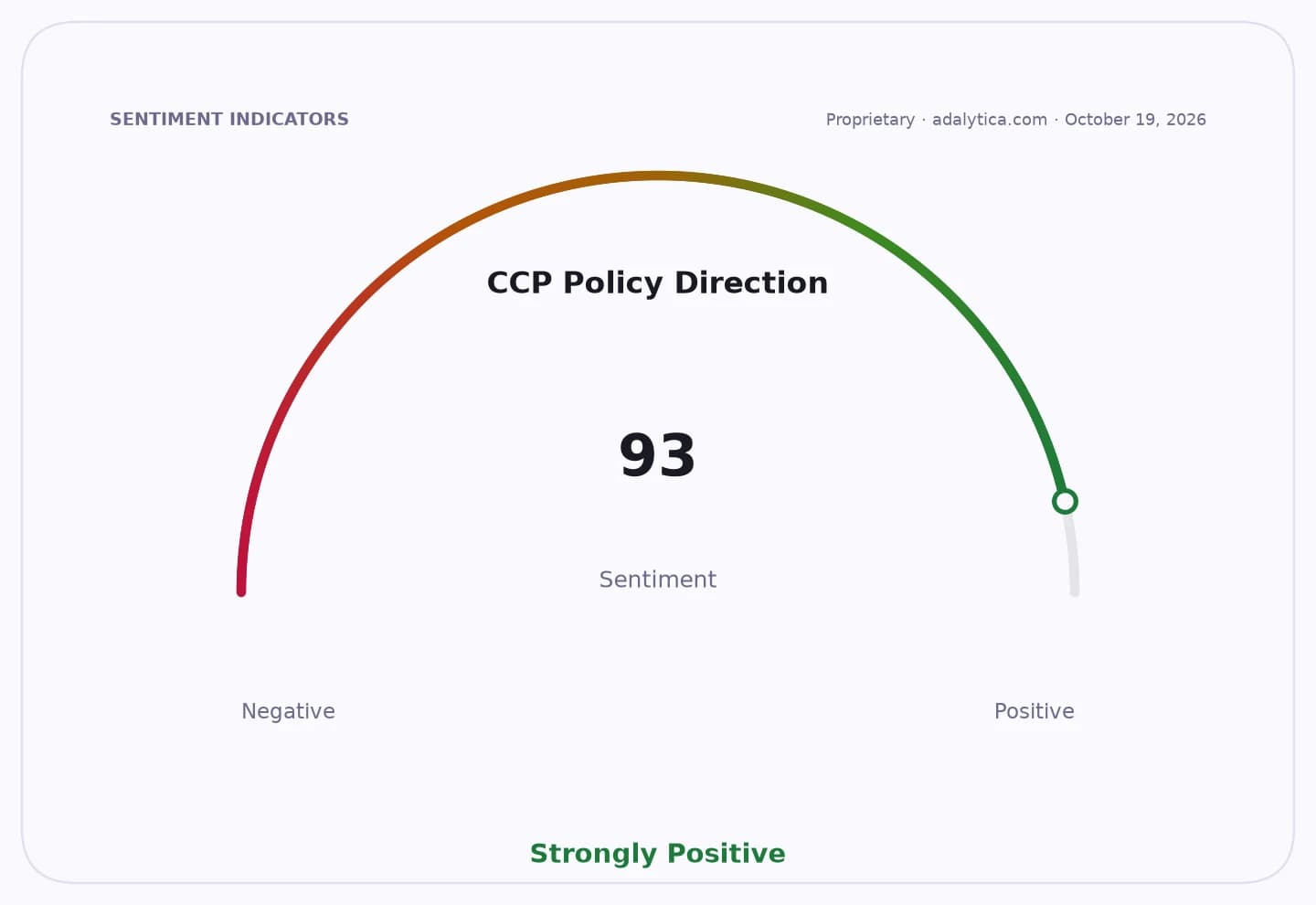
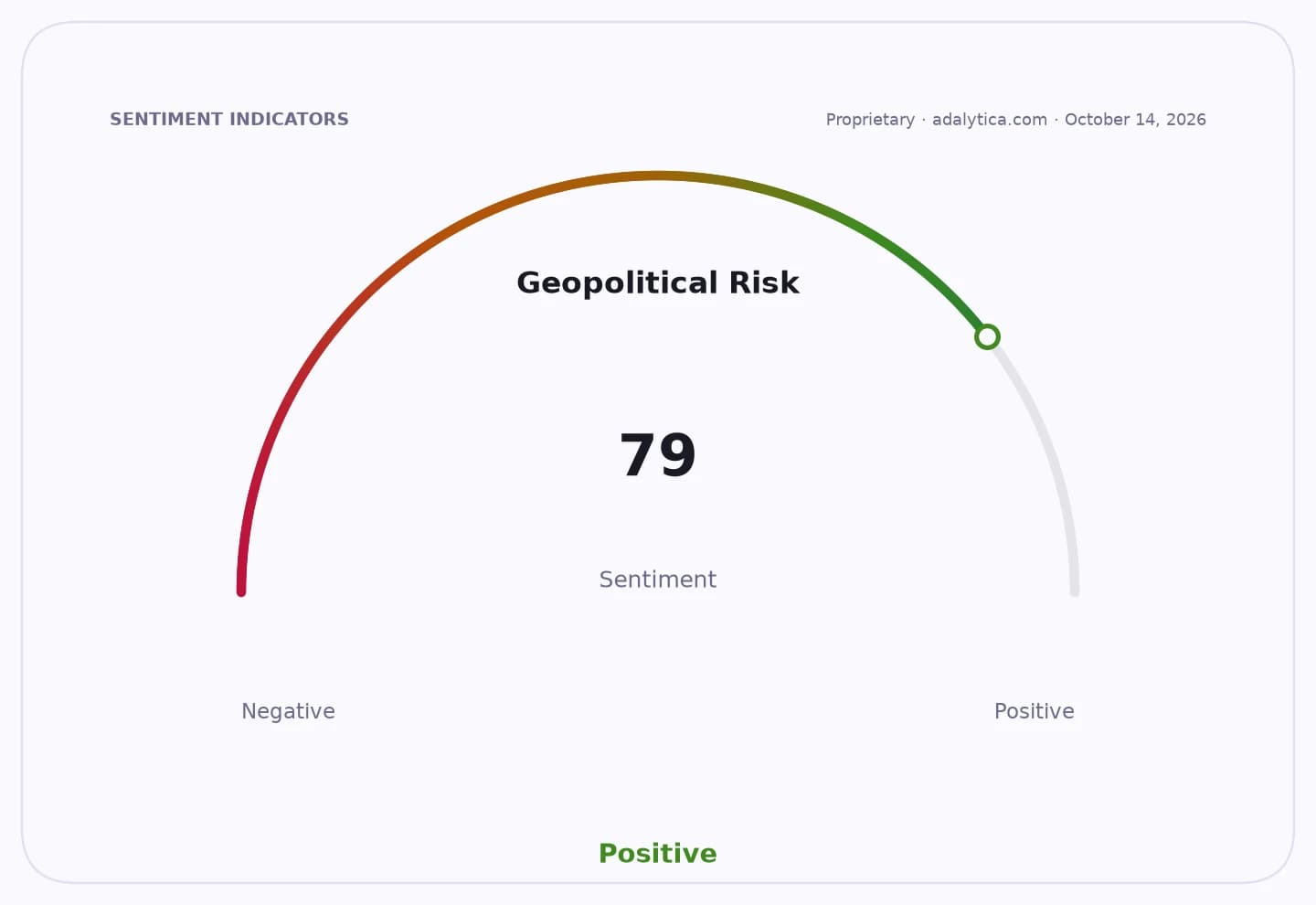
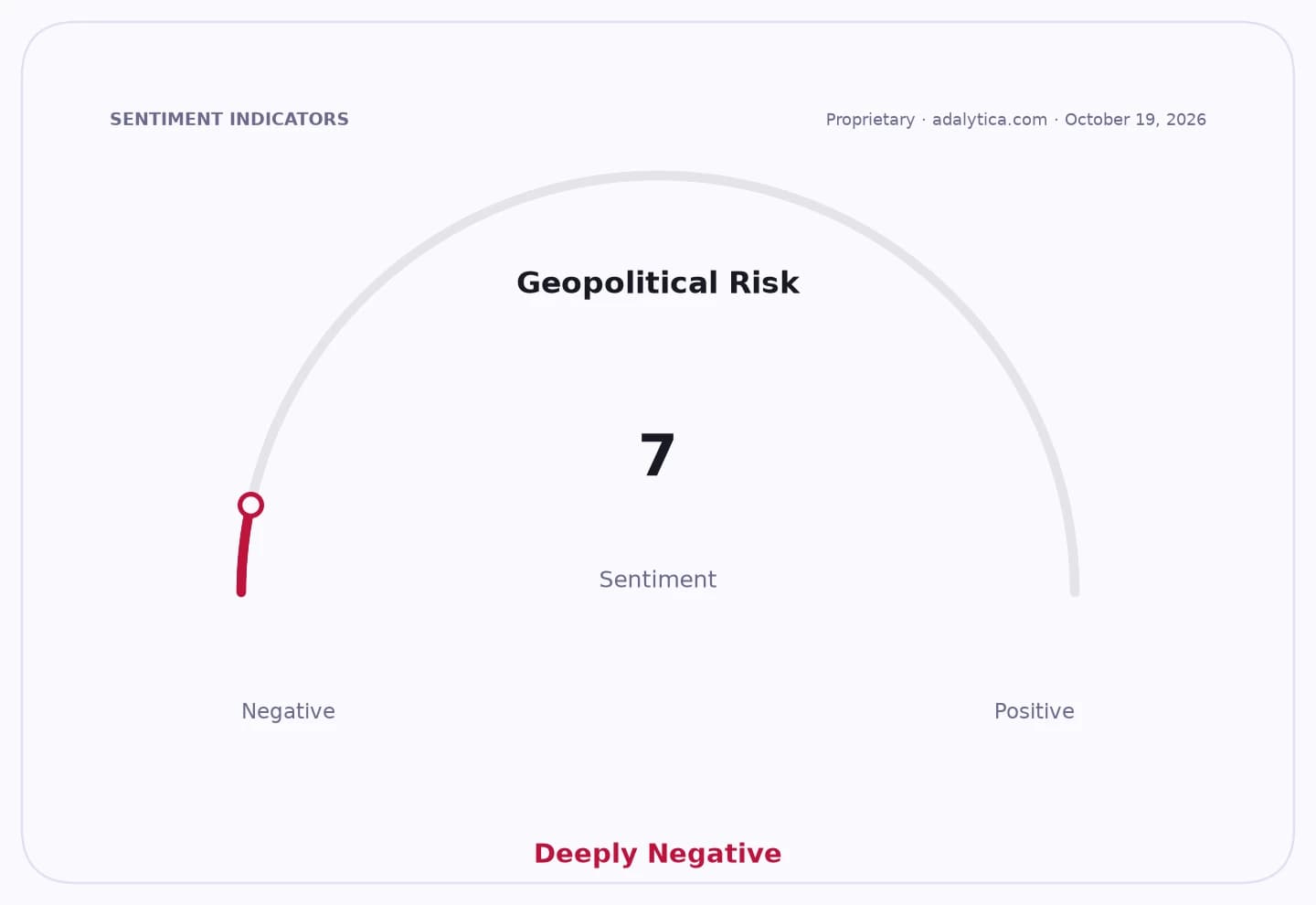
Sentiment IndicatorsⓘProprietary · adalytica.com · October 18, 2026
This is a snapshot — live sentiment, awareness and momentum for 130+ markets update continuously in the dashboard.Open AlphaPulse
According to the China Public Diplomacy Association, the event will gather politicians, think tanks, academics, companies, media and youth groups, with particular attention on delegates tied to the United Nations, climate policy, artificial intelligence and multilateral trade. Chinese leaders are expected to attend the opening and deliver keynote speeches alongside foreign officials and international organization representatives.
The forum will feature one opening ceremony, plenary remarks, 22 seminars across five thematic tracks and side events. The agenda is broad but strategically pointed: defending the UN-centered international system, expanding development cooperation, reforming economic and financial rules, and setting norms for AI, networks and outer space.
For investors, that mix is important because governance is increasingly a capital-allocation story. AI regulation, cross-border data rules, sanctions, trade architecture and financial reform all affect which industries scale fastest and where money gets deployed. Beijing is signaling that it wants a bigger say over those standards, which could support Chinese technology champions, state-backed infrastructure plays and firms linked to digital policy, while complicating the outlook for companies reliant on open-market access and uniform global rules.
The inclusion of 180 Chinese participants and visits to flagship projects in the Xiong’an New Area also underscores the domestic industrial angle. Xiong’an remains a showcase for China’s urban planning and regional development strategy, and the forum gives Beijing a platform to connect its global messaging with its internal growth model.
The timing is notable. Chinese Foreign Minister Wang Yi first floated the forum in New York in May, and the event now arrives as geopolitical risk remains elevated and confidence in global coordination is weak. Adalytica’s Global Stability sentiment gauge sits in extreme fear territory, while its US-China relations tracker shows greed-like sentiment but with awareness still extremely low, suggesting markets are attentive to the rivalry but may be underpricing the policy implications of China’s diplomacy push.
The bigger trade for investors is not the forum itself but the direction of travel: Beijing is trying to reposition China as a rule-maker, not just a rule-taker. That is a long-duration theme with implications for defense, AI infrastructure, telecoms, rare earths, shipping, and any sector exposed to fragmentation in global governance. The market tends to underestimate how quickly diplomatic forums can translate into regulatory alignment, procurement priorities and cross-border investment flows.
The actionable takeaway is clear: watch the companies and ETFs tied to AI infrastructure, sovereign digital systems, strategic manufacturing and Asia-facing capital goods. If China succeeds in broadening support for its governance agenda, the beneficiaries will be the firms that sit closest to the new standards being written.
| Entity | Gains | Losses |
|---|---|---|
| China / Xi Jinping agenda | ▲Global influence, rule-setting power | ▼Western policy leverage |
| Chinese tech and infrastructure firms | ▲Policy support, standards access | ▼Foreign competitors |
| Multilateral institutions / UN-linked actors | ▲More engagement, funding | ▼Fragmentation if consensus fails |
| Western exporters and platform companies | ▲— | ▼Higher compliance and geopolitical risk |