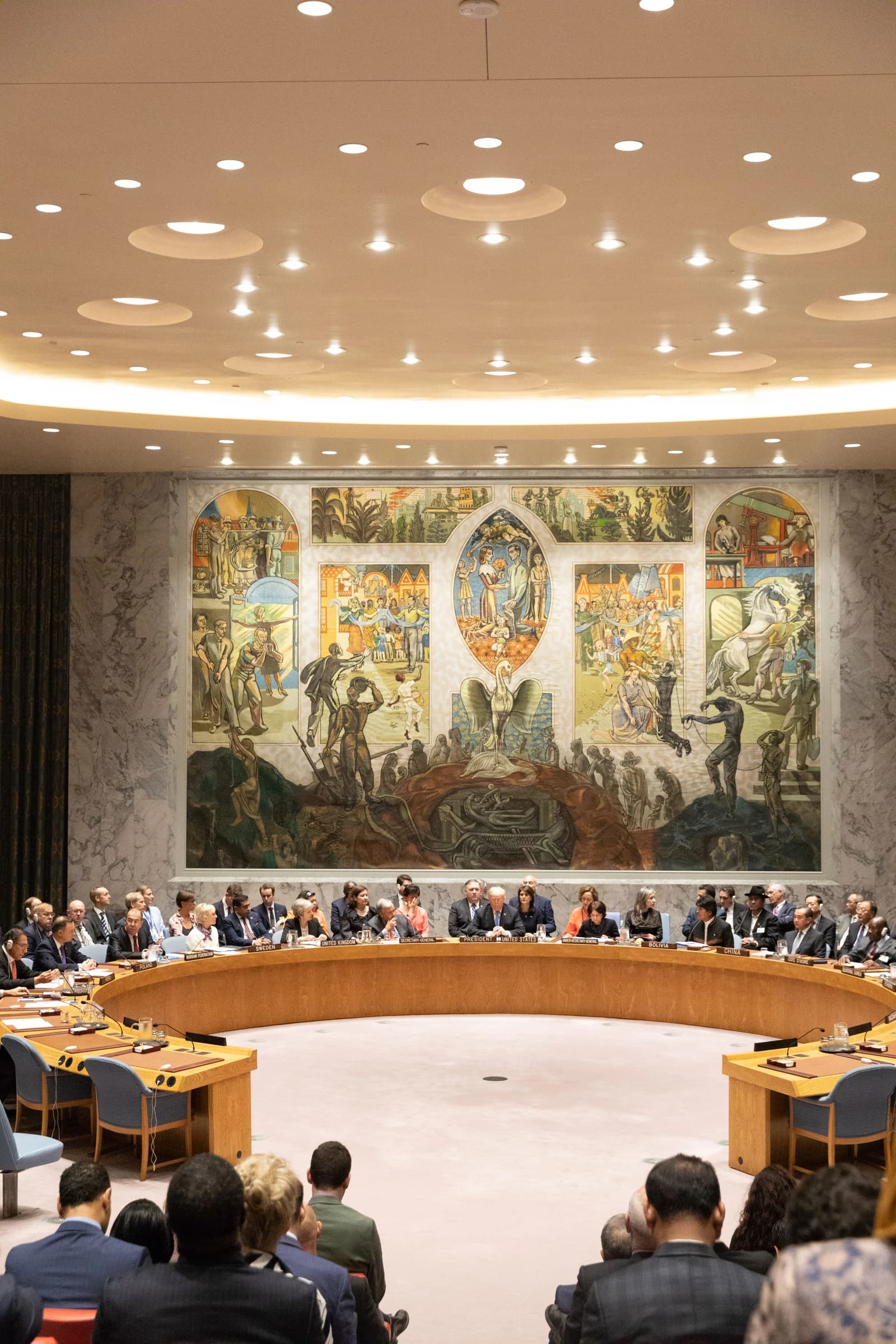
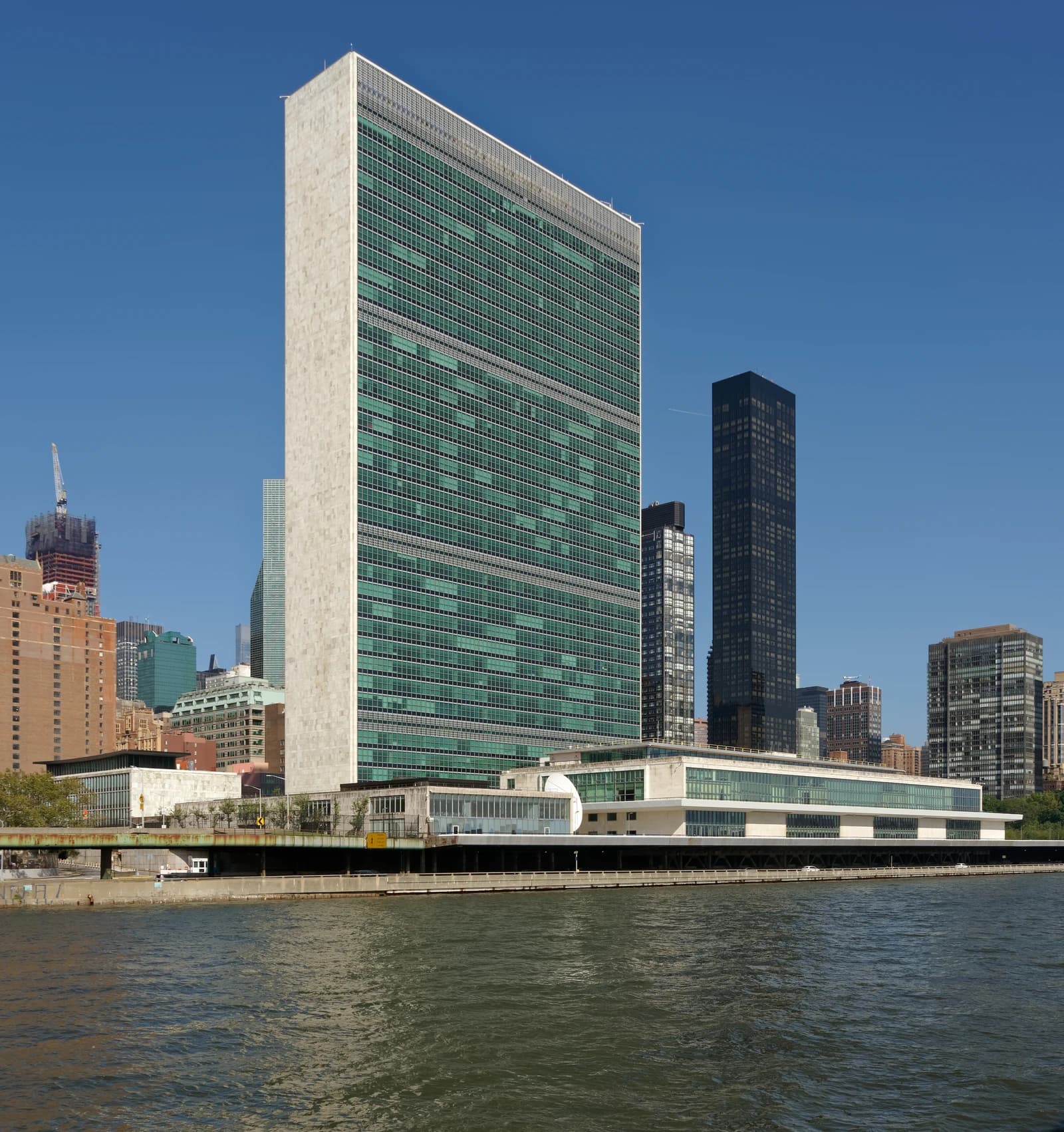
The UN General Assembly opens this week under pressure from wars in Gaza, Ukraine, Iran, Sudan, Congo and Myanmar, with leaders also confronting the accelerating advance of artificial intelligence, climate stress and rising economic disruption.
UN General Assembly Opens Under Global Conflict Pressure
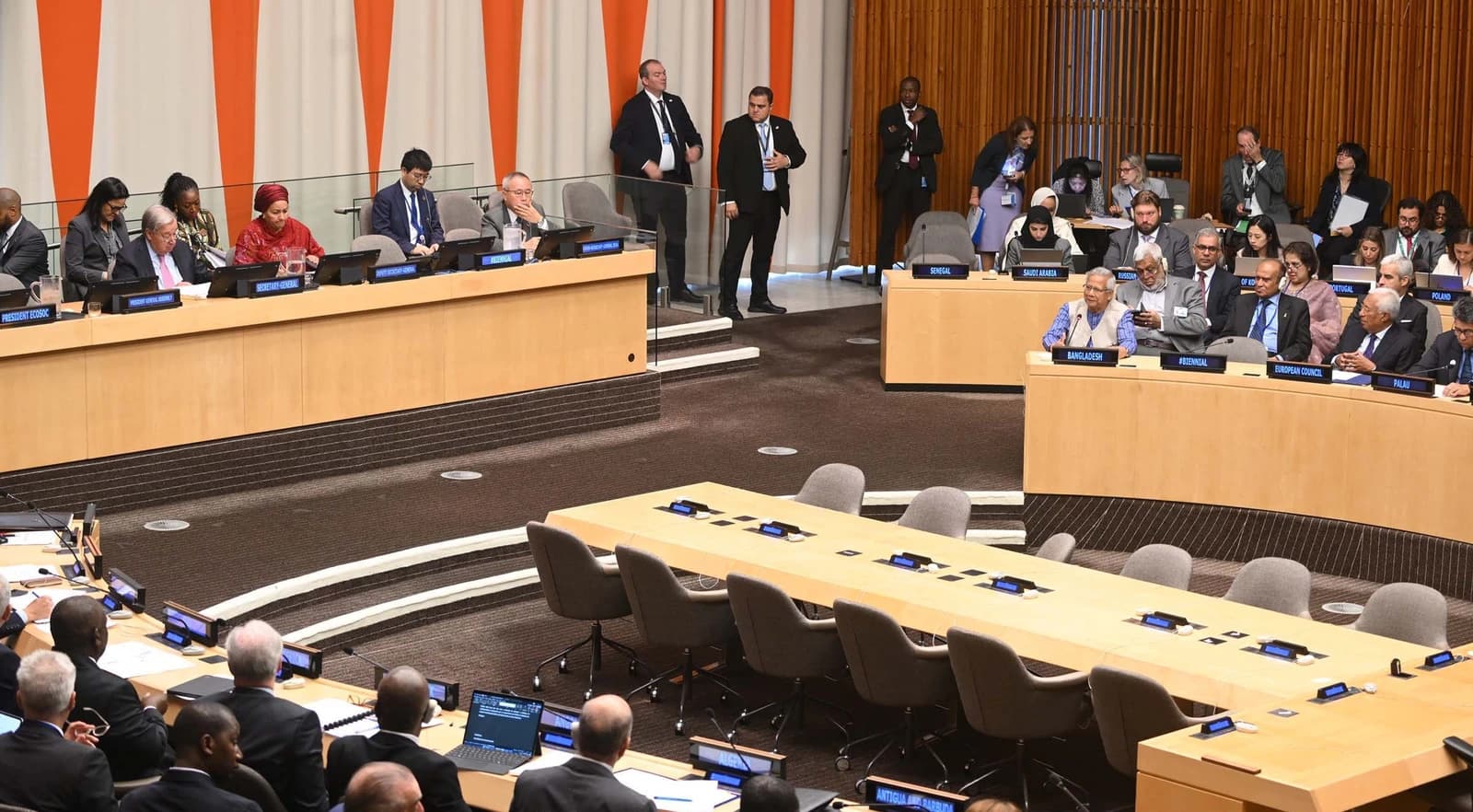
The annual high-level gathering, expected to draw about 130 heads of state and government plus dozens of ministers, has become a test of whether multilateral diplomacy can still produce coordination at a time when the international system is increasingly fragmented. The stakes are not diplomatic theater alone: prolonged conflicts and supply-chain disruption continue to feed inflation, reshape trade routes and keep energy, food and shipping costs volatile.
Sentiment IndicatorsⓘProprietary · adalytica.com · September 26, 2026
This is a snapshot — live sentiment, awareness and momentum for 130+ markets update continuously in the dashboard.Open AlphaPulse
That makes this year’s assembly economically significant well beyond the UN’s own walls. When major powers fail to coordinate on wars, sanctions, maritime security or climate policy, the effect is felt in freight rates, commodity markets and corporate planning. The context is particularly sensitive because the world is already wrestling with elevated policy rates and stubborn prices: US consumer prices remain far above pre-pandemic levels, and the 10-year Treasury yield is hovering around 5.2%, a reminder that investors are still pricing a higher-for-longer financing environment into risk assets.
Artificial intelligence is the new policy fault line. The UN has added a high-level AI meeting to the Security Council’s agenda on Wednesday, after three leading AI executives warned days earlier that the technology could slip beyond human control and called for a pause. President Donald Trump dismissed those warnings and framed rapid AI development as a strategic race with China, underscoring the split between safety-first regulation and geopolitical competition. For investors, that debate matters because AI spending is increasingly capital intensive and politically exposed, with regulation shaping cloud demand, model deployment and cross-border data flows.
Markets are already treating AI as both growth engine and source of concentration risk. Microsoft, Nvidia and Alphabet have all rallied sharply in recent sessions, with Microsoft closing at $516.17 and Nvidia at $225.07, while Alphabet has also stabilized near $343.92. The moves suggest investors still favor the largest platforms and chip suppliers, but they also highlight how much optimism is embedded in the trade. Microsoft’s latest filings warn that AI regulation, including the EU AI Act, could raise costs and constrain services, while Nvidia disclosed $36 billion of commitments tied to supply and capacity needs, a sign that demand remains strong but execution risks are rising.
The geopolitical backdrop is less forgiving. Israeli Prime Minister Benjamin Netanyahu is due to speak Thursday, while Palestinian President Mahmoud Abbas will address the assembly by video after the United States denied him a visa. Ukrainian President Volodymyr Zelensky is set to attend on the same day the Security Council holds its Ukraine session, and Iranian President Masoud Pezeshkian is also scheduled to speak. Chinese President Xi Jinping, Russian President Vladimir Putin and Indian Prime Minister Narendra Modi will all be absent, a reminder that the forum still brings together the world’s leaders but not necessarily the states most central to the conflicts discussed.
The absence of some of those leaders matters because it limits the chance of face-to-face de-escalation at a time when the diplomatic system is under strain. The UN is coping with financial pressure after US arrears forced reductions in peacekeeping and humanitarian operations, though Washington recently paid $725 million toward its regular budget and avoided losing its vote in the General Assembly. That payment removes one immediate source of institutional crisis, but not the broader question of whether the organization can still influence events it was created to manage.
For investors, the assembly is less about policy communiqués than about the durability of the global operating environment. Escalating conflicts can prolong shipping bottlenecks, lift insurance costs and complicate commodity pricing. Climate discussions matter because extreme weather and adaptation spending are becoming direct budget items for governments and corporates. AI governance will help determine whether the next leg of capital spending is rewarded by productivity gains or slowed by compliance costs and political backlash.
The market message from the week is that neither the geopolitical order nor the AI boom is settled. The bull case is that the largest US technology companies can keep compounding earnings even as regulation tightens, while the bear case is that wars, fragmentation and policy intervention erode margins and raise the cost of capital. What emerges from New York will not resolve those tensions, but it will show whether governments still have the appetite to manage them collectively.
| Entity | Gains | Losses |
|---|---|---|
| UN / multilateral system | ▲renewed relevance | ▼credibility from deadlock |
| US tech giants | ▲AI policy clarity if rules stay light | ▼compliance costs and scrutiny |
| China / Russia / Iran / conflict states | ▲diplomatic visibility | ▼pressure for concessions |
| Global exporters / shippers | ▲clearer trade lanes if tensions ease | ▼higher freight and insurance costs |