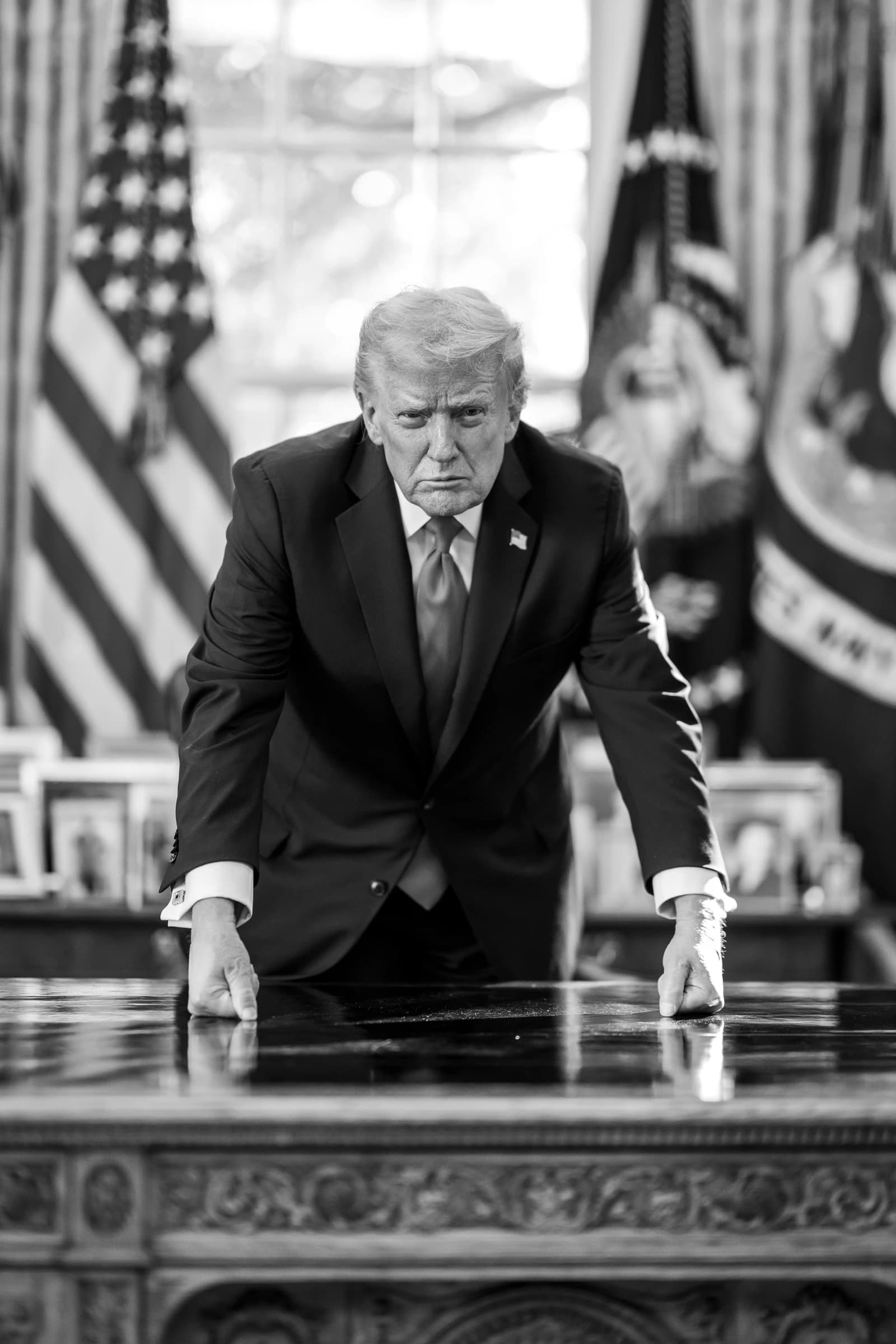
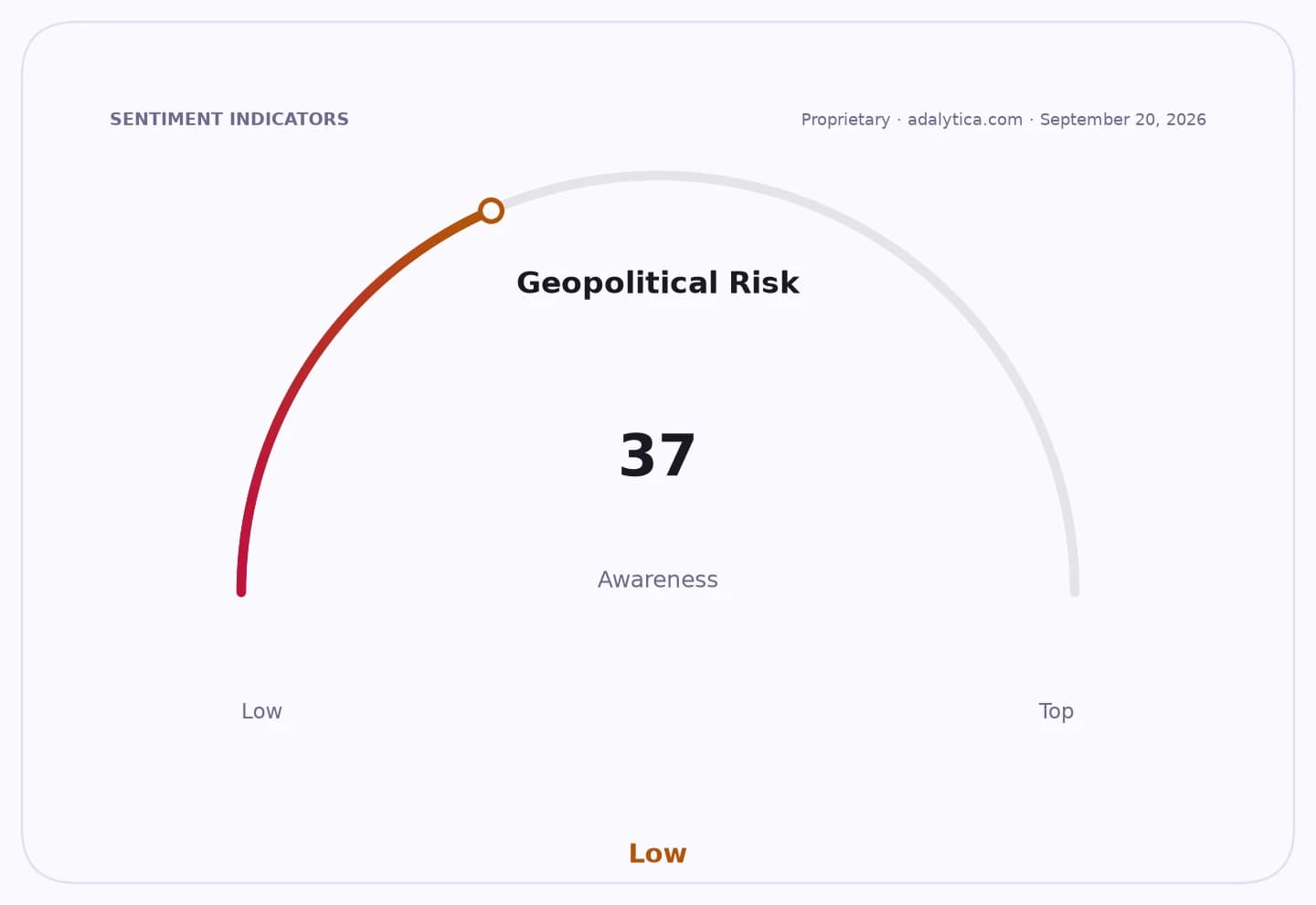
President Donald Trump said Iran will reach an agreement after the U.S. midterms and said artificial intelligence in the United States will be called “superintelligence,” underscoring how his administration is tying geopolitics, technology and market policy into a single message that could move energy, defense and AI stocks.
Trump Iran remarks and AI policy watch

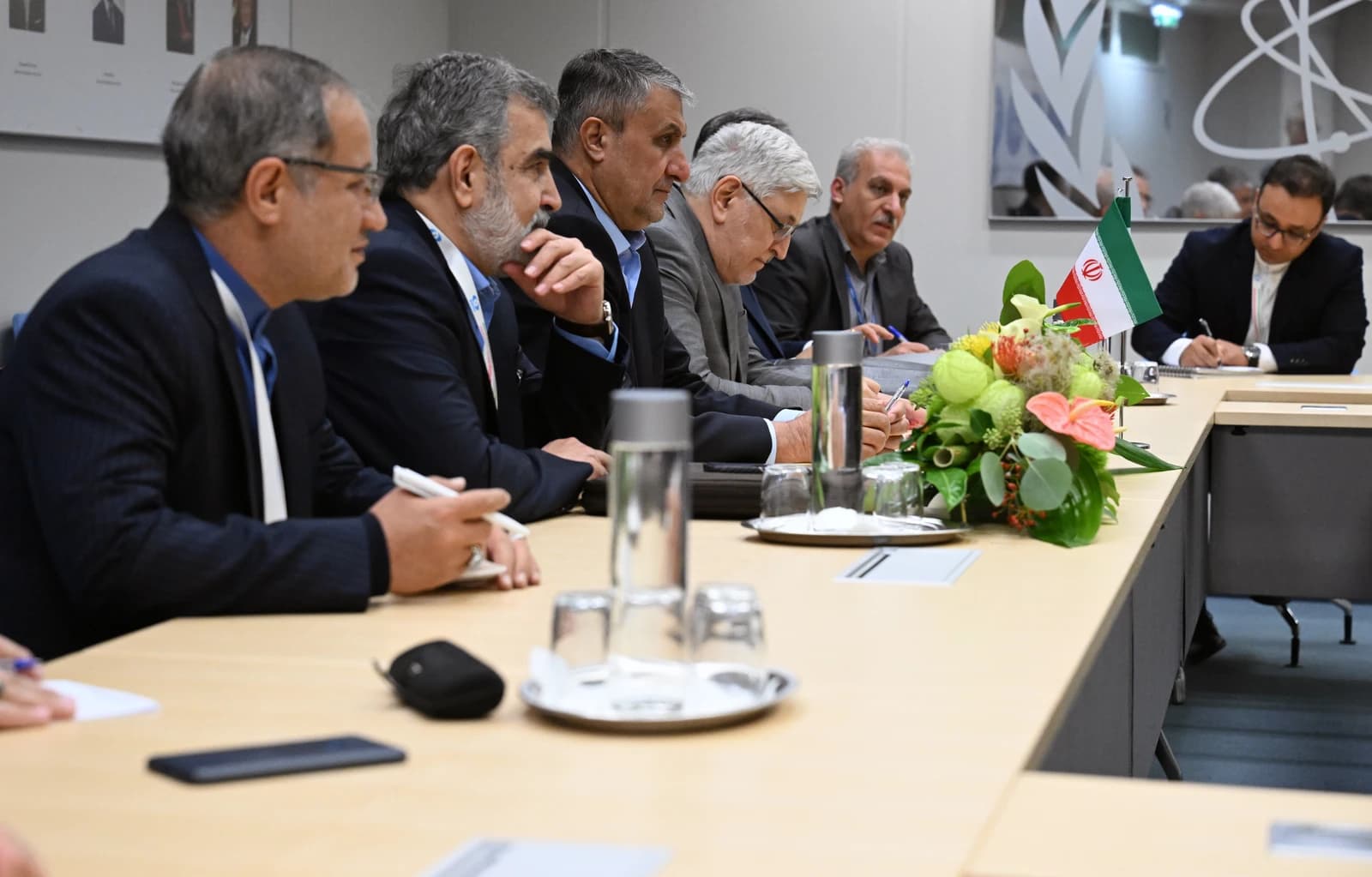
The remarks matter economically because any thaw with Iran could alter sanctions risk, crude flows and regional security premiums, while Trump’s framing of AI points to a more aggressive U.S. push on the sector at a time when investors are already betting heavily on data centers, chips and power demand. Markets tend to react first to any change in Iran risk, then to any policy shift that changes the pace or profitability of AI spending.
Sentiment IndicatorsⓘProprietary · adalytica.com · September 27, 2026
This is a snapshot — live sentiment, awareness and momentum for 130+ markets update continuously in the dashboard.Open AlphaPulse
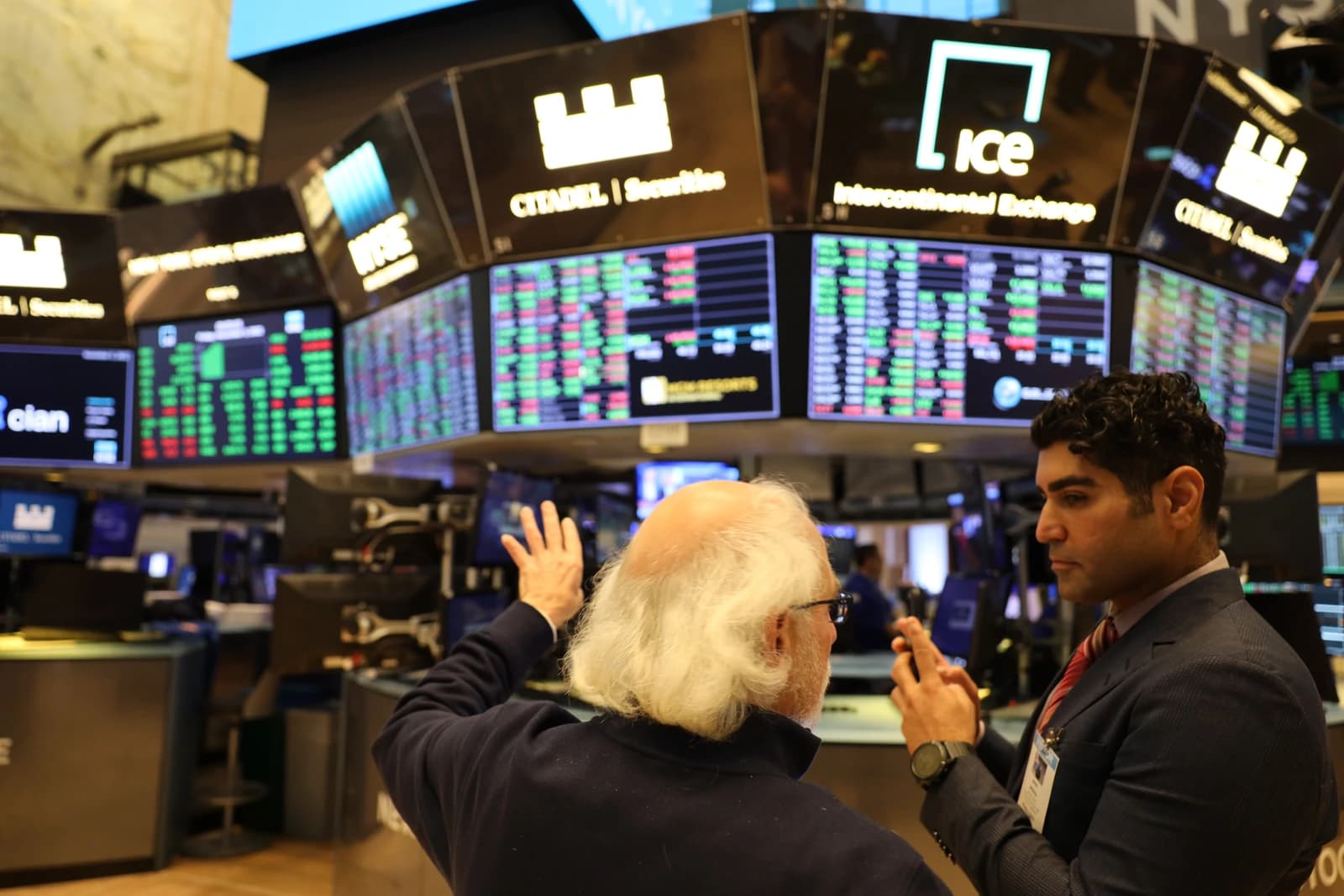
That backdrop helps explain why broad equity sentiment remains firm even as technical indicators point to a selective market. The SPY ETF closed at 771.35 on Sept. 25, above its 50-day moving average of 759.91 and well above the 200-day average of 714.84, with RSI at 52.5, a sign of a market that is still constructive but not stretched. Adalytica’s S&P 500 trade-signal snapshot also shows neutral sentiment at 67 and awareness at 52.
The dollar looks less comfortable. The USD gauge on Adalytica shows “Extreme Fear” in awareness, with sentiment at 55 and a 45-point drop over seven days, suggesting traders are watching for policy and geopolitical shifts that could weaken the greenback if risk appetite improves or sanctions pressure eases. Gold, by contrast, remains in a holding pattern: GLD ended at 393.41, below its 50-day moving average of 395.43 and still under its 200-day average of 416.44, indicating investors have not yet rushed into a classic geopolitical hedge.
The AI message is also feeding a market already crowded with earnings and policy expectations. Adalytica’s Microsoft earnings sentiment is 64, with awareness at 57, while Nvidia’s earnings sentiment is still in fear territory at 30, showing investors continue to separate software beneficiaries from the chipmakers and infrastructure names that must justify enormous capital spending.
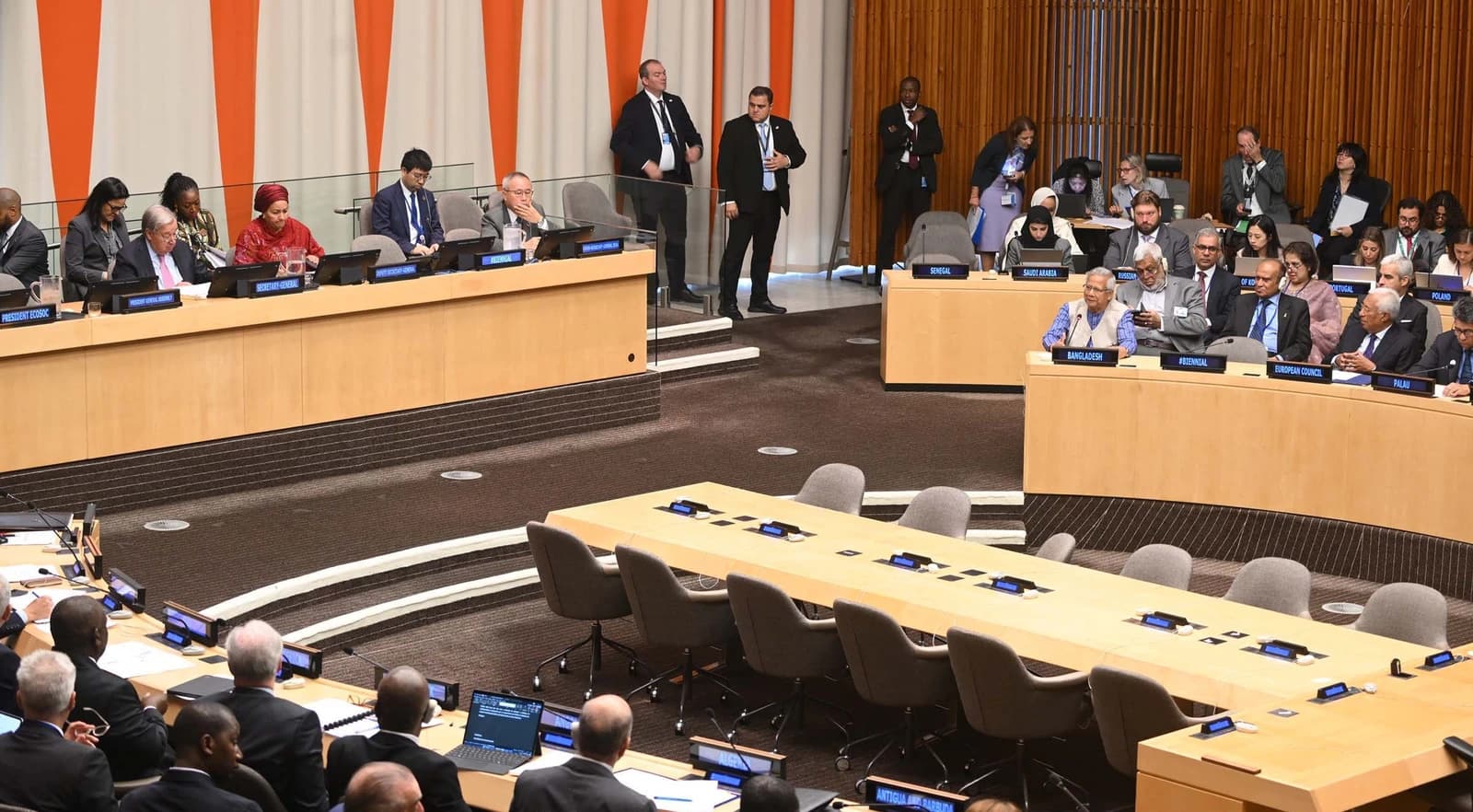
For investors, the key question is whether Trump’s UN remarks are a preview of a broader policy reset or just campaign rhetoric wrapped around two markets that have already moved a lot. Any credible opening with Iran would hit oil, airlines, defense and EM assets; any concrete AI policy push could keep lifting semis, cloud leaders and utilities tied to power demand. The next catalysts are further U.S.-Iran talks, any sanctions guidance, and fresh comments on AI regulation or federal support.
| Entity | Gains | Losses |
|---|---|---|
| Iran | ▲Sanctions relief hopes | ▼Isolation and oil export limits |
| U.S. risk assets | ▲Easier geopolitical backdrop | ▼Safe-haven inflows |
| AI leaders | ▲Policy tailwind and capital spending | ▼Regulatory uncertainty |
| Oil/defense buyers | ▲Lower risk premium | ▼Higher-cost hedge demand |