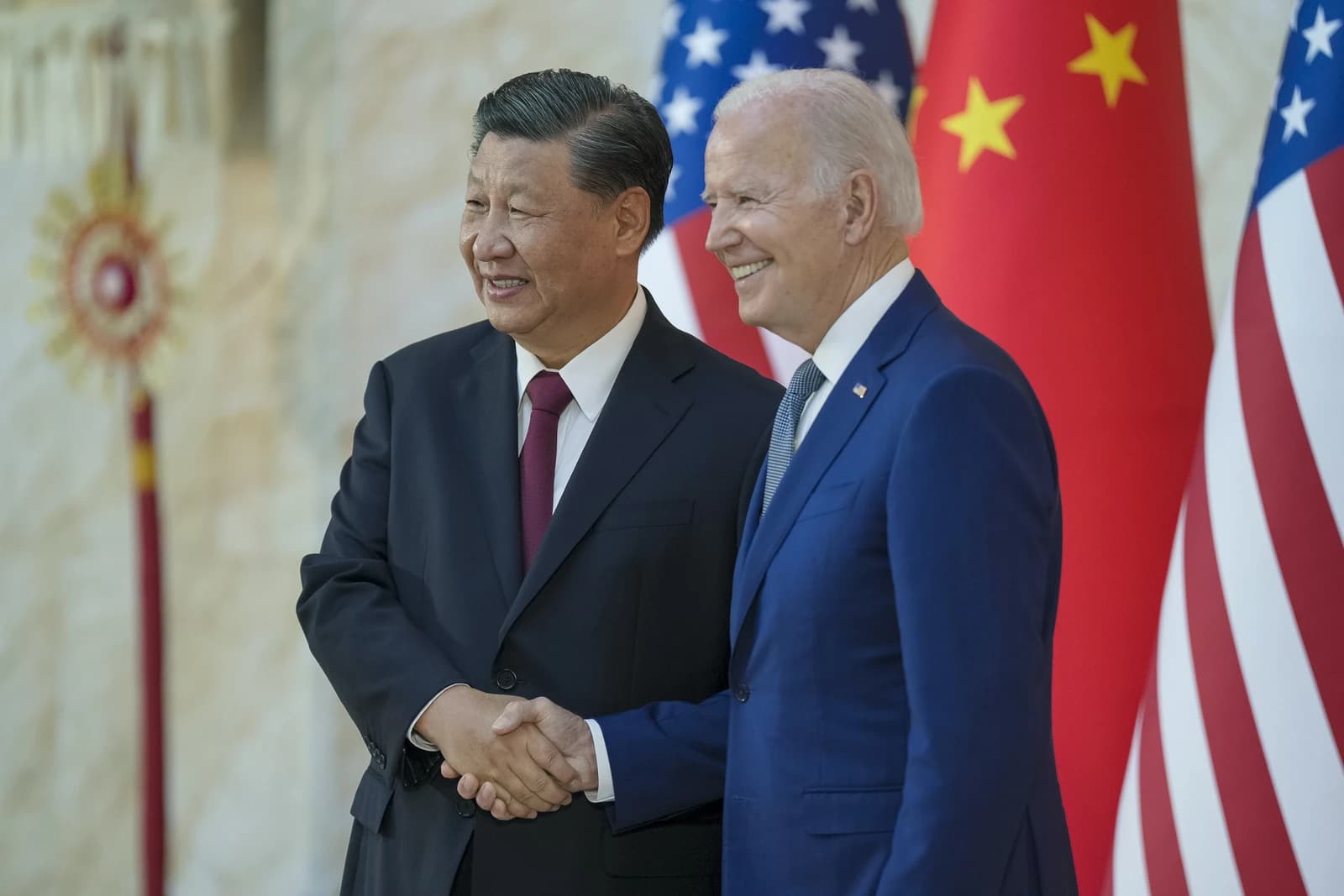
China’s decision to put forward a candidate for the next World Health Organization director-general is a signal that Beijing wants to shape the post-2027 global health order just as Washington retreats from multilateral institutions.
China WHO Director-General Nomination
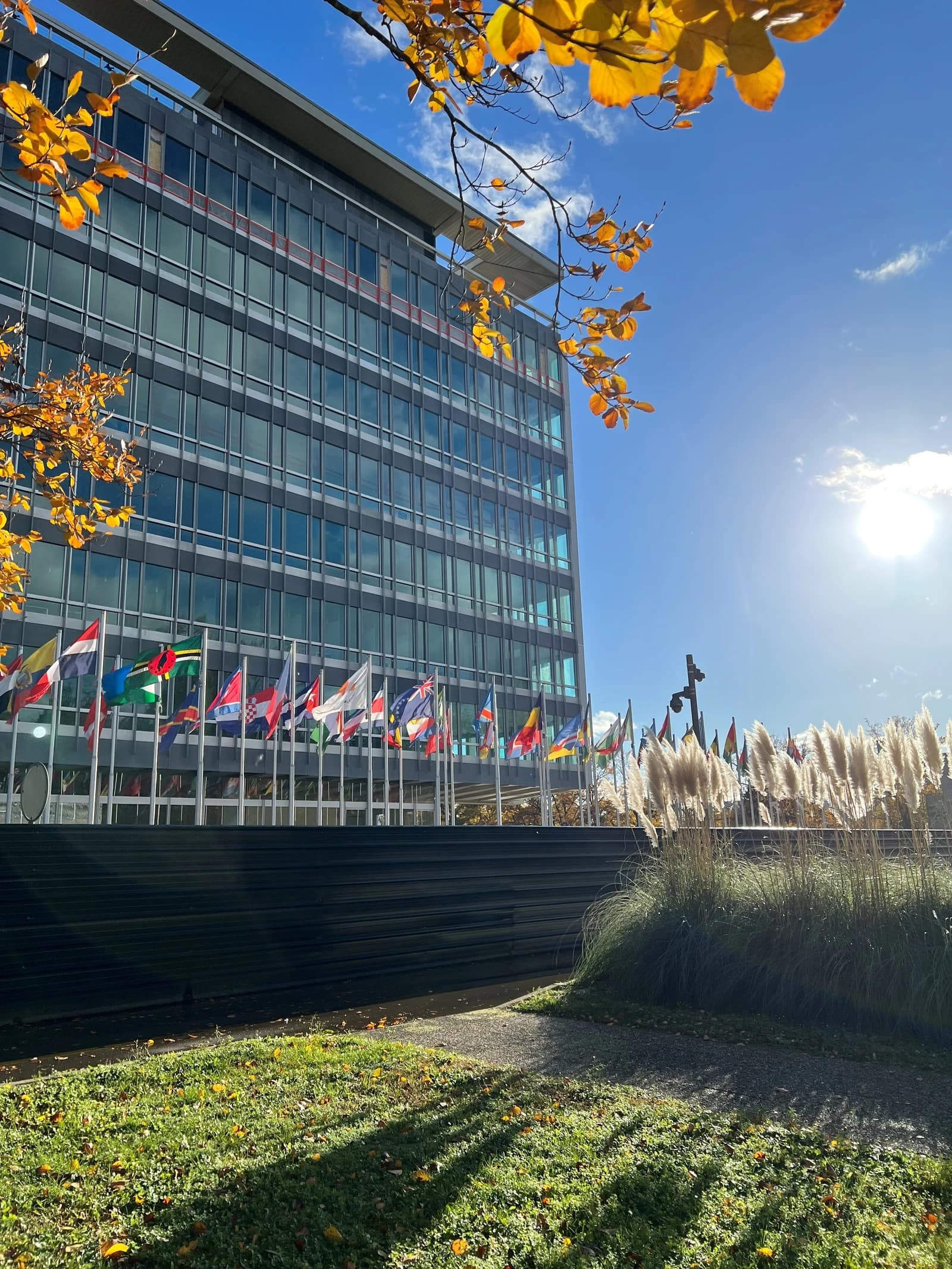
The move matters well beyond the WHO itself because leadership at the Geneva-based agency has become a proxy for broader influence over global rule-setting, public health coordination and diplomatic legitimacy. With the Trump administration having said it will exit the WHO, China sees an opening to present itself as a defender of international cooperation at a time when the U.S. is ceding ground in one of the world’s most visible multilateral forums.
Sentiment IndicatorsⓘProprietary · adalytica.com · October 9, 2026
This is a snapshot — live sentiment, awareness and momentum for 130+ markets update continuously in the dashboard.Open AlphaPulse
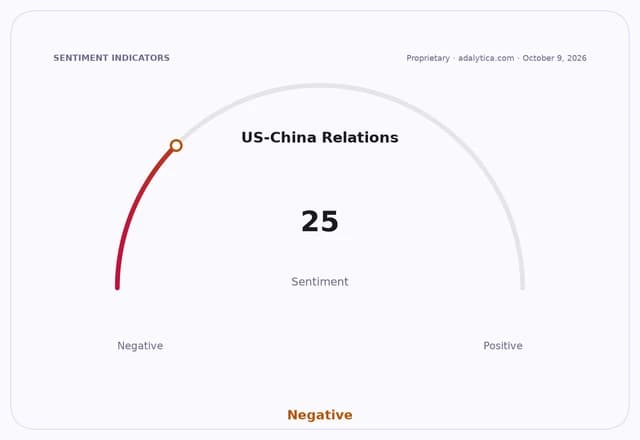
Beijing said the nomination reflects its “unwavering support” for multilateralism. Chinese media identified the nominee as Song Li, 52, an official from the All-China Women’s Federation who has also worked on women’s and children’s health issues at the National Health Commission. The current director-general, Tedros Adhanom Ghebreyesus, is due to finish his term in August 2027, with the successor to be chosen at the WHO assembly in May that year.
The candidacy also underscores how the WHO remains a venue for geopolitical competition, not just technical health policy. China and the WHO have had tensions over the handling of Covid-19, but Beijing appears to be betting that its participation in the contest will help rehabilitate its image as a responsible stakeholder while expanding its diplomatic reach among developing countries that rely heavily on WHO programs and funding.
For investors, the immediate market impact is limited, but the broader implications are not. A stronger Chinese role in multilateral institutions could influence future standards on pharmaceuticals, medical supply chains, pandemic preparedness and global health financing — all areas with knock-on effects for multinational healthcare companies, emerging-market sovereigns and cross-border industrial supply chains. At the same time, U.S. disengagement raises the risk of more fragmented global governance, which can add policy uncertainty for firms exposed to international regulation and procurement.
The contest now shifts to coalition-building. China is not the only country to field a candidate; Qatar, Belgium and Indonesia have also put names forward. That makes the campaign a test of whether Beijing can convert its institutional presence and diplomatic outreach into votes from WHO member states. If it succeeds, it would reinforce China’s narrative that the center of gravity in global governance is moving away from the West. If it fails, it would still mark another round in the contest over who defines the rules of global health.
| Entity | Gains | Losses |
|---|---|---|
| China | ▲Diplomatic influence | ▼None immediately |
| United States | ▲— | ▼Multilateral standing |
| WHO | ▲Broader attention | ▼More geopolitical pressure |
| Multinational healthcare firms | ▲Policy clarity if cooperation rises | ▼Higher regulatory fragmentation |