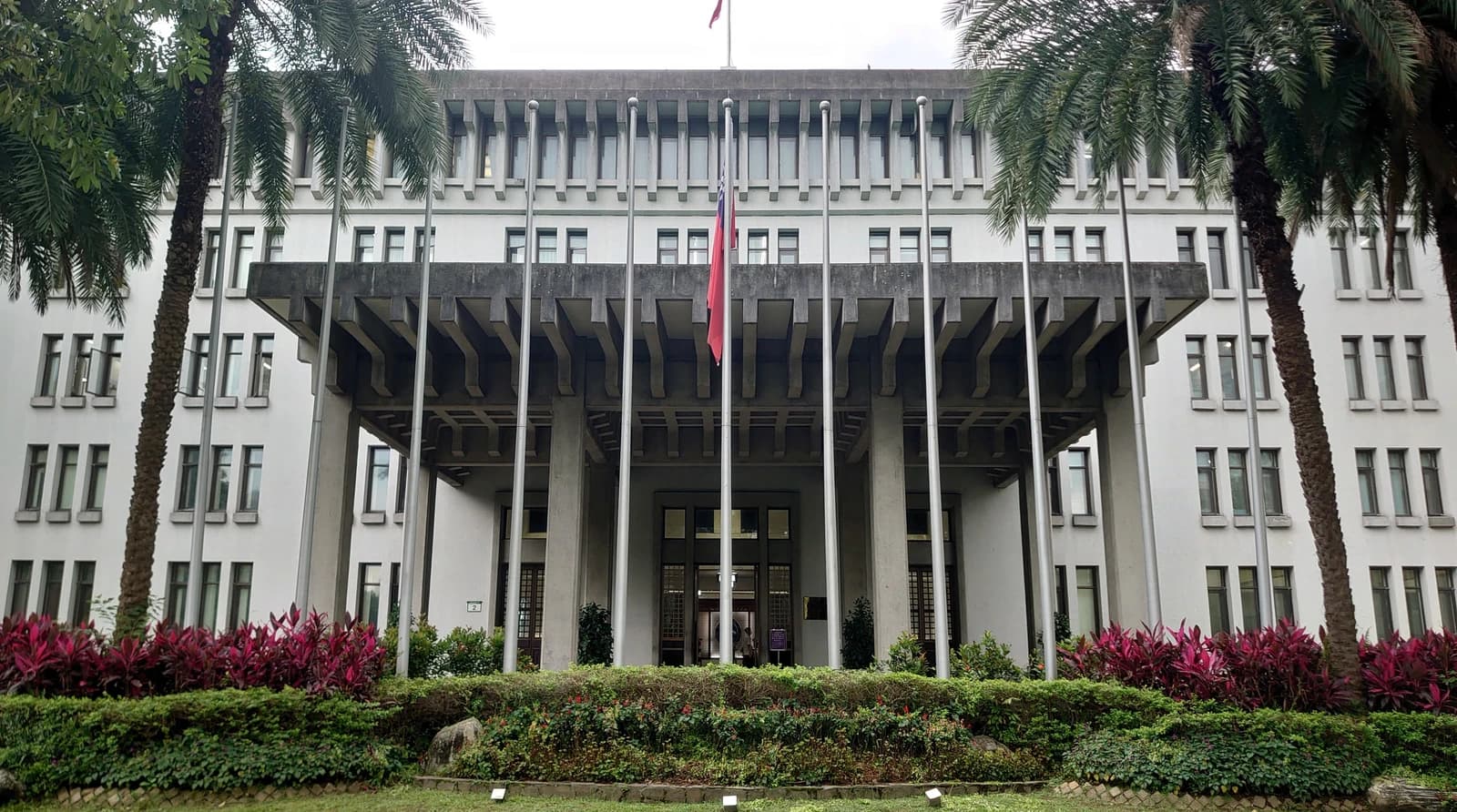
China has pushed back sharply against human rights criticism from six countries at the United Nations, turning the debate into a broader defense of its political model, security policies and economic record as tensions with Western governments deepen.
China defends human rights record at UN
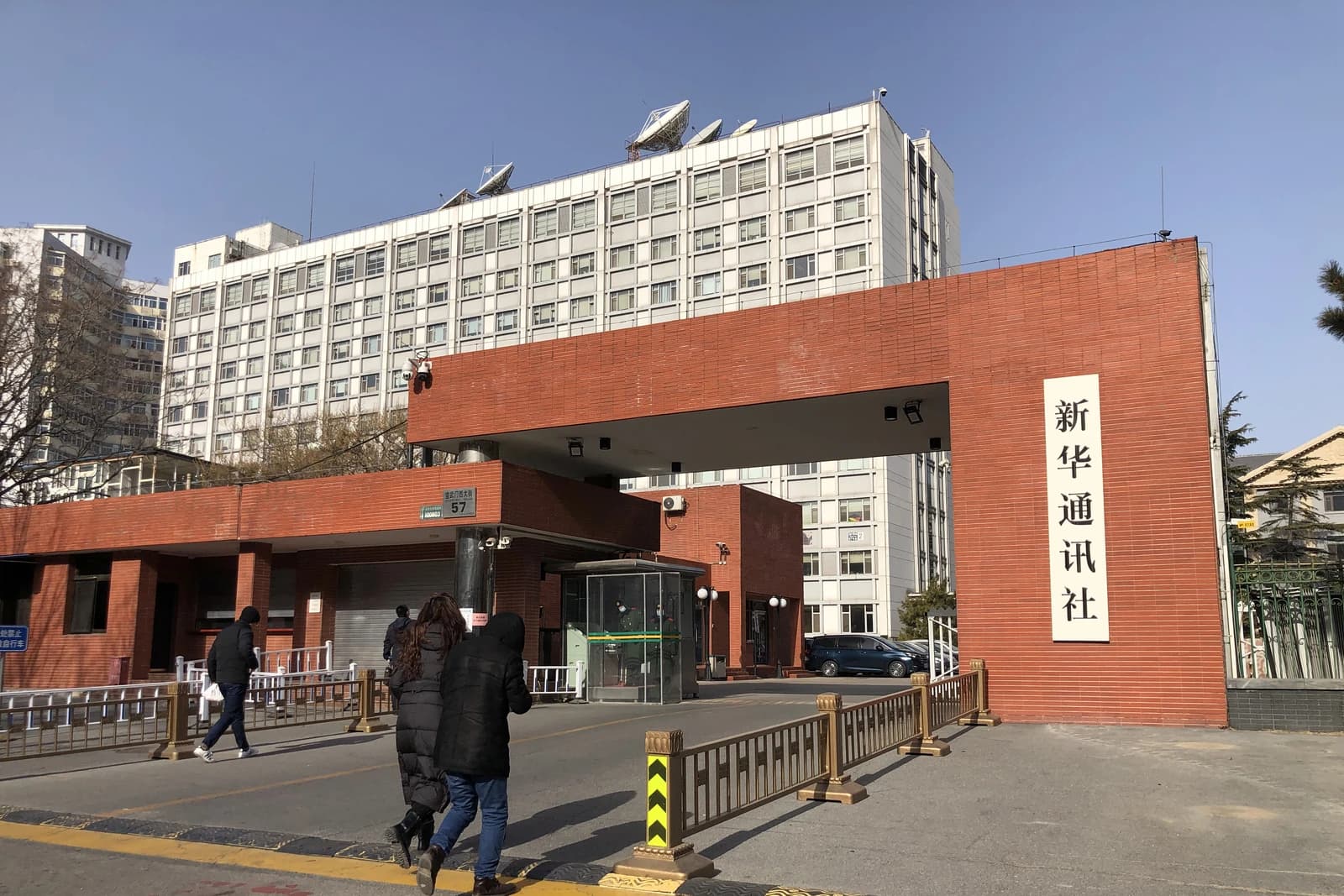
The response matters because human rights disputes are now feeding directly into the wider China risk premium for investors, shaping views on sanctions, trade frictions and the durability of multinational exposure to the world’s second-largest economy. China used the UN forum to argue that development, social stability and poverty reduction outweigh outside criticism, while accusing its detractors of politicizing the issue.
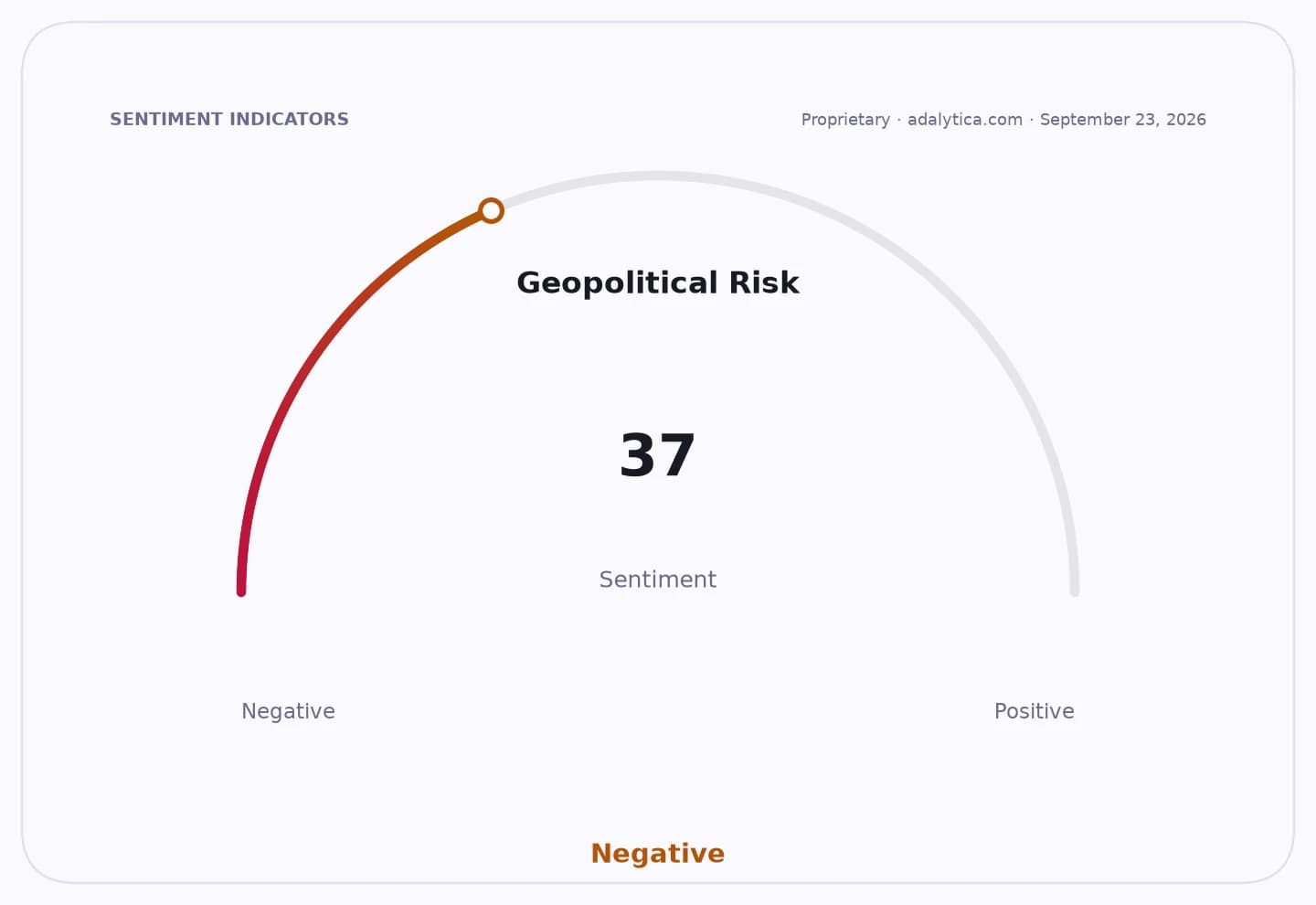
Sentiment IndicatorsⓘProprietary · adalytica.com · October 7, 2026
This is a snapshot — live sentiment, awareness and momentum for 130+ markets update continuously in the dashboard.Open AlphaPulse
According to Global Times, China’s deputy permanent representative to the UN, Sun Lei, rejected objections from the United Kingdom, Australia, Japan, Ireland, the Czech Republic and Lithuania during a General Assembly Third Committee debate. He said those governments had no authority to lecture Beijing and claimed they ignored their own domestic rights problems.
Sun framed China’s rights record around economic development, saying the country had lifted nearly 100 million people out of extreme poverty and built a middle class of more than 400 million. He contrasted that with poverty in the UK and Japan, and argued that China’s approach had improved living standards more effectively than Western criticism.
He also defended Beijing’s control over Hong Kong, saying the national security law restored order and created conditions for stability and prosperity. At the same time, he cited polling that he said showed falling trust in Western democracies, reinforcing Beijing’s argument that criticism of China comes from countries with their own governance problems.
The diplomat further pushed back on accusations over ethnic policy in Xinjiang and Xizang, saying China protects equal rights across groups and promotes ethnic unity. He accused Japan of failing to address discrimination against Ainu and Ryukyu communities, and linked racism and ethnic division in some Western countries to colonial legacies.
For investors, the immediate relevance is less about a market reaction than about policy risk. Beijing’s refusal to soften its line suggests continued pressure on China-linked assets from geopolitical scrutiny, especially where rights allegations intersect with supply chains, sanctions exposure and consumer backlash.
China also broadened the attack to foreign policy, accusing the same countries of selective outrage over Palestine, Iran and Cuba and of using human rights to justify interference and unilateral coercive measures. That framing signals Beijing is unlikely to moderate its position, even as it says it remains open to “constructive” dialogue.
With UN rights disputes continuing and bilateral tensions showing little sign of easing, the next catalyst will be whether Western governments escalate the issue further at multilateral forums or tie it more explicitly to trade and security policy.
| Entity | Gains | Losses |
|---|---|---|
| China | ▲Defends policy autonomy | ▼Faces continued scrutiny |
| Western critics | ▲Press Beijing publicly | ▼Exposed to counterattacks |
| Hong Kong authorities | ▲Security narrative strengthened | ▼Democratic criticism persists |
| Investors in China assets | ▲Clarity on policy stance | ▼Higher geopolitical risk premium |