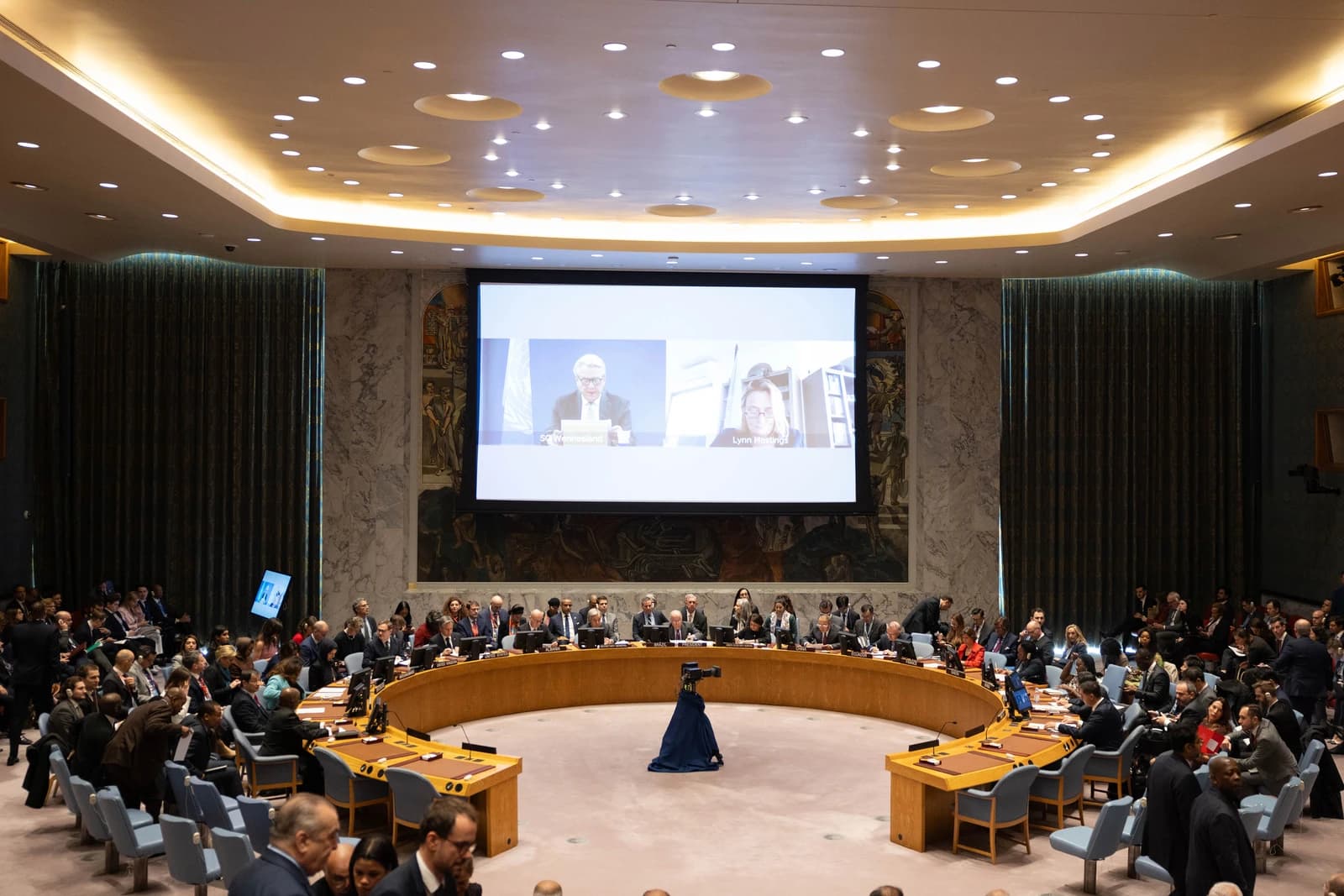
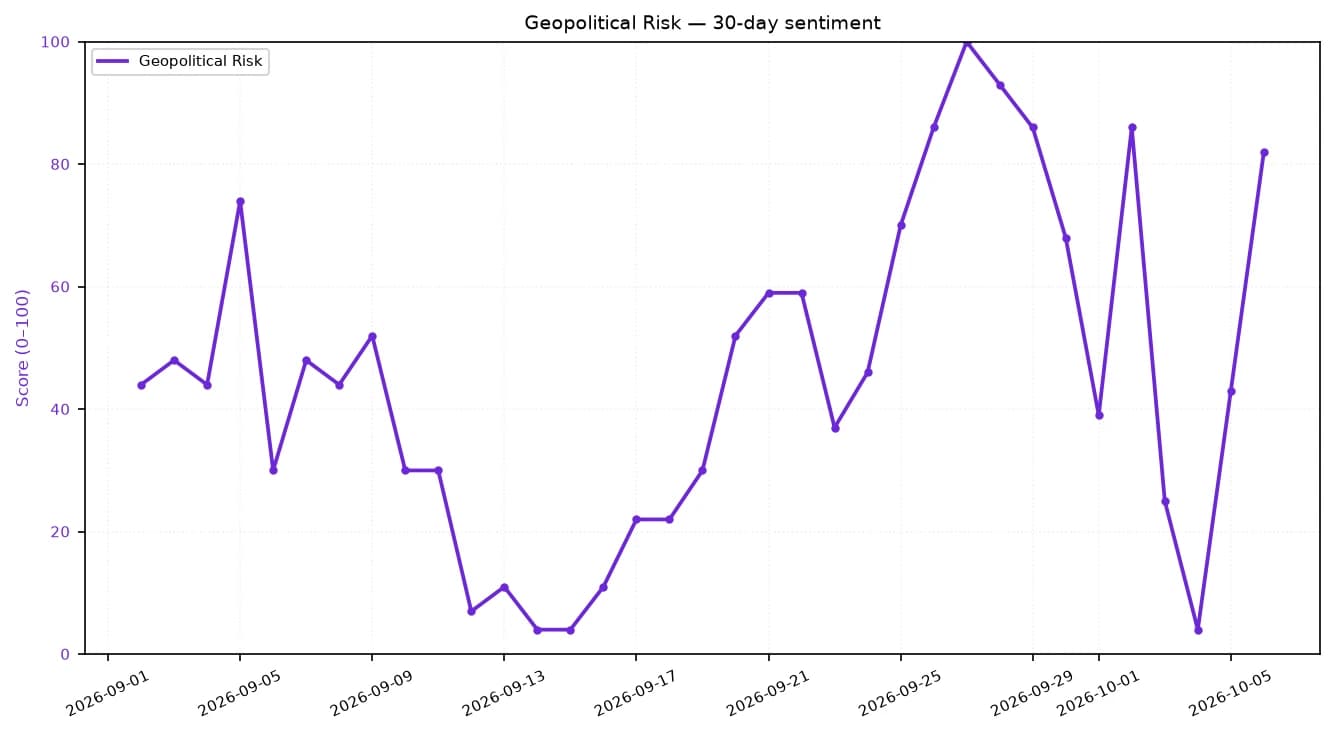
The Security Council is voting behind closed doors on the next UN secretary-general even though the United States and China have not agreed on a joint candidate, leaving the selection process in limbo and turning today’s ballot into a test of veto power rather than a decisive choice.
UN Security Council votes on next secretary-general
That matters because the post is one of the most consequential in multilateral diplomacy: whoever succeeds António Guterres will help shape the UN’s response to wars, sanctions, climate policy and development financing at a time when great-power coordination is already frayed. A prolonged contest also underscores how the Security Council’s permanent five members can block consensus even when a candidate has majority support, reinforcing the perception that the institution is more a venue for managing rivalries than resolving them.
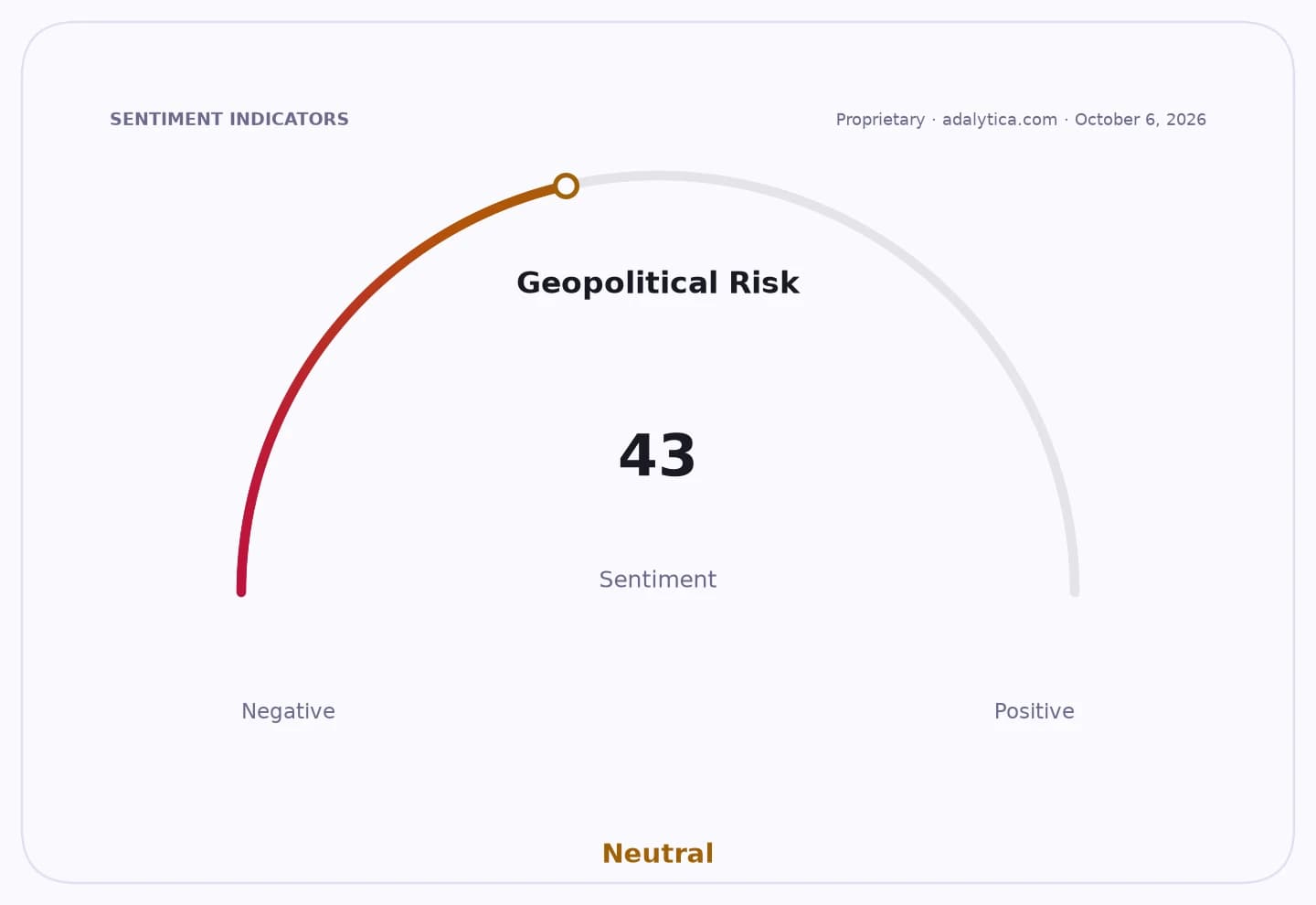
Sentiment IndicatorsⓘProprietary · adalytica.com · October 8, 2026
This is a snapshot — live sentiment, awareness and momentum for 130+ markets update continuously in the dashboard.Open AlphaPulse
The immediate market impact is limited, but the geopolitical signal is not. The absence of an agreement between Washington and Beijing means the race is being driven by cross-cutting veto calculations, not broad support among the 15-member council. That raises the odds of further rounds, quiet withdrawals and last-minute bargaining over who can survive opposition from the permanent members.
According to the latest secret ballot on Sept. 29, Costa Rica’s Rebeca Grynspan led with 10 votes in favor, but also drew three against, including what appears to have been a veto from a permanent member. Rafael Grossi, the Argentine nuclear safety chief, had eight votes for and seven against, while Guyana’s Carolyn Rodrigues-Birkett was stuck at eight support votes and six negatives, suggesting her ceiling may already be in sight. Olara Otunnu trailed with five in favor.
Grossi has emerged as the most interesting compromise candidate because he is openly backed by the Trump administration while maintaining workable ties with China and Russia. If Beijing were to accept a US pick, Moscow would likely follow, narrowing the field quickly. But London remains a possible obstacle, with British concerns over Argentina’s claim to the Falkland Islands adding a separate geopolitical layer to what is supposed to be a procedural vote.
For investors, the episode is another reminder that friction between the US and China is not confined to trade and technology; it is also reshaping the operating environment for global institutions. That can matter for risk appetite when conflicts, sanctions or peacekeeping missions depend on UN legitimacy. It also feeds a broader market backdrop in which assets tied to geopolitical stress have stayed bid: the S&P 500 remains near record levels even as technical readings show momentum cooling, while gold is still elevated by historic standards and investors continue to prize protection against policy and diplomatic shocks.
The vote today, expected at 10 a.m. Eastern, may not settle the race. With Guterres’ mandate expiring at year-end and 85 days left on the clock, the most likely outcome is another round of horse-trading — and a stronger sense that the next secretary-general will only emerge once Washington, Beijing and at least one other permanent member decide the cost of blocking a consensus has become too high.
| Entity | Gains | Losses |
|---|---|---|
| Rafael Grossi | ▲US backing | ▼UK opposition risk |
| Rebeca Grynspan | ▲Strong vote count | ▼Permanent-member vetoes |
| UN Security Council | ▲Leverage in talks | ▼Credibility from delay |
| Global risk assets | ▲No immediate shock | ▼Geopolitical uncertainty |