Russia says the UN Security Council should add more permanent members and keep the veto, underscoring a widening clash over whether the world’s top security body can be reformed without stripping power from the five countries that can block any resolution.
Russia backs more UN permanent members, keep veto
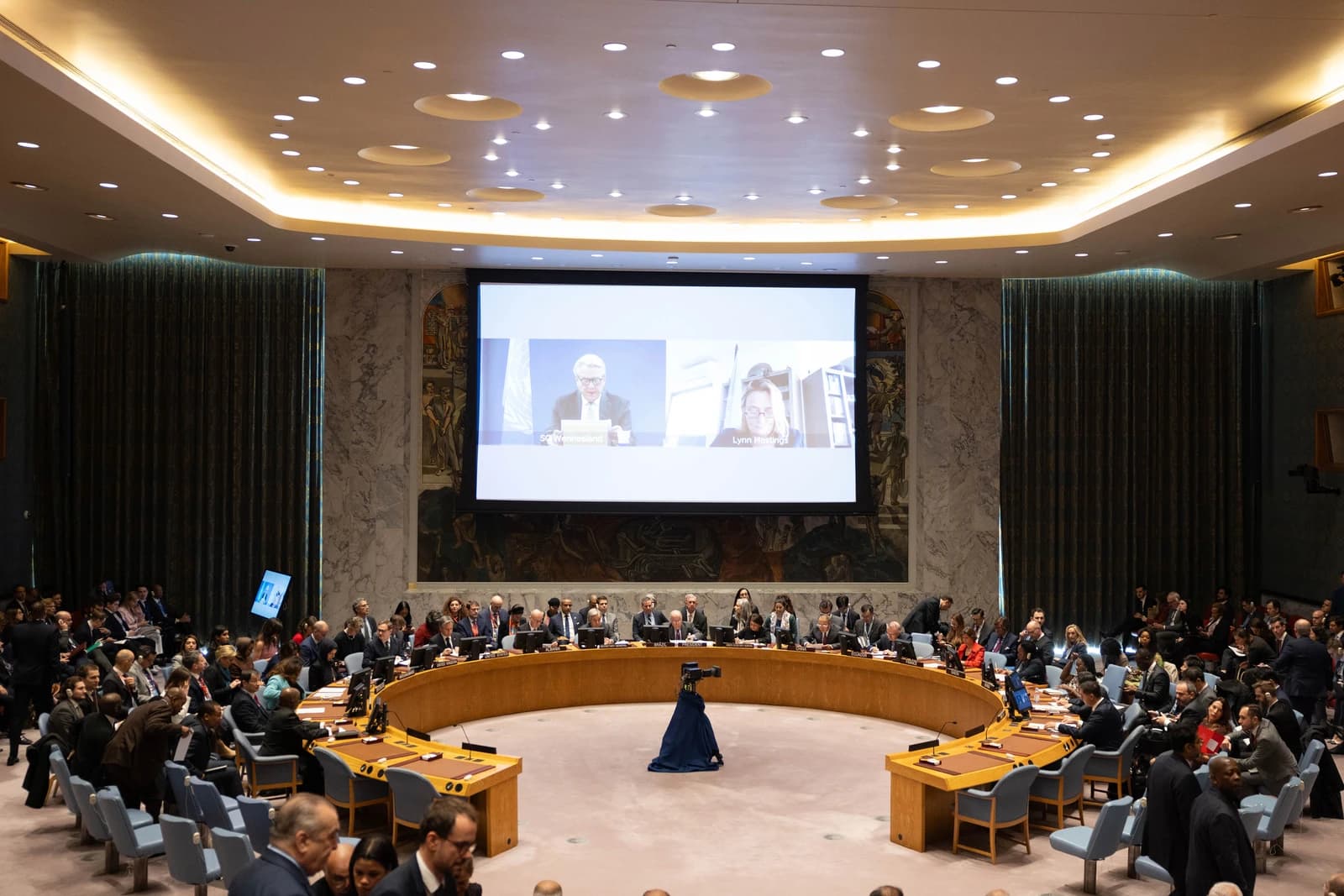
The Kremlin’s stance matters because the Security Council is already hamstrung by great-power rivalry, especially on wars and sanctions where the veto can freeze action. Any push to expand permanent membership, while preserving veto rights, would reshape the balance of power at the UN and determine whether reform makes the body more representative or simply adds more entrenched blockers.
Sentiment IndicatorsⓘProprietary · adalytica.com · September 26, 2026
This is a snapshot — live sentiment, awareness and momentum for 130+ markets update continuously in the dashboard.Open AlphaPulse
Kremlin spokesman Dmitry Peskov said Moscow wants to reform the council and broaden the number of permanent members after Turkish President Tayyip Erdogan renewed his call to abolish permanent seats and veto power. Russia argues the current structure is a core part of the UN system.
The Security Council has five permanent members — the United States, Russia, China, Britain and France — all with veto power, plus 10 rotating members serving two-year terms without veto rights. That setup has long drawn criticism from countries that say it reflects the post-World War Two order rather than today’s geopolitical reality.
Erdogan has been pressing for years to end the current arrangement, saying in 2021 that a handful of countries should not control global decisions. Russia’s President Vladimir Putin previously rejected that argument, warning that the UN would become meaningless without the veto.
For investors, the immediate market impact is limited, but the implications are broader: any serious move to overhaul UN voting rules would signal a deeper shift in global governance at a time when wars, sanctions, energy security and cyber risk are all being shaped by institutional deadlock. The debate also speaks to whether emerging powers can win greater influence without further weakening the body’s ability to act.
The issue is likely to remain contentious as geopolitical competition keeps the council split on major crises. Any future reform drive will hinge on whether permanent members are willing to dilute their own privileges — something that remains unlikely.
| Entity | Gains | Losses |
|---|---|---|
| Emerging powers | ▲Greater UN representation | ▼Slow progress if veto stays |
| Current permanent members | ▲Preserve veto influence | ▼Face reform pressure |
| UN Security Council | ▲Broader legitimacy if expanded | ▼More risk of deadlock |
| Investors in geopolitics-sensitive assets | ▲Clarity from institutional change | ▼Uncertainty if reform stalls |