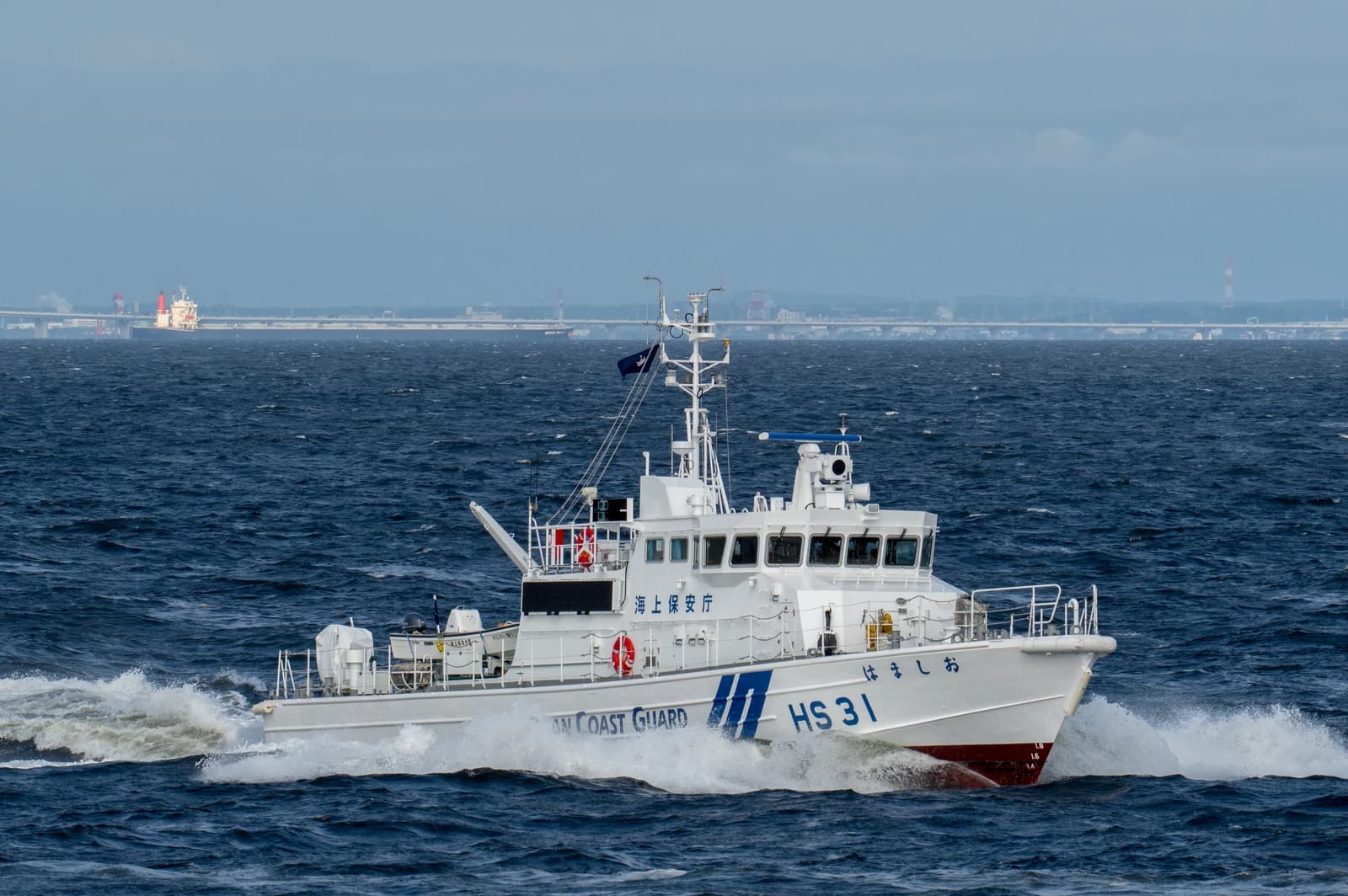
China’s embassy in Manila denied funding any Philippine political faction after a former senator accused Vice President Sara Duterte of taking money from Beijing, turning an election-season allegation into a broader test of Philippine national security and ties with its biggest rival in the South China Sea.
China Embassy Denies Funding Philippine Faction
The denial matters because it goes beyond domestic mudslinging. If true, foreign financing of political figures would raise legal, intelligence and sovereignty concerns in a country already locked in repeated maritime confrontations with China, where diplomatic trust is thin and every new accusation feeds a more hostile policy climate.
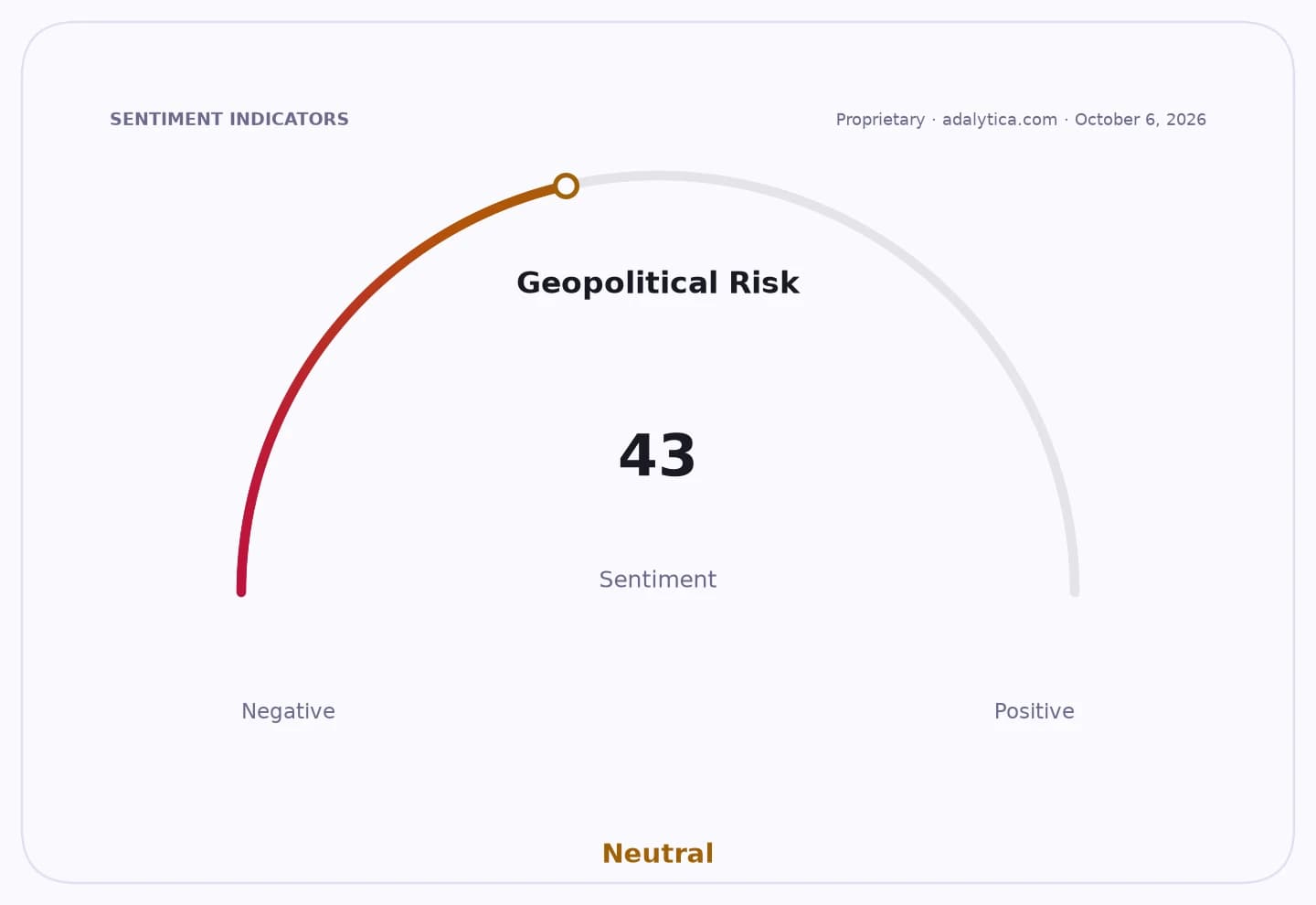
Sentiment IndicatorsⓘProprietary · adalytica.com · October 6, 2026
This is a snapshot — live sentiment, awareness and momentum for 130+ markets update continuously in the dashboard.Open AlphaPulse
The embassy called the allegation “malicious rhetoric” and said Philippine politicians were spreading a false narrative that China had funneled money to a “particular political faction.” It also rejected claims that its website had been used as a redirect destination, saying it reserved the right to protect its official standing and institutional integrity.
Philippine Defense Secretary Gilberto Teodoro said that if the claims were substantiated, they would have serious national security implications and urged that any evidence be turned over to law enforcement. That position reflects the political sensitivity of the issue: Manila cannot be seen ignoring alleged foreign interference, but it also risks inflaming relations with Beijing if accusations are not backed by proof.
For investors, the immediate read is geopolitical risk, not direct market exposure. The Philippines does not face the kind of broad asset-market repricing that follows sanctions or a trade shock, but the dispute adds to a pattern of friction that can weigh on sentiment around Philippine assets, defense spending, regional supply chains and cross-border investment decisions.
The backdrop is already tense. The two countries have been sparring over the South China Sea, where repeated run-ins between Chinese and Philippine vessels have kept security risks elevated and drawn in the United States as Manila’s treaty ally. The latest political dispute reinforces the view that bilateral ties are deteriorating across both the security and domestic political fronts.
Adalytica’s US–China Relations Sentiment gauge sits at 61, in neutral territory, but awareness is at an “extreme fear” reading of 7, underscoring how sensitive the market remains to any escalation. The next catalyst is whether Philippine authorities receive evidence, move to investigate, or whether the episode becomes another sustained flashpoint in the broader China–Philippines standoff.
| Entity | Gains | Losses |
|---|---|---|
| Philippine government | ▲Political leverage on foreign interference claims | ▼Pressure to prove allegations |
| Chinese Embassy | ▲Protects official denial | ▼Credibility hit from accusation cycle |
| Sara Duterte / accused faction | ▲Potentially gains from lack of evidence | ▼Faces scrutiny and reputational risk |
| Regional investors | ▲Clarity if case is resolved quickly | ▼Higher geopolitical risk premium |