The U.S. has sanctioned Fiji-based businessman Zhao Fugang, escalating a Pacific security dispute that Washington says blends corruption, organized crime and Beijing’s foreign influence network.
U.S. Sanctions Fiji Businessman Zhao Fugang
The State Department said Zhao abused his public position by paying bribes to Fijian citizens to advance China-based government, business and criminal interests. The designation makes Zhao and his immediate family generally ineligible to enter the United States and signals a wider U.S. effort to frame Pacific corruption as a national security issue, not just a local law-enforcement problem.
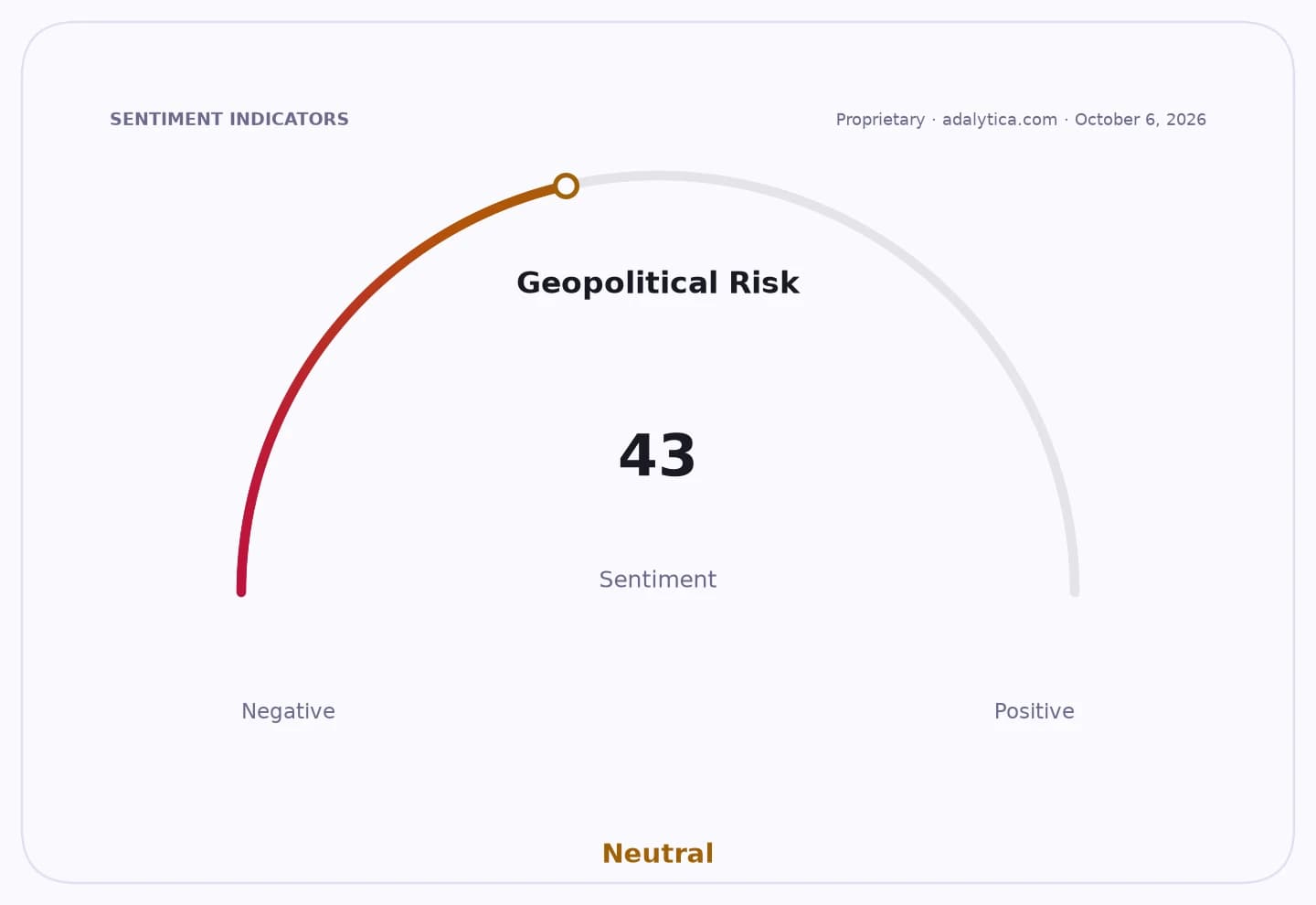
Sentiment IndicatorsⓘProprietary · adalytica.com · October 9, 2026
This is a snapshot — live sentiment, awareness and momentum for 130+ markets update continuously in the dashboard.Open AlphaPulse
That matters economically because Washington is linking alleged graft to the conditions that drive capital away from small island economies: weaker institutions, higher compliance risk, and a more permissive environment for illicit finance. In its statement, the U.S. Embassy in Suva said corruption stunts foreign investment and foreign assistance, facilitates organized crime and undermines trust in government — all factors that can raise the cost of doing business in a region dependent on external capital, aid and trade.
For investors, the immediate market impact is limited, but the policy signal is broader. U.S. sanctions on a prominent diaspora figure tied to Fiji and China sharpen scrutiny of any cross-border networks operating in the Pacific and increase reputational and regulatory risk for counterparties with exposure to politically connected intermediaries. The move also reinforces the view that U.S.-China competition is increasingly playing out in smaller economies where influence, migration and ports can matter as much as traditional military assets.
Zhao has not directly responded to the allegations, and his lawyers said they were unaware of the investigation and would seek clarification from Washington. He has previously denied wrongdoing. Fiji’s foreign affairs minister said he had not been formally notified before the ABC contacted him, underlining the diplomatic sensitivity of the case.
The allegation set is not new. Local and regional media reported in 2024 that Zhao was linked to a transnational crime syndicate, money laundering and human trafficking claims he and his supporters rejected, while the Chinese embassy in Suva said suggestions of improper links between Chinese government and Chinese community groups in Fiji were groundless. The U.S. designation now gives those accusations the force of official U.S. policy.
The backdrop is a deteriorating U.S.-China relationship and heightened concern in Washington about Chinese influence in the South Pacific. Adalytica’s China CCP Policy Direction Sentiment gauge is in “Extreme Fear,” while its U.S.-China relations sentiment sits in “Fear,” reflecting a broader hardening of the policy environment even as geopolitical risk appetite remains elevated globally.
For Fiji, the case risks adding pressure on a government that must balance ties with Beijing, Washington and Canberra while preserving access to aid, tourism and investment. For investors, the key question is whether the sanction remains an isolated enforcement action or becomes part of a wider campaign against Pacific-linked networks, which could affect due diligence, financing structures and partnership decisions across the region.
| Entity | Gains | Losses |
|---|---|---|
| U.S. government | ▲Influence leverage | ▼None immediately |
| Fiji government | ▲Pressure to tighten oversight | ▼Diplomatic discomfort |
| China-linked networks | ▲None | ▼Scrutiny and sanctions risk |
| Foreign investors | ▲Clearer compliance signals | ▼Higher due diligence costs |