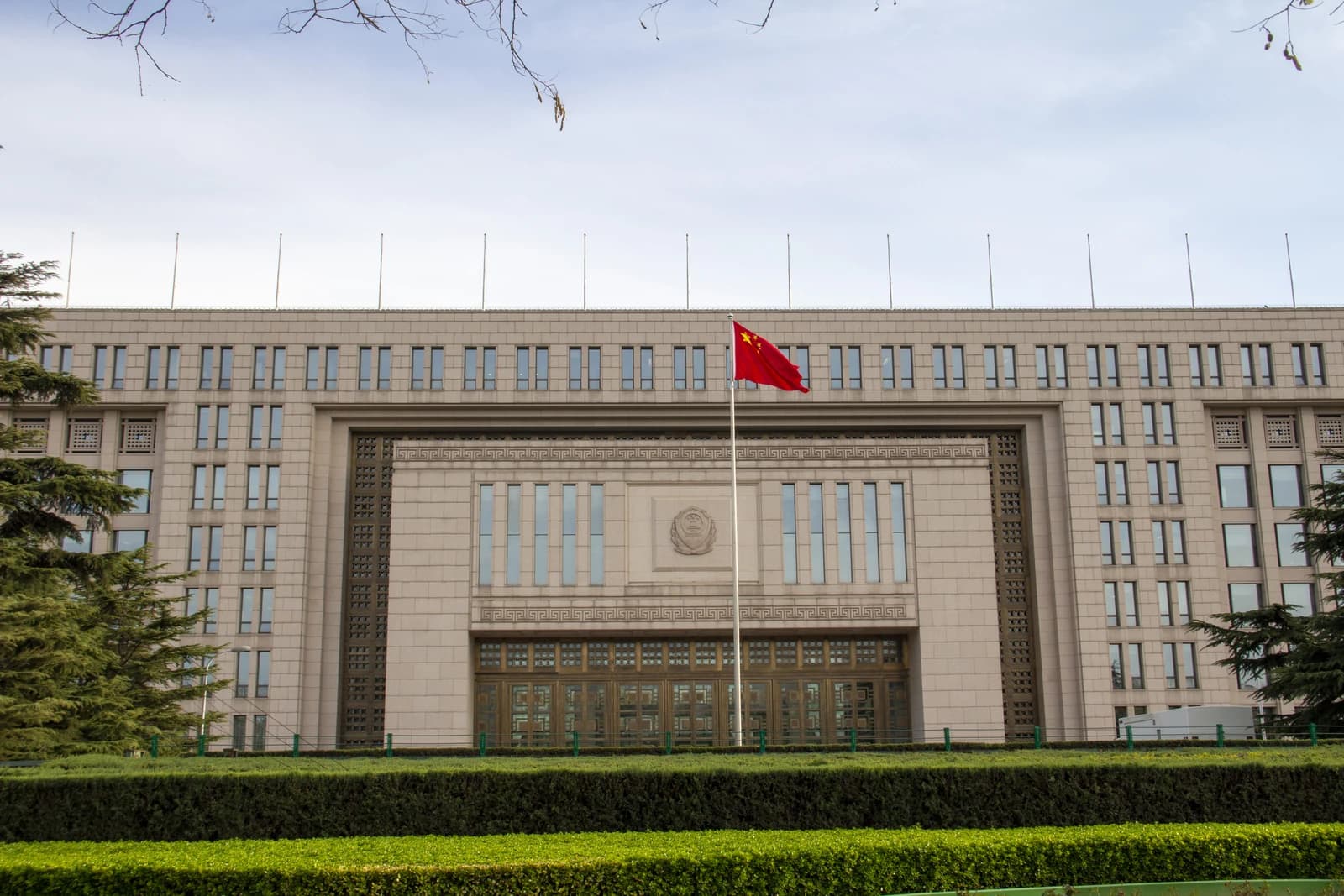
China's top judicial and law enforcement authorities have issued detailed rules for handling fentanyl-related criminal cases, stepping up punishment as Beijing seeks tighter control over a drug that remains central to friction with Washington.
China issues fentanyl criminal case rules
The guidelines matter because fentanyl has been one of the most politically charged issues in U.S.-China relations, with Washington pressing Beijing to do more to curb the flow of precursor chemicals and illicit production networks. A sharper legal framework signals China wants to show it is enforcing its own laws more aggressively, even as the issue remains tied to trade, diplomacy and broader security talks.
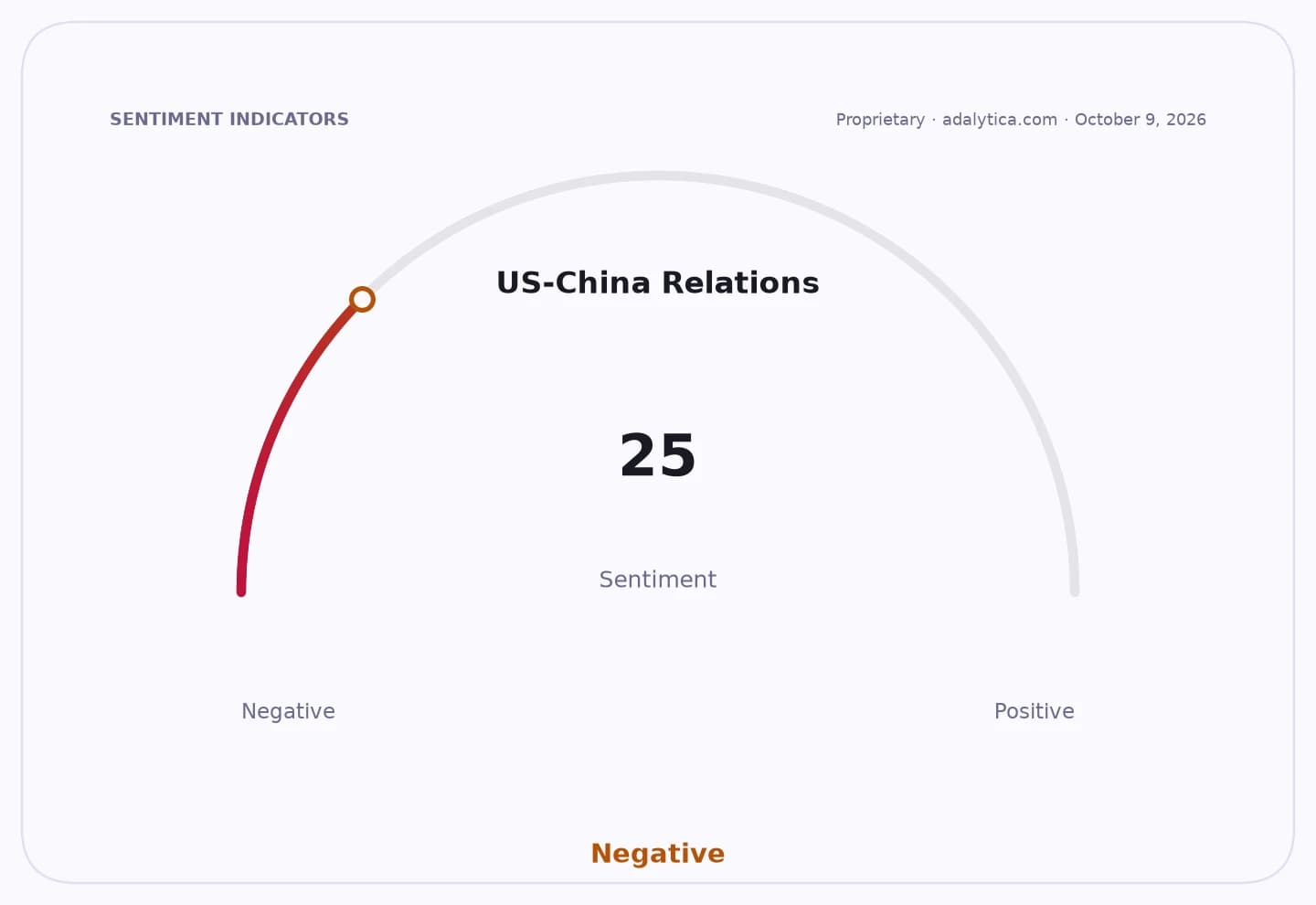
Sentiment IndicatorsⓘProprietary · adalytica.com · September 28, 2026
This is a snapshot — live sentiment, awareness and momentum for 130+ markets update continuously in the dashboard.Open AlphaPulse
For investors, the immediate impact is less about direct market moves than about policy risk around pharma supply chains, cross-border enforcement and bilateral tensions. Drugmakers and distributors with large China exposure, as well as companies sensitive to regulatory shifts in the U.S. healthcare and pharmaceutical ecosystem, tend to watch any escalation in anti-fentanyl efforts closely.
The move also comes against a wider backdrop of tighter law enforcement in China, where authorities have been broadening crackdowns on organized crime and other illicit activity. That suggests the fentanyl guidelines are part of a larger push to strengthen state control and demonstrate tougher governance at a time when Beijing is under pressure to show domestic order and international responsibility.
Among U.S. healthcare names, the policy backdrop keeps attention on companies such as Pfizer, Johnson & Johnson and McKesson, which already face a mix of tariff, pricing and litigation pressures. Johnson & Johnson shares have held well above both the 50-day and 200-day moving averages, while Pfizer and McKesson have also traded above their long-term trend lines, but the sector remains vulnerable to any policy spillover that raises compliance costs or complicates supply chains.
Technical readings underscore a market that is still steady rather than panicked: J&J's RSI has eased from overbought levels, Pfizer has rebounded from a summer slump, and McKesson remains well above its 200-day moving average after a volatile run. Those patterns point to investors focusing more on fundamentals and policy headwinds than on any immediate shock from the China move.
The next catalyst will be whether Beijing follows the new rules with visible prosecutions, and whether Washington responds with fresh criticism or keeps fentanyl enforcement inside a broader negotiating track. Any sign of a tougher bilateral stance could ripple through healthcare, trade and China-exposed equities.
| Entity | Gains | Losses |
|---|---|---|
| China authorities | ▲enforcement credibility | ▼tolerance for trafficking |
| U.S. policymakers | ▲pressure leverage | ▼room for détente |
| Pfizer, J&J, McKesson | ▲limited clarity | ▼policy overhang |
| Drug traffickers | ▲none | ▼higher prosecution risk |