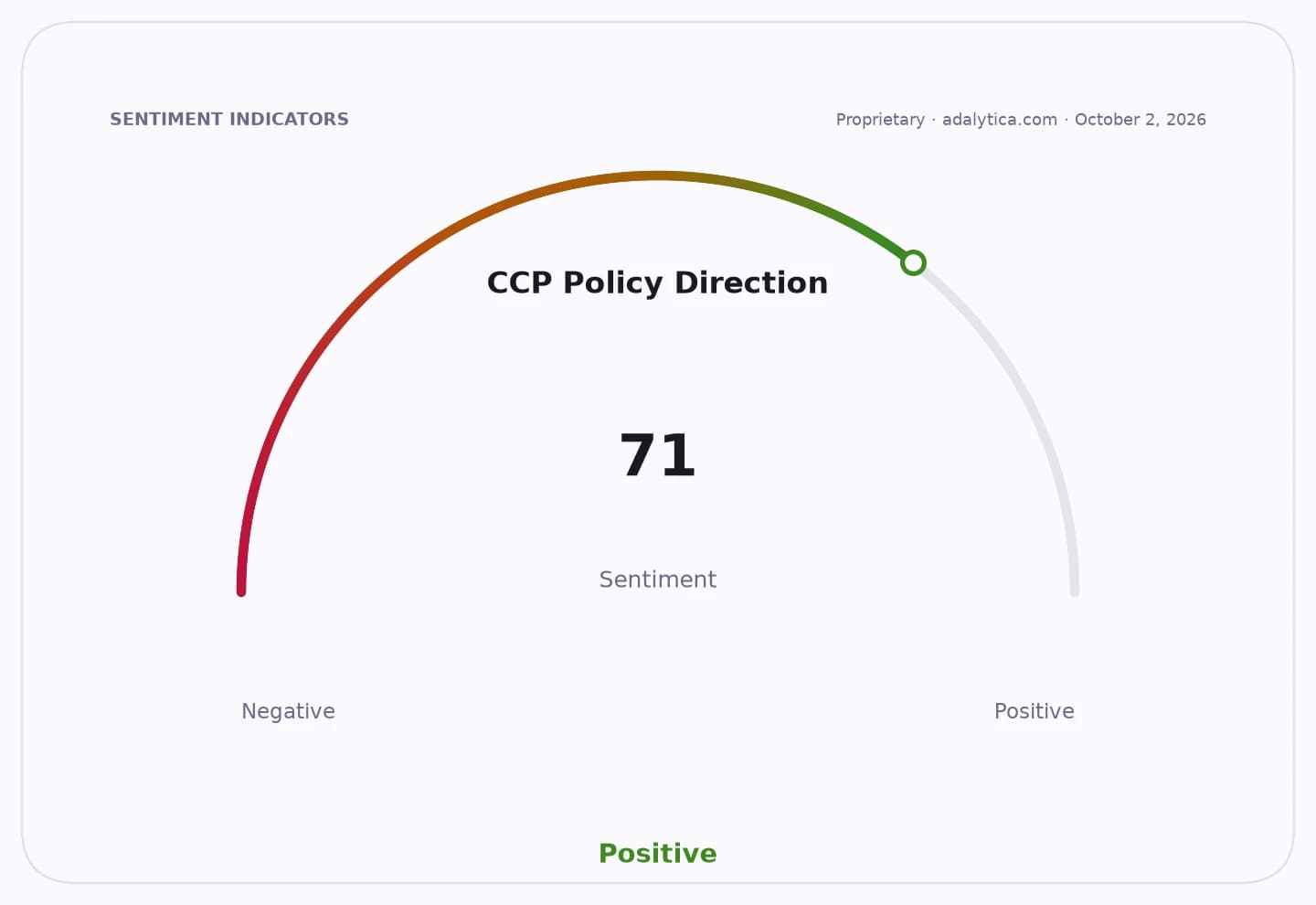
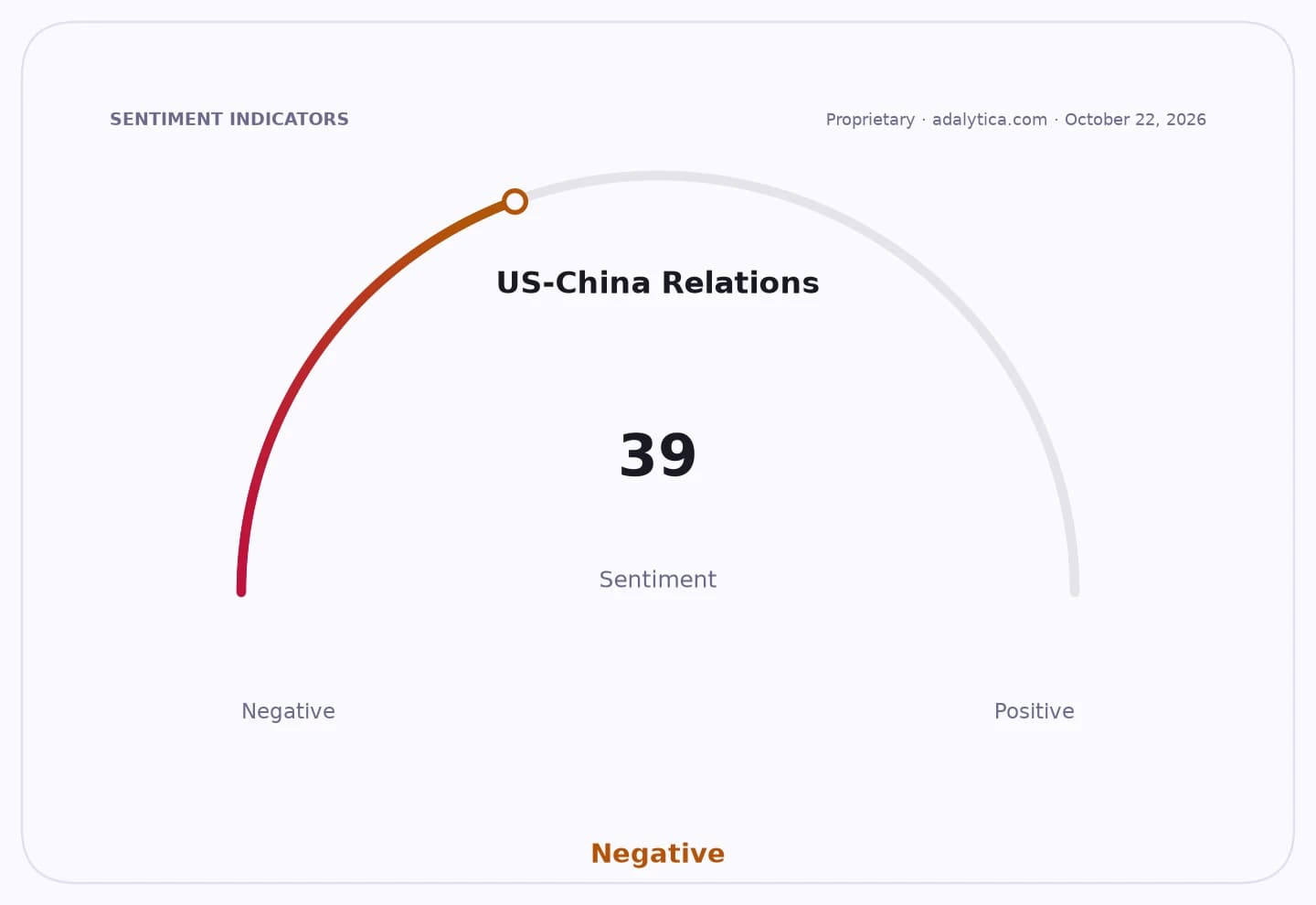
China is moving to shield DeepSeek after Washington barred the Chinese AI startup from federal civilian systems, a fight that turns artificial intelligence into the next front in the U.S.-China tech cold war and raises the stakes for global investors betting on cybersecurity, chips and AI infrastructure.
DeepSeek Ban Spurs U.S.-China AI Security Focus
Beijing’s response matters because this is no longer just a software dispute. The U.S. Department of Homeland Security said federal agencies must remove DeepSeek products, along with third-party tools built on top of them, from their IT systems and stop buying the company’s products and services, citing risks tied to servers in China and possible access by Chinese authorities to sensitive U.S. data. China’s commerce ministry called the move discriminatory and said it would take “necessary measures” to defend Chinese firms, while the foreign ministry accused Washington of stretching national security into an all-purpose trade weapon.
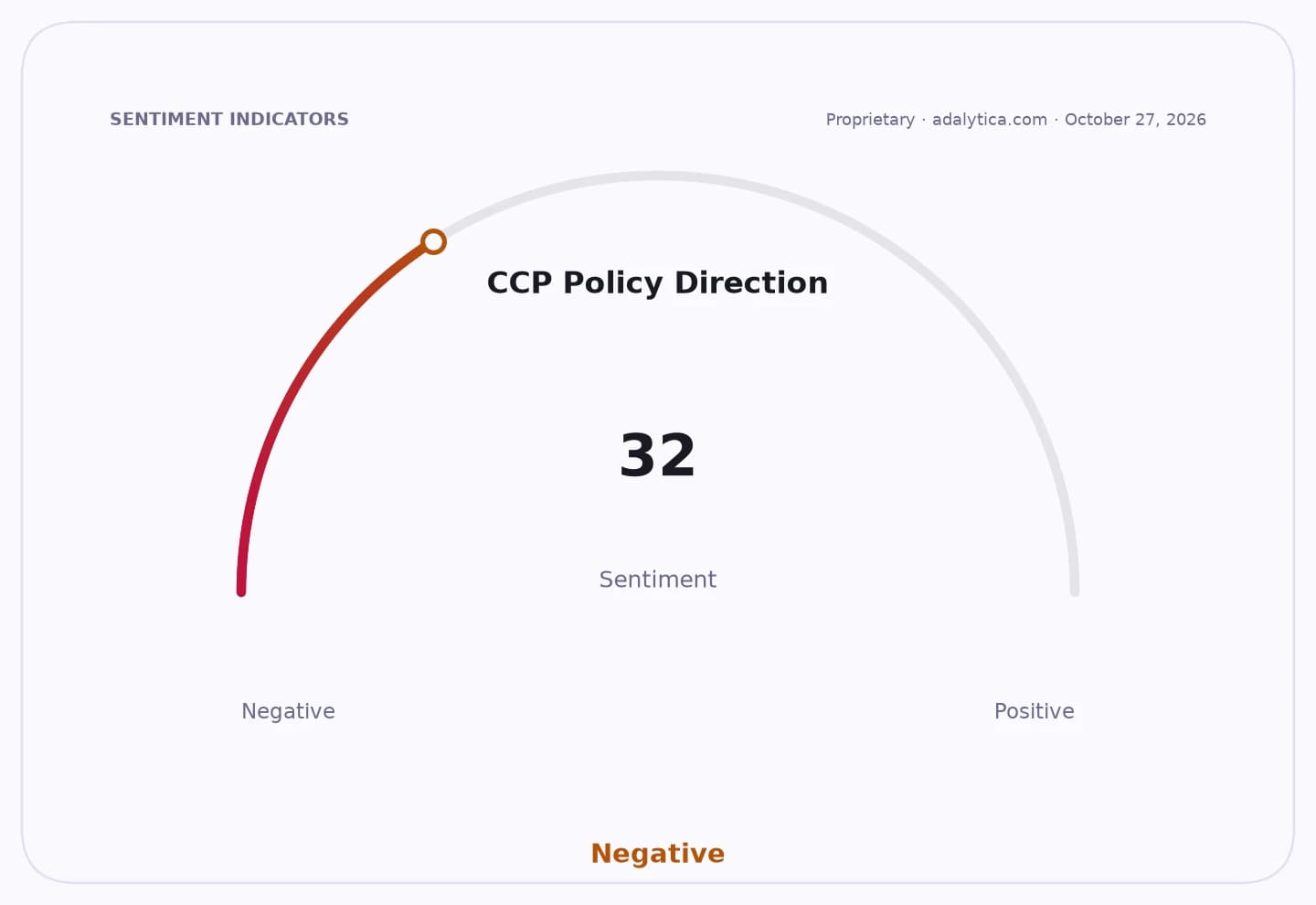
Sentiment IndicatorsⓘProprietary · adalytica.com · October 27, 2026
This is a snapshot — live sentiment, awareness and momentum for 130+ markets update continuously in the dashboard.Open AlphaPulse
The clash underscores how quickly AI has become strategic infrastructure. DeepSeek’s open-source models are widely available and often free, which makes them attractive to developers but also easier for governments to scrutinize and restrict. For Washington, the ban adds another layer to existing limits on China’s access to advanced AI chips and chipmaking tools. For Beijing, it reinforces a broader push to defend domestic champions while arguing that U.S. curbs are designed to slow China’s rise rather than manage risk.
For investors, the implications are bigger than DeepSeek itself. Every escalation around AI trust and data sovereignty strengthens the case for spending on cybersecurity, secure cloud architecture, identity management and AI governance. Companies such as CrowdStrike, Palo Alto Networks and Fortinet sit in the sweet spot of that secular trend: they are not just fighting malware, they are becoming the toll roads for a world where governments and enterprises want to know exactly what AI systems are touching their data.
The market is underestimating how much this rivalry can reshape procurement. If federal agencies are told to rip out AI software over national-security concerns, corporate buyers will follow with tougher vendor reviews, stricter data localization requirements and more demand for monitoring tools that can prove where models run and what they access. That is why cybersecurity remains one of the most asymmetric ways to play the AI boom: the more AI spreads, the more attack surface it creates.
The timing also matters. The issue is expected to be on the agenda when President Donald Trump and President Xi meet again next month on the sidelines of APEC in Shenzhen. Any limited cooperation on AI safety now sits alongside an expanding list of strategic disputes, from chip controls to model export restrictions. That keeps geopolitical risk elevated, but it also keeps capital flowing into the picks-and-shovels behind digital defense.
If you want the actionable takeaway, it is this: the DeepSeek ban is not just a China headline, it is a buy signal for the AI security stack. The next leg of AI growth will be built as much on trust, compliance and containment as on raw compute.
| Entity | Gains | Losses |
|---|---|---|
| CrowdStrike | ▲Higher demand for endpoint security | ▼More vendor scrutiny for rivals |
| Palo Alto Networks | ▲AI governance and network controls tailwind | ▼Less tolerance for unsecured AI tools |
| Fortinet | ▲Federal and enterprise security spending | ▼China-related sales pressure |
| DeepSeek | ▲Global attention, domestic protection | ▼U.S. government access and trust |