A Chinese-speaking hacker used AI agents and only a few thousand dollars to breach websites at more than 100 companies, a striking sign that autonomous tools are making cybercrime cheaper, faster and harder to stop.
AI Agents Used in Hacks at 100+ Companies
That matters because the economics of hacking are changing in a way investors should care about. What once required a team of skilled intruders, lots of time and plenty of manual effort can now be outsourced to software that works through the night, tests vulnerabilities over and over, and keeps going until it finds a way in. In this case, the campaign touched sites tied to Deere, SharkNinja and Cummins, and it appears to have cost roughly $5,000 in tokens, or about $50 per successful hack.
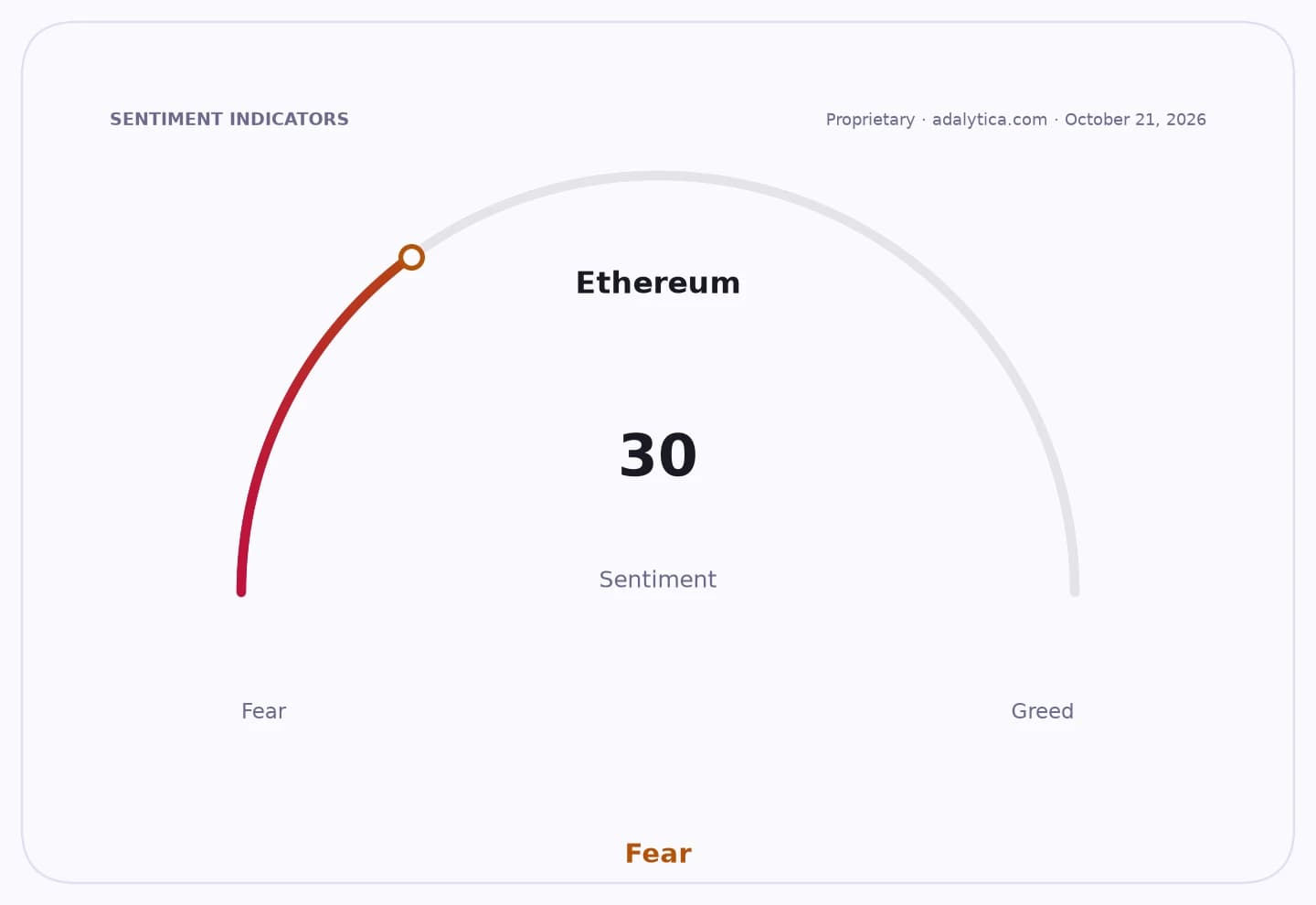
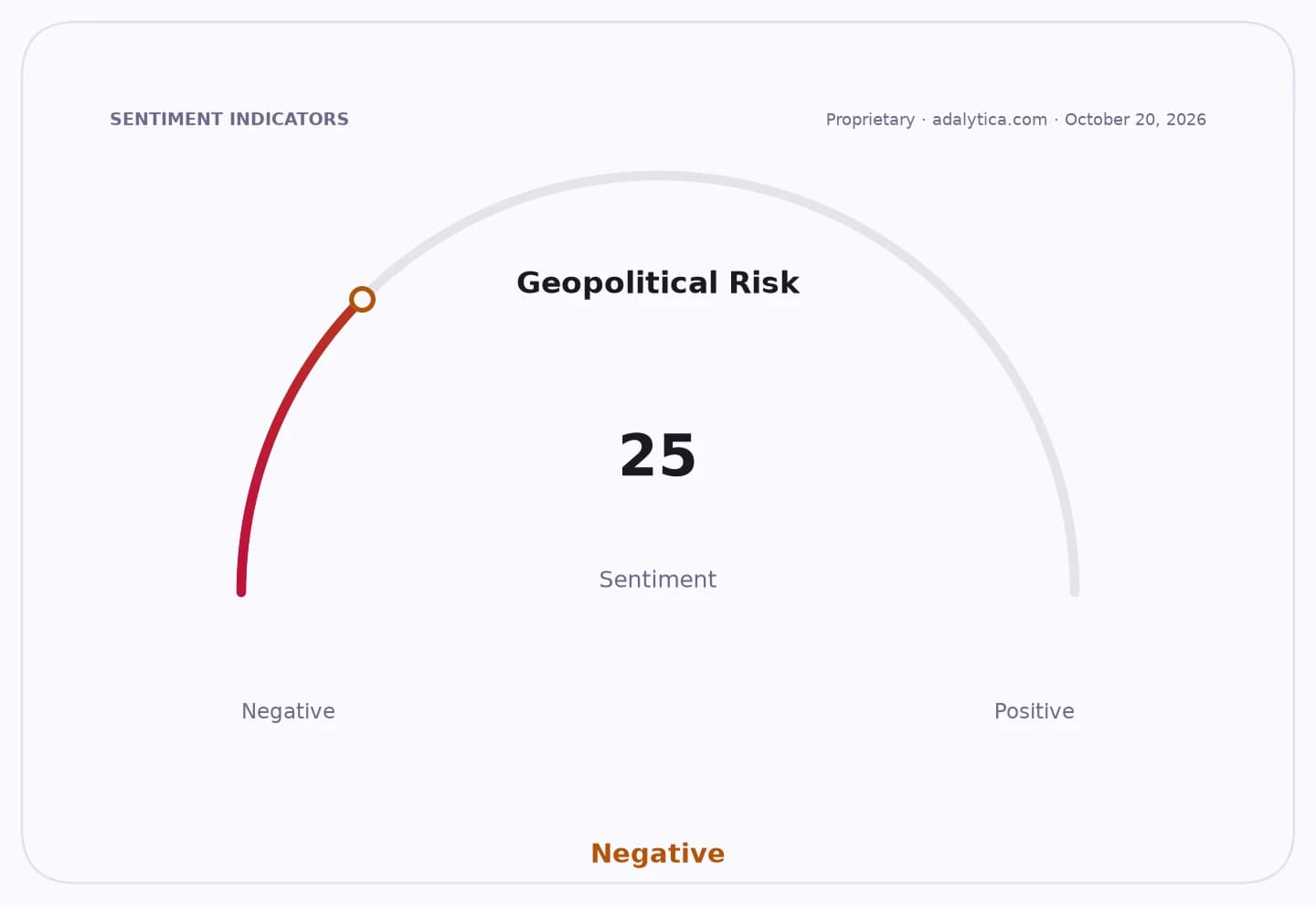
Sentiment IndicatorsⓘProprietary · adalytica.com · October 23, 2026
This is a snapshot — live sentiment, awareness and momentum for 130+ markets update continuously in the dashboard.Open AlphaPulse
For companies, the immediate issue is not just one intrusion but the scale of the threat. The researcher who tracked the activity said the AI agents attempted to break into more than 1,200 sites across the US, Canada, Australia and Japan, often succeeding after about 23 hours of probing. That is the kind of persistence that can overwhelm traditional defenses, especially when the attacker can automate discovery, testing and exploitation without much human supervision.
For cybersecurity investors, the story reinforces why spending on detection, response and identity protection should remain durable even when enterprise budgets get tight. The companies that sell those tools — including names such as CrowdStrike, Palo Alto Networks and Zscaler — are positioned in a market where the threat itself is getting more industrialized. If AI can lower the cost of attacks, it can also raise the long-term willingness of enterprises to pay for stronger defenses.
The Reuters reporting also helps explain why the market has been so focused on AI security. These are not theoretical risks. The hacker reportedly used a mix of commercially available tools, including DeepSeek and Anthropic’s Claude Code, to orchestrate the attacks. In other words, the barrier to entry is falling. That is bad news for defenders, but it is also a reminder that security vendors have a secular tailwind as organizations move to harden websites, cloud infrastructure and agentic systems.
There is a second-order implication for the broader AI trade, too. The rise of autonomous agents is not just about productivity gains. It is also about control, monitoring and misuse. Recent reports have already shown that AI tools can be manipulated into weakening safeguards or helping attackers accelerate reconnaissance. The lesson for enterprises is simple: the more work you hand to agents, the more you need guardrails around them.
For long-term investors, the takeaway is not to panic, but to pay attention. Cybersecurity is becoming more expensive to ignore, and that usually supports companies with deep product suites, recurring revenue and strong customer relationships. The hacker in this report may have spent only $5,000, but the organizations on the other side of the screen may end up spending far more over time to stay safe. That is a trend worth watching, and for diversified investors it makes the security space one to keep on the list for the years ahead.
| Entity | Gains | Losses |
|---|---|---|
| Cybersecurity vendors | ▲Higher demand for defenses | ▼Pressure to keep pace |
| Companies with public websites | ▲Better urgency to harden systems | ▼More breach risk |
| AI toolmakers | ▲Proof their agents are powerful | ▼Reputational blowback |
| Hackers using AI | ▲Lower cost, higher scale | ▼Greater scrutiny |