Google is warning that a newly disclosed flaw in BeyondTrust’s remote support software could be exploited at scale, turning a targeted intrusion into a broader cyber risk for enterprises that rely on third-party access tools.
Google warns on BeyondTrust remote support flaw

That matters because remote support platforms sit at the center of corporate IT operations. If attackers can steal credentials, upload files and take control of hosts through a single vulnerability, the damage can cascade quickly across customer networks, supply chains and internal systems. Google Threat Intelligence Group and Mandiant said successful exploitation could hand attackers persistent access and make remediation far more urgent than a routine patch cycle.
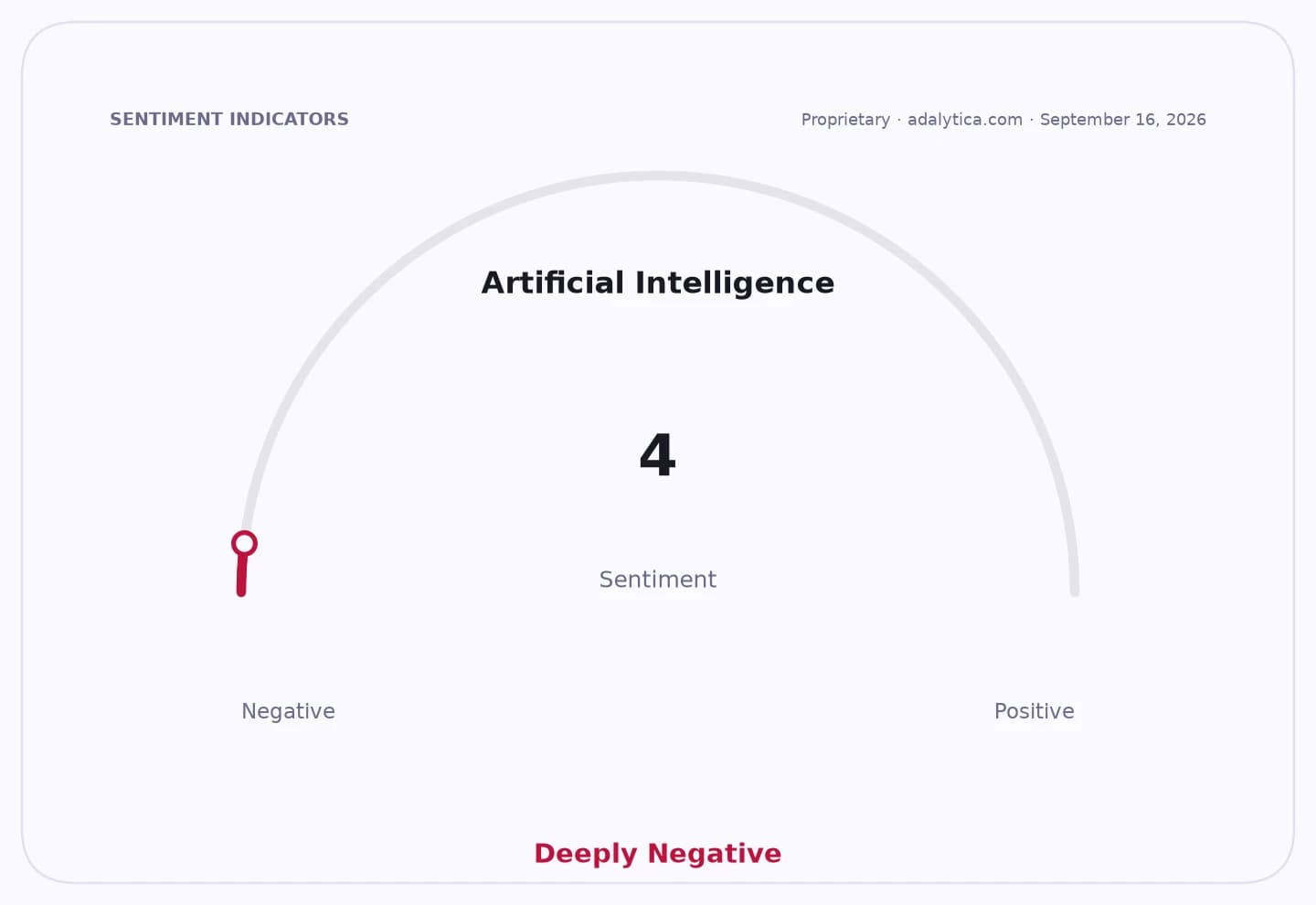
Sentiment IndicatorsⓘProprietary · adalytica.com · October 18, 2026
This is a snapshot — live sentiment, awareness and momentum for 130+ markets update continuously in the dashboard.Open AlphaPulse
The warning follows evidence that a suspected China-linked group known as Armory Castle used the flaw in August before it was publicly disclosed. Google now says that once the weakness is known, Armory Castle and other groups may try to weaponize it more broadly, reflecting the same pattern seen in other large-scale cyber campaigns: one exploited hole becomes a playbook for many. In practical terms, that raises the odds of copycat attacks against organizations that have not yet patched or mitigated BeyondTrust Remote Support.
For investors, the immediate message is that cybersecurity spending is not slowing; it is becoming more indispensable. The market still tends to treat security outlays as discretionary software spend, but incidents like this show they are closer to insurance on the modern enterprise stack. That is why this kind of vulnerability can be a tailwind for the entire security ecosystem, from identity and endpoint protection to incident response and threat intelligence.
Microsoft and Alphabet both trade with the broader market, but the real investable read-through is for the cybersecurity leaders. Palo Alto Networks and other platform vendors benefit when organizations move from point fixes to broader hardening, while attackers’ ability to exploit supply-chain software reinforces demand for layered defenses rather than one-product solutions. The recent pressure in PANW shares, with the stock now well below its highs and its 50-day moving average, looks more like a positioning reset than a fundamental break in demand.
The bigger thesis is that every confirmed third-party vulnerability in a mission-critical tool widens the addressable market for cyber spending. As AI accelerates both attack speed and defense requirements, the next leg of enterprise security investment is likely to favor vendors that can prove they reduce blast radius, not just detect breaches. For investors, that means owning the picks-and-shovels of digital infrastructure before the next intrusion forces another round of spending.
| Entity | Gains | Losses |
|---|---|---|
| Cybersecurity vendors | ▲Higher demand for defenses | ▼— |
| BeyondTrust customers | ▲— | ▼Urgent patching costs |
| Attackers | ▲More exploitable targets | ▼Detection and remediation pressure |
| Enterprise IT teams | ▲Stronger case for budget | ▼Operational disruption |