The German Federal Office for Information Security has flagged more than 1,100 Microsoft vulnerabilities as critical, warning that unpatched Windows 10, Windows 11 and Windows Server systems could face remote attacks, privilege escalation and code execution.
Microsoft Windows vulnerabilities flagged by Germany's BSI
The BSI’s CERT-Bund advisory, issued Oct. 14, assigns the flaws a CVSS base score of 9.8 out of 10, the highest severity class, with a temporal score of 9.4. That puts the alert among the most urgent types of enterprise security notices because a successful exploit could let attackers move from ordinary access to administrator rights, steal information, crash systems or disrupt business operations.
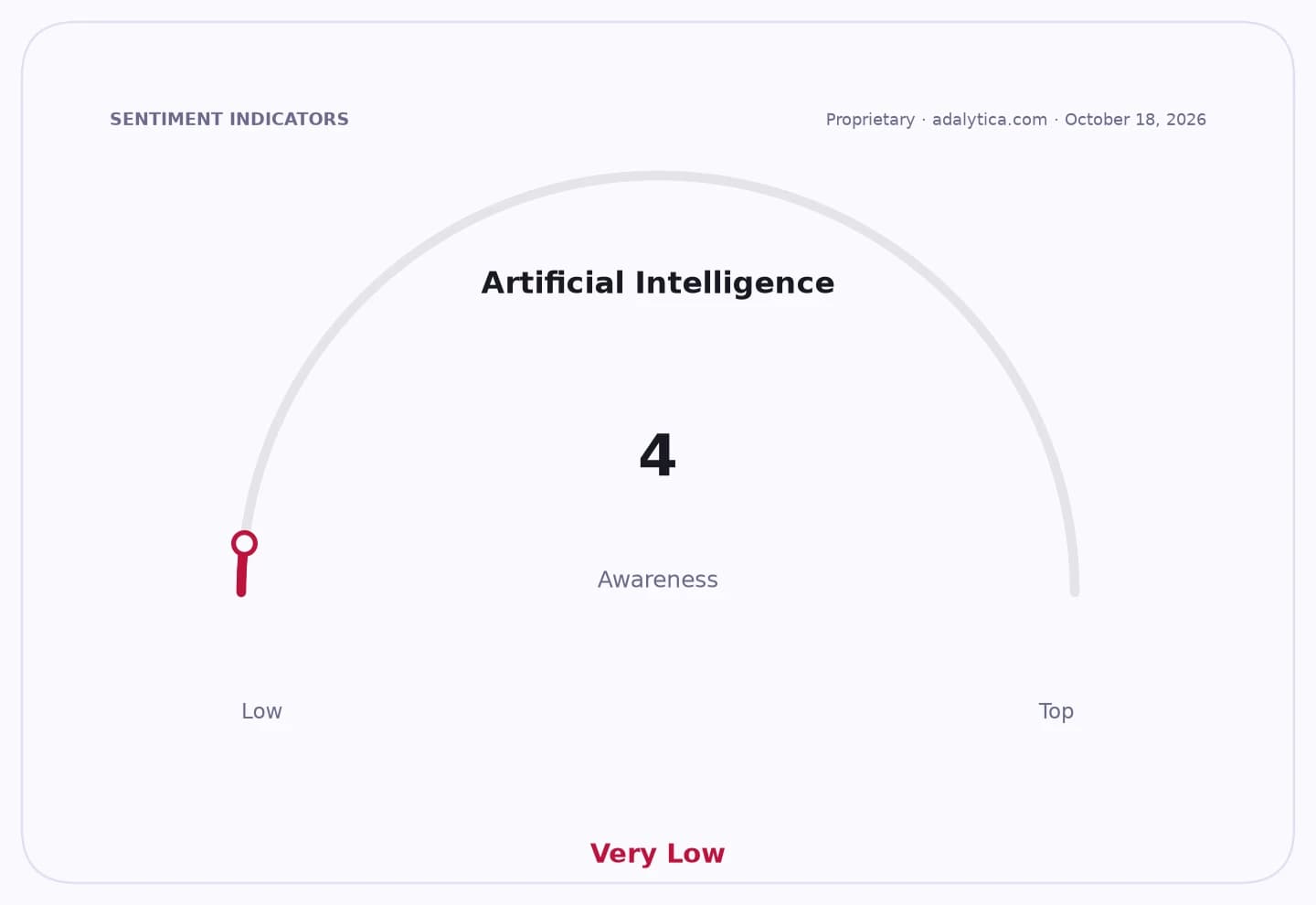
Sentiment IndicatorsⓘProprietary · adalytica.com · October 17, 2026
This is a snapshot — live sentiment, awareness and momentum for 130+ markets update continuously in the dashboard.Open AlphaPulse
For companies, the immediate economic risk is downtime, breach response costs and exposure of core identity and application infrastructure. Microsoft’s Windows footprint remains deeply embedded across corporate endpoints and servers, so the warning lands hardest with organizations running internet-facing systems and older server versions, including Windows Server 2012, 2012 R2, 2016, 2019, 2022 and 2025.
Investors often treat broad Microsoft patch cycles as a reminder of how much enterprise value depends on secure and timely software updates. The company’s own filings say attackers routinely target popular operating systems and that customers’ failure to install patches can amplify risk, a dynamic that can feed higher demand for security tools and managed protection services from vendors such as CrowdStrike and Palo Alto Networks.
Cybersecurity concerns are running high across the software stack, with SAP and GitLab also issuing urgent October updates for critical flaws, underscoring how exposed enterprise IT environments remain as adversaries focus on widely used platforms and development pipelines. For Microsoft, the issue is less about immediate financial damage than about reinforcing the operational burden of securing the world’s most deployed desktop and server software.
The key test now is rollout speed: administrators are being told to inventory affected systems, verify applicable Microsoft patches and push updates with priority. Any delay leaves businesses exposed to remote compromise at a time when markets are already sensitive to cybersecurity risk and the cost of failure keeps rising.
| Entity | Gains | Losses |
|---|---|---|
| Microsoft | ▲Reinforced need for patching tools | ▼Reputation pressure from critical flaws |
| Enterprises using Windows | ▲Better security after updates | ▼Downtime and breach risk if delayed |
| Cybersecurity vendors | ▲Higher demand for protection services | ▼None directly from the warning |
| Attackers | ▲Potential exploit opportunities | ▼More patched targets over time |