Microsoft is heading toward tougher scrutiny in the U.K. after regulators said its dominance in business software, from Excel to Copilot, may warrant special oversight under the country’s digital competition rules.
Microsoft faces U.K. scrutiny over software bundling

That matters because the Competition and Markets Authority is no longer talking about a narrow product review. It is looking at whether Microsoft’s scale across office software, AI tools, security products and cloud licensing gives it an unfair edge that makes it harder for rivals to compete and for customers to switch. If the regulator formally designates Microsoft with strategic market status, it could impose conduct rules on how the company bundles products, licenses software and links business customers to its cloud ecosystem.
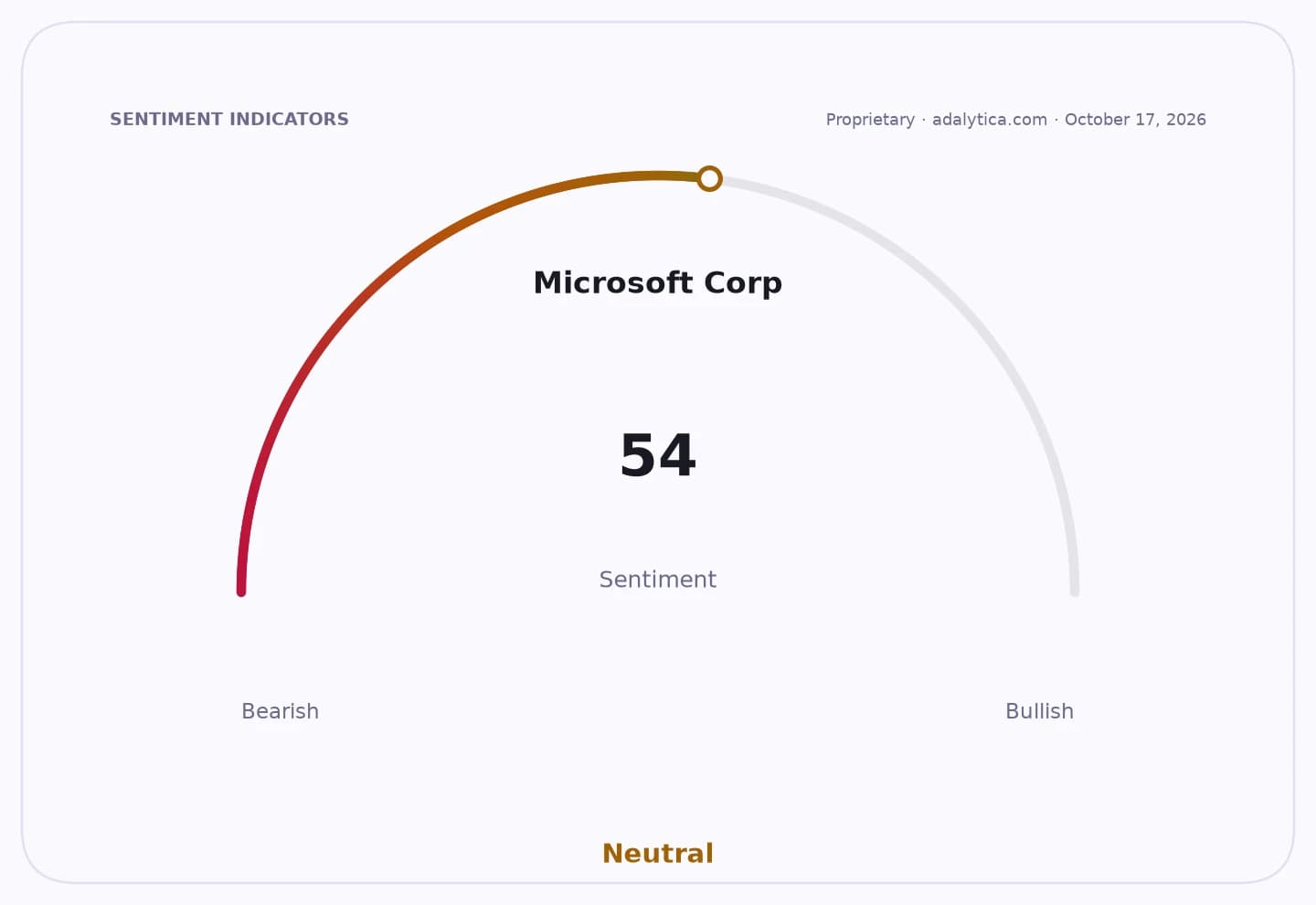
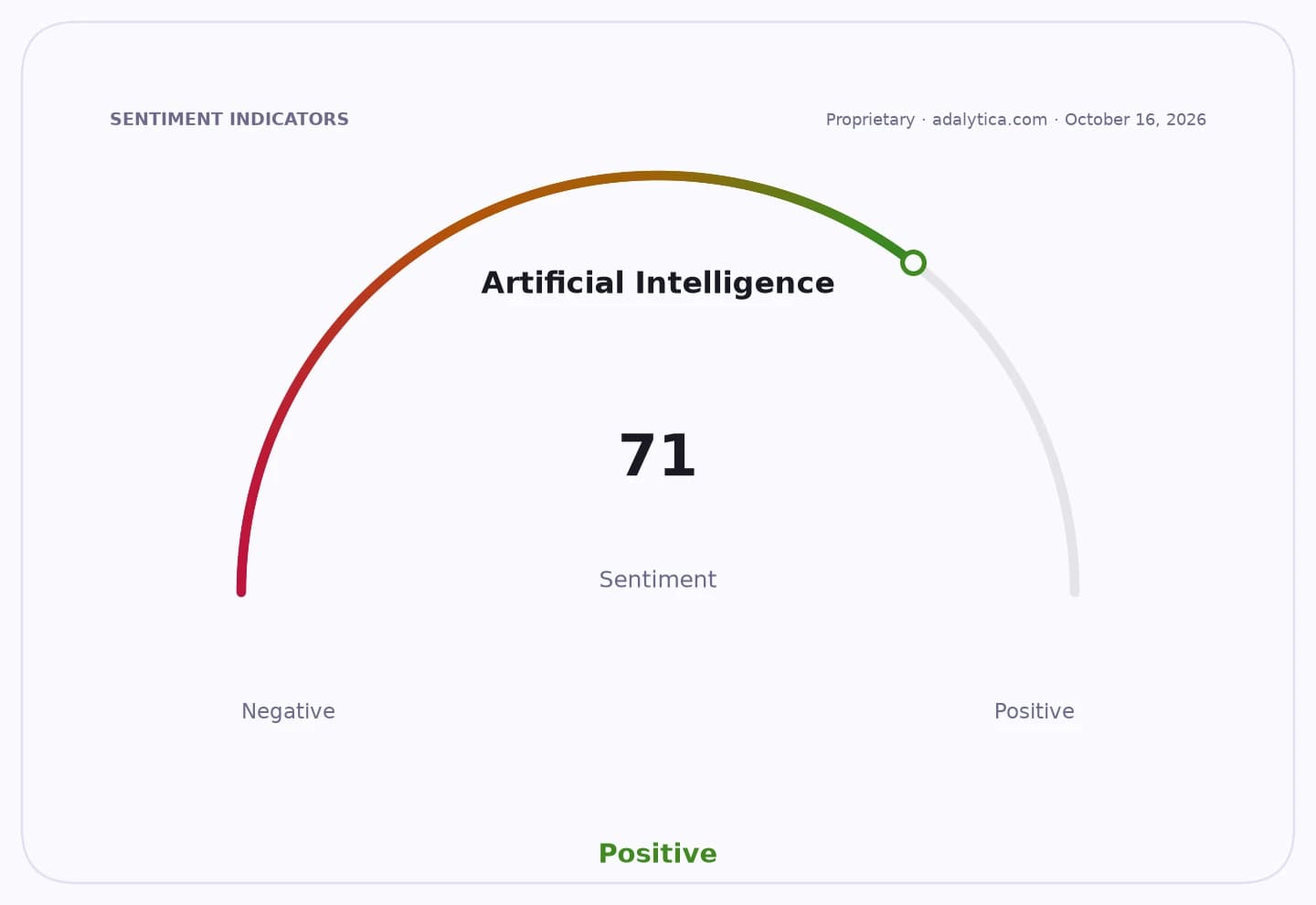
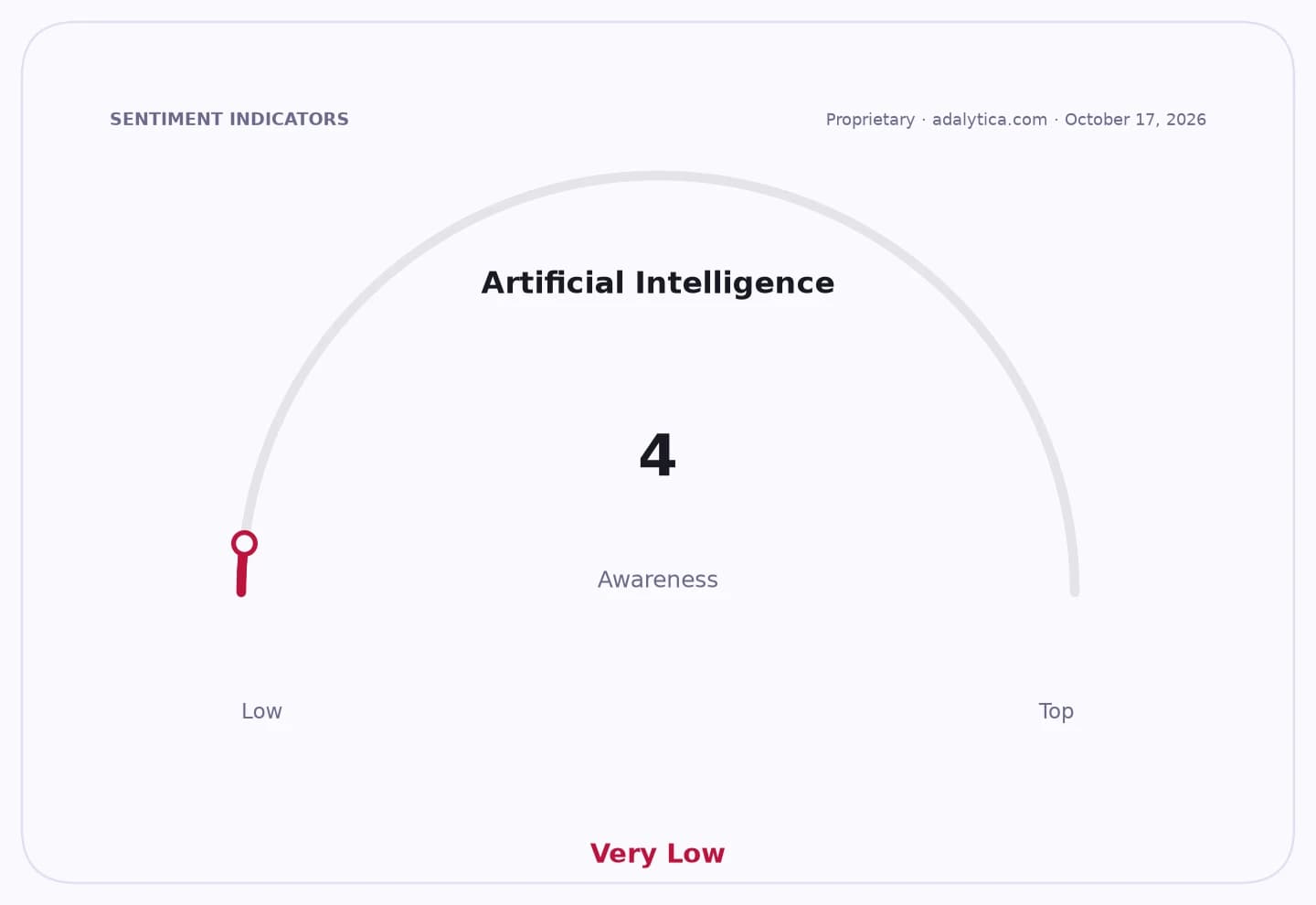
Sentiment IndicatorsⓘProprietary · adalytica.com · October 19, 2026
This is a snapshot — live sentiment, awareness and momentum for 130+ markets update continuously in the dashboard.Open AlphaPulse
For investors, the issue is less about a near-term earnings hit than about how durable Microsoft’s ecosystem really is. Microsoft’s business software tools have about 20 million monthly users in the U.K., according to the CMA, and that base is exactly what gives the company pricing power and recurring revenue. But it is also why regulators are taking a harder look as AI changes the market. Copilot is becoming part of the battleground, and the CMA wants to know whether alternative AI providers have a fair shot at reaching enterprise customers, whether Microsoft’s security bundles limit choice and whether its licensing practices nudge customers toward its own cloud services.
The bigger story is that regulators are trying to keep the AI and cloud markets open before they harden into winner-take-most franchises. That is a meaningful shift for the whole software sector. Microsoft’s strength has long rested on switching costs: companies build workflows around Word, Excel, Teams and related tools, then layer cloud and security services on top. The CMA is essentially asking whether those layers now reinforce one another in ways that make competition more difficult.
Microsoft Corp — 30-day sentimentadalytica.com
Explore this data interactively — full history, time series and cross-market comparisons.Open AlphaPulse
Microsoft says it disagrees with any potential designation and argues its products are interoperable. That defense is familiar, and the company has already shown it can engage with regulators without derailing the business. The more important question for long-term investors is whether the U.K. move becomes a template for broader scrutiny in Europe and beyond. The CMA has until Feb. 13 to decide on the designation and will take feedback until Nov. 13, so this is not a final verdict. But it is another reminder that dominant software platforms face growing limits on how freely they can package, price and distribute their products.
For shareholders, the key takeaway is that Microsoft’s moat remains formidable, but the price of that moat may be higher regulatory oversight. That does not break the long-term investment case, especially for patient owners who are focused on AI, enterprise software and cloud compounding over years. It does mean investors should watch for more rules around bundling, licensing and interoperability — and remember that the biggest winners in digital markets often attract the toughest scrutiny.
| Entity | Gains | Losses |
|---|---|---|
| Microsoft | ▲Retains a huge user base | ▼Faces possible conduct rules |
| U.K. rivals | ▲Better chance to compete | ▼Still up against Microsoft scale |
| Enterprise customers | ▲More software choice | ▼Less bundled convenience |
| U.K. regulator | ▲Stronger digital oversight | ▼More pressure to prove impact |