AI photo editing is forcing Microsoft, Apple and Alphabet to confront a fast-growing consent and safety problem that could shape how the next wave of consumer AI tools is regulated, marketed and monetized.
Microsoft, Apple, Alphabet face AI photo-editing risk
The issue matters because image-editing features are moving from novelty to mainstream utility inside products used by billions, and the same tools that can remove objects or improve portraits can also be used to alter intimate images without permission. That raises legal, reputational and product-liability risks for the companies building and distributing the software, while increasing pressure on platforms to add guardrails, disclosure tools and abuse detection.
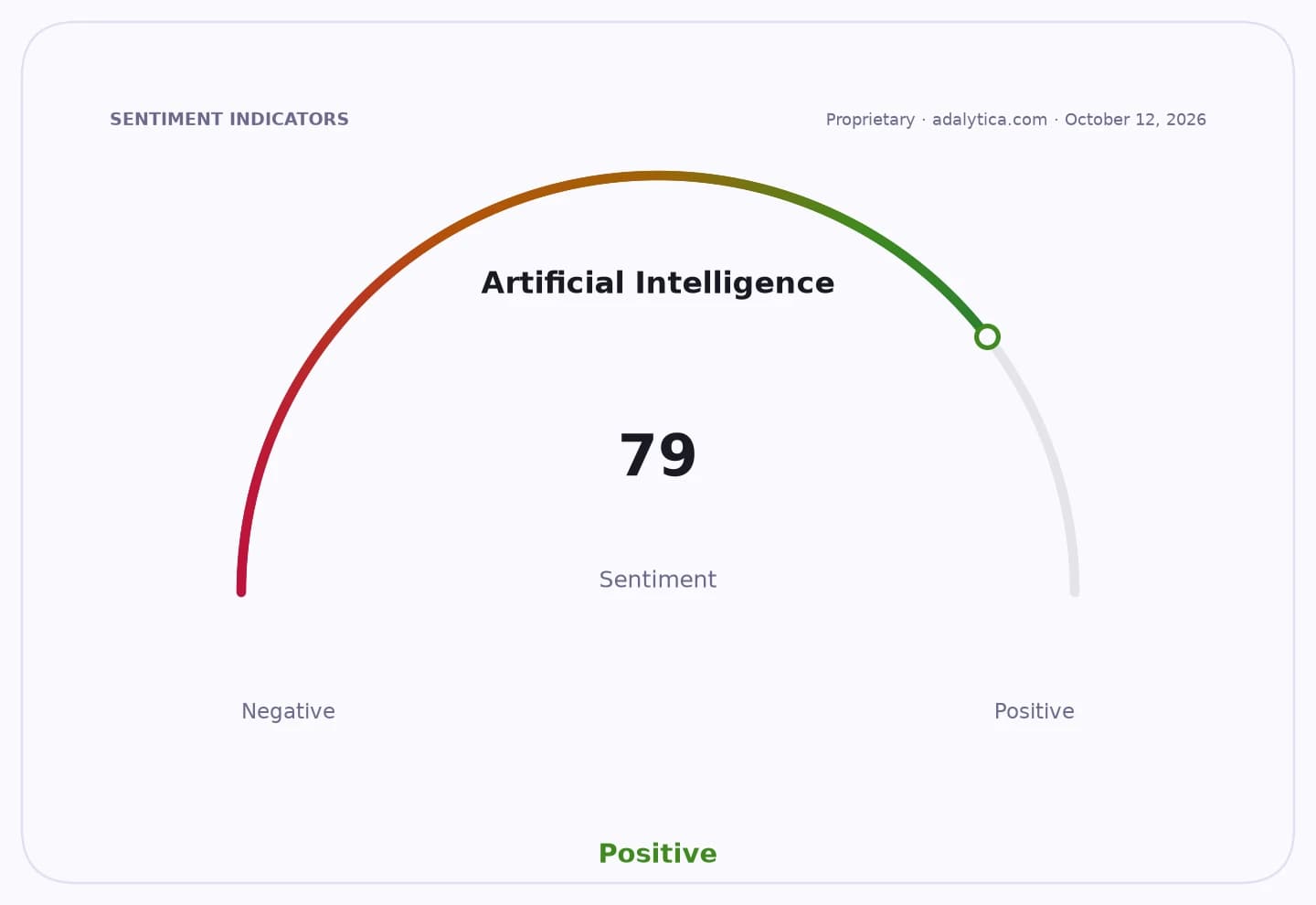
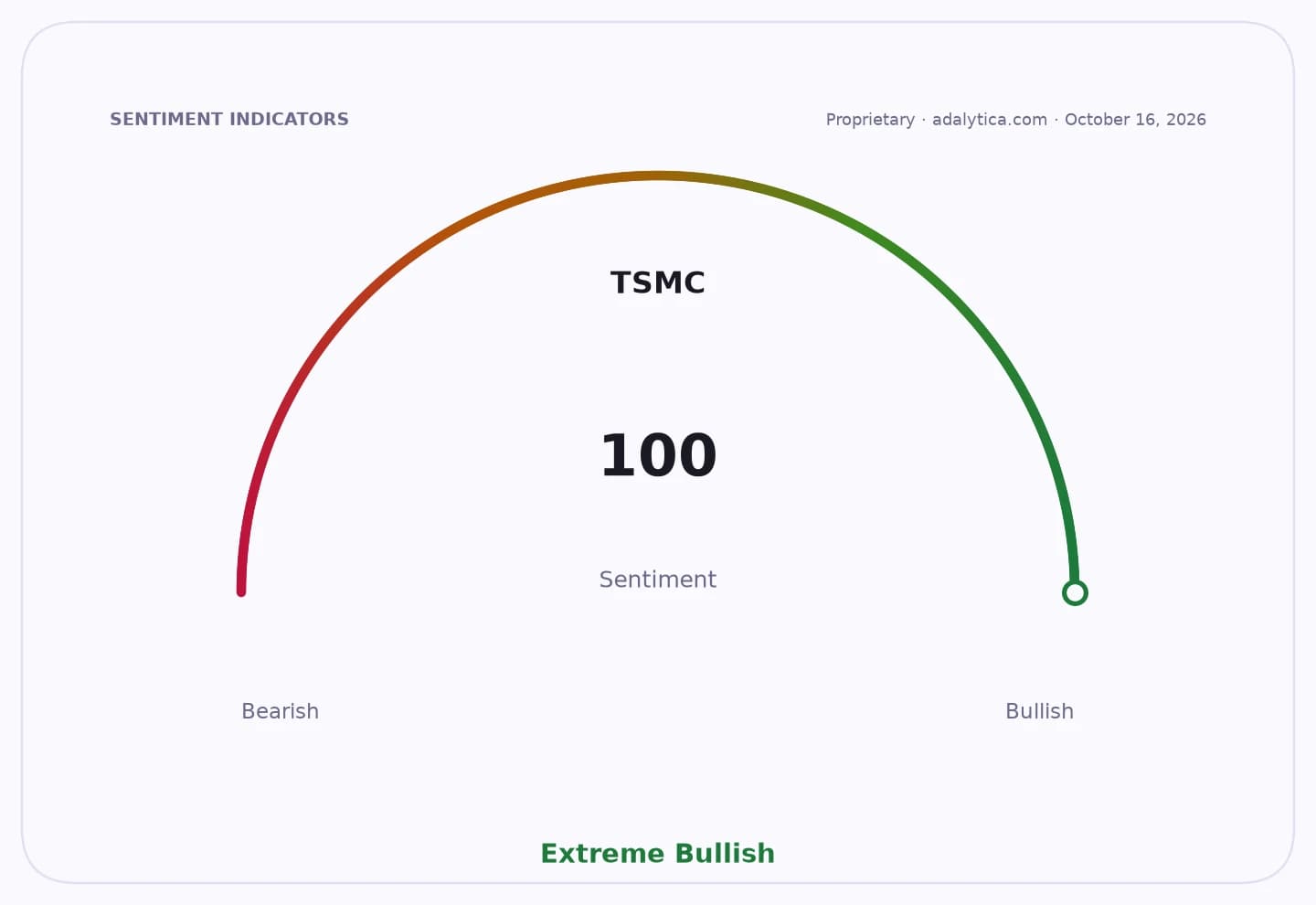
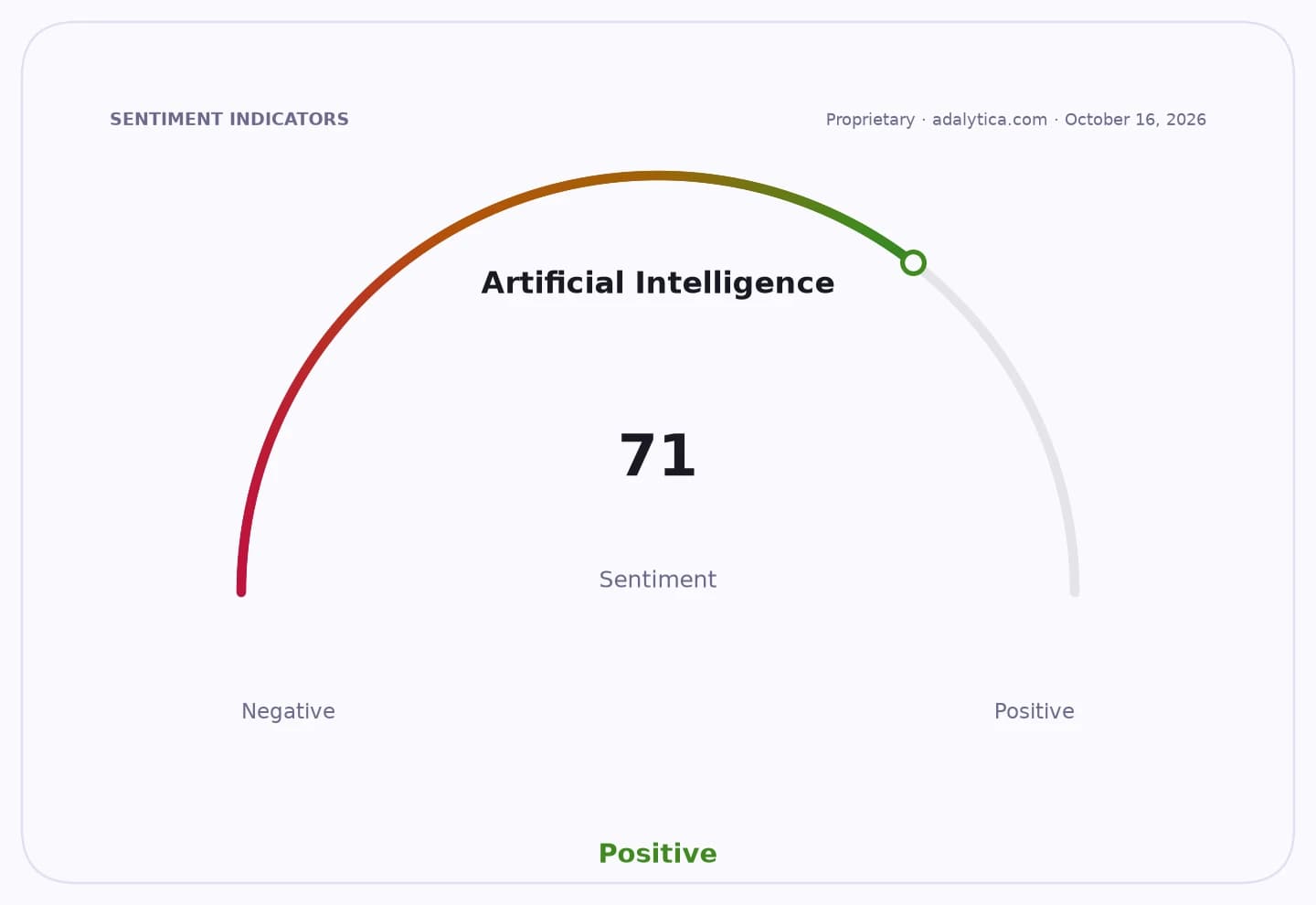
Sentiment IndicatorsⓘProprietary · adalytica.com · October 16, 2026
This is a snapshot — live sentiment, awareness and momentum for 130+ markets update continuously in the dashboard.Open AlphaPulse
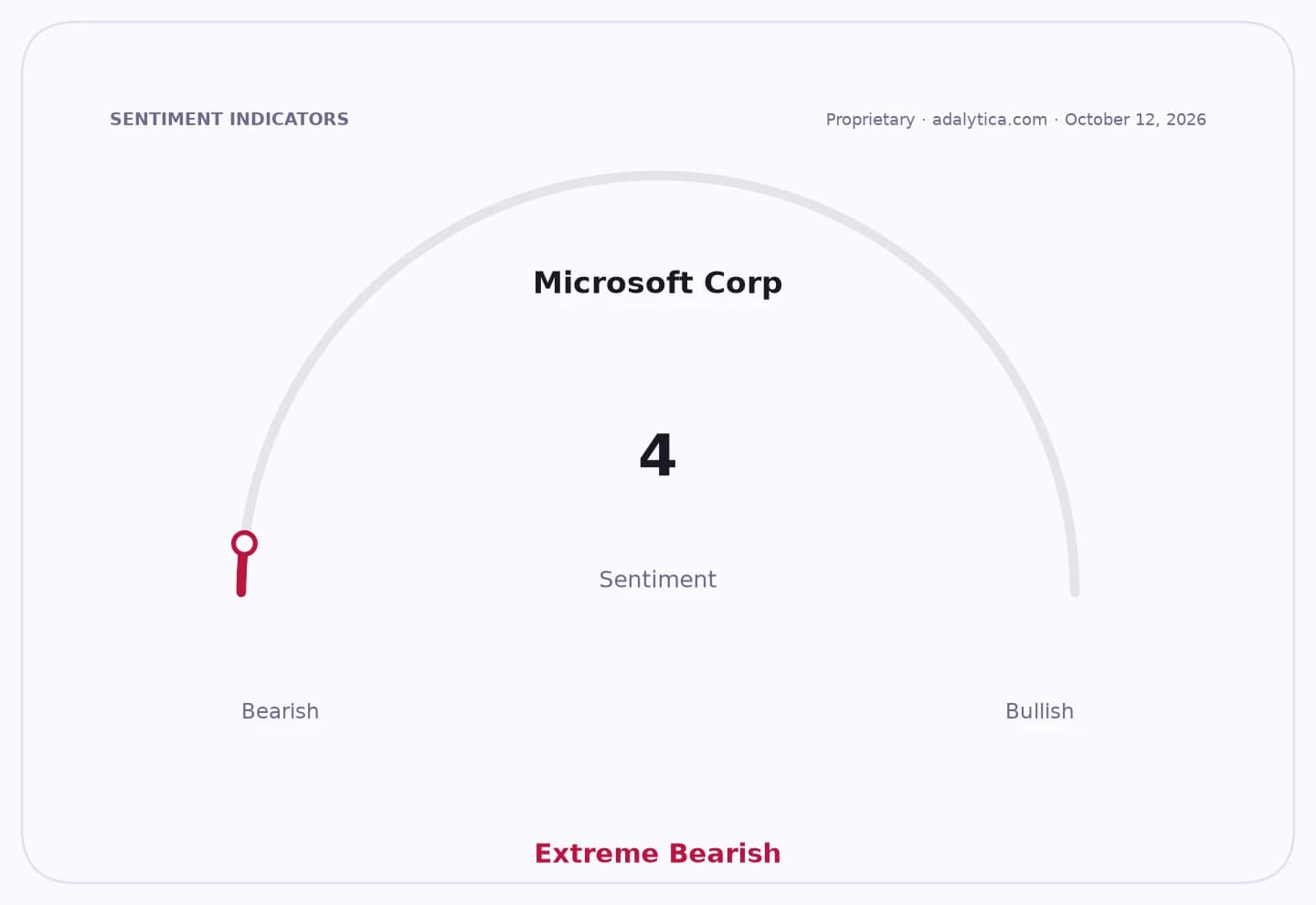
The concern is not abstract. Microsoft's earnings sentiment score on Adalytica.com sits at 4, labeled "Extreme Fear," with awareness also at 4, while Alphabet's filing has warned that AI technologies can create a risk of inadvertent disclosure of confidential information or personal data and trigger regulatory scrutiny. Microsoft’s own 10-K says its services may be used to generate or disseminate harmful or illegal content, and that it may not proactively discover such content at scale.
That backdrop helps explain why investors are watching the consumer AI stack so closely. Microsoft shares closed at $526.80 on Oct. 16 after briefly touching a recent high above $540, while Apple finished at $342.33 and Alphabet at $341.18. All three remain near the top of their recent trading ranges, but the market is increasingly pricing in the possibility that AI adoption brings margin support on one side and fresh compliance costs, moderation spending and litigation exposure on the other.
For women’s safety advocates, the concern is that photo-editing tools lower the barrier to nonconsensual image manipulation, a problem that can spread quickly through messaging apps, social platforms and cloud suites. For the tech firms, that makes consent controls and provenance features more than a policy issue: they are becoming a product requirement and, potentially, a competitive differentiator.
The next test is whether companies move from broad AI branding to more explicit safeguards, including watermarking, content authenticity standards and tighter restrictions on intimate-image edits. Any sign that regulators are preparing rules on labeling, disclosure or model accountability would likely hit the sector’s AI enthusiasm first and the consumer software names hardest.
| Entity | Gains | Losses |
|---|---|---|
| Women and advocates | ▲Stronger safety tools | ▼More abuse risk |
| Microsoft, Apple, Alphabet | ▲Demand for AI features | ▼Liability and compliance costs |
| Regulators | ▲More pressure for rules | ▼Slower AI rollout |
| Shorts / skeptics | ▲Narrative on AI risk | ▼If guardrails reassure users |