African cities are emerging as some of the world’s most enthusiastic users of artificial intelligence, even though many still lack the digital infrastructure and venture funding needed to turn that appetite into broad-based economic gains.
African cities rank high in AI adoption
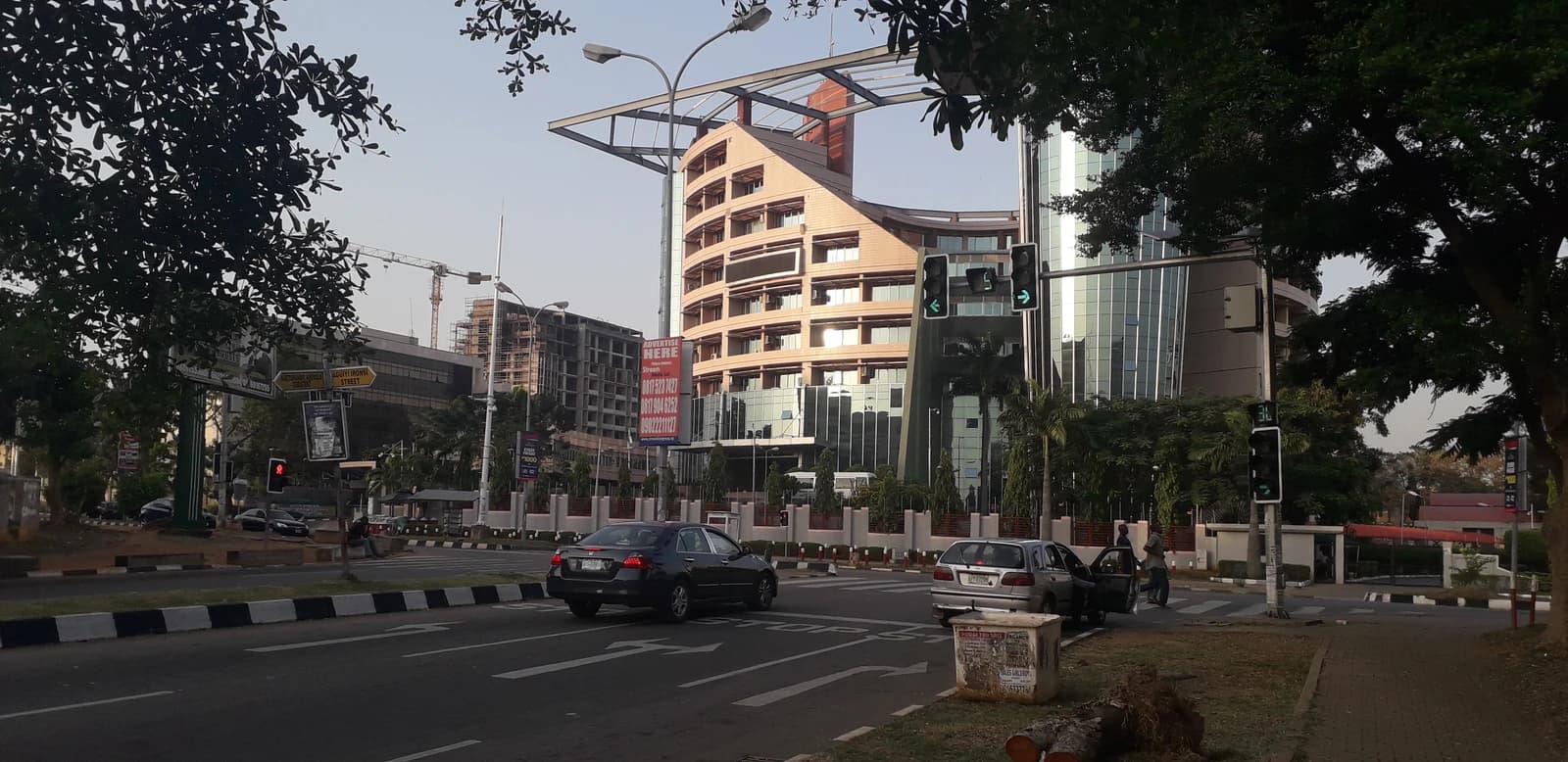
That matters because AI adoption is no longer just a Silicon Valley story. In cities such as Lagos, Johannesburg, Casablanca and Cairo, BCG says residents are among the most active and optimistic AI users globally, a sign that demand for productivity tools is building faster than the public and private systems needed to support it. For investors, that opens a long runway for software, cloud, payments and digital-services providers — but only if governments and companies can convert user enthusiasm into reliable services and sustainable business models.
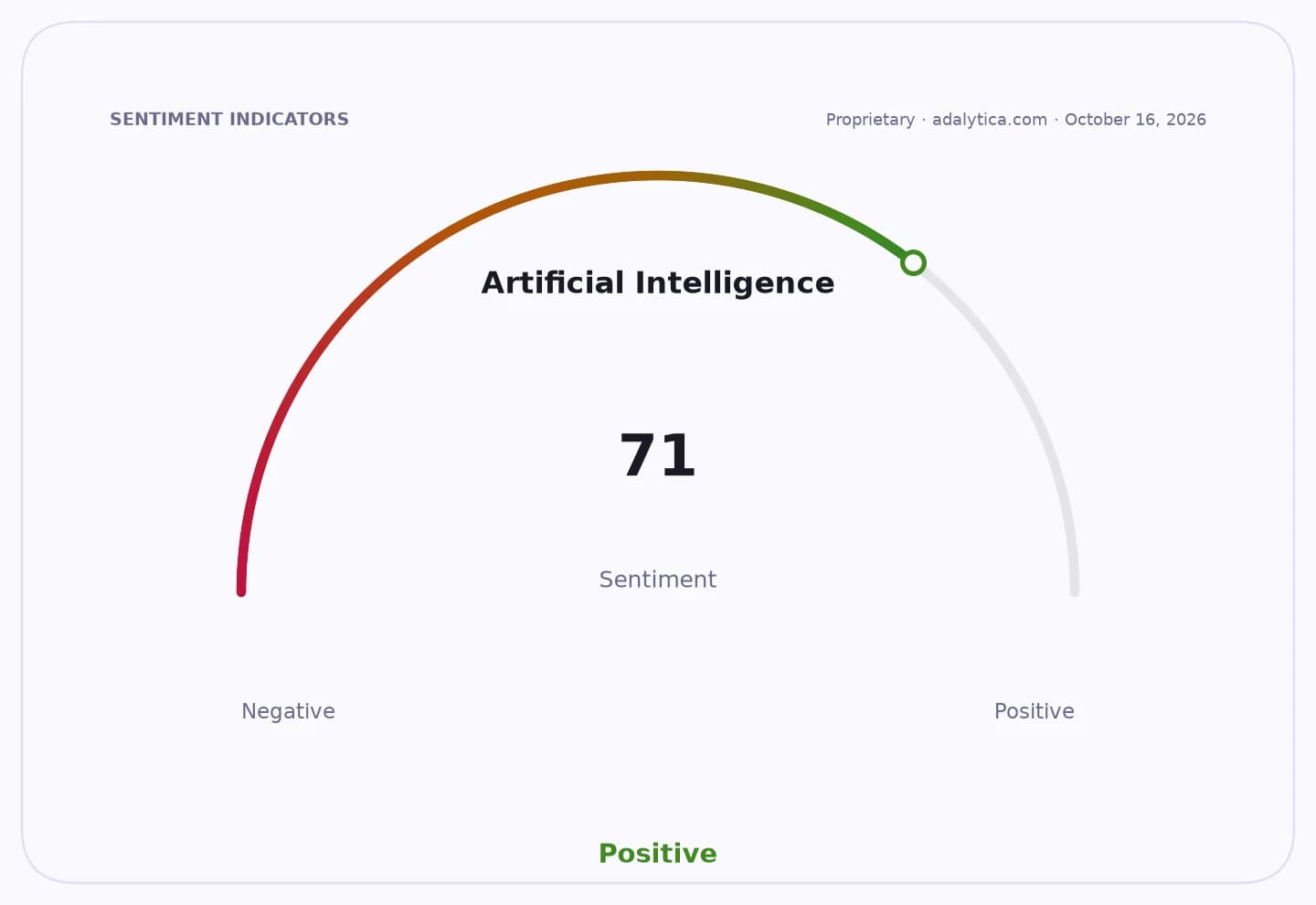
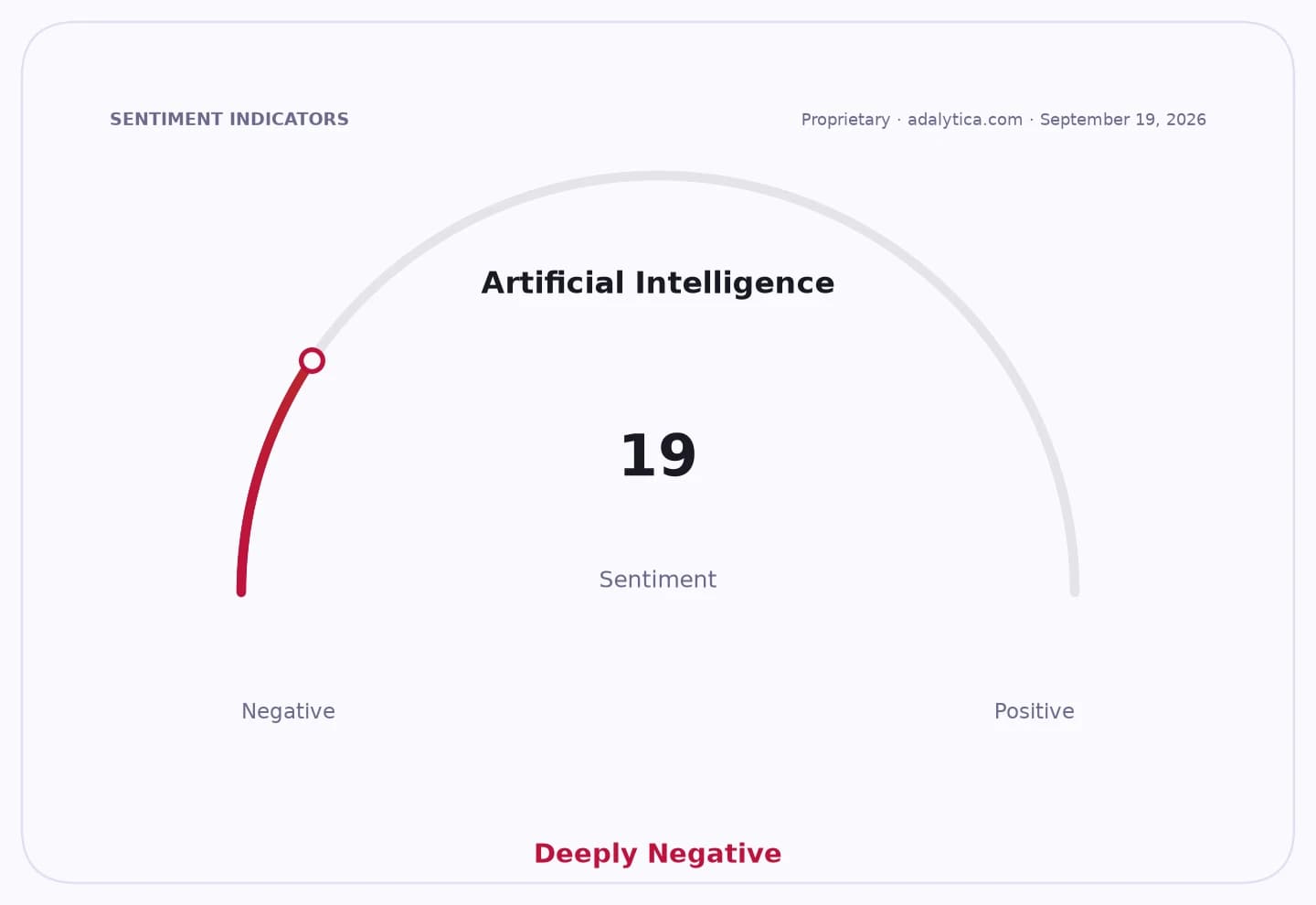
Sentiment IndicatorsⓘProprietary · adalytica.com · October 16, 2026
This is a snapshot — live sentiment, awareness and momentum for 130+ markets update continuously in the dashboard.Open AlphaPulse
BCG’s inaugural Intelligent Cities Index 2026 ranked 61 of the world’s biggest cities across five areas — outcomes, strategy, adoption, ways of working and enablers — and found that no city leads in every category. London, Dubai, New York, Washington and Amsterdam topped the overall list, but the more striking takeaway for long-term investors is where AI usage is accelerating fastest. Across Africa, the report said young populations are helping fuel adoption, with more than half the residents in Cairo, Casablanca and Lagos under 35, putting those cities in BCG’s “AI Enthusiasts” cohort.
Casablanca stood out for AI adoption and smart-city app usage, outpacing many established global metros, while the broader African group still sits in BCG’s “Developing” maturity tier because of weak digital infrastructure and limited startup funding. That gap is the real investment story. High usage without strong enablers can produce a wave of experimentation, but the companies and countries that win over the next decade will be the ones that pair that demand with secure payments, cloud access, local data capacity and clear AI governance.
BCG’s report argues cities do not need world-class infrastructure before they begin improving resident outcomes. Instead, it says “focused specialist” approaches can work: targeted AI services that solve everyday problems, backed by local innovation ecosystems. That is a useful lesson for investors thinking beyond the next quarter. The biggest opportunity in Africa may not be a single blockbuster platform, but a long buildout across public services, education, healthcare, logistics and financial inclusion.
The report also found a strong link between how often residents use generative AI tools and how optimistic they are about its future impact. That creates a virtuous cycle: more use leads to more confidence, which gives city leaders and business partners more room to deploy AI-enabled services. BCG says Africa, Asia and the Middle East are especially prominent in that pattern.
The risk, of course, is that enthusiasm outruns governance. African leaders still need to address bottlenecks in venture capital access, tech-talent retention and institutional AI oversight. The region’s push to embrace AI while protecting jobs, data and cultural output will shape who captures the economic upside. For investors with a multi-year horizon, that makes Africa’s biggest cities worth watching closely — not as finished smart-city leaders, but as early-stage AI markets with real compounding potential.
| Entity | Gains | Losses |
|---|---|---|
| African cities | ▲Faster AI adoption | ▼Infrastructure-constrained growth |
| Local residents and startups | ▲New digital services | ▼Funding and talent shortages |
| AI/cloud providers | ▲Expanding user base | ▼Patchy execution risk |
| Global competitors | ▲Benchmark for market entry | ▼First-mover advantage in high-growth markets |