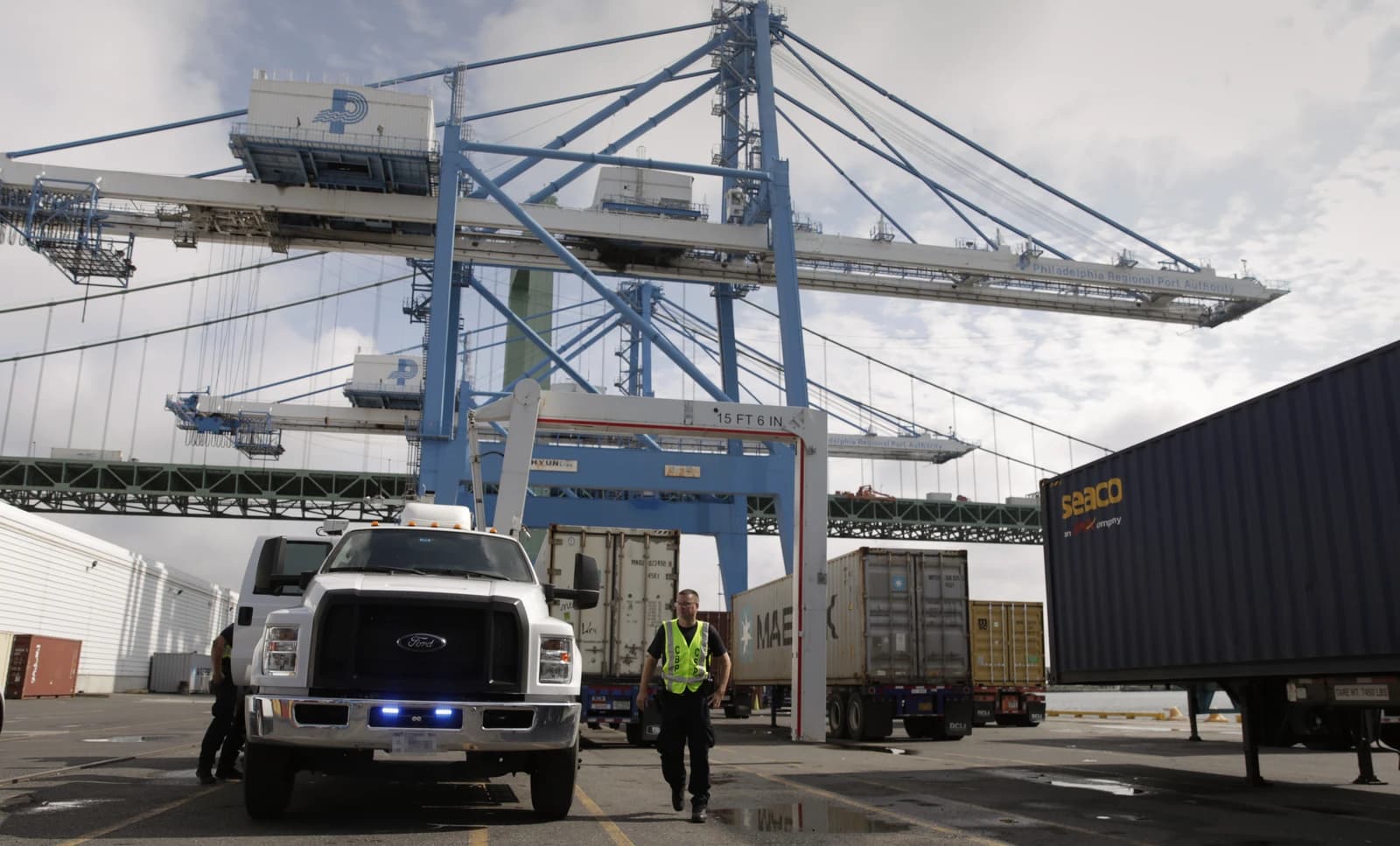
The Trump administration has finished investigating import overcapacity in China, Japan and more than a dozen other economies, but has not yet moved to announce new tariffs, leaving trade policy in limbo as markets brace for a return of broad protectionism.
Trump tariff review covers China, Japan, 16 economies
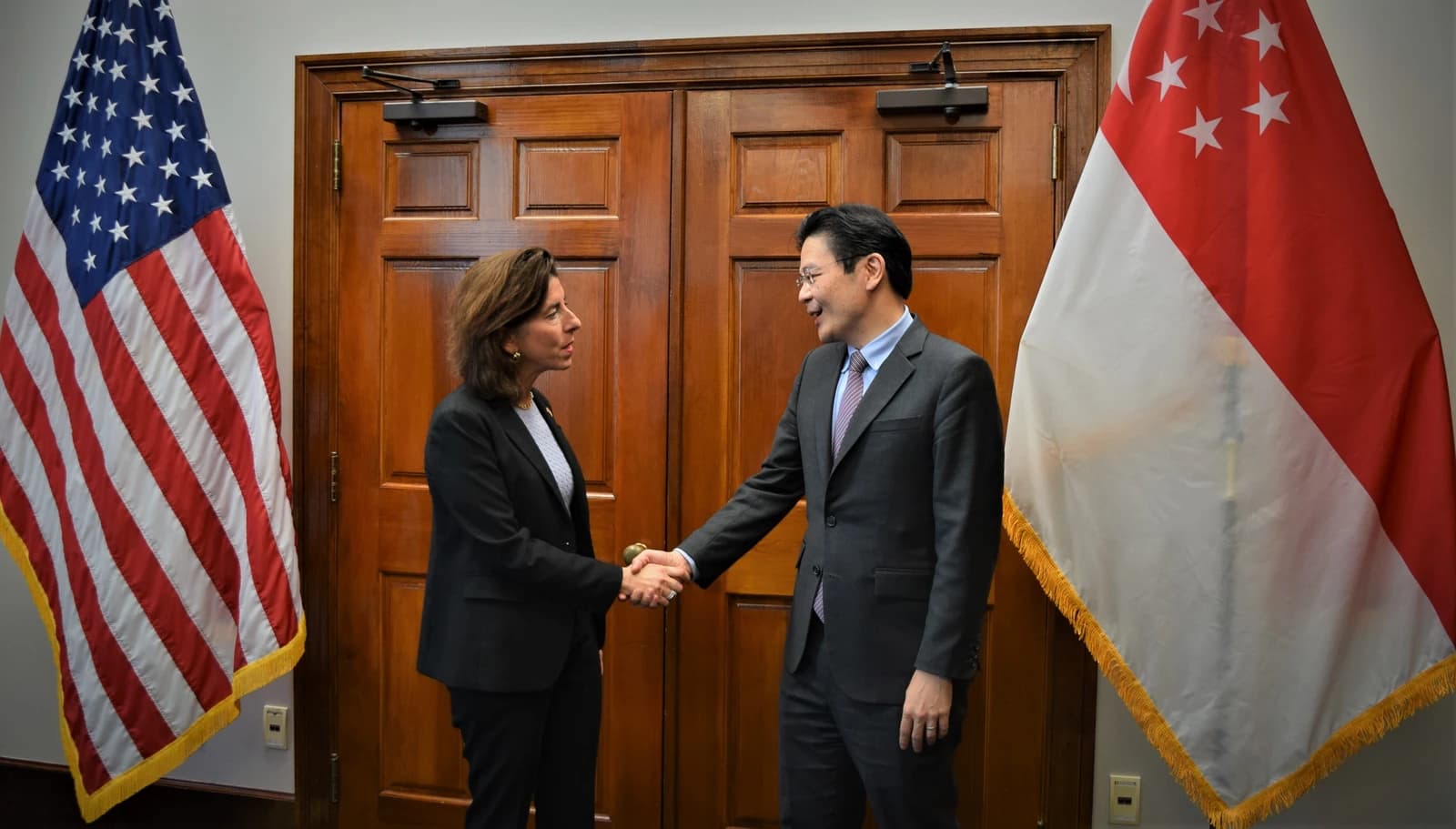
That delay matters because the measure could lift consumer prices, disrupt supply chains and reshape trade flows across Asia just as Washington is trying to avoid a fresh flare-up with Beijing. Nikkei Asia reported, citing knowledgeable sources, that U.S. trade investigators have essentially completed reviews of 16 economies over alleged excess production in sectors ranging from solar panels and chemicals to autos, though the timing of any announcement remains unclear.
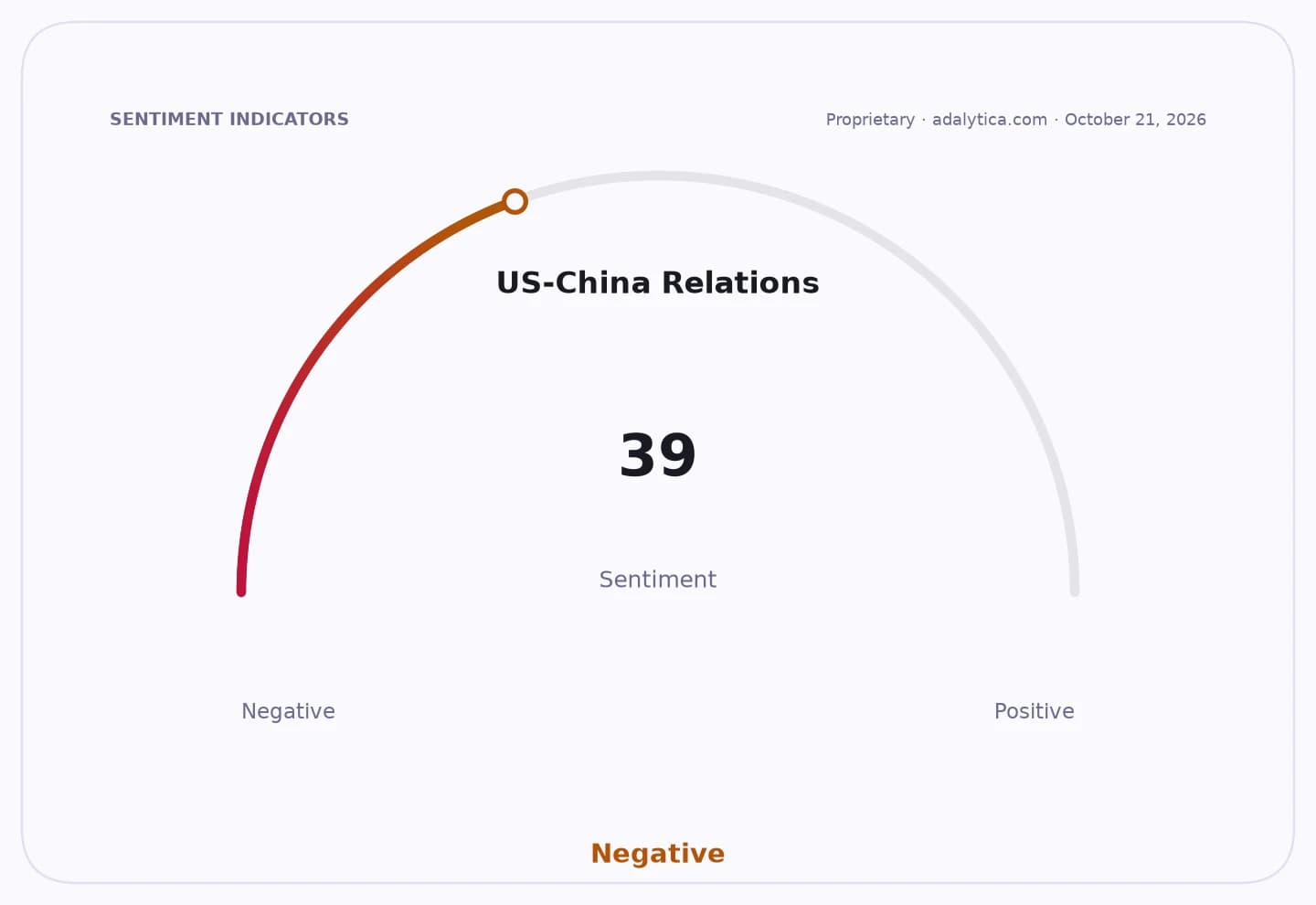
Sentiment Indicators
US Dollar
A tariff package tied to overcapacity would amount to another attempt by President Donald Trump to revive a protectionist agenda that has been slowed by legal and political constraints. Sources cited by Nikkei said China could face a 7.5% levy, with other economies potentially hit at similar or lower rates. The administration had already imposed 10% to 12.5% duties on 59 countries and the European Union in July after a separate investigation into forced labor, while previous global tariffs expired.
The economic stakes are straightforward: a New York Fed study published in October found that every 1 percentage point increase in average U.S. tariffs raises consumer prices by about 0.25% over a year. That is a sensitive calculation heading into midterm elections, with cost of living still the dominant issue for many voters. About eight in 10 Americans surveyed said tariffs have hurt living costs, and 37% of voters identified inflation and everyday expenses as the most important issue in the November 3 midterm contest.
US Dollar
For investors, the largest immediate risk is that tariff action hits sentiment in China- and Asia-exposed assets before there is clarity on scope or timing. Chinese equities tracked by the FXI ETF were already under pressure, with the fund falling to $33.08 on October 30 from $39.17 in early December and trading below both its 50-day and 200-day moving averages, while its RSI reading of 35.1 suggested weak momentum. Japan’s EWJ ETF slipped to $92.91 on October 30, also below its short- and long-term moving averages, reflecting caution around the export outlook. Hong Kong’s EWH was more resilient, ending at $22.52, but still sat only slightly above its longer-term trend line.
A tariff differential that penalizes China less than alternative suppliers could also reshape manufacturing decisions. Chad Bown of the Peterson Institute told Nikkei that companies that moved production out of China may reconsider if Chinese goods end up facing lower tariffs than substitutes from other countries. That would be particularly relevant for sectors such as electronics, autos and industrial components, where pricing power is already thin and supply chains remain highly integrated.
The broader narrative is that Washington is trying to reassert leverage over global manufacturing overcapacity without derailing its own inflation fight or the fragile truce with Beijing. Bloomberg reported in September that USTR had delayed tariff announcements until after a Trump-Xi summit, and U.S. Trade Representative Jamieson Greer later said fresh measures could come within weeks. If the administration proceeds, the market will focus less on whether tariffs arrive and more on how selectively they are applied — and whether allies such as Japan, South Korea and the EU are insulated while Southeast Asian exporters face the heavier burden.
| Entity | Gains | Losses |
|---|---|---|
| U.S. protectionist agenda | ▲Reasserts leverage | ▼Risks higher inflation |
| China exporters | ▲More competitive than some rivals | ▼Faces fresh tariffs |
| Japan, South Korea, EU | ▲Possible lower tariff cap | ▼Export uncertainty |
| U.S. consumers | ▲None immediately | ▼Higher import prices |