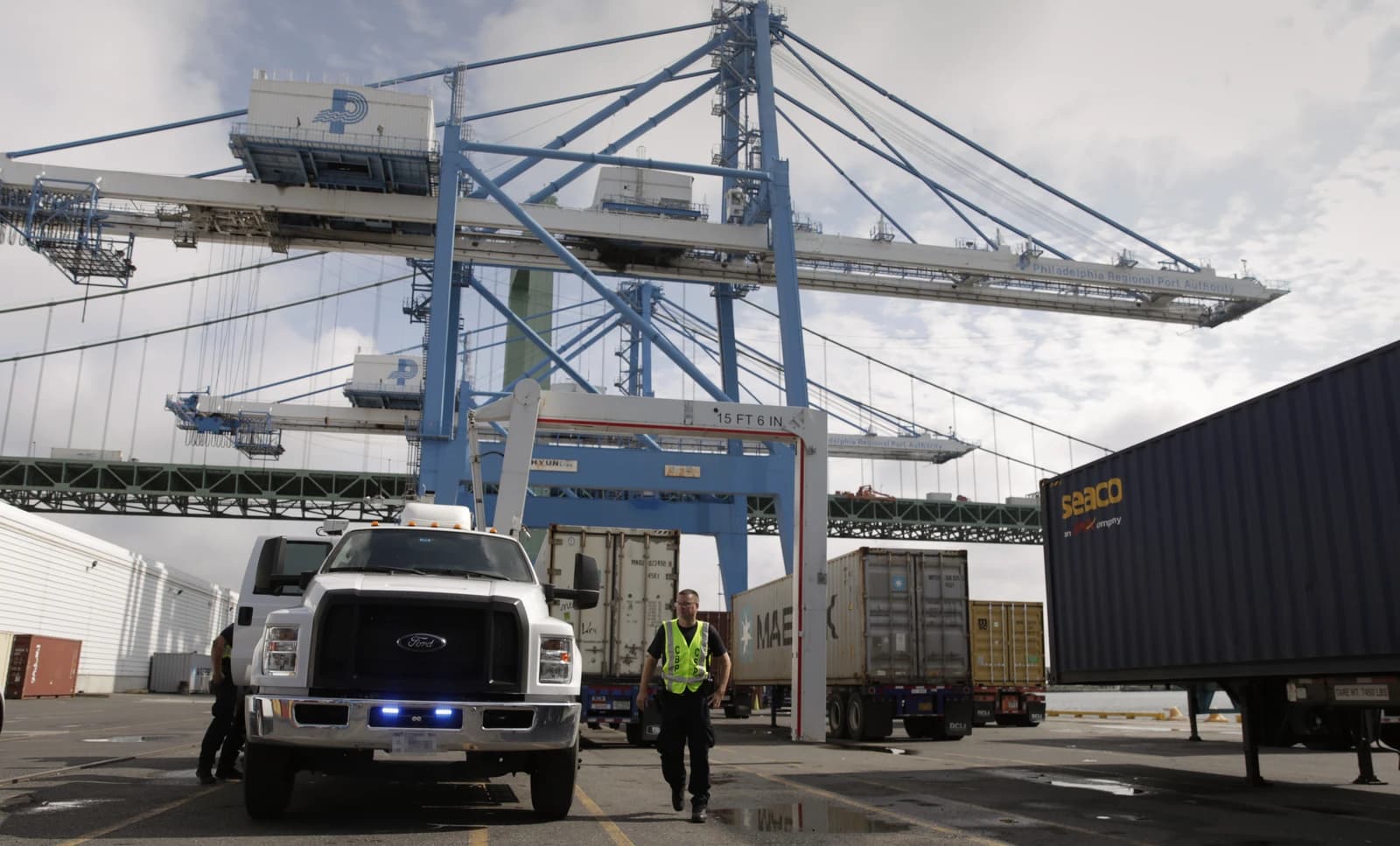
Building costs in the US are poised to rise as Washington steps up scrutiny of low-cost Chinese imports, a shift that could tighten margins for homebuilders, remodelers and suppliers already facing uneven demand and elevated financing costs.
US building costs rise on Chinese import scrutiny
The immediate economic risk is that cheaper imported inputs become harder to source just as domestic manufacturers are still rebuilding pricing power. That matters because construction materials sit near the base of the housing and renovation cost stack: when the price of components rises, the hit filters quickly through project budgets, contractor bids and ultimately house prices. The latest producer price data show industrial goods inflation has remained sticky, with the US producer price index for commodities at 295.708 in September, up from 256.978 in April 2024 and well above pre-pandemic levels, underscoring how sensitive the sector remains to supply shocks.
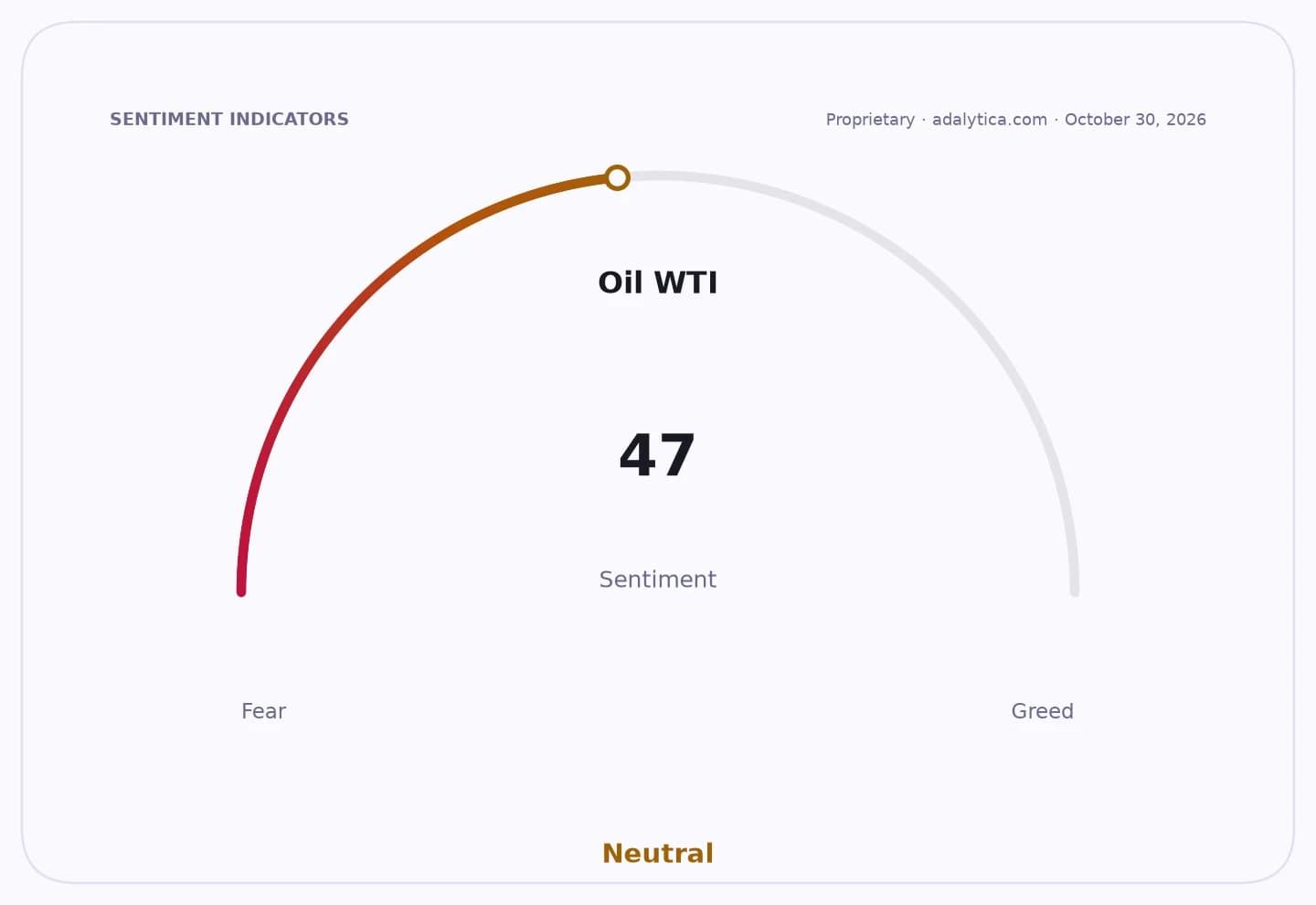
Sentiment Indicators

The policy backdrop is a growing push to curb what domestic producers and small businesses describe as unfair trading from Chinese goods, particularly building products that can undercut local competitors on price. For importers, that may mean higher duties, more customs scrutiny or delayed shipments. For domestic firms, it offers a chance to claw back market share and pricing discipline after years of pressure from low-cost foreign supply.
Investors are already pricing in a more volatile cost environment across the building products chain. JELD-WEN’s shares have slumped to $1.38 from $2.93 in February, while Masco and Installed Building Products have also retreated from earlier highs, reflecting concerns about demand, input costs and margin resilience. The 50-day and 200-day moving averages on several names show how quickly sentiment has deteriorated, even as some stocks briefly rebounded on hopes of better pricing or tariff relief. That leaves the sector vulnerable to any new trade actions that raise landed costs without a corresponding pickup in end-market demand.
The broader macro picture is not especially forgiving. Industrial production is still expanding, with the Federal Reserve’s index at 103.9506 in September and forecast to edge higher in October, but the gain is modest and does not point to a strong enough construction cycle to absorb large input-price shocks easily. At the same time, consumer prices remain elevated, leaving homeowners and developers with less room to pass through higher costs.
For investors, the key question is whether any new restrictions on Chinese building imports end up supporting domestic pricing more than they hurt volumes. Bullish investors will argue that better trade enforcement could aid US manufacturers and distributors with domestic capacity. The bear case is that higher costs will compress demand in a soft housing market, pushing builders to delay projects and forcing suppliers to absorb part of the increase.
The next catalyst is whether policymakers move beyond rhetoric into concrete enforcement that affects specific categories of building materials. If they do, the winners will likely be domestic producers with local supply chains; the losers will be import-dependent distributors, homebuilders and price-sensitive consumers.
| Entity | Gains | Losses |
|---|---|---|
| US building-material makers | ▲Better pricing power | ▼— |
| Homebuilders and remodelers | ▲— | ▼Higher input costs |
| Importers of Chinese goods | ▲— | ▼Tariffs, delays |
| Consumers | ▲Domestic supply security | ▼Higher construction prices |