Iron and cement prices moved in opposite directions on Thursday, a split that matters because construction materials remain a direct input to housing, infrastructure and private development costs in Egypt.
Egypt steel prices rise as cement slips
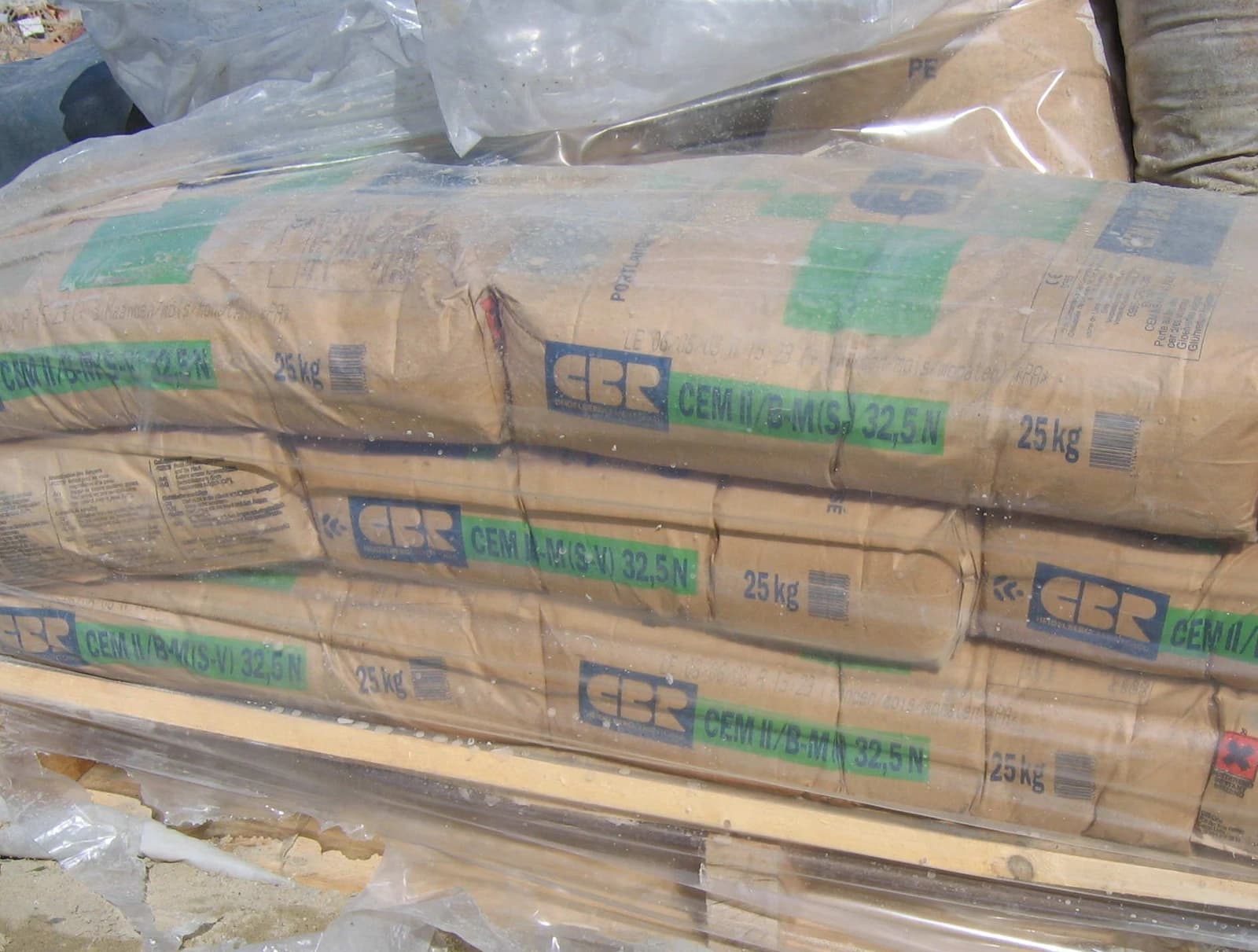
At the factory gate, a ton of Ezz steel rose to 40,105 pounds and investment-grade steel to 38,530 pounds, while the gray cement price eased to 4,105 pounds a ton, according to the latest local price portal update. The move underscores how building costs are being shaped less by a single broad trend than by different supply-and-demand dynamics across materials that are often bundled together in project budgets.
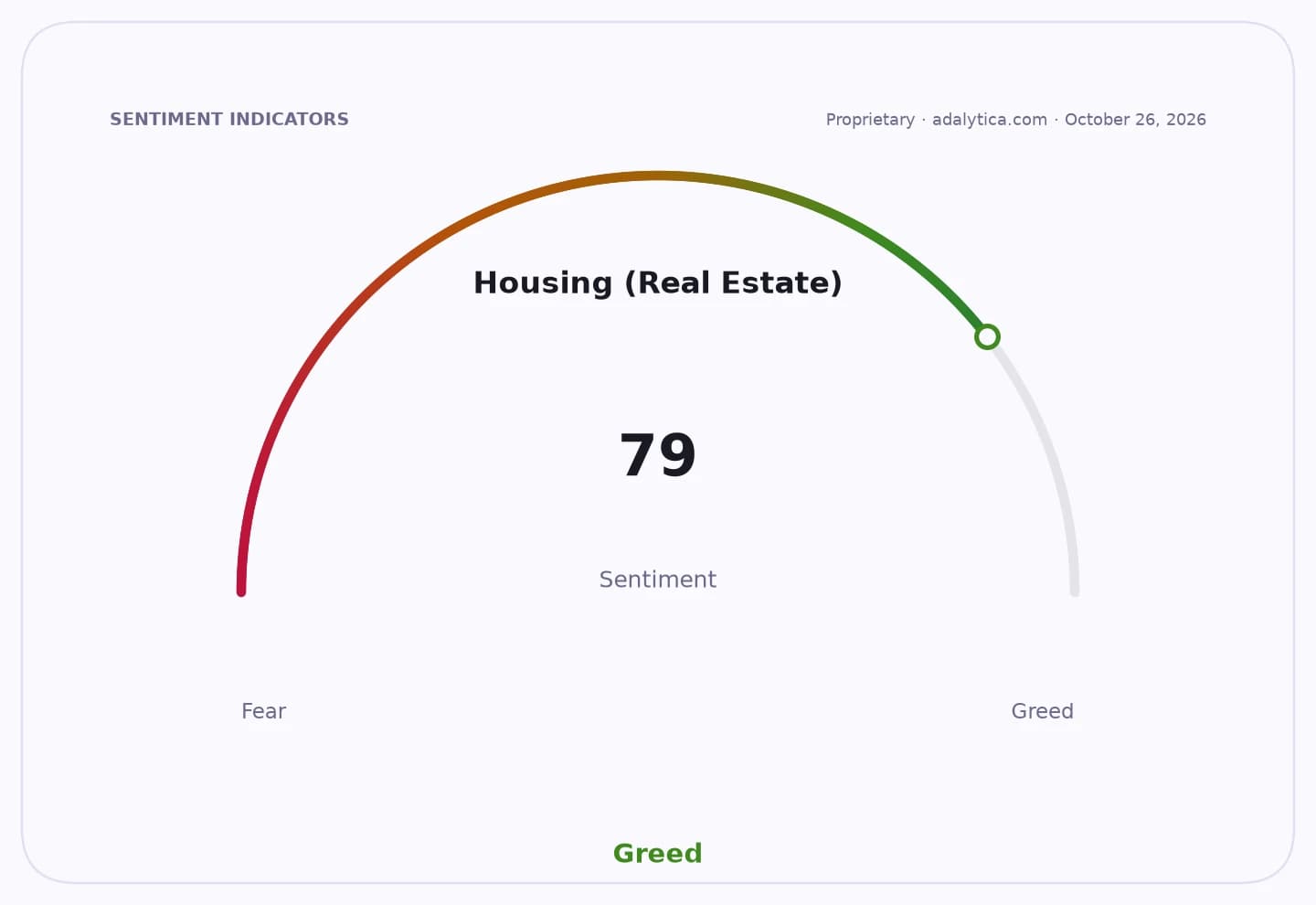
Sentiment Indicators
For developers and contractors, the mix is important. Higher steel prices lift the cost of reinforced concrete, towers and infrastructure works, while softer cement helps offset part of that bill, but only partly. Steel typically carries greater weight in structural projects than cement, so the rise in rebar prices is likely to matter more for margins and bid pricing than the modest decline in cement.
The pricing backdrop also fits a broader global industrial slowdown. Iron ore prices have fallen to more than two-year lows amid concern over weaker Chinese demand, even as Chinese industrial output is projected to keep edging higher. That tension matters for commodity markets because China remains the key marginal buyer for iron ore and a major influence on steel pricing worldwide. The weaker iron ore backdrop could eventually filter through to finished steel costs, but for now local Egyptian steel pricing is still being supported by domestic market conditions.
Regional and international benchmarks point to a market that is not collapsing, but is clearly under pressure. U.S. industrial production is still forecast to inch higher in October, while U.S. housing starts are expected to rebound modestly from September. Those indicators matter because they speak to the health of construction-related demand in the wider economy, including for aggregates, cement and steel products. Shares of major U.S. materials producers such as Vulcan Materials and Martin Marietta have also reflected that uneven backdrop, with both names trading well below earlier-year highs.
For investors, the key question is whether the current pricing pattern marks a temporary pause or the beginning of a more durable easing in raw-material inflation. A sustained decline in iron ore would eventually favor steel consumers and housing builders, but it could also signal softer industrial demand globally. For now, the immediate message is simpler: construction input costs are diverging, and that leaves project economics more dependent on product mix than on a single headline price trend.
| Entity | Gains | Losses |
|---|---|---|
| Builders and contractors | ▲Lower cement input cost | ▼Higher steel bill |
| Steel producers | ▲Firmer local pricing | ▼Slower iron ore backdrop |
| Cement buyers | ▲Slight relief on gray cement | ▼Limited offset to steel inflation |
| Developers and homebuilders | ▲Better cost control on non-structural work | ▼Pressure on project margins |