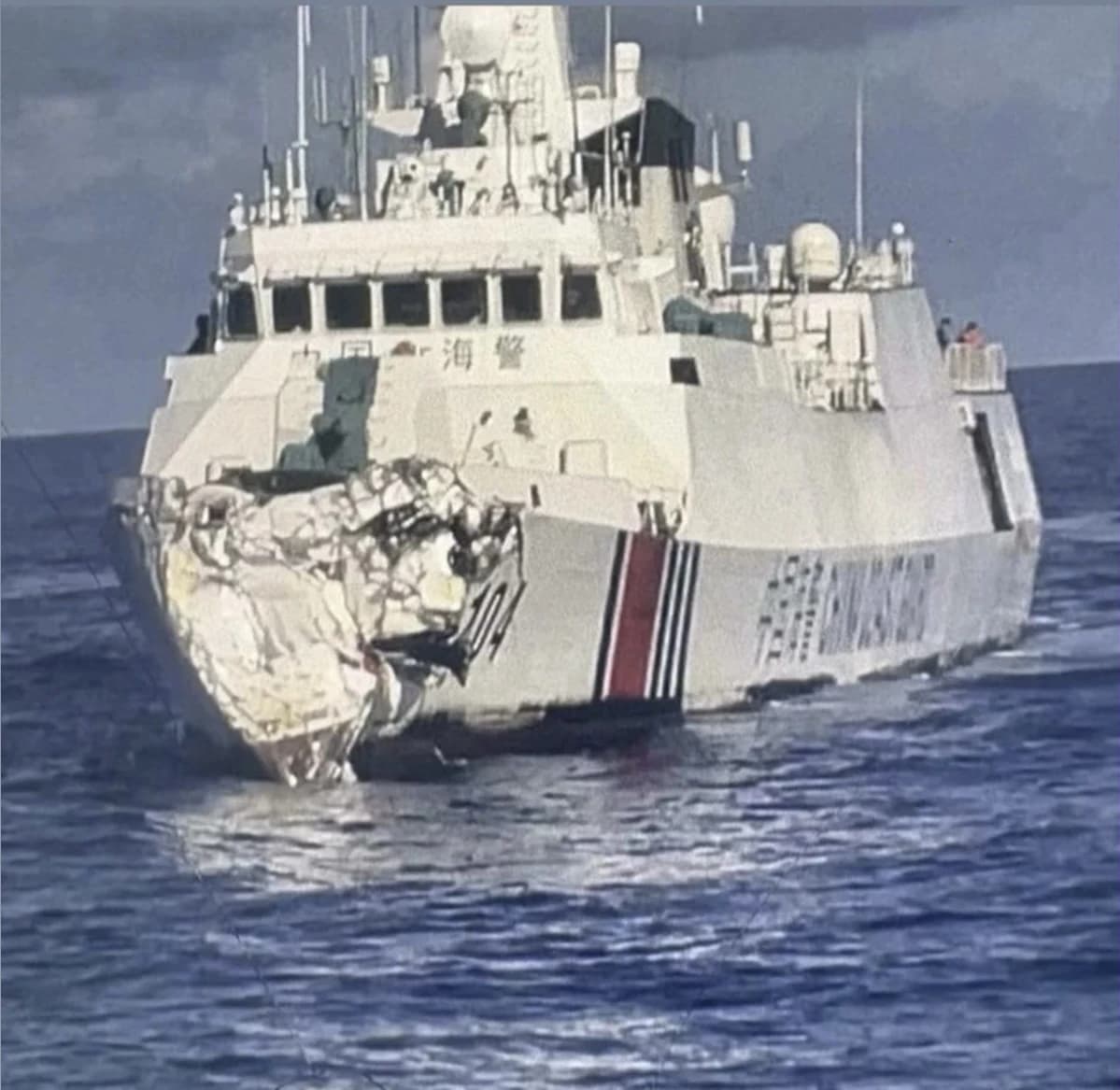
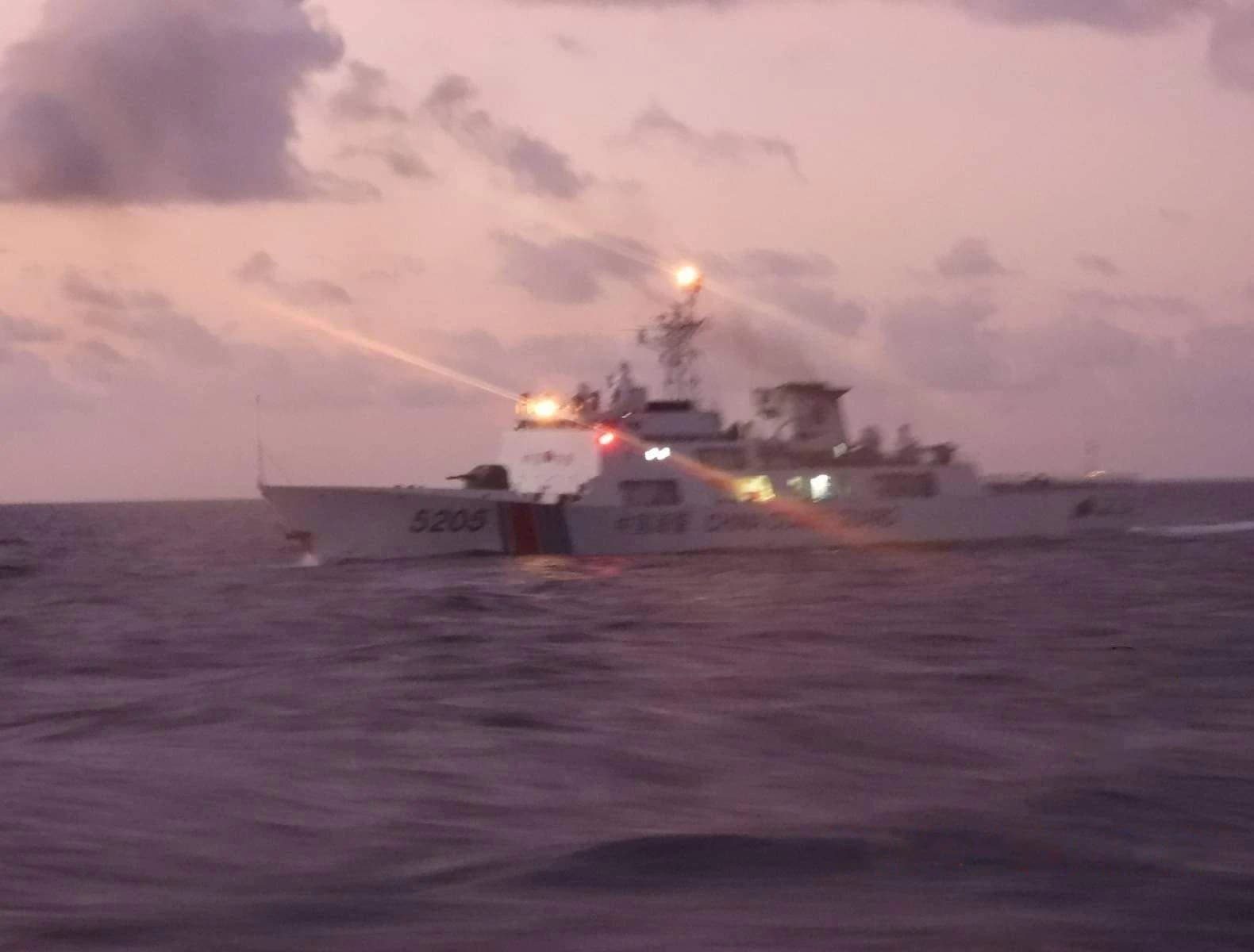
China stepped up military pressure around Taiwan by sending 49 aircraft, including bombers and fighter jets, into the island’s vicinity overnight, a demonstration that underscores the risk of miscalculation in the Taiwan Strait and keeps geopolitical risk elevated for regional markets.
Taiwan reports 49 Chinese military aircraft near island
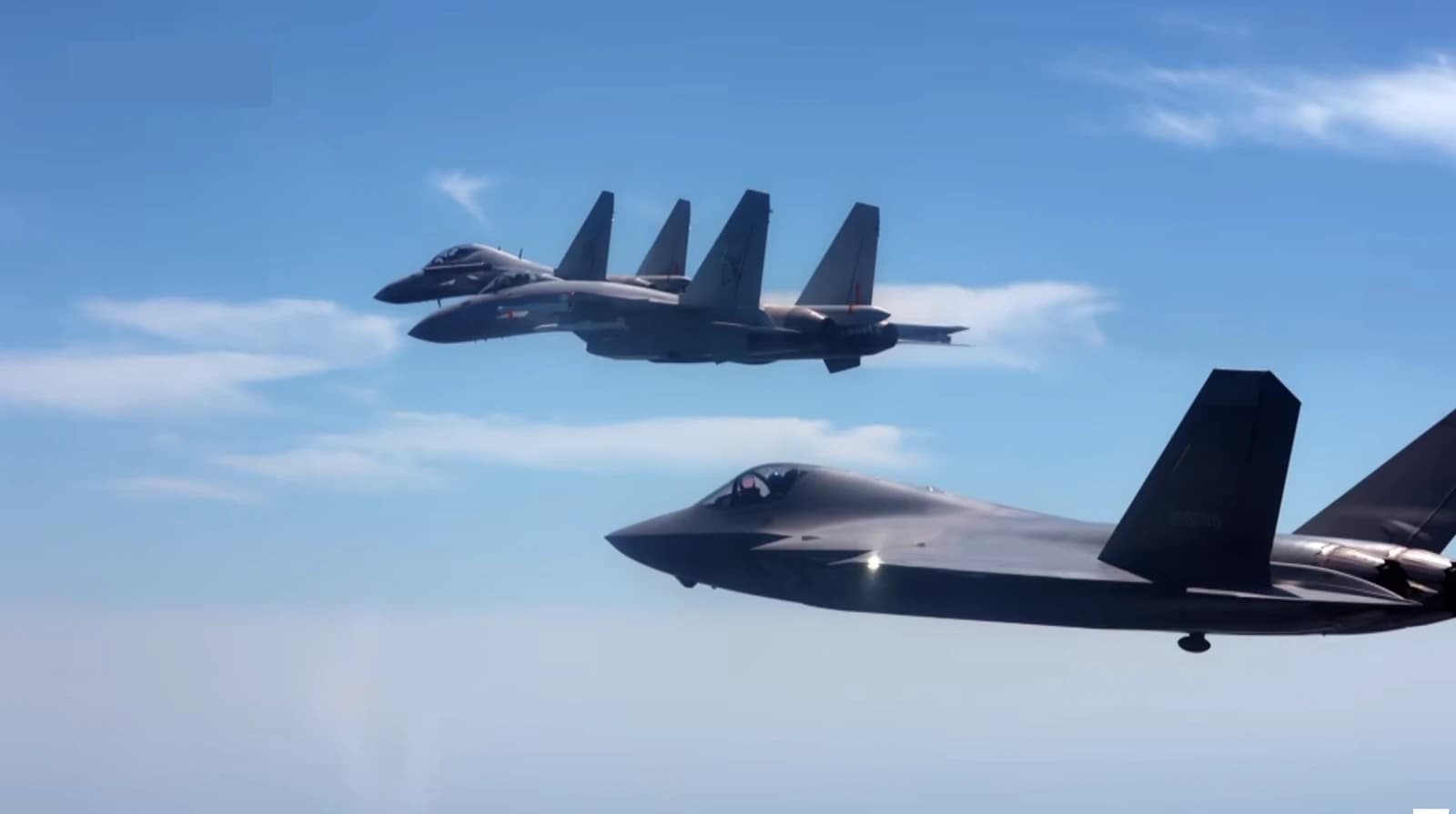
Taipei said 31 of the aircraft crossed the median line in the strait, long treated as an informal buffer between the two sides, while others operated in Taiwan’s air defense identification zone to the south, southwest and east of the island. Taiwan also tracked six Chinese navy vessels and six official government ships, and responded by deploying patrol aircraft, warships and shore-based missile systems.
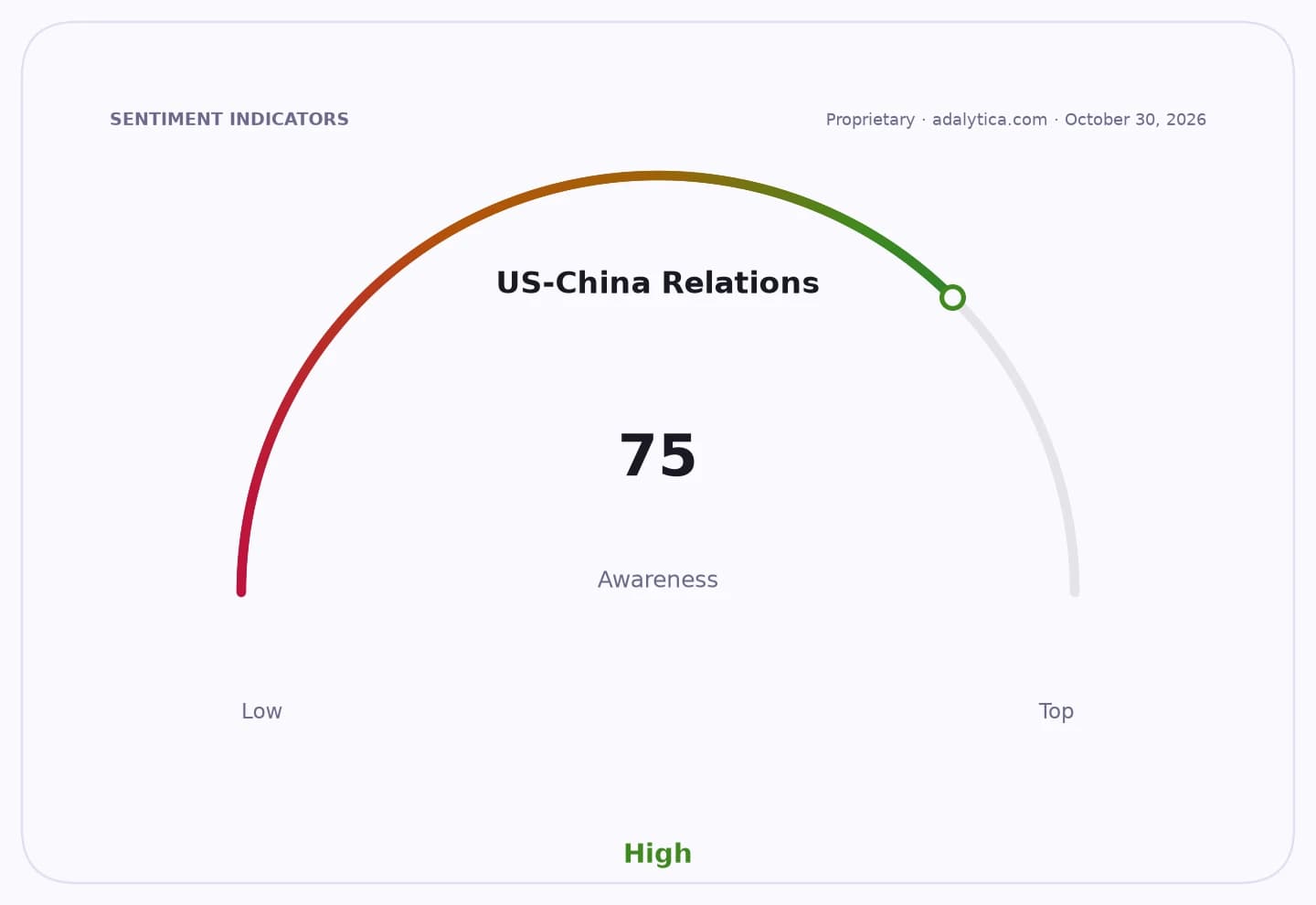
Sentiment Indicators
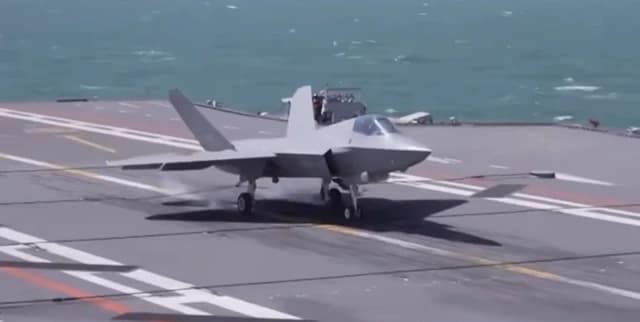
The scale and timing matter because repeated incursions gradually normalize a higher-threat environment, forcing Taiwan to spend more on readiness and making any future crisis more likely to be judged through a military lens rather than a diplomatic one. Beijing says Taiwan is part of China and has not ruled out using force to bring it under its control, while Taipei insists it is already de facto independent. That core dispute is the single biggest geopolitical flashpoint in Asia and a persistent source of uncertainty for trade, semiconductors and shipping routes that link China, Taiwan, Japan and the broader Pacific.
For investors, the immediate issue is not just the aircraft count but the prospect of a longer-lasting premium on risk assets tied to China and Taiwan. Taiwanese equities, chipmakers, insurers and logistics names are most exposed if tensions deepen, while defense spending in Taiwan tends to benefit military suppliers and firms linked to surveillance, missile defense and hardened communications. The latest sortie also comes against a backdrop of broader market caution around cross-strait relations, even as conventional technical indicators on the iShares MSCI Taiwan ETF show the fund under pressure: it recently fell below both its 50-day and 200-day moving averages, with RSI readings in the high-20s, a sign of weak momentum after a sharp selloff.
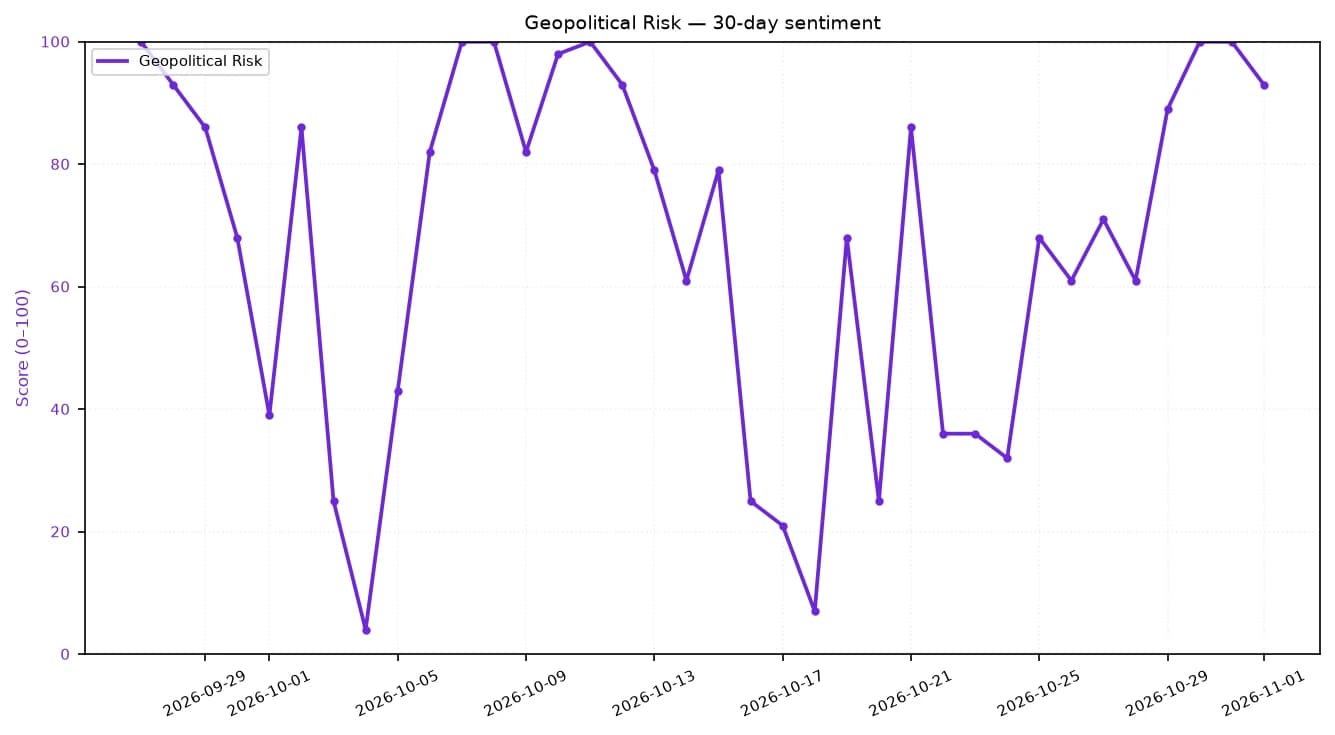
Geopolitical Risk — 30-day sentimentadalytica.com
Explore this data interactively — full history, time series and cross-market comparisons.
Geopolitical Risk
The episode also has spillover implications for energy and regional risk pricing. Any sustained escalation in the Taiwan Strait would likely feed demand for crude as traders price in greater shipping disruption and heightened security risk across East Asian sea lanes. U.S. oil proxy USO has remained volatile and elevated, reflecting a market still sensitive to geopolitical shocks even when fundamentals are mixed.
The broader narrative is that China is using routine military pressure to reshape the status quo without crossing into open conflict, while Taiwan and its partners are being forced to absorb the cost of deterrence. Unless diplomatic channels ease or Beijing scales back the pace of activity, investors should expect periodic spikes in volatility around Taiwan-related headlines, with the biggest consequences likely to fall on semiconductors, shipping, defense and the wider China risk premium.
| Entity | Gains | Losses |
|---|---|---|
| China military | ▲Deterrence leverage | ▼Diplomatic trust |
| Taiwan government | ▲Domestic support for defense | ▼Security burden |
| Defense contractors | ▲Higher procurement demand | ▼— |
| Taiwan equities | ▲— | ▼Risk premium rises |