China has tightened controls on drone exports, moving to put fresh guardrails around one of the fastest-growing and most strategically sensitive corners of the global tech supply chain.
China tightens drone export controls
That matters because drones are no longer just consumer gadgets or farming tools. They are now dual-use technologies with clear military applications, and Beijing’s move shows it wants tighter control over where advanced systems, engines and ground stations end up as global tensions stay elevated.
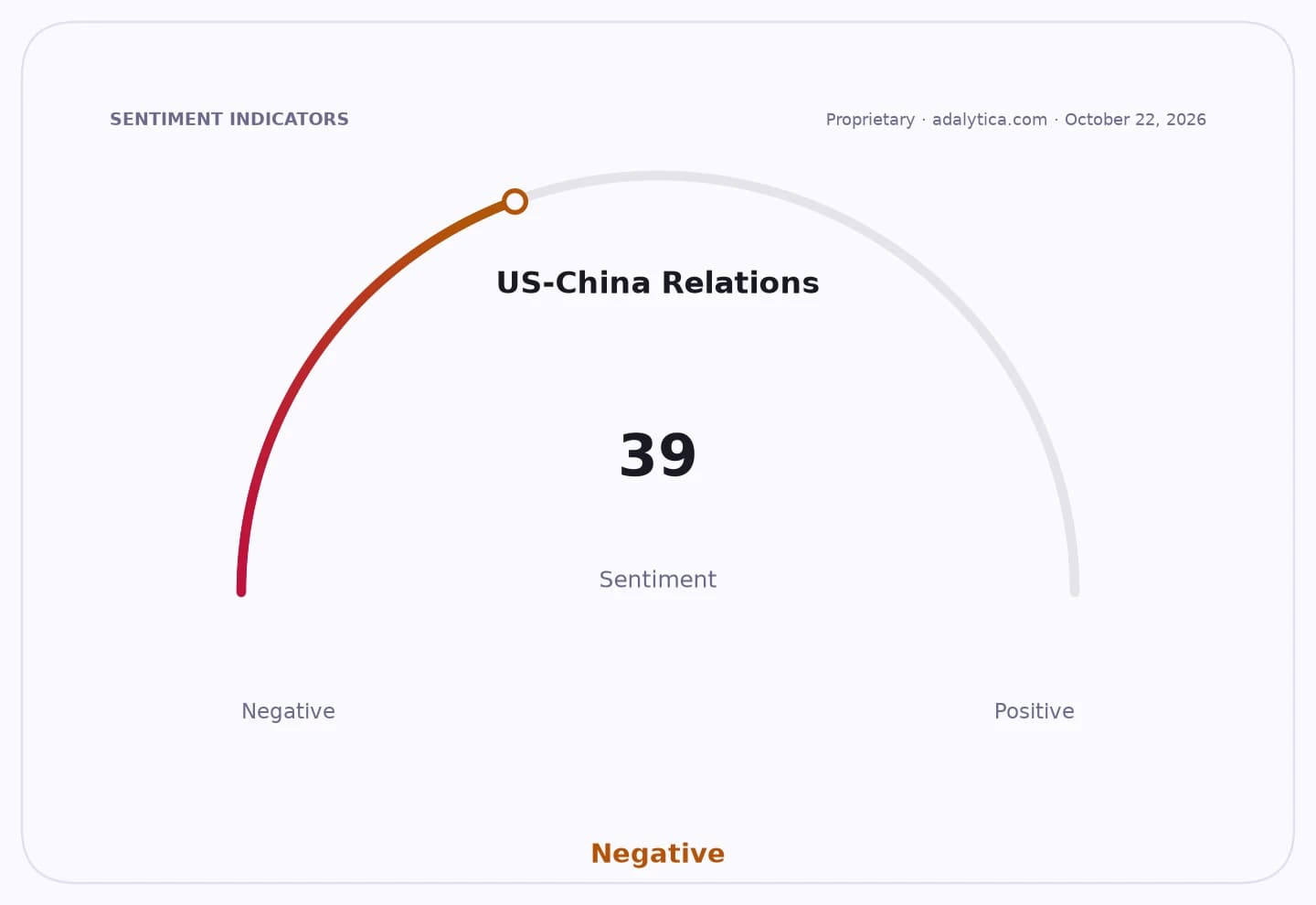
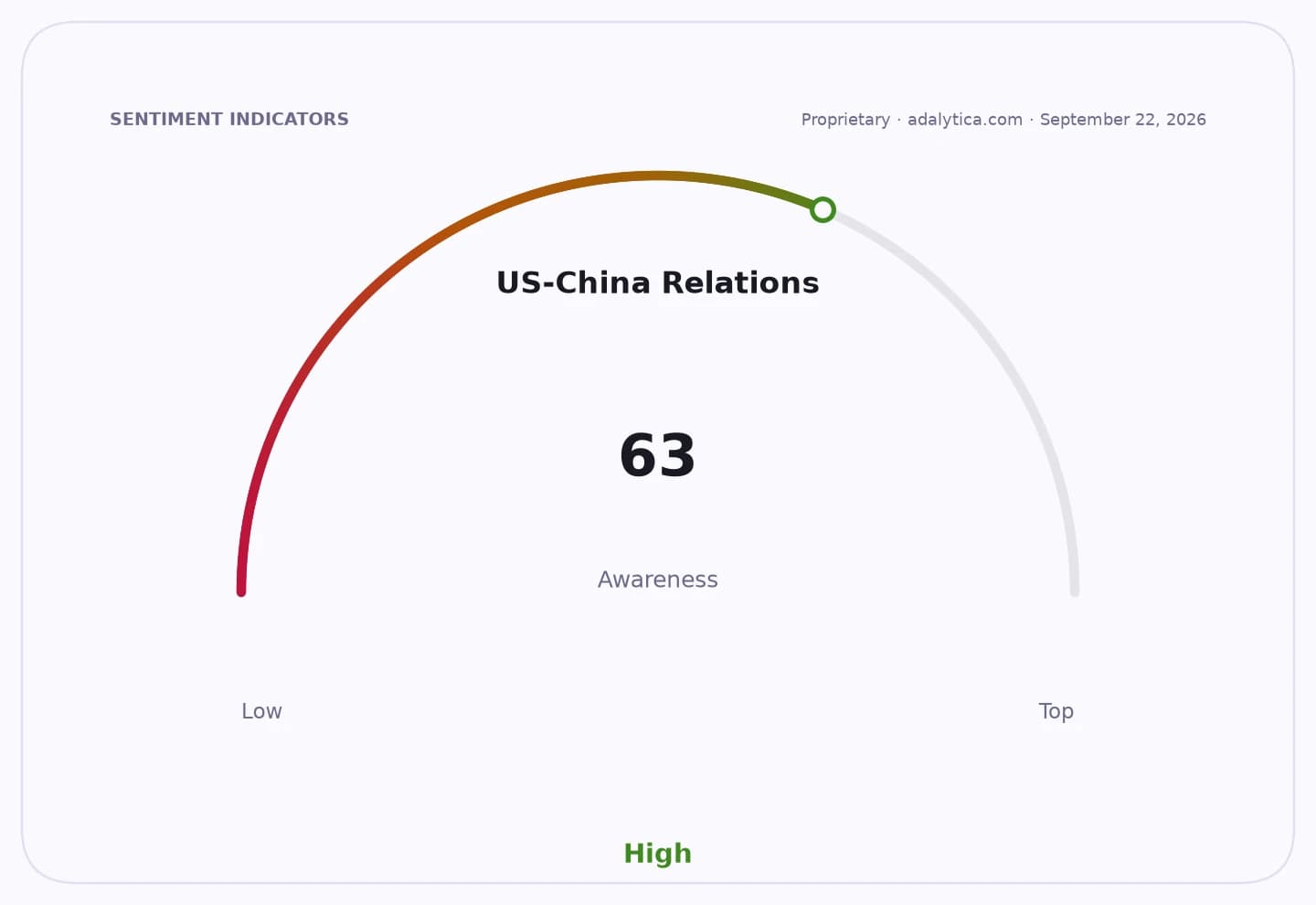
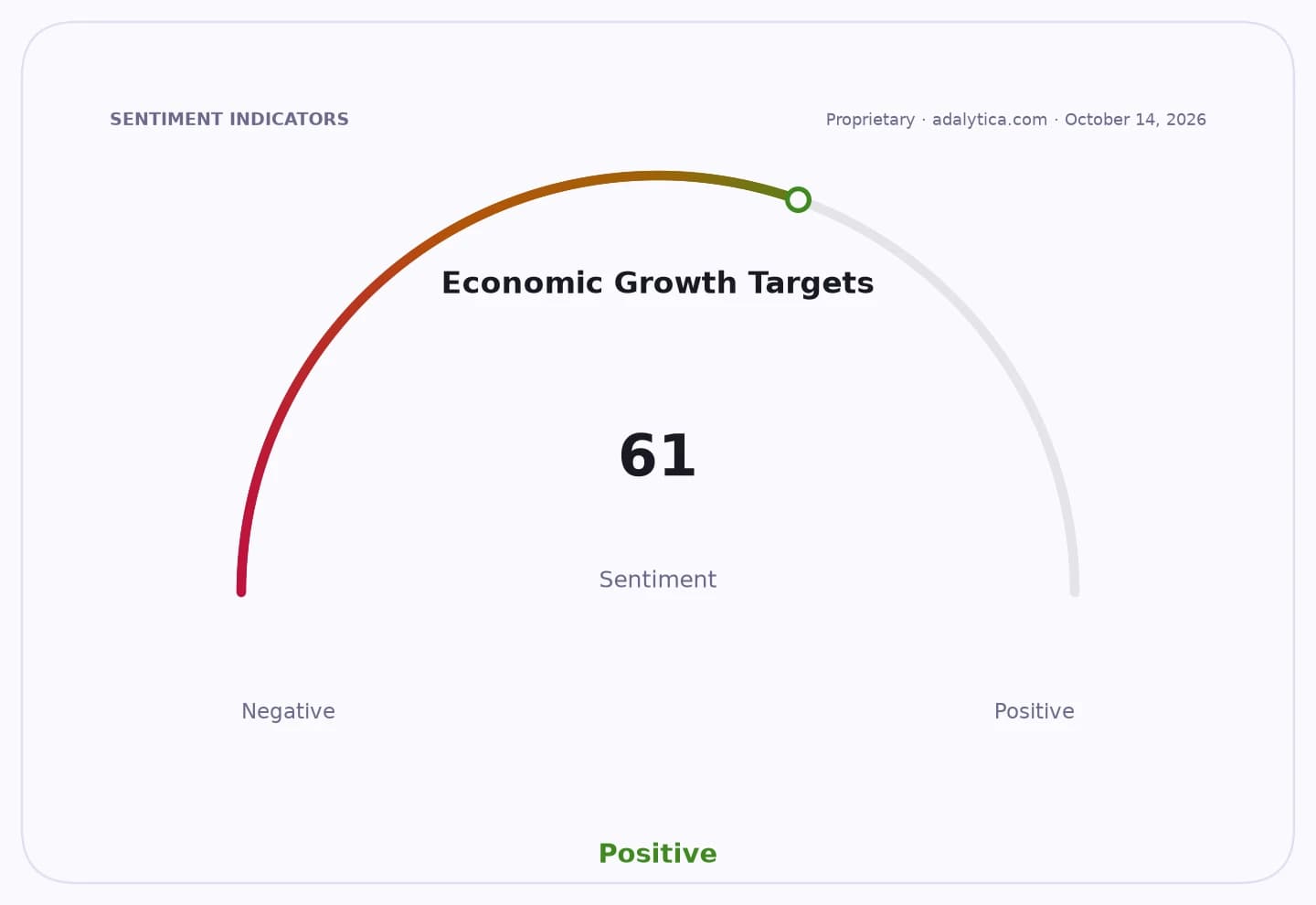
Sentiment IndicatorsⓘProprietary · adalytica.com · October 23, 2026
This is a snapshot — live sentiment, awareness and momentum for 130+ markets update continuously in the dashboard.Open AlphaPulse

Under the new rules, exports of autonomous flight-control systems and long-endurance drones will require licenses, especially for aircraft that can fly beyond the operator’s visual line of sight or stay airborne for three hours or more. China will also require batch-by-batch certification, under a simplified process, for lighter drones with flight times between 30 minutes and three hours that can handle winds of up to 46 kilometers per hour.
The controls also cover certain engines, including piston and rotary internal combustion engines designed for flights above 15,420 meters, aviation engines with maximum continuous power above 16 kilowatts and turbojet engines with thrust of at least 400 newtons. Buyers of ground stations that can control more than 10 drones at once will need separate licenses as well.
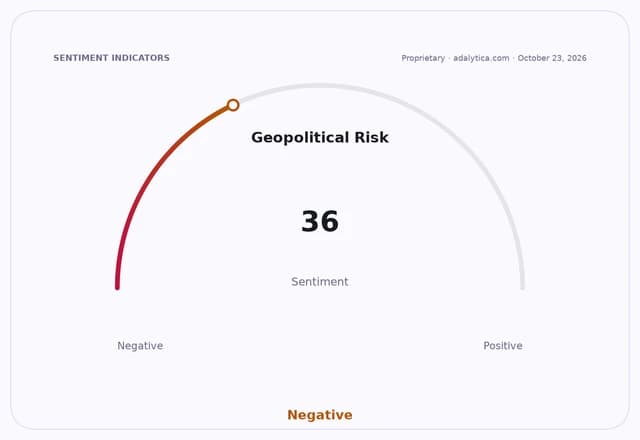
For investors, the key takeaway is that Beijing is trying to balance two goals at once: comply with international obligations on dual-use exports and keep civilian trade flowing. That usually means the most advanced products face more friction, while lower-end commercial drone sales may continue with less disruption. In practical terms, that could reshape margins and sales timing for major Chinese drone suppliers, while also nudging foreign buyers to diversify sourcing and inventory.
The timing is also important. Drones have become central to modern warfare, from battlefield reconnaissance to attacks on ships and infrastructure. A recent drone strike in the Black Sea that sank a cargo vessel and killed a crew member underscores why governments are now treating drone technology as a strategic export category, not just an industrial one.
That makes China’s policy shift bigger than a bureaucratic licensing update. It is another reminder that supply chains tied to defense-adjacent hardware are likely to face more regulation, more scrutiny and more geopolitical risk over the long term. For long-term investors, the best response is not to chase the headlines, but to understand which companies have the scale, compliance systems and product mix to keep growing even as the rules tighten. The drone market is still expanding, but the winners will be the firms that can adapt to a more controlled world.
| Entity | Gains | Losses |
|---|---|---|
| China regulators | ▲More export control | ▼Less open trade |
| Chinese drone makers | ▲Clearer licensing path | ▼Slower advanced exports |
| Foreign buyers | ▲Access to civilian drones | ▼Fewer advanced suppliers |
| Defense rivals and importers | ▲Alternative sourcing pressure | ▼Higher procurement friction |