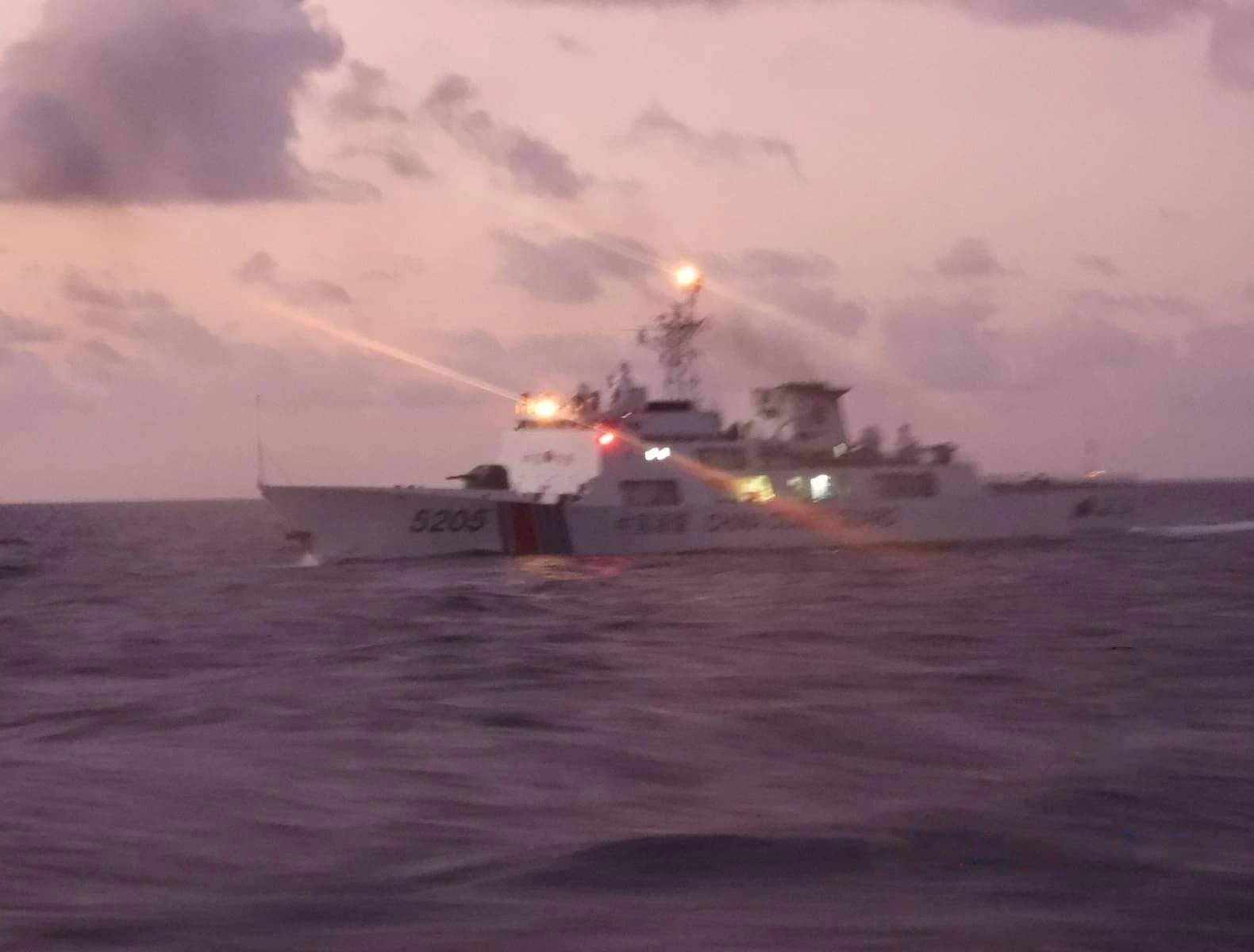
China warned Taiwan it must “take responsibility” after Taiwan’s coast guard used a water cannon against a Chinese fishing boat near the Dongsha Islands, a flare-up that underscores how quickly routine maritime enforcement can turn into a wider cross-strait confrontation.
China warns Taiwan after Dongsha coast guard clash
The dispute matters because Dongsha — also known as Pratas — sits in a strategically sensitive part of the South China Sea and is one of the few places where Taiwan exercises control over territory Beijing claims as its own. China’s Taiwan Affairs Office said Taiwan had behaved in a “violent and dangerous” way and accused it of deliberately provoking tension between the two sides of the Taiwan Strait, while vowing to protect the lives and property of Chinese citizens. It did not spell out what steps Beijing might take next.
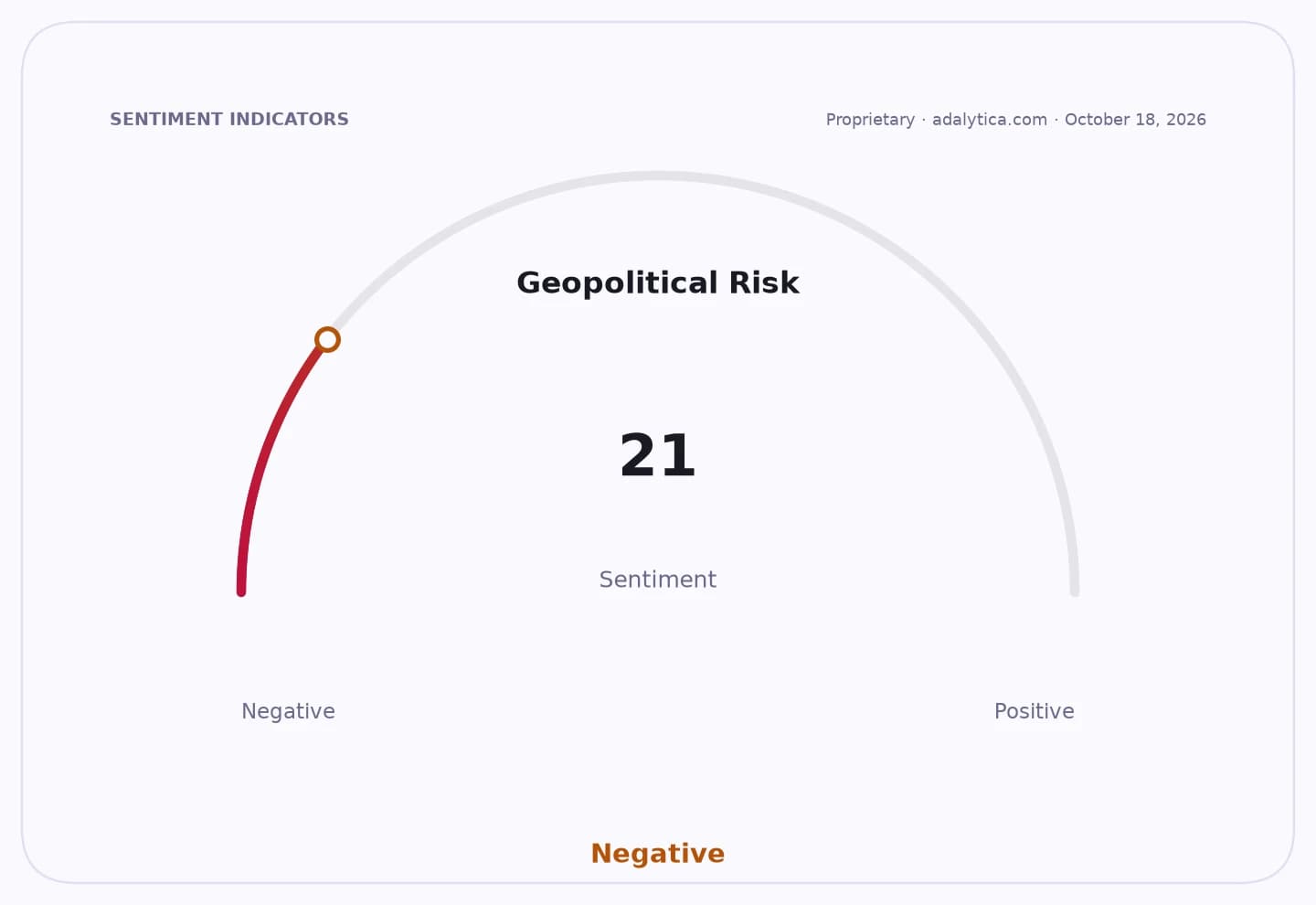
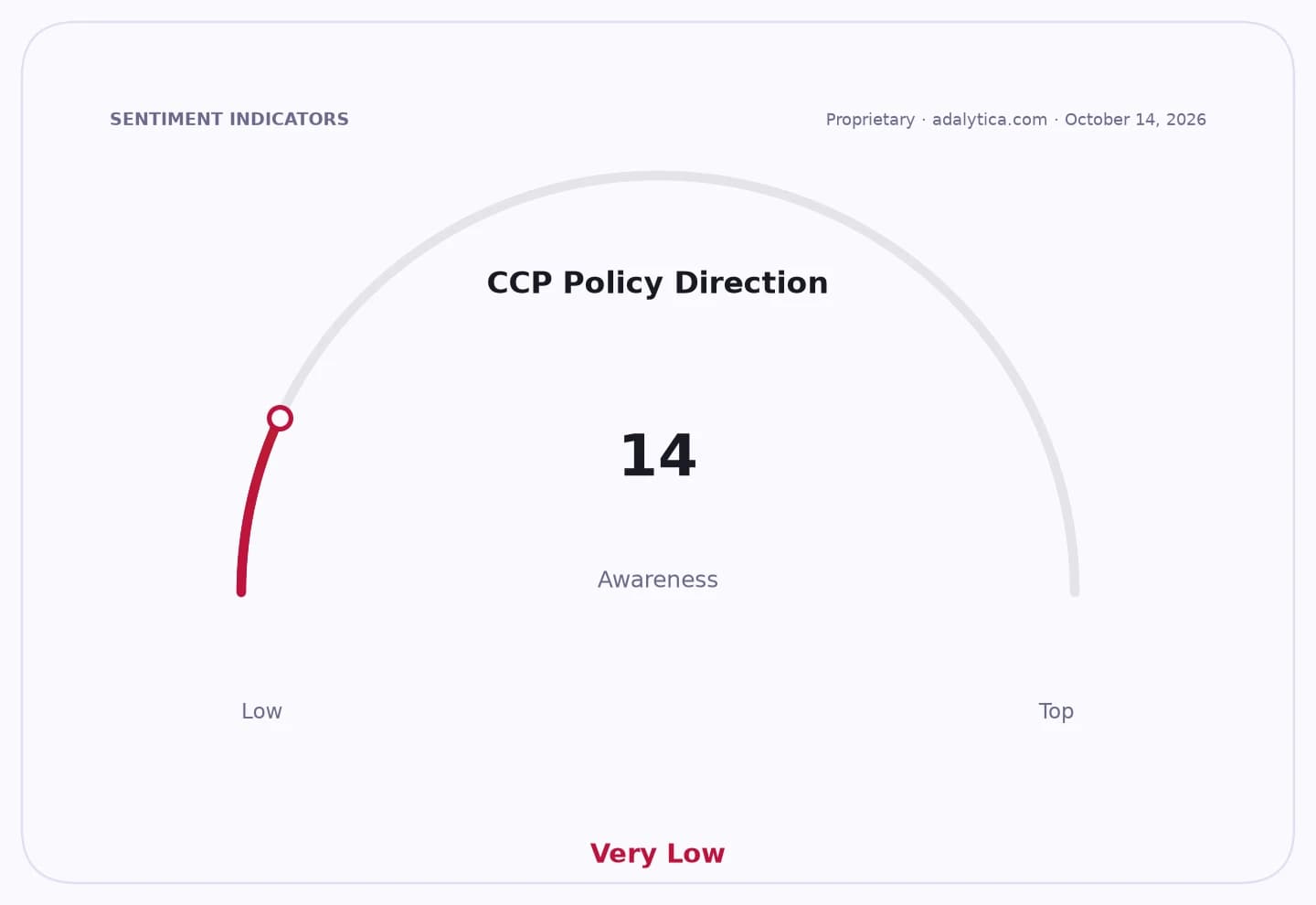
Sentiment IndicatorsⓘProprietary · adalytica.com · October 14, 2026
This is a snapshot — live sentiment, awareness and momentum for 130+ markets update continuously in the dashboard.Open AlphaPulse
For investors, the significance is less about the fishing boat than the escalation risk. Maritime standoffs around Taiwan have become a recurring feature of Beijing’s pressure campaign, but the explicit warning that Taiwan would bear responsibility for the “consequences” raises the possibility of more coast guard activity, more military signaling and a higher chance of miscalculation. That matters for regional shipping routes, insurance costs, and the broader risk premium attached to Taiwan-linked assets.
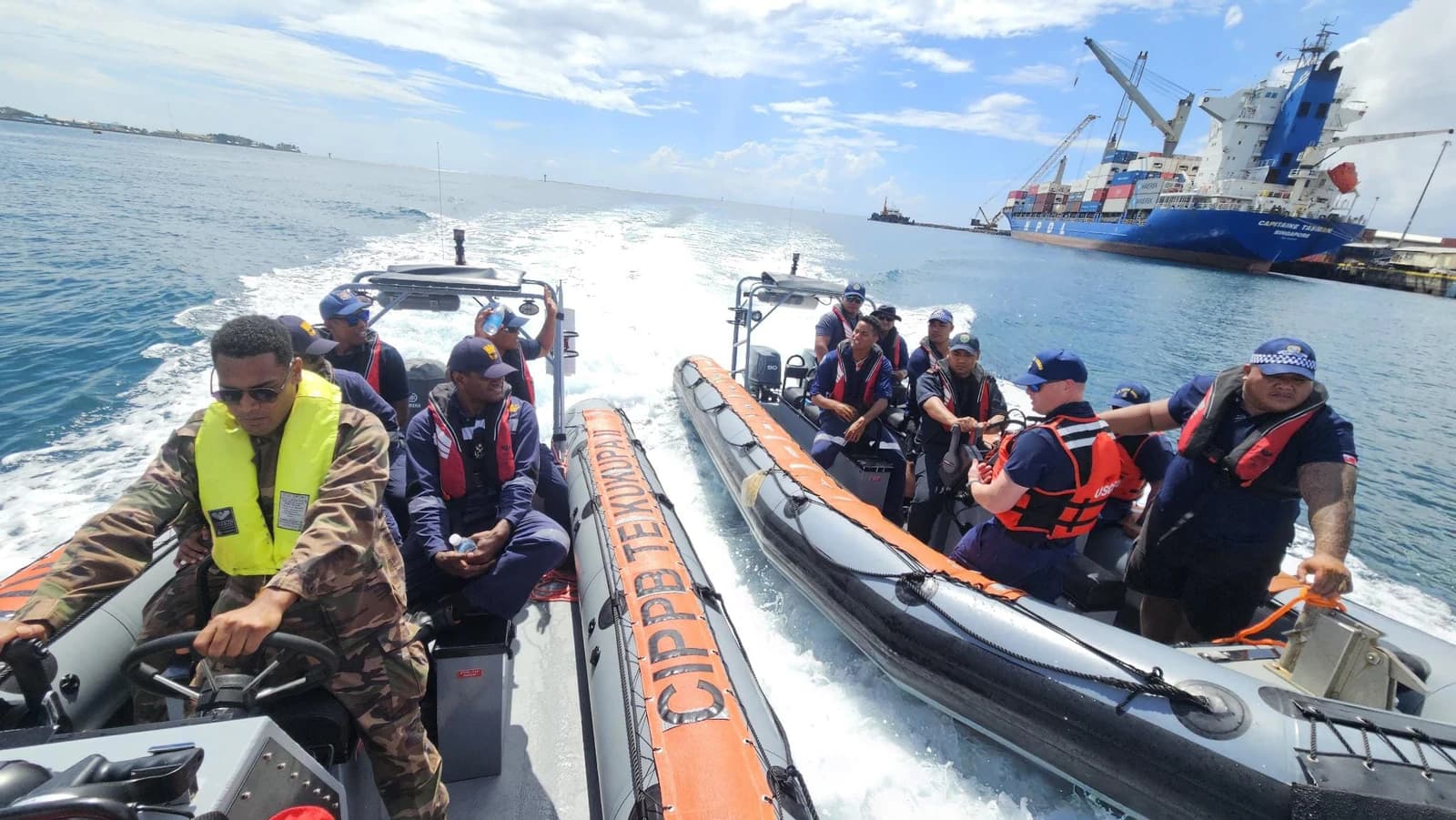
Taipei said its coast guard was carrying out normal law enforcement duties and acted with appropriate caution after the boat ignored warnings to leave restricted waters. Beijing, however, framed the incident as part of a broader contest over sovereignty, reiterating that it holds “indisputable” sovereignty over Dongsha and surrounding waters and insisting mainland vessels were operating legally there.
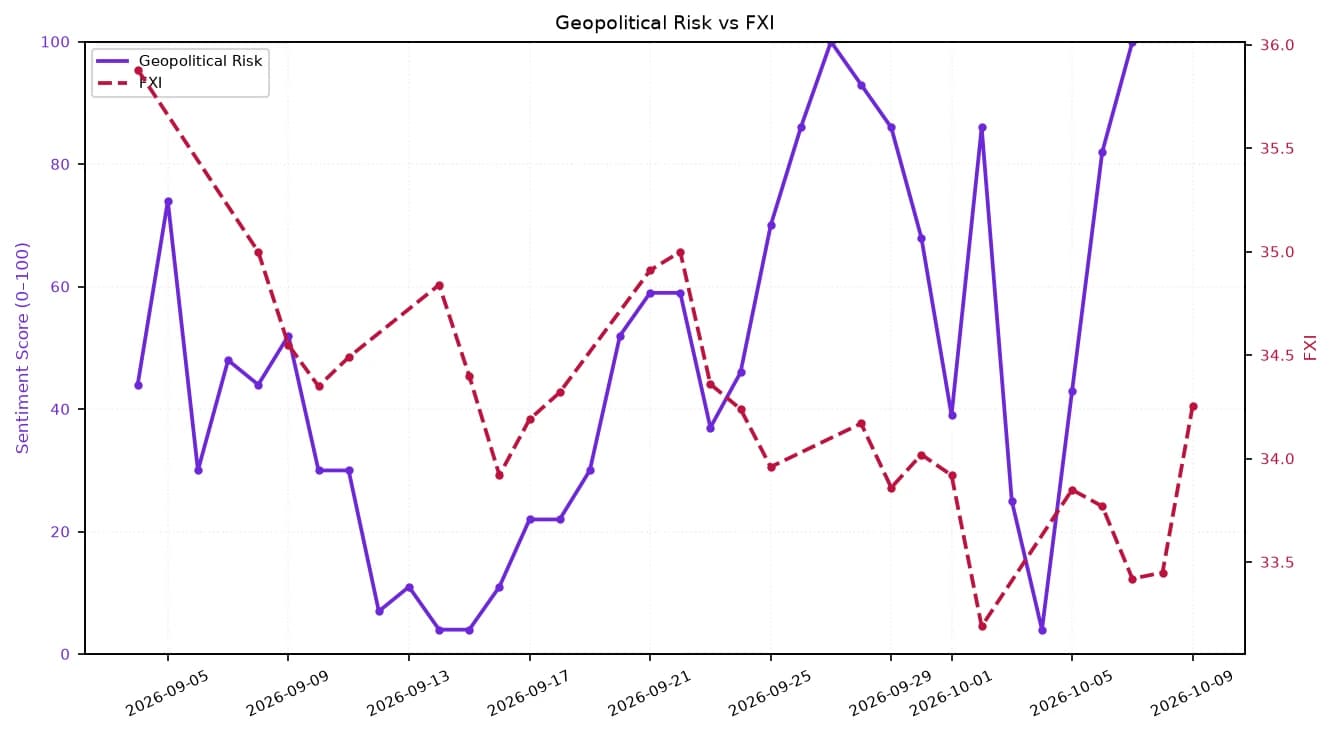
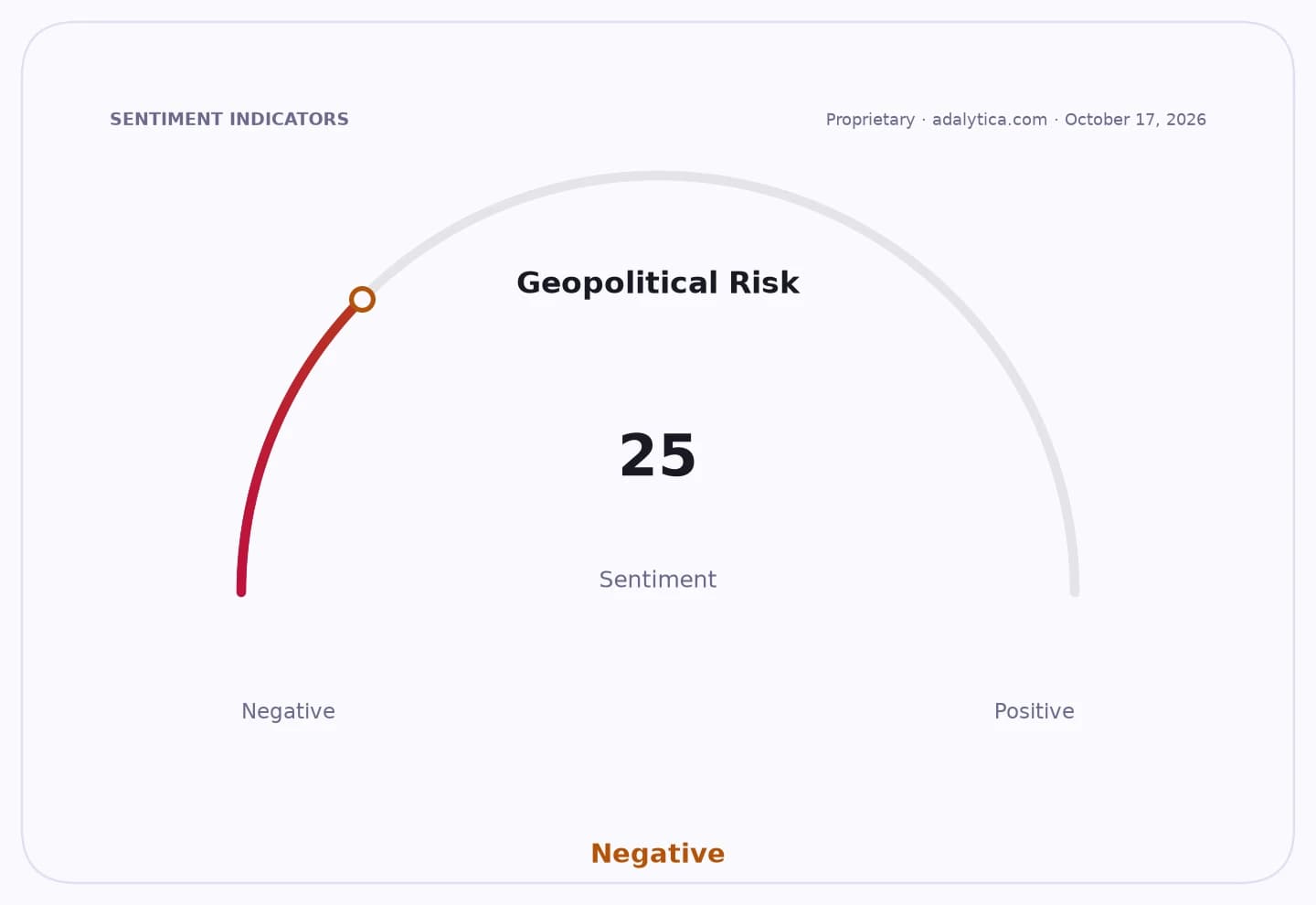
Geopolitical Risk vs FXIadalytica.com
Explore this data interactively — full history, time series and cross-market comparisons.Open AlphaPulse
The stakes are amplified by the geography. Dongsha lies more than 400 kilometers from Taiwan’s main island, making it vulnerable to pressure from China’s coast guard and maritime militia, while still being close enough to matter in any future contingency planning. China has steadily expanded military activity around Taiwan over the past five years and has increased coast guard patrols in contested waters, narrowing the space for routine enforcement to remain routine.
The market impact is immediate but usually indirect. Cross-strait tensions tend to support defense names and safety trades while weighing on Taiwan-linked risk assets if the rhetoric escalates into forceful action. In this case, the move has not yet produced a material shock in markets, but it adds another geopolitical layer to a region already central to global semiconductor supply chains and Asian trade flows. Taiwan’s strategic importance means even a limited maritime incident can ripple well beyond the immediate parties.
Adalytica’s China policy-direction gauge showed elevated concern around the incident, while the US-China relations sentiment measure remained in extreme-greed territory, suggesting markets are still treating the confrontation as contained for now. That could change quickly if Beijing responds with more patrols, sanctions, or military drills.
The central question for investors is whether this becomes another isolated warning shot or part of a more sustained pressure cycle. If China escalates with additional coast guard deployments or live-fire exercises, the implications would extend from Taiwan equities and Hong Kong sentiment to supply-chain planning across the technology sector. If the exchange fades without follow-through, it will still have reinforced the pattern that Taiwan’s maritime front line remains one of the most volatile flashpoints in Asia.
| Entity | Gains | Losses |
|---|---|---|
| China | ▲leverage in sovereignty dispute | ▼diplomatic restraint |
| Taiwan | ▲domestic support for enforcement | ▼higher security risk |
| Defense contractors | ▲firmer demand outlook | ▼none |
| Taiwan exporters/tech supply chains | ▲limited near-term effect | ▼risk premium and disruption fears |