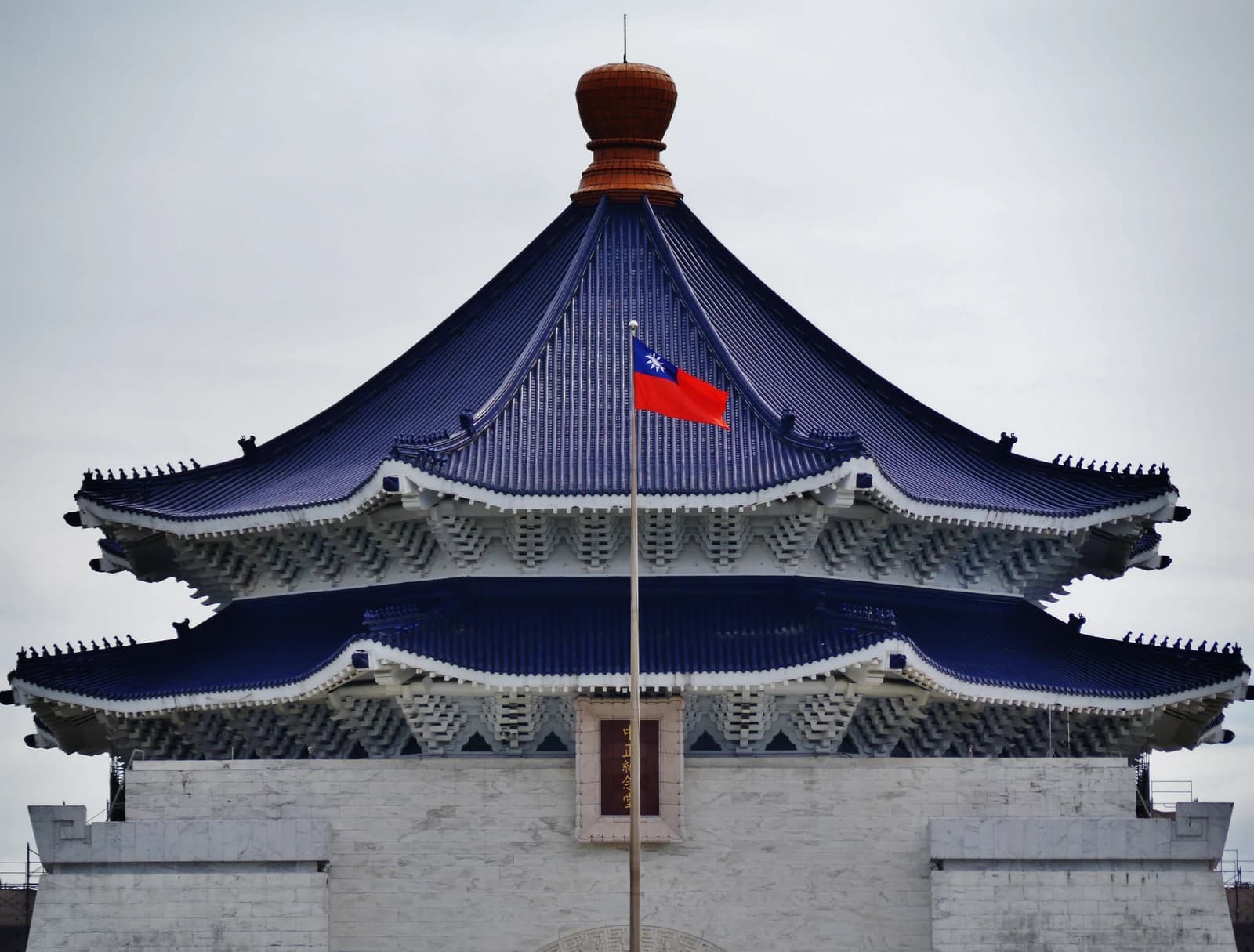
Taiwan has told its citizens not to attend China’s planned anniversary events for Sun Yat-sen, turning a symbolic commemoration into the latest flashpoint in the long-running struggle over who gets to define Chinese history and, by extension, Taiwan’s future.
Taiwan warns citizens on Sun Yat-sen China events
The warning matters because Sun remains one of the few figures both sides of the Taiwan Strait formally claim as their own. Beijing’s effort to use next month’s 160th-birthday commemorations to reinforce its “reunification” narrative collides directly with Taipei’s insistence that Taiwan’s Republic of China identity is distinct from the People’s Republic of China. In a region where political messaging often precedes military or economic pressure, even historical symbolism has strategic weight.
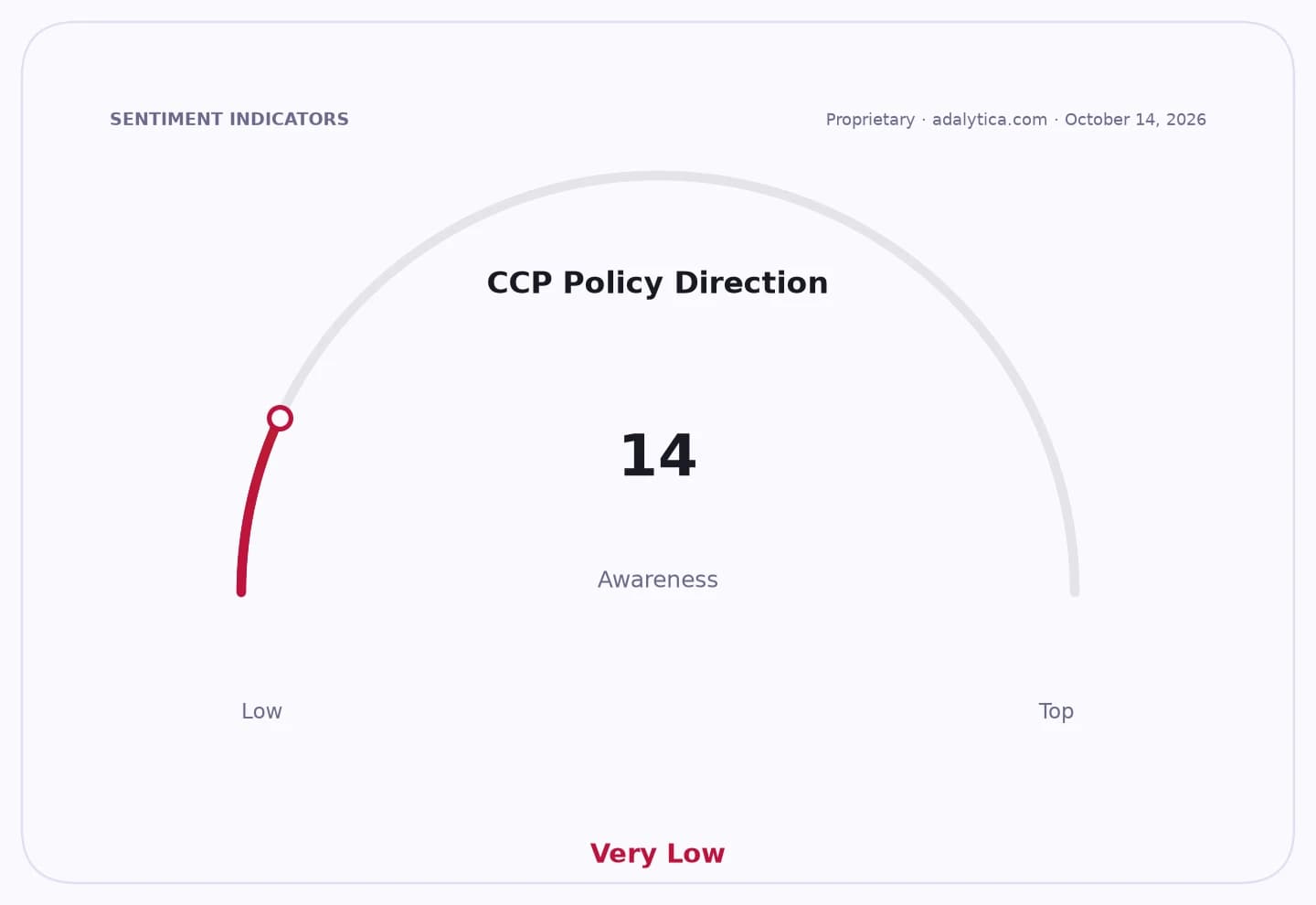
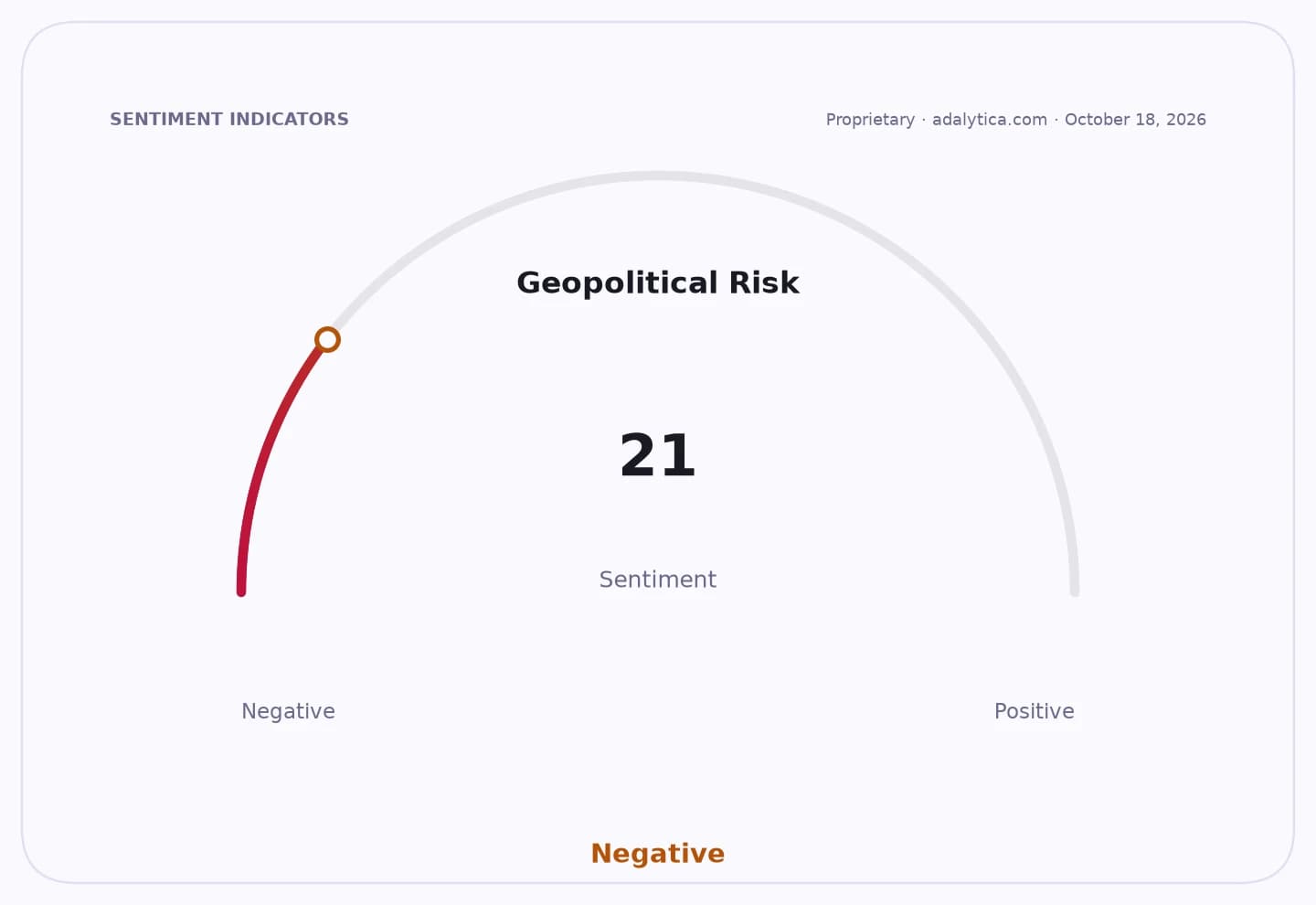
Sentiment IndicatorsⓘProprietary · adalytica.com · October 18, 2026
This is a snapshot — live sentiment, awareness and momentum for 130+ markets update continuously in the dashboard.Open AlphaPulse
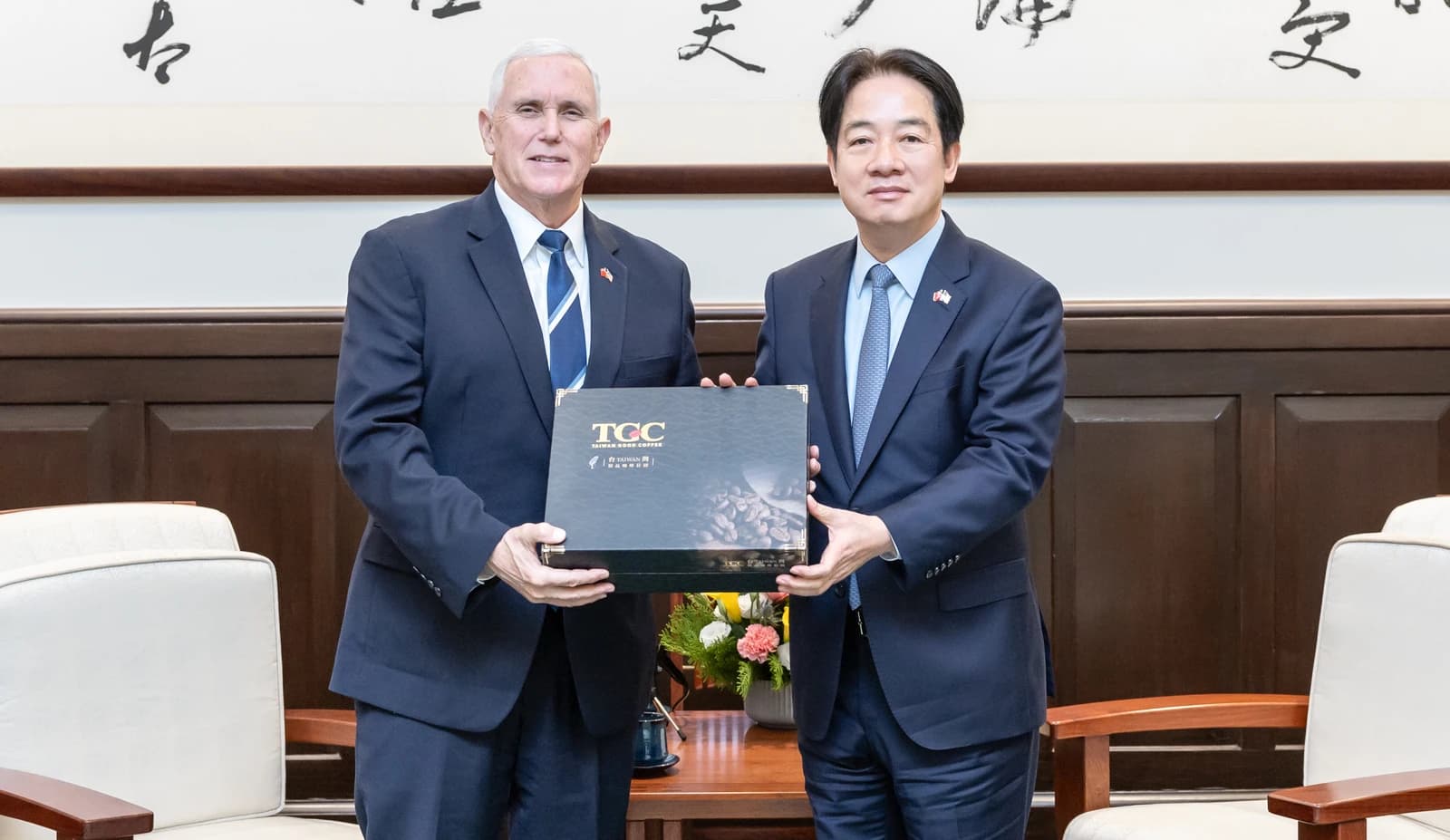
Taiwan’s Mainland Affairs Council said people should not go to China for the events and should not “echo the Chinese communists’ narratives.” It accused Beijing of twisting history to promote a line of “opposing Taiwan independence and promoting unification.” That language underscores how the Lai Ching-te administration is hardening its stance on identity politics, even as it seeks to avoid giving Beijing room to frame Taiwan as the provocateur.
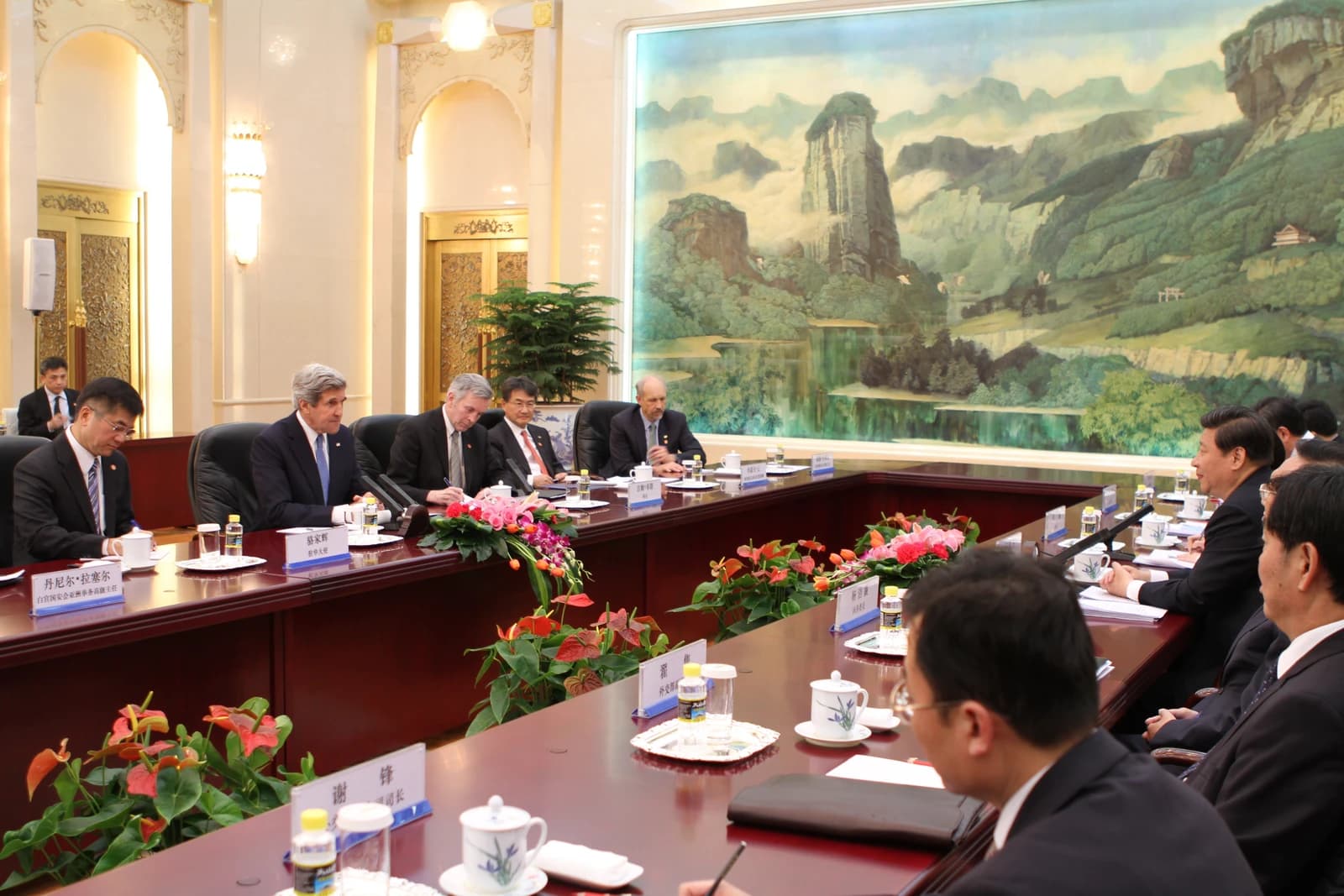
For Beijing, Sun’s legacy is useful because it connects the Chinese Communist Party’s unification message to a pre-communist nationalist hero. Xi Jinping used a 2016 commemoration to argue that Sun opposed attempts to “split the country” and to cast “complete reunification of the motherland” as a sacred duty. That framing helps China present Taiwan as a historical anomaly to be corrected, not a sovereign political entity to be negotiated with.
For investors, the issue is less about the anniversary itself than about what it signals for cross-strait risk. History disputes often accompany tighter political controls, reduced room for dialogue and sharper nationalist rhetoric on both sides. That combination raises the probability of episodic escalations that can affect Taiwan risk premia, regional supply chains and sentiment across Asia assets, particularly when markets are already sensitive to geopolitical shocks.
The standoff also highlights a broader shift in Taiwan’s diplomacy under President Lai, whose government has taken a tougher line on Beijing’s claims not just to Taiwan, but to the wartime record and to the legitimacy of the Republic of China. Beijing has called Lai a “separatist” and refused to engage him. That leaves historical symbolism doing more of the work that formal diplomacy is failing to do.
For now, the practical impact is likely limited to rhetoric and public messaging. But the more each side uses anniversaries, commemorations and wartime memory to harden its narrative, the more the Taiwan Strait becomes a political risk premium rather than just a military one.
| Entity | Gains | Losses |
|---|---|---|
| Taiwan government | ▲Controls narrative | ▼Risks sharper Beijing retaliation |
| Beijing | ▲Uses Sun legacy for unity messaging | ▼Fails to win Taiwan’s audience |
| Taiwan investors | ▲Clearer policy signaling | ▼Higher cross-strait risk premium |
| China-Taiwan dialogue | ▲— | ▼Further erosion of trust |