Taiwan’s biggest economic stake in its showdown with China is no longer abstract diplomacy but the cost of preserving the security that underpins the island’s chip-led export machine.
Taiwan Defense Spending, TSMC, and China Risk
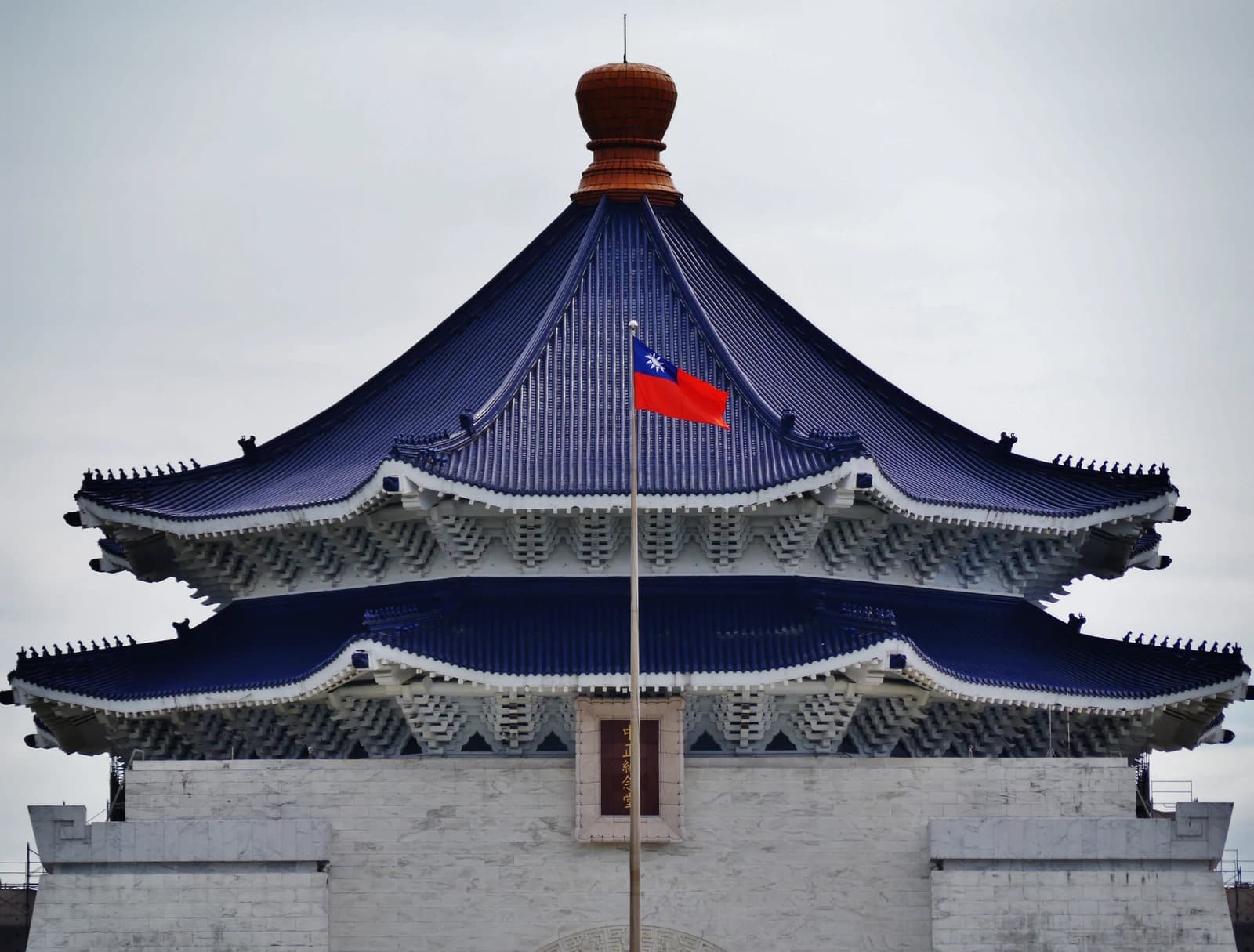
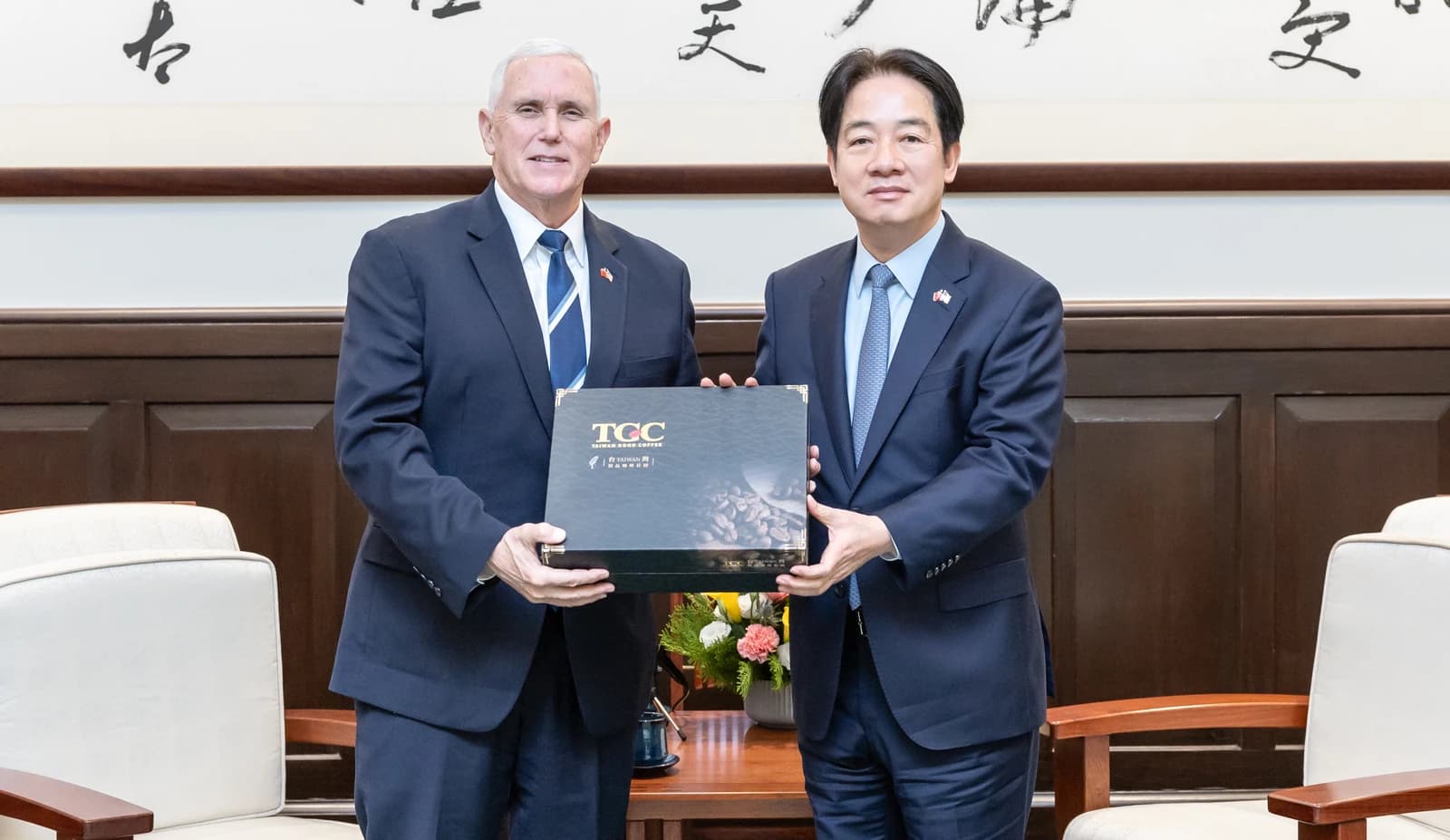
President William Lai used Taiwan’s National Day address to make the market message plain: Taipei wants peace, but not at the price of surrender. That matters because the island sits at the center of the global AI and semiconductor supply chain, and any misreading of Taiwan’s resolve or China’s pressure calculus would reverberate through foundries, electronics makers and the broader risk appetite that still treats the Taiwan Strait as one of the world’s key geopolitical fault lines.
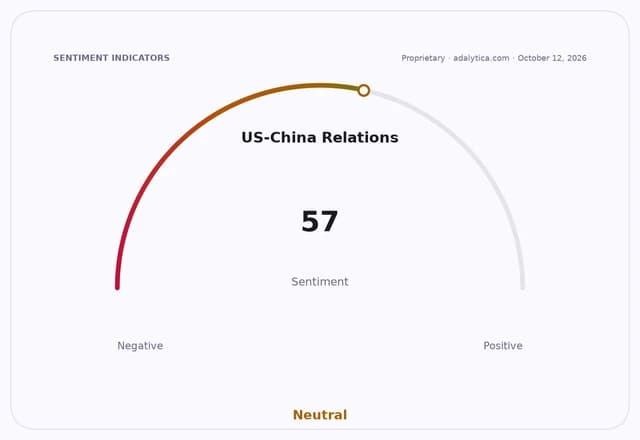
Sentiment IndicatorsⓘProprietary · adalytica.com · October 12, 2026
This is a snapshot — live sentiment, awareness and momentum for 130+ markets update continuously in the dashboard.Open AlphaPulse
Lai said increasing defense spending was not a provocation, but a necessary shield against “authoritarian expansion,” underscoring a strategy of deterrence rather than escalation. He paired that with an appeal for dialogue on “parity and dignity,” a formula designed to keep channels open while rejecting Beijing’s demand for political submission. For investors, that combination matters because it signals continuity: Taiwan intends to defend the status quo, not gamble with it.
The economic logic is straightforward. Taiwan’s stability is inseparable from the competitiveness of Taiwan Semiconductor Manufacturing Co., whose advanced chips are foundational to the AI buildout. The stronger the deterrent posture, the lower the odds that capital markets must price a premium for supply disruption. That is why TSM shares, even after a powerful run, remain the cleanest public-market proxy for Taiwan’s strategic importance. The stock closed at $444.89 on Monday, above both its 50-day and 200-day moving averages, but with momentum easing as the RSI fell to 46.0 from recent overbought levels. That suggests investors have not abandoned the story; they are simply waiting for the next catalyst.
The broader market is already telling you where the stress lies. The iShares MSCI Taiwan ETF has held up, closing at $114.26, while remaining comfortably above its 50-day and 200-day moving averages, a sign that global investors still see Taiwan as investable even amid periodic tension spikes. China-focused equities, by contrast, have not captured the same confidence. The FXI ETF closed at $34.12, below both its 50-day and 200-day averages, reflecting how Beijing’s pressure campaign and weaker policy credibility continue to weigh on the China trade.
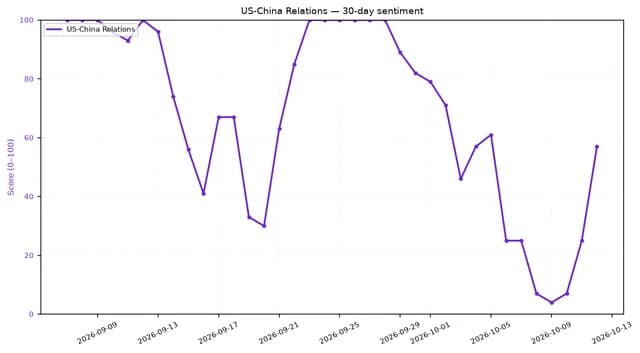
The message from Adalytica’s proprietary U.S.-China relations sentiment gauge is equally important: sentiment jumped to neutral from extreme fear in the latest reading, but awareness of the risk remains at an extreme-fear level. In plain English, investors are less panicked than they were, but they have not stopped watching the Taiwan Strait as a tail risk. That is exactly the backdrop in which defense spending, chip resilience and allied coordination become investable themes rather than just headlines.
China’s refusal to renounce force, its diplomatic squeeze on Taiwan’s remaining partners and its periodic military drills all mean the premium for safety around the island is likely to persist. But the more important takeaway is that Taiwan is not waiting for the market to assign that value. It is buying it with defense spending, alliance-building and a public commitment to freedom that makes the island’s policy direction clearer, not murkier.
For investors, the thesis is simple: own the beneficiaries of Taiwan’s determination and the infrastructure that protects it. That means staying constructive on TSM, selective on Taiwan equities through EWT, and cautious on China exposure until Beijing offers something more durable than pressure.
| Entity | Gains | Losses |
|---|---|---|
| Taiwan / TSMC | ▲Deterrence premium | ▼Escalation risk |
| EWT / Taiwan equities | ▲Stability premium | ▼War-risk discount |
| China / Beijing | ▲Leverage narrative | ▼Credibility, investor trust |
| FXI / China stocks | ▲— | ▼Geopolitical overhang |