Taiwan’s support for information projects in Guatemala is another reminder that the island is still buying something far more valuable than goodwill: diplomatic space. In a world where formal allies are under constant pressure from Beijing, even relatively small technical-cooperation packages matter because they help Taiwan keep partners engaged and visible.
Taiwan support for Guatemala information projects
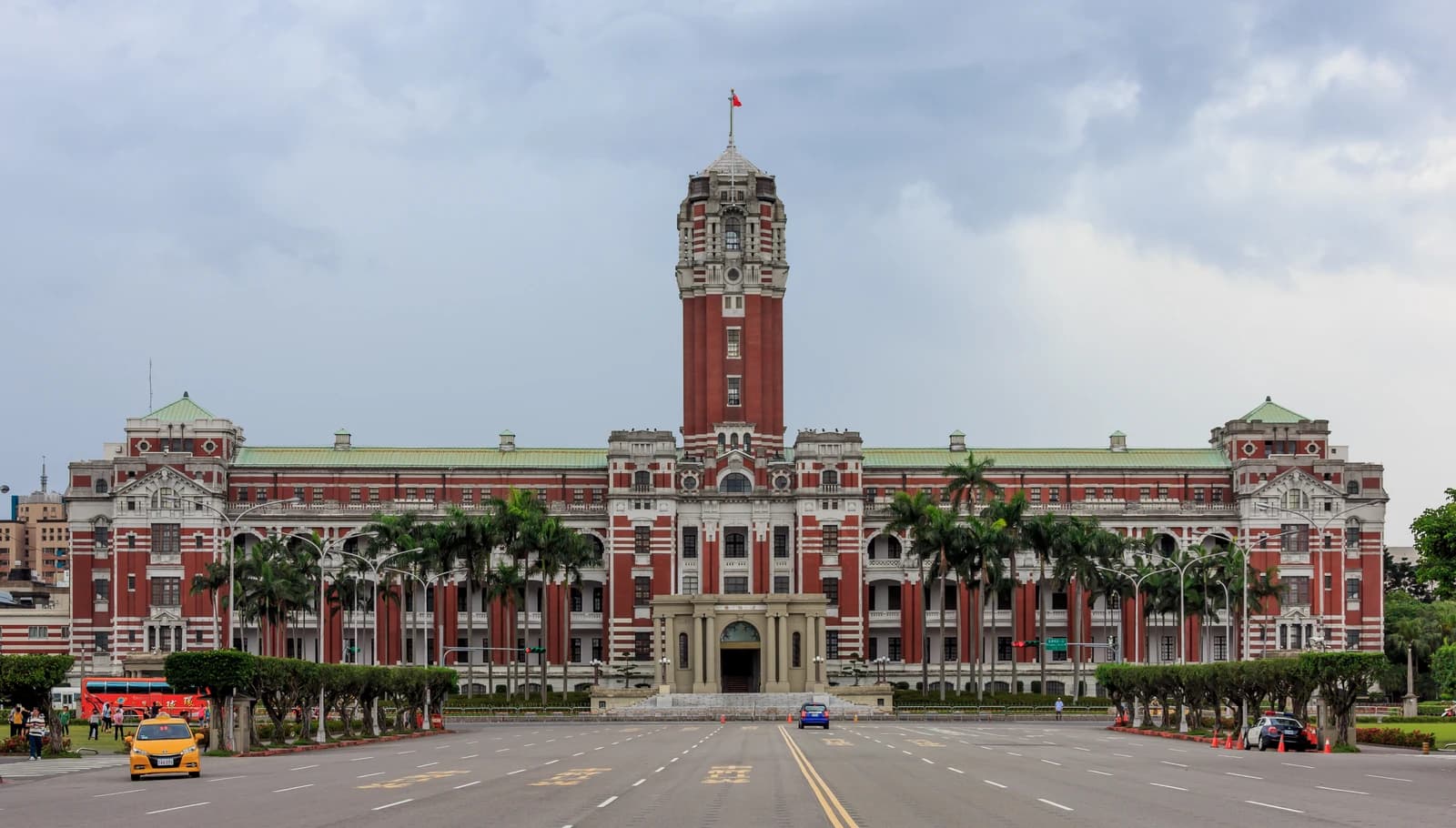
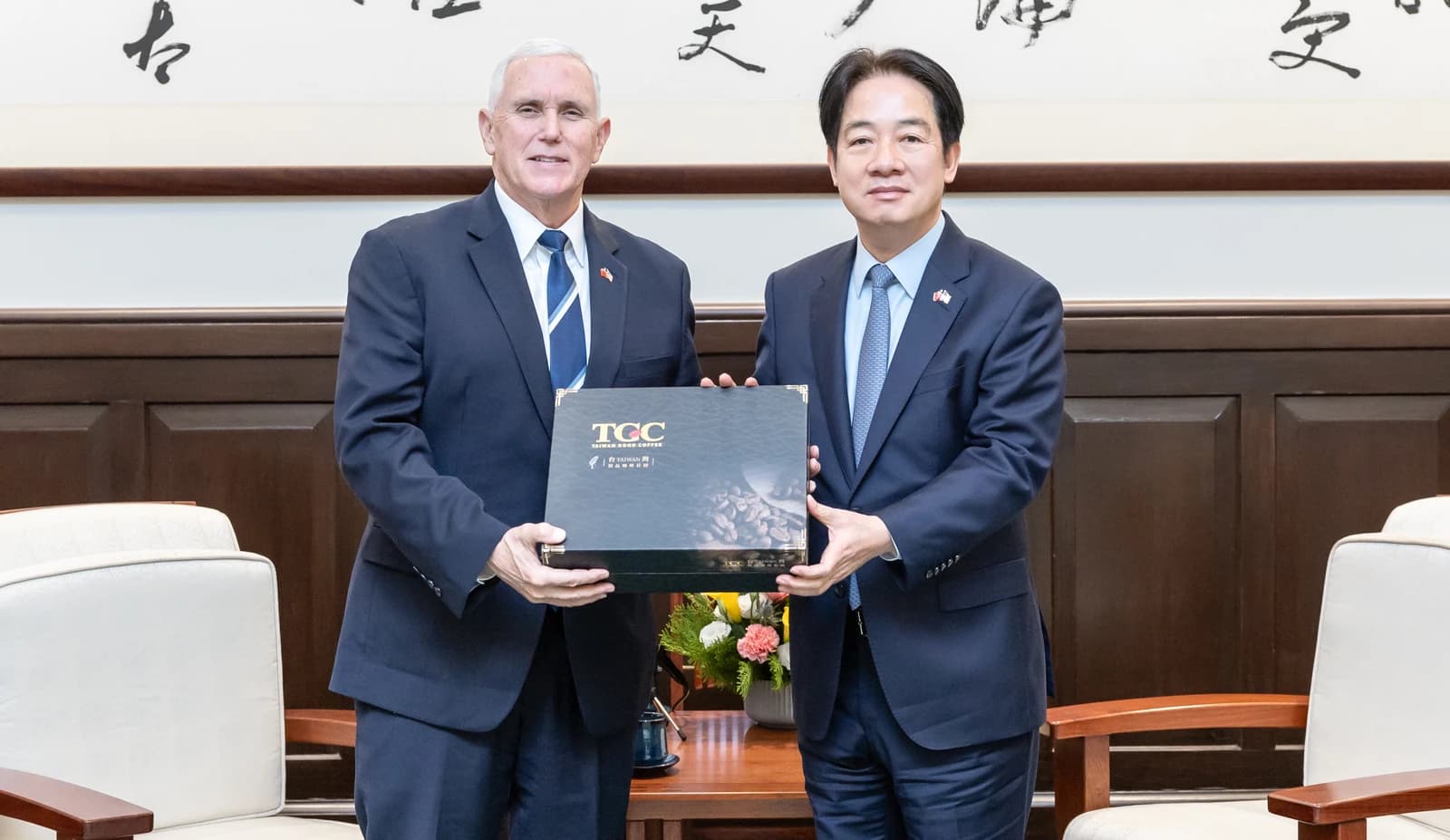
Guatemala’s communication secretariat said it received a letter of thanks for Taiwan’s technical support aimed at strengthening evidence-based government communication and information integrity. The aid will fund three projects that are set to become tangible in 2026 and 2027, with tools to gather and analyze quantitative and qualitative data on public concerns, opinions and needs.
Sentiment IndicatorsⓘProprietary · adalytica.com · October 10, 2026
This is a snapshot — live sentiment, awareness and momentum for 130+ markets update continuously in the dashboard.Open AlphaPulse
That may sound administrative, but it has economic and political weight. Better public-information systems can make government messaging more effective, improve policy responses and support decision-making with data rather than guesswork. For a country such as Guatemala, where trust in institutions matters for everything from disaster response to social spending, that can make public programs more efficient over time.
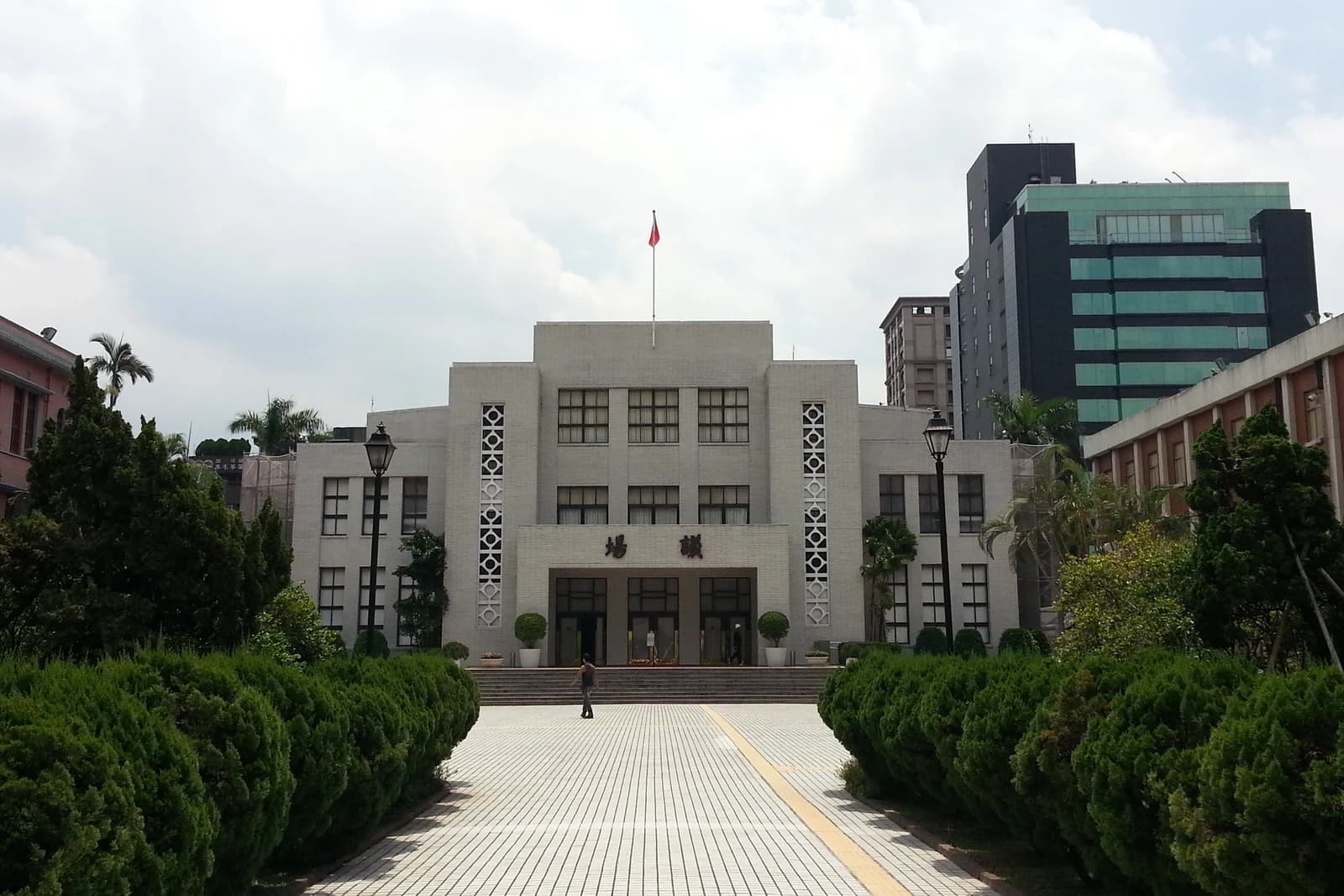
For Taiwan, the larger story is strategic. Its ties with Guatemala span agriculture, health, education, infrastructure, environment, disaster prevention and technology, and this latest cooperation deepens a relationship Taipei cannot afford to lose. Taiwan’s diplomatic partners are few, and each one carries outsized importance in its contest for international recognition against China.
Investors should watch this through a geopolitical lens rather than a market-moving one. Taiwan’s effort to reinforce alliances helps sustain its international relevance even as cross-strait tensions stay elevated. That matters for Taiwanese companies, including exporters and semiconductor manufacturers, because diplomatic friction with China can quickly spill into trade, supply chains and investor sentiment.
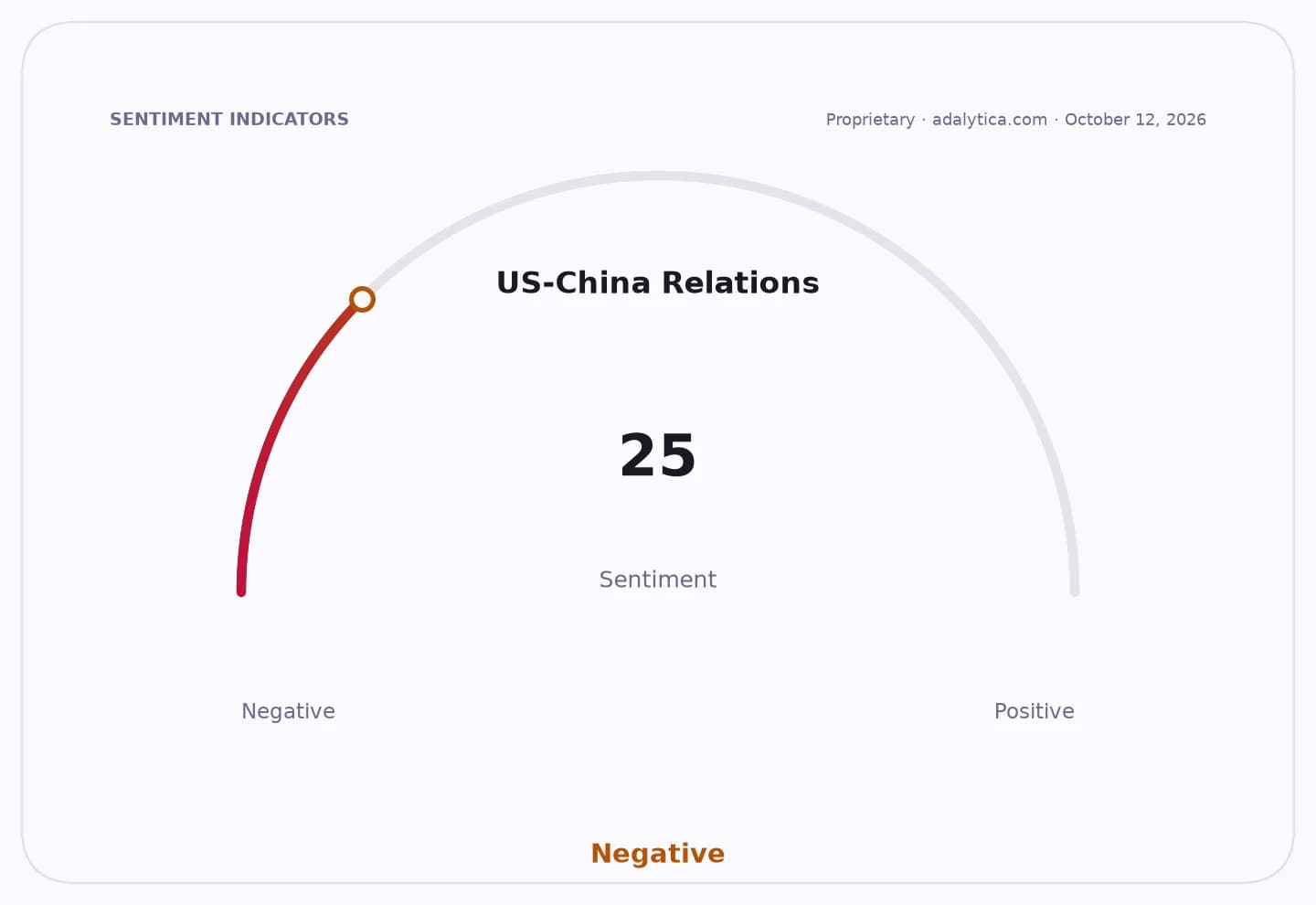
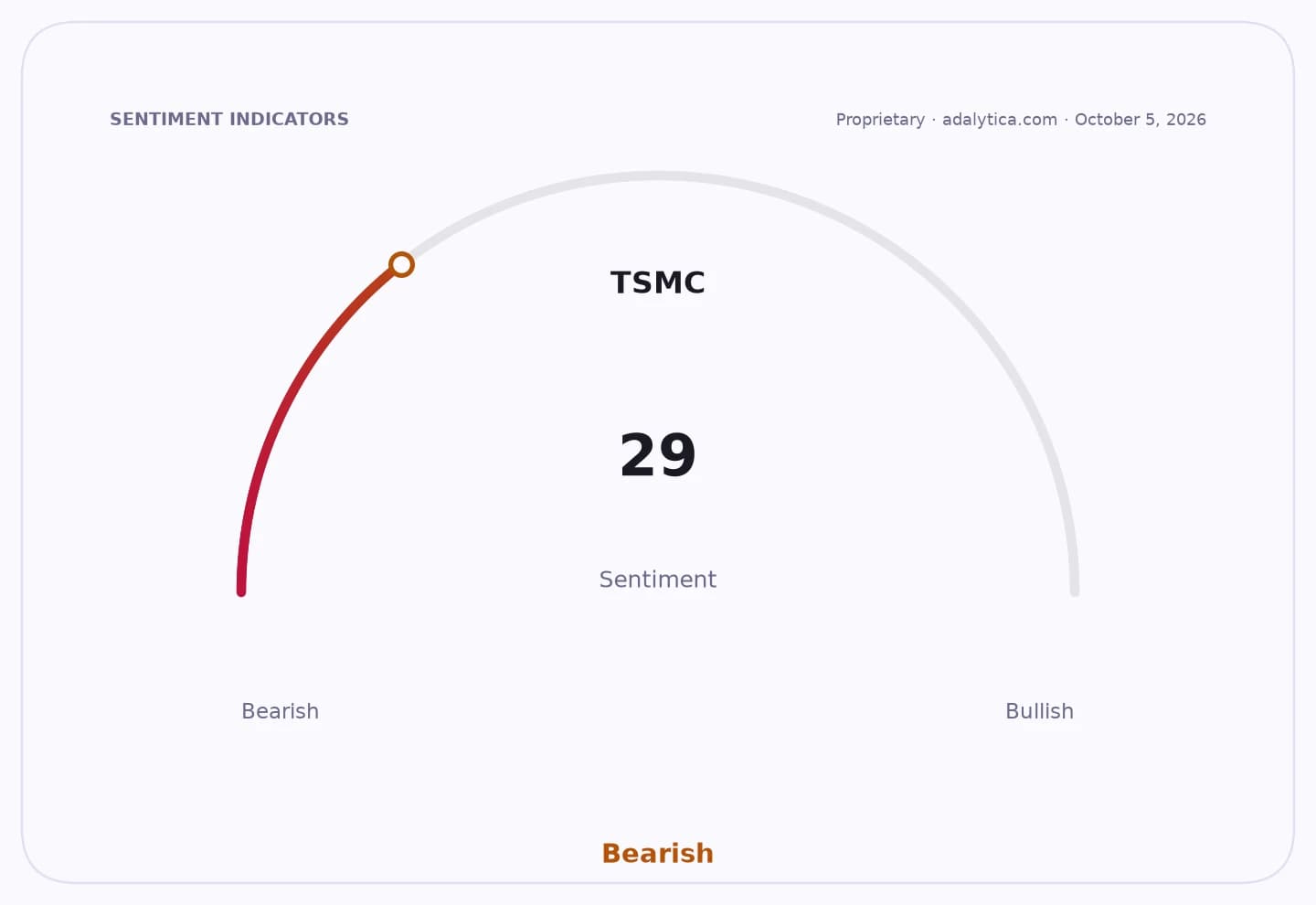
TSMC, the world’s most important chipmaker, remains a different story operationally, but it sits inside the same geopolitical orbit. The stock has stayed near elevated levels, reflecting long-term demand for advanced chips, even as sentiment around U.S.-China relations remains deeply fragile. That mix is exactly why investors keep paying attention to Taiwan’s external relationships: political stability supports the ecosystem that underpins one of the world’s most important growth industries.
The takeaway for long-term investors is simple. These cooperation agreements do not move earnings next quarter, but they reinforce Taiwan’s resilience and its network of partners at a time when the island’s strategic value is rising. For investors thinking in years, not days, that broader stability is worth watching.
| Entity | Gains | Losses |
|---|---|---|
| Taiwan | ▲Diplomatic reach | ▼None immediately |
| Guatemala | ▲Better data tools | ▼Limited leverage with China |
| China | ▲Regional pressure narrative | ▼Taiwan’s international visibility |
| TSMC/investors | ▲Lower geopolitical drift risk | ▼Ongoing cross-strait uncertainty |