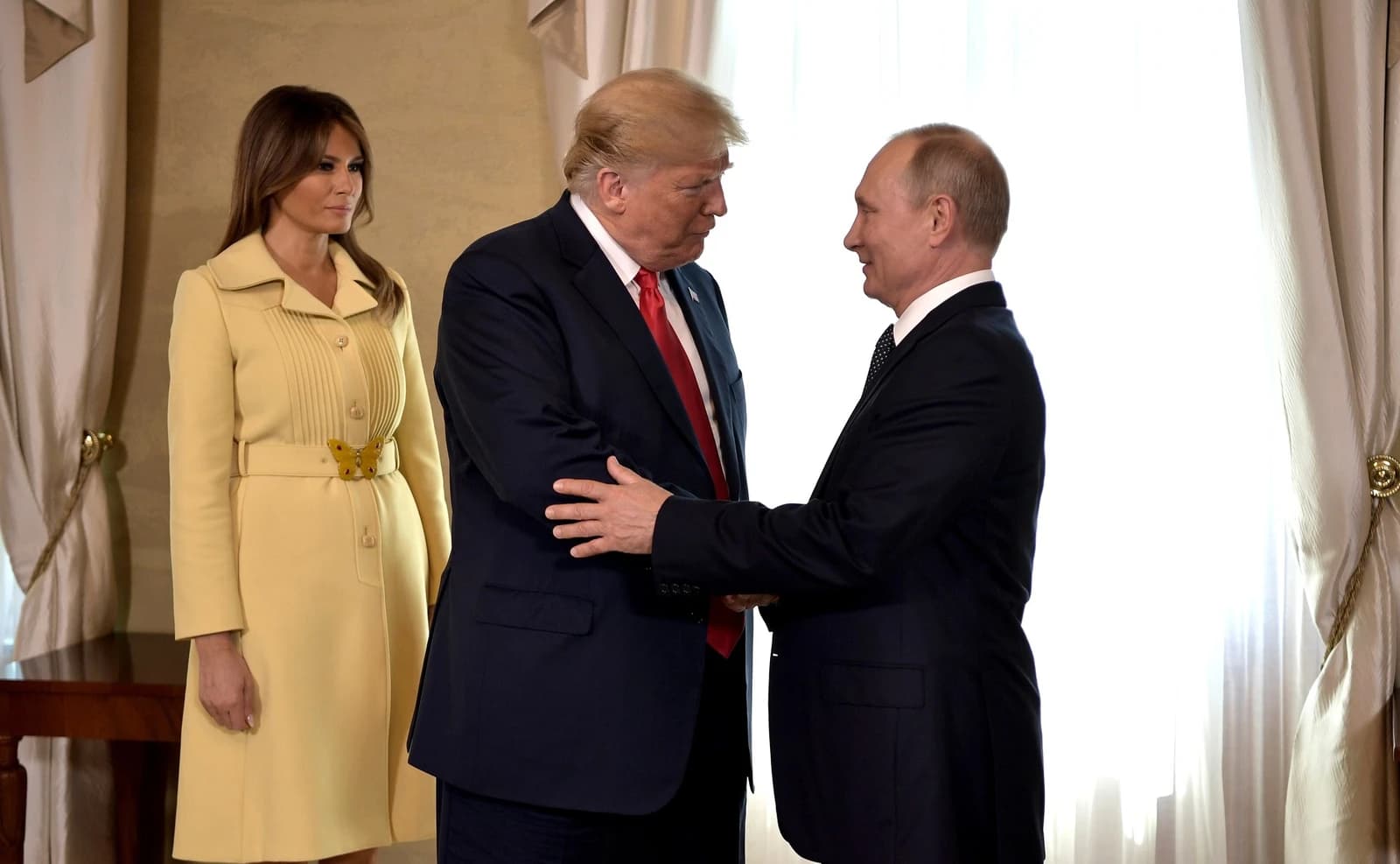
Poland is warning its allies that any effort to negotiate an end to Russia’s war in Ukraine without Eastern Europe at the table could backfire economically and strategically, hardening a split inside the Western camp just as Washington floats the idea of a broader bargain with Moscow.
Poland warns on Ukraine peace talks without Eastern Europe

That matters because the shape of any peace process will determine Europe’s security spending, energy strategy and risk premium for years, not weeks. If Europe believes a settlement could restore Russian gas flows or reward Moscow with relief before firm security guarantees are in place, investors should expect more volatility in defense, energy and currencies tied to the region.
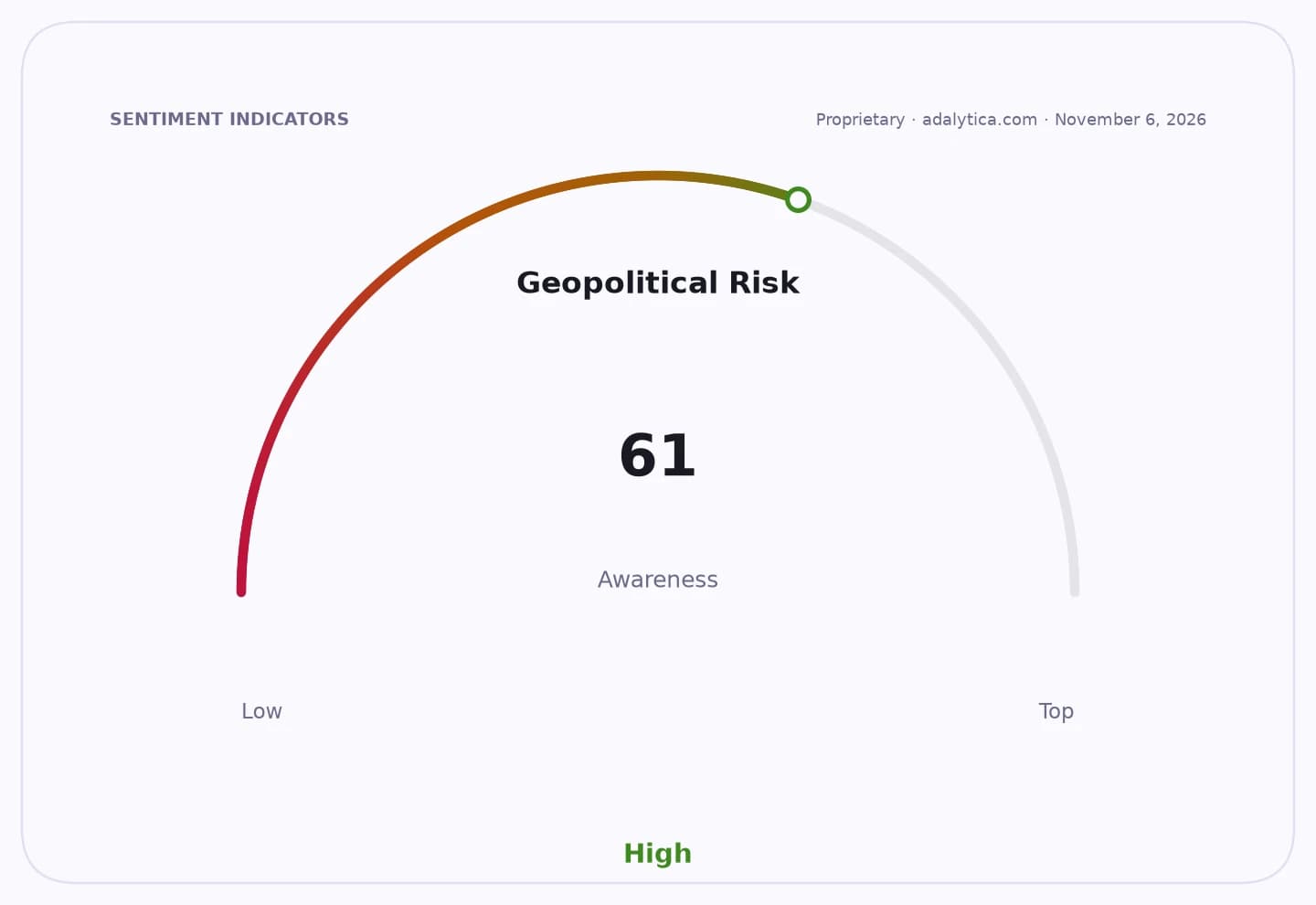
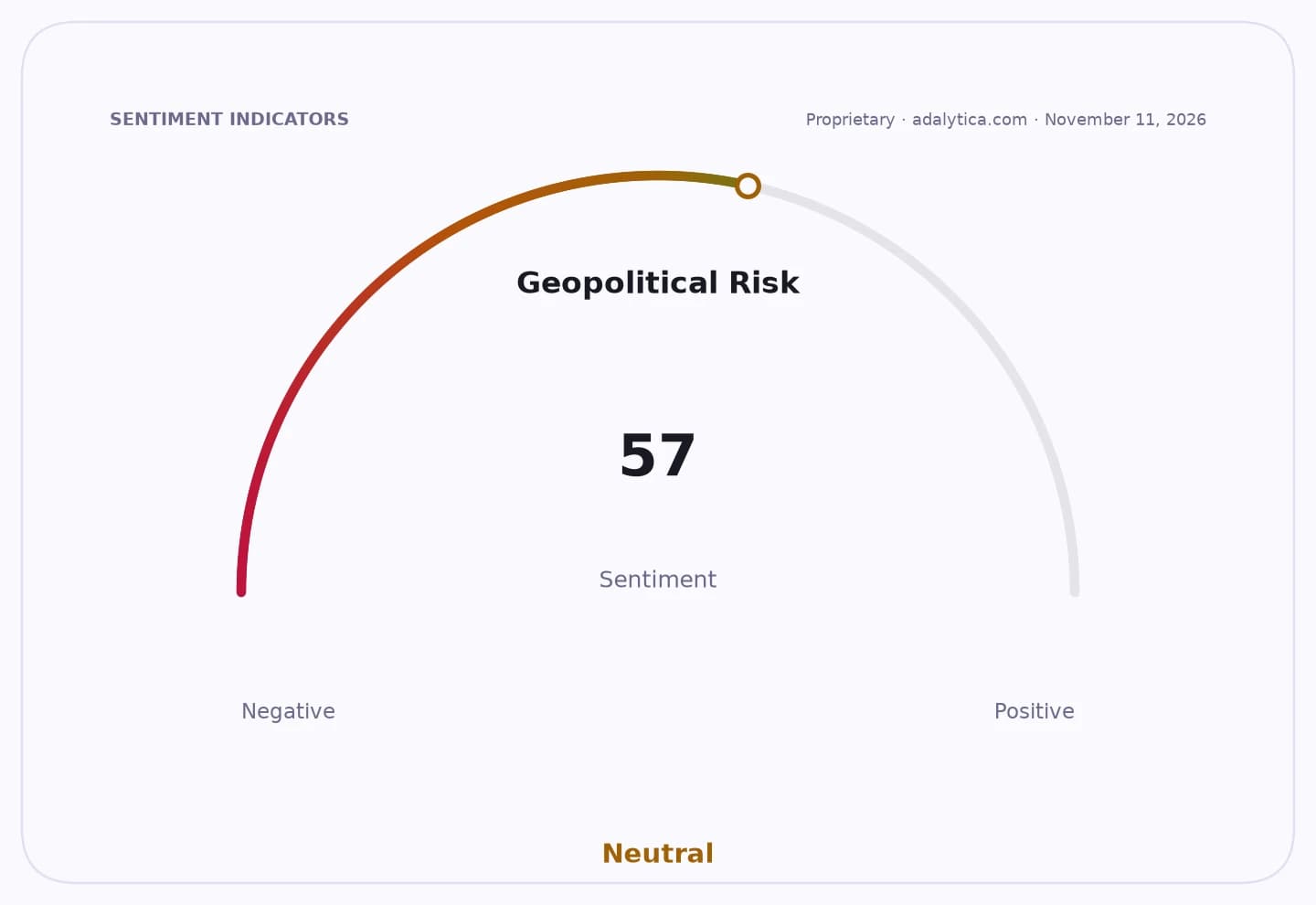
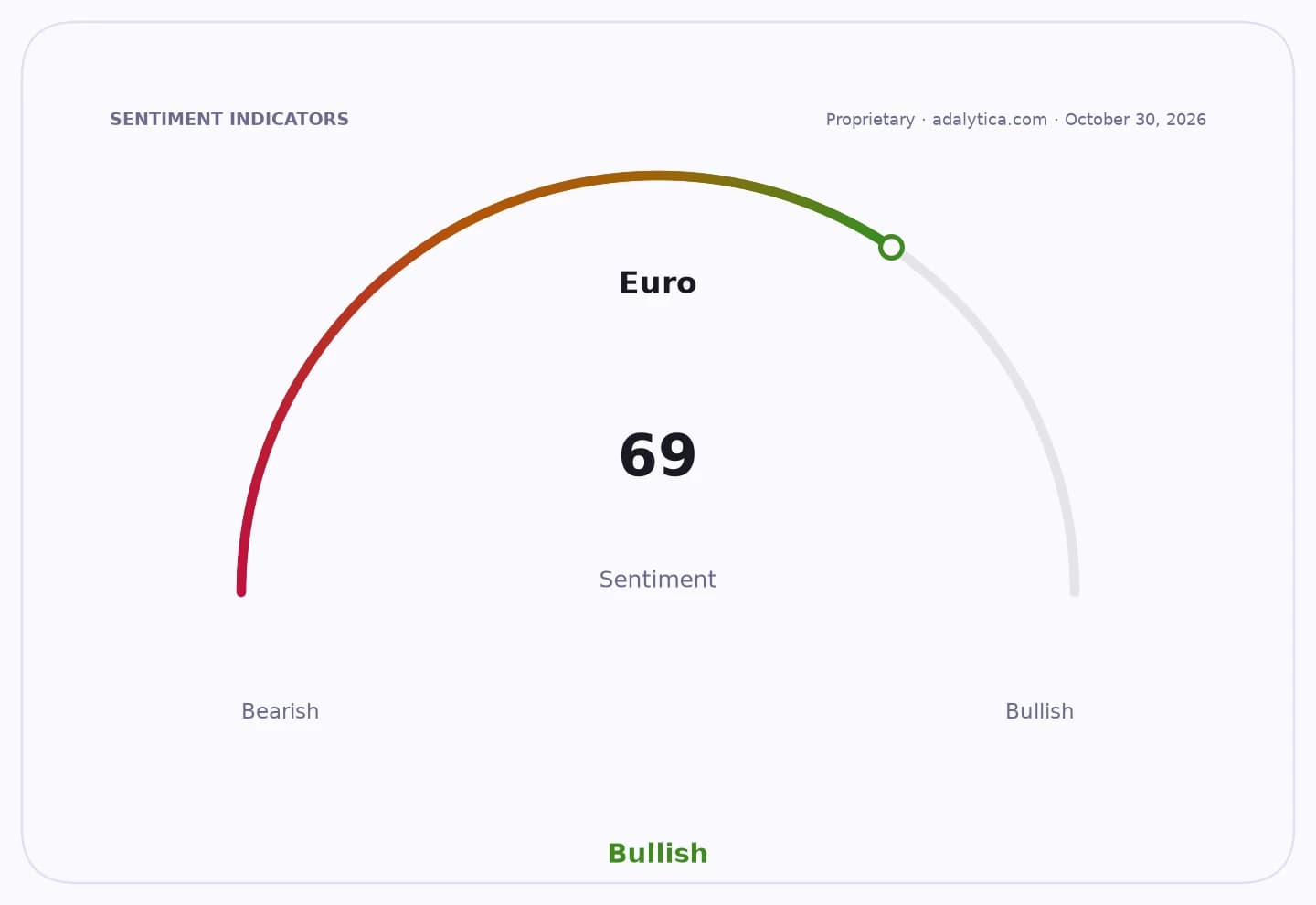
Sentiment Indicators
Geopolitical Risk
Warsaw’s message is blunt: countries on NATO’s eastern flank do not want a repeat of past arrangements in which bigger powers cut deals over their heads. Foreign Minister Radosław Sikorski said Western Europe must not “make a deal with Russia over the heads of Eastern Europeans,” arguing that Finland, Norway, the Baltic states and Poland all sit on the front line of any future confrontation with Moscow.
Prime Minister Donald Tusk has been just as wary, urging European capitals to be “very careful” about Vladimir Putin’s real intentions. He said Russia’s threat to Poland and the Baltics is still rising and warned that winter could reduce Moscow’s incentive to compromise, a reminder that diplomacy is unfolding against a backdrop of military pressure and sabotage fears along the Polish border with Kaliningrad.
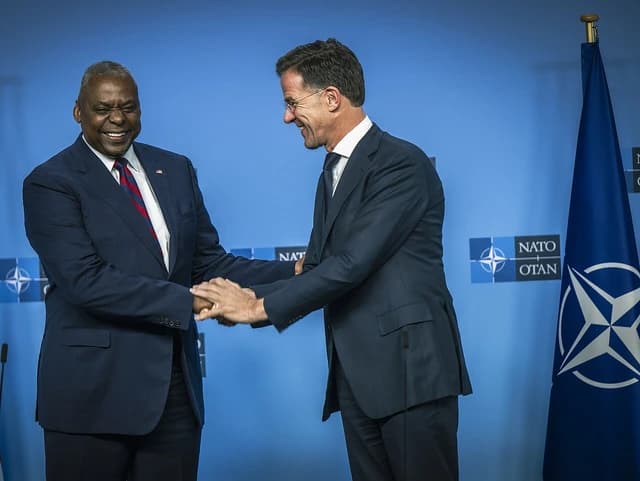
That security anxiety is not theoretical. Poland has already moved to reinforce the frontier and counter possible destabilization efforts, underscoring how quickly any diplomatic misstep could be read in the region as a security failure. For investors, that means Europe’s eastern defense buildout is likely to remain sticky, supporting demand for military equipment, border security and cyber defense even if peace talks advance.
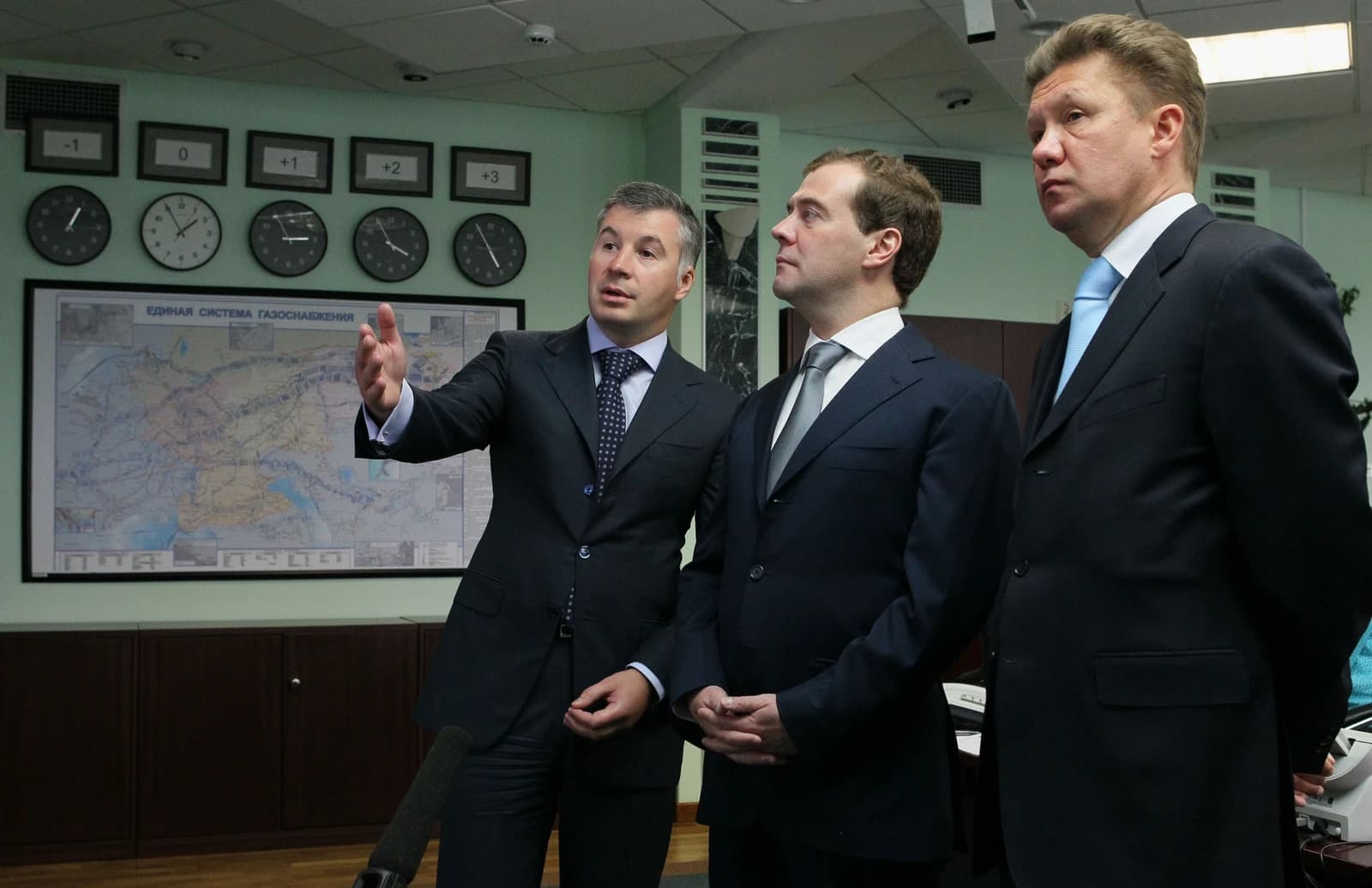
Energy is the other major fault line. Polish Energy Minister Miłosz Motyka called the idea of restoring Russian gas deliveries to Europe “absurd,” arguing it would simply reopen the continent to Kremlin leverage. That view matters well beyond Poland: a return to Russian energy would reshape gas pricing, infrastructure spending and the long-term investment case for European LNG terminals and non-Russian supply chains.
The controversy also exposes a deeper political problem for the West. Washington’s reported approach — pairing diplomacy with economic incentives for Moscow — has frustrated several European governments, while Italy’s Giorgia Meloni has complained about “disorder” and demanded a clearer European mandate. France, Germany and Britain are preparing to join broader talks after technical discussions in Abu Dhabi, but Warsaw wants those talks grounded in the security needs of countries closest to Russia.
For long-term investors, the takeaway is straightforward: however the negotiations evolve, Europe’s eastern flank is unlikely to accept a paper peace that does not come with credible security guarantees. That keeps geopolitical risk alive, supports continued defense spending and argues for caution on any quick rebound in Russian energy assets. The peace process may move forward, but Poland is making clear it will not be treated as an afterthought.
| Entity | Gains | Losses |
|---|---|---|
| Eastern European NATO states | ▲Security seat at the table | ▼Backroom diplomacy |
| Defense contractors | ▲Higher spending outlook | ▼Peace dividend hopes |
| Non-Russian energy suppliers | ▲Structural demand support | ▼Russian gas revival |
| Russia | ▲Diplomatic leverage if talks advance | ▼If Europe stays united |