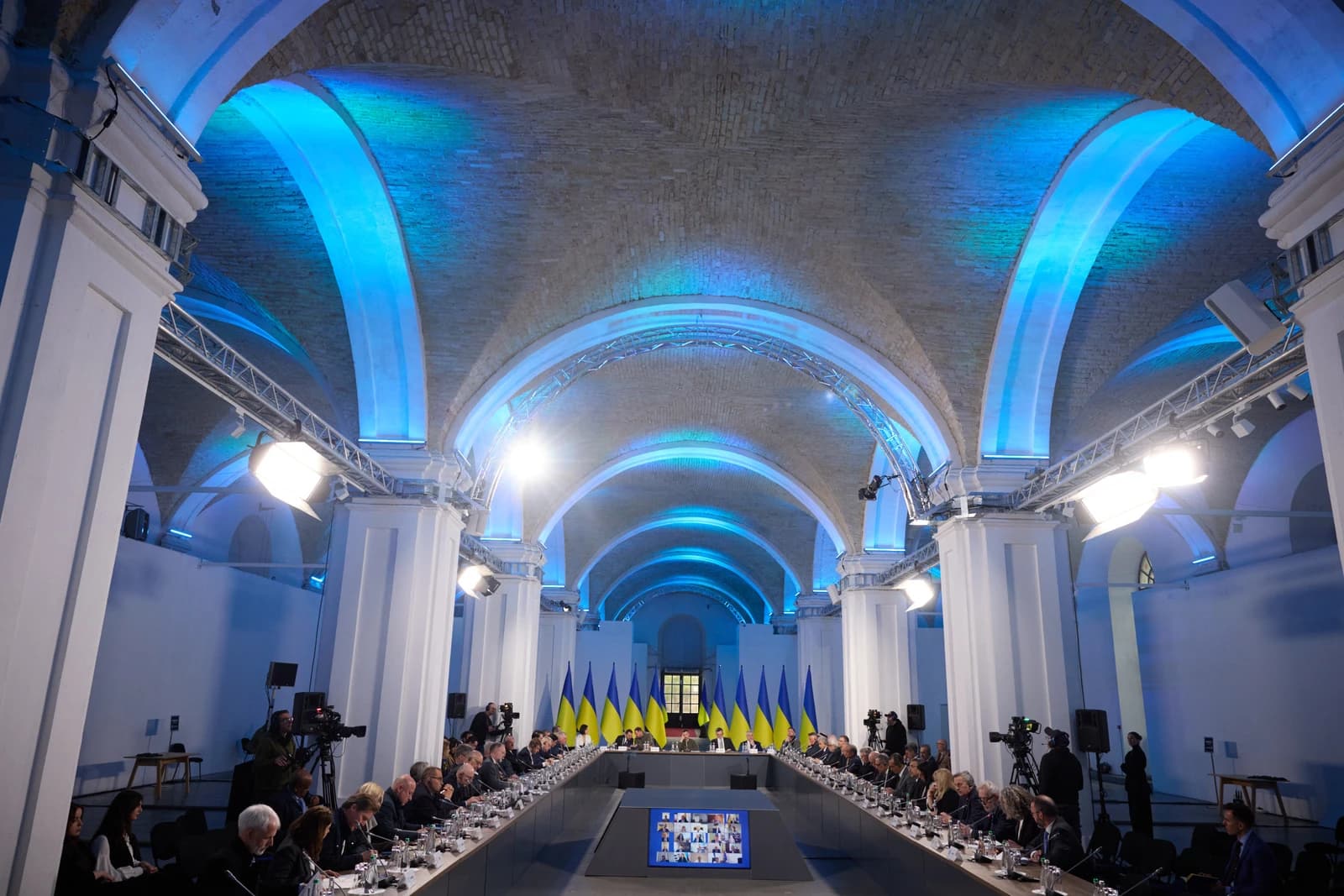
Europe’s fractured approach to Russia is becoming a market and policy problem, not just a diplomatic one, as the Western alliance splits into three camps over whether to keep talking to Moscow and who should do it.
Europe Russia split keeps defense and energy bid
Geopolitical Risk
That division matters because any eventual cease-fire, sanctions relief, or security framework for Ukraine will be shaped first by political alignment in Europe and Washington. The longer the West remains split, the harder it becomes to negotiate a coherent endgame with Moscow — and the more likely markets are to keep pricing in prolonged military risk, elevated energy volatility and persistent defense spending.
Sentiment Indicators
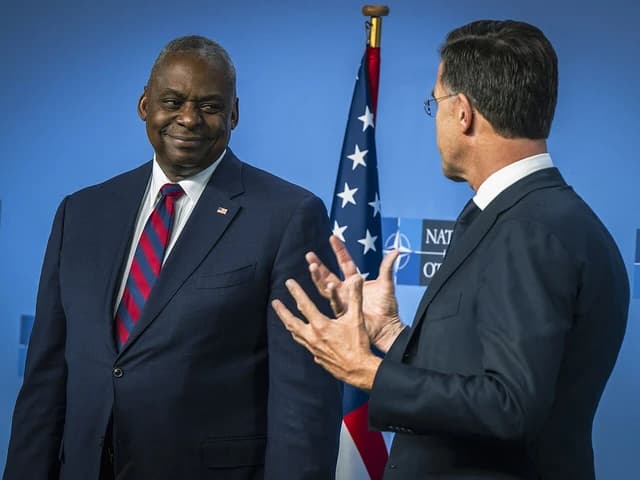
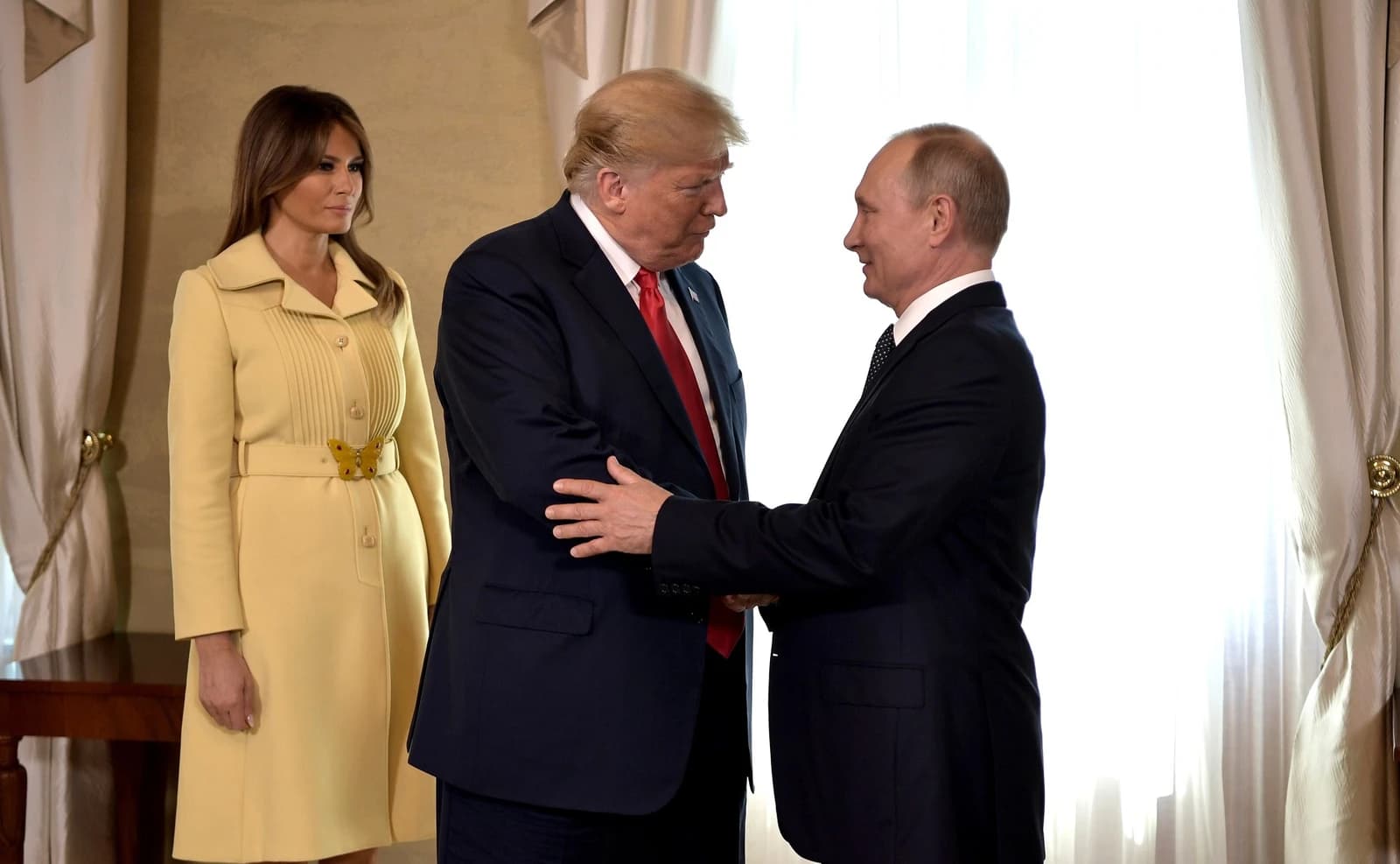
According to Financial Times columnist Gideon Rachman, one camp is led by U.S. special envoys who favor dialogue. A second group, including Finland’s President Alexander Stubb and Norway’s Prime Minister Jonas Gahr Støre, supports some form of engagement. A third, backed strongly by the Baltic states and Poland, argues that dialogue with Russia is futile and potentially harmful.
That split is not academic. It helps explain why European policy on Russia remains disjointed even as the war in Ukraine grinds on and pressure builds for some kind of diplomatic track. It also underscores how quickly political risk can reprice across asset classes when the West cannot present a single negotiating front.
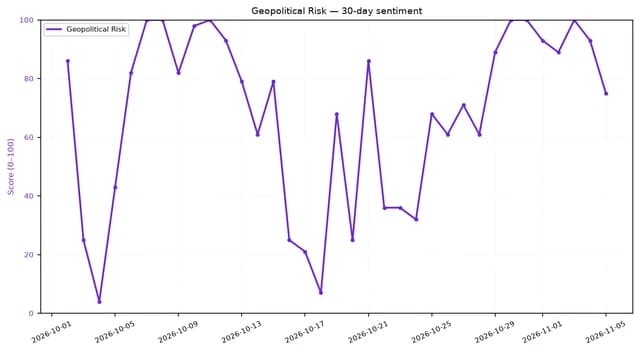
For investors, the message is straightforward: a lasting peace dividend remains remote, even if the rhetoric around talks intensifies. That means the trade is still centered on winners from a prolonged security reset — defense contractors, energy infrastructure, LNG exporters and commodity-linked names — rather than on an immediate broad-based risk-on rotation.
The energy market already reflects that reality. Oil has been volatile, with Brent and WTI repeatedly reacting to geopolitical shocks, while credit markets are still paying close attention to sanctions risk and supply disruptions tied to Russia. Chevron and Exxon Mobil both flag Russia-linked disruption risk in recent filings, a reminder that even large integrated producers are still exposed to the conflict’s second-order effects.
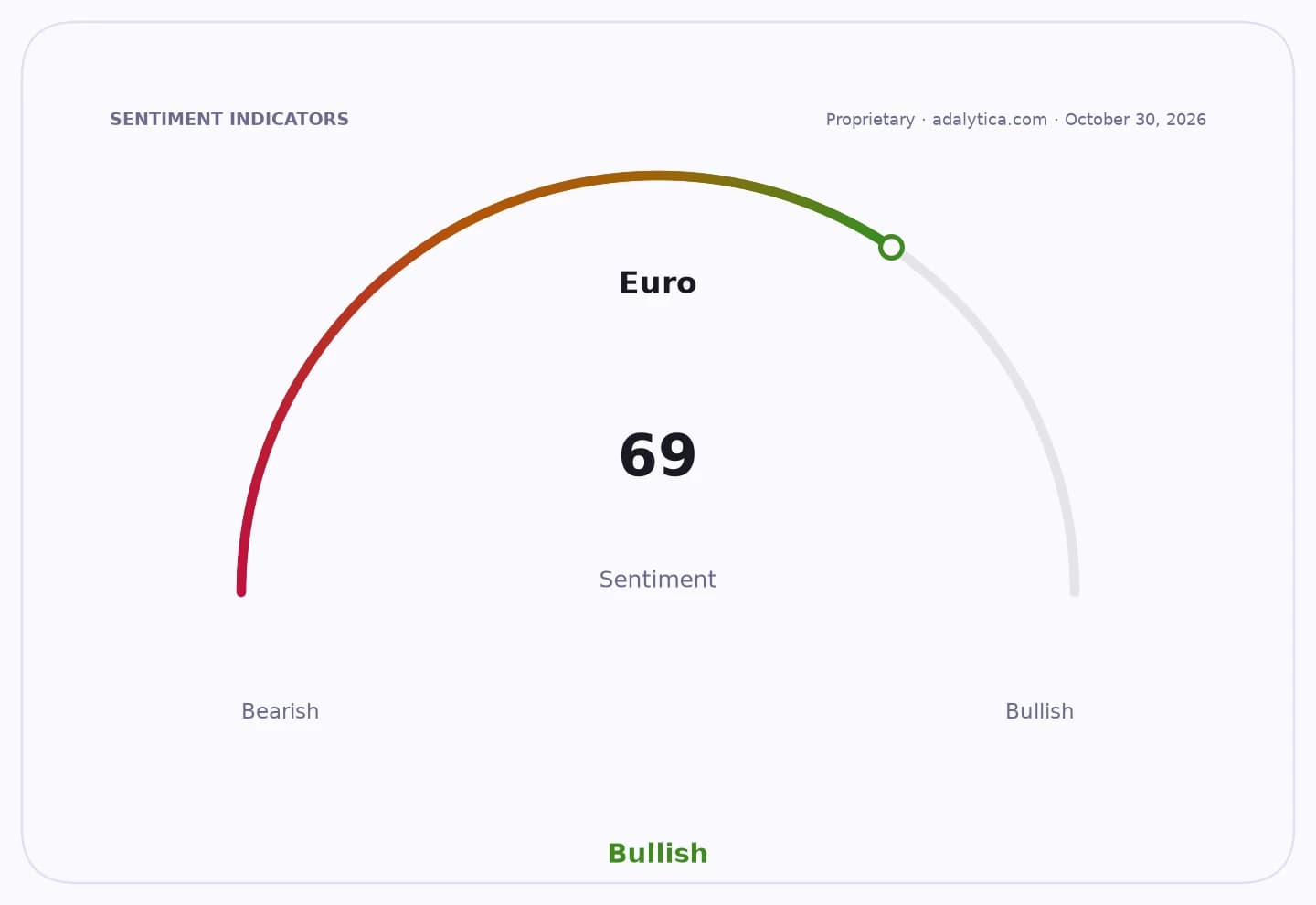
European equities are also sending a mixed signal. The EFA ETF is trading above both its 50-day and 200-day moving averages, but momentum has been uneven, with RSI readings and MACD suggesting the move is not yet a clean breakout. The euro has shown strong trend readings in Adalytica’s proprietary signals, but that strength looks tied as much to changing rate and geopolitical expectations as to any durable resolution in Eastern Europe.
The deeper narrative is that the West is no longer debating whether Russia is isolated. It is debating how to manage a long confrontation without a unified diplomatic strategy. That uncertainty keeps a floor under defense and energy spending and a ceiling on complacency.
Until the camps converge — or one gains clear dominance — investors should treat any headlines about talks as tactical, not structural. The higher-conviction positioning remains in the industrial and energy beneficiaries of a drawn-out standoff, while the biggest loser is still the idea that the war is close to a clean diplomatic exit.
| Entity | Gains | Losses |
|---|---|---|
| Defense contractors | ▲Higher military budgets | ▼Peace dividend hopes |
| Energy majors | ▲Sustained geopolitics premium | ▼Sanctions-driven disruption |
| Russia hawks in Baltics/Poland | ▲Hardline leverage | ▼Diplomatic flexibility |
| European growth assets | ▲Potential relief if talks advance | ▼Prolonged uncertainty |