China’s treatment of Tibet is back under scrutiny after the Canada Tibet Alliance marked the death of writer Gudrup, turning a cultural remembrance into a fresh warning over Beijing’s restrictions on Tibetan expression and identity.
Tibet criticism raises U.S.-China policy risk
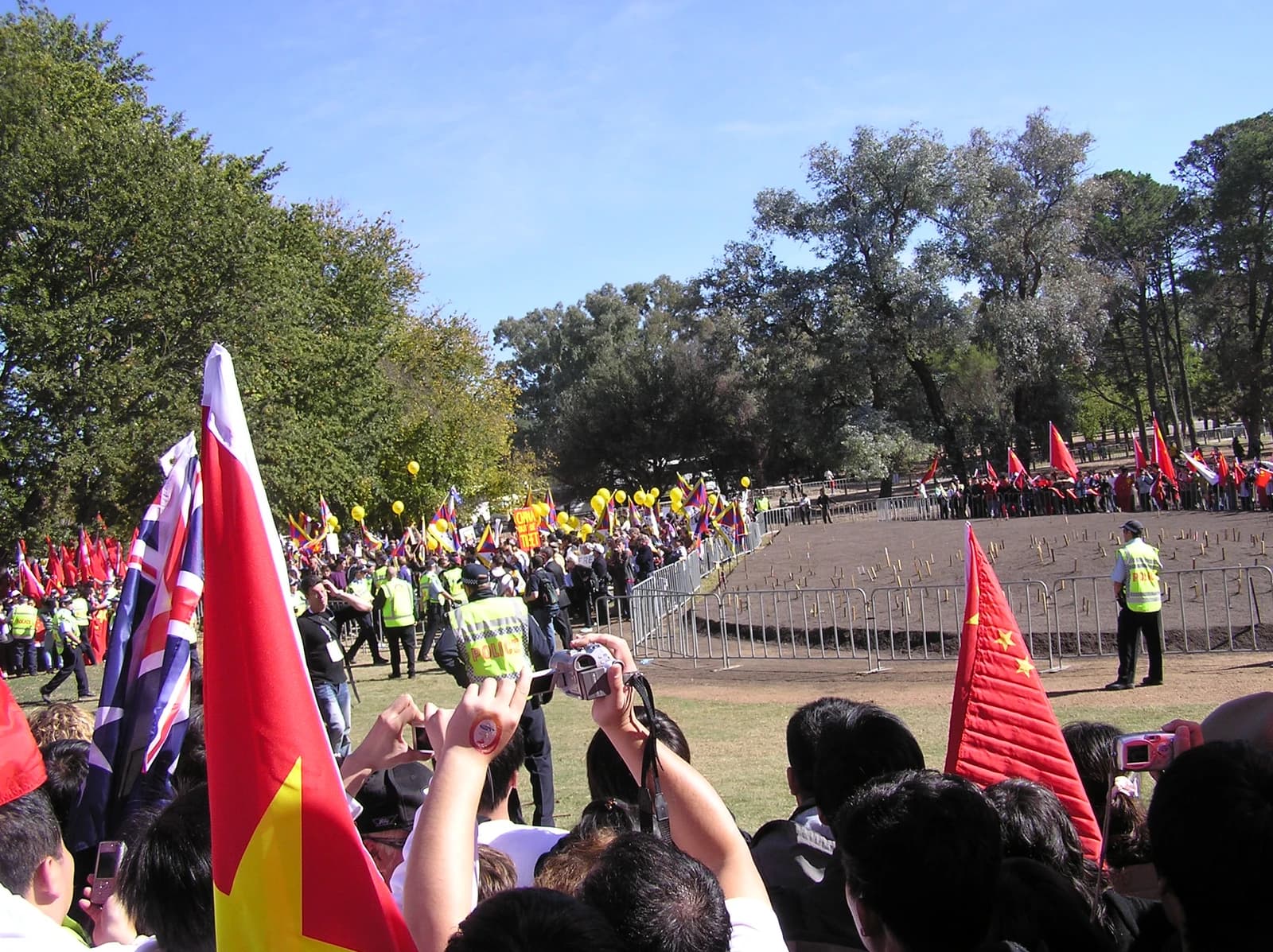
The episode matters because Tibet remains one of the most sensitive fault lines in China’s relationship with Western governments and rights groups. Even when the immediate trigger is a memorial for a writer, the larger issue is political control: how far Beijing will go to police language, religion and public dissent in a region it considers strategically and nationally vital.
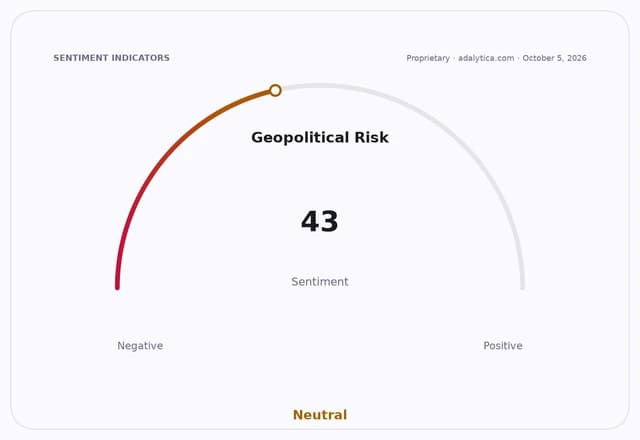
Sentiment IndicatorsⓘProprietary · adalytica.com · October 5, 2026
This is a snapshot — live sentiment, awareness and momentum for 130+ markets update continuously in the dashboard.Open AlphaPulse
For investors, the story is less about direct market exposure than about policy risk. Human rights pressure can deepen strains in already fragile U.S.-China relations, complicate diplomatic engagement and keep sanctions, export controls and screening of China-linked assets on the table. That matters across sectors from technology and critical minerals to firms with supply chains, customers or operations tied to China.
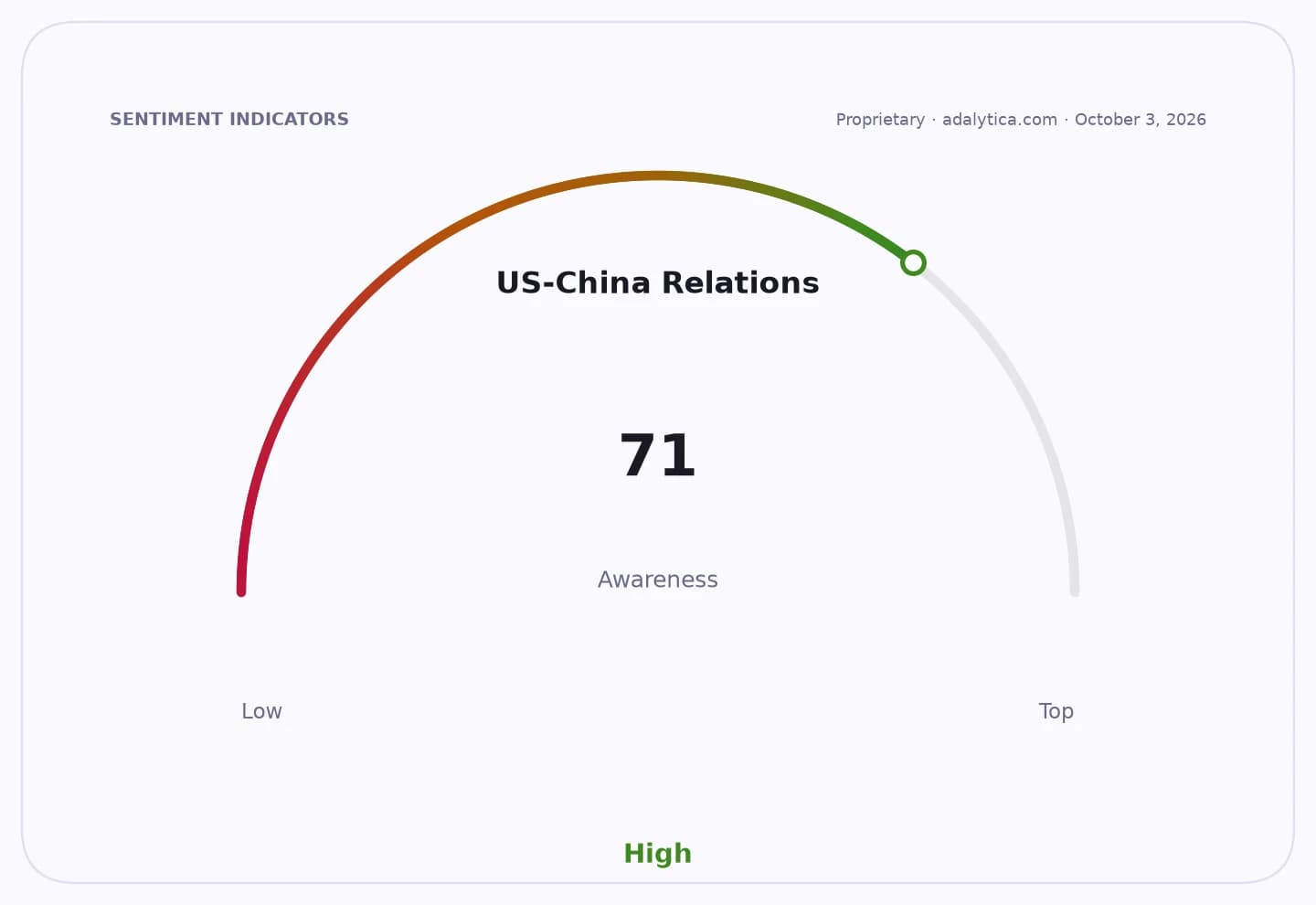
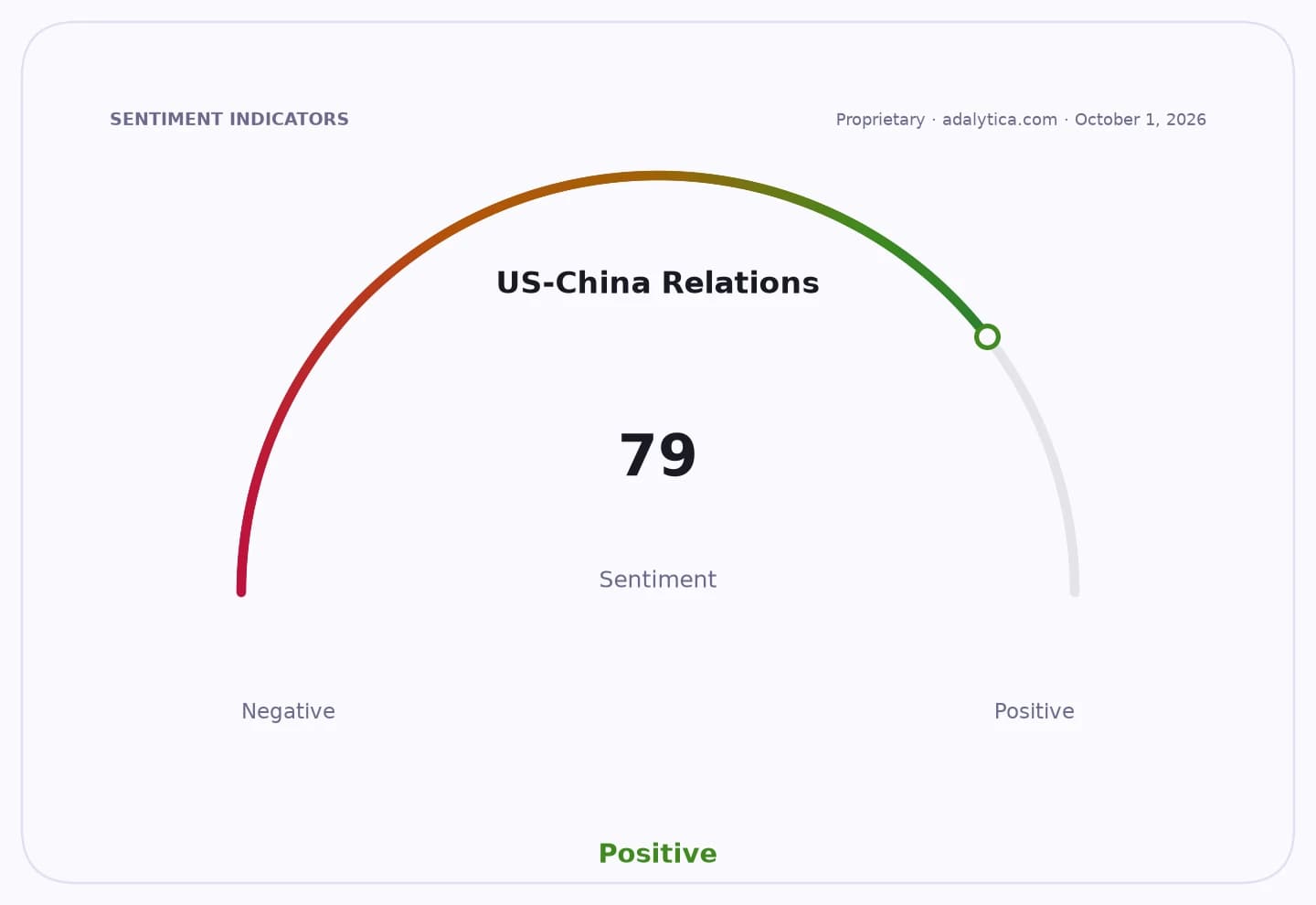
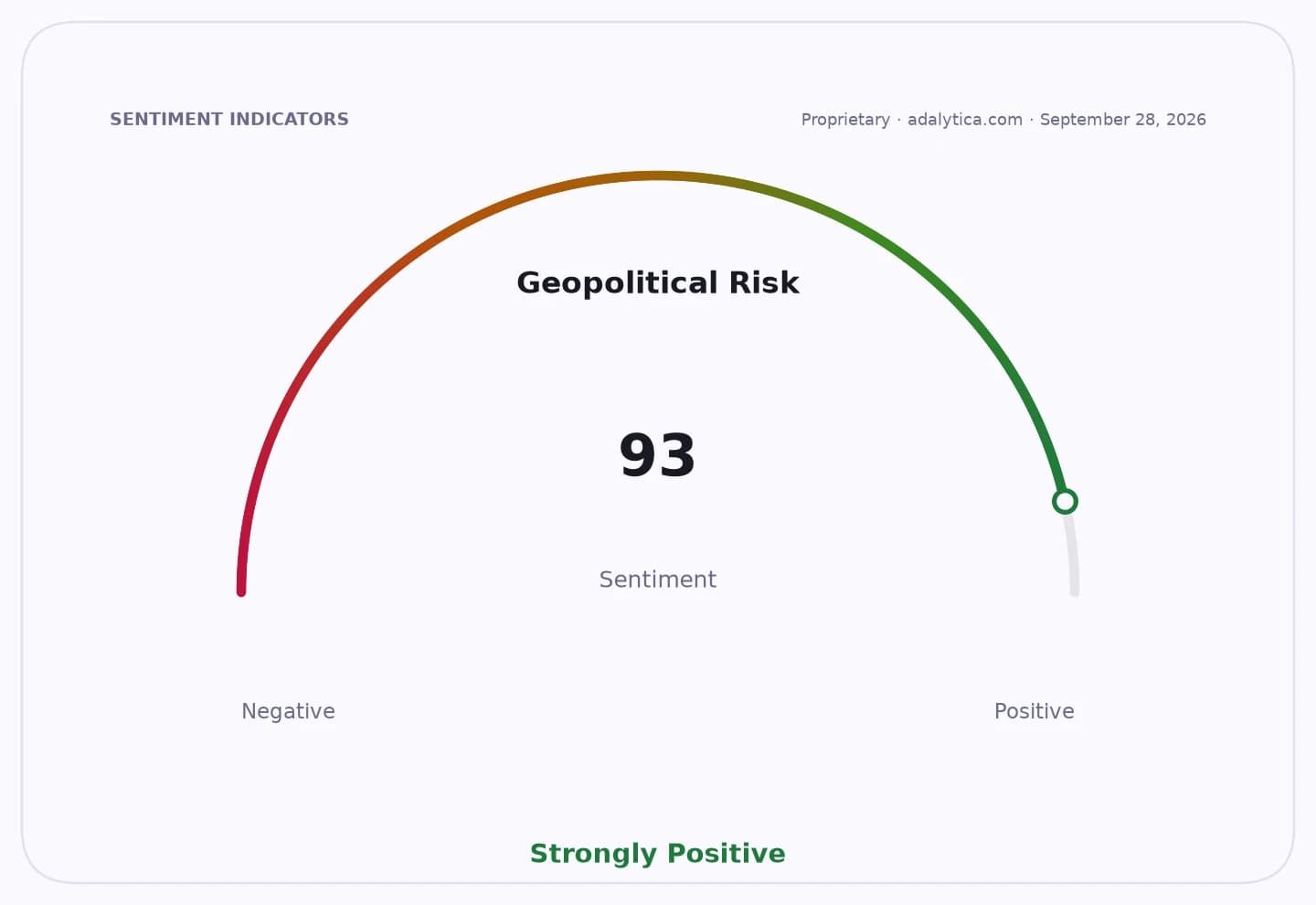
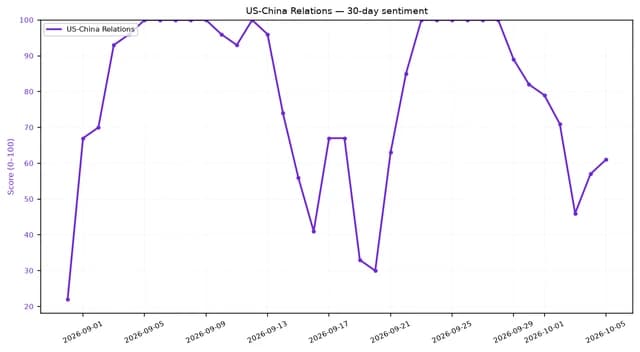
The broader backdrop is one of persistent geopolitical fragility. Adalytica’s US–China Relations Sentiment gauge remains neutral at 61, but its awareness reading is in “extreme fear” territory at 7, suggesting elevated sensitivity to headlines even when markets are not pricing outright crisis. Global Stability Sentiment has also swung sharply, underscoring how quickly regional tensions can spill into risk appetite.
Tibet-related criticism tends to resonate beyond human rights advocates because it touches a wider contest over sovereignty, identity and information control. For Beijing, any organized remembrance or protest can be framed as foreign interference. For critics, it is evidence that repression in Tibet is not an isolated domestic issue but part of a broader tightening of political space inside China.
The likely market impact is indirect but real. A deterioration in the tone of U.S.-China ties can raise volatility in Chinese equities, keep a lid on cross-border dealmaking and make Western investors more cautious on sectors exposed to regulatory or geopolitical retaliation. The bull case is that such incidents remain symbolic and do not alter the underlying commercial relationship. The bear case is that each new flashpoint adds another layer of distrust, making compromise harder when the next trade or technology dispute emerges.
For now, the memorial to Gudrup is a reminder that Tibet continues to shape how China is viewed abroad: not just as a human rights issue, but as a live variable in the wider geopolitical discount investors apply to China-linked risk.
| Entity | Gains | Losses |
|---|---|---|
| Tibet rights advocates | ▲International attention | ▼Beijing’s tolerance |
| Chinese authorities | ▲Domestic control narrative | ▼Global image |
| Global investors | ▲Clarity on geopolitical risk | ▼Risk appetite in China assets |
| China-linked companies | ▲Short-term quiet if tensions fade | ▼Higher policy and sanctions risk |