Argentina’s most important economic bargaining table is no longer in Buenos Aires. It is in Washington, where companies, lobbyists and financiers are spending heavily to shape who wins from the country’s minerals, medicines and energy sectors, and who gets left out.
Argentina investment is increasingly shaped in Washington
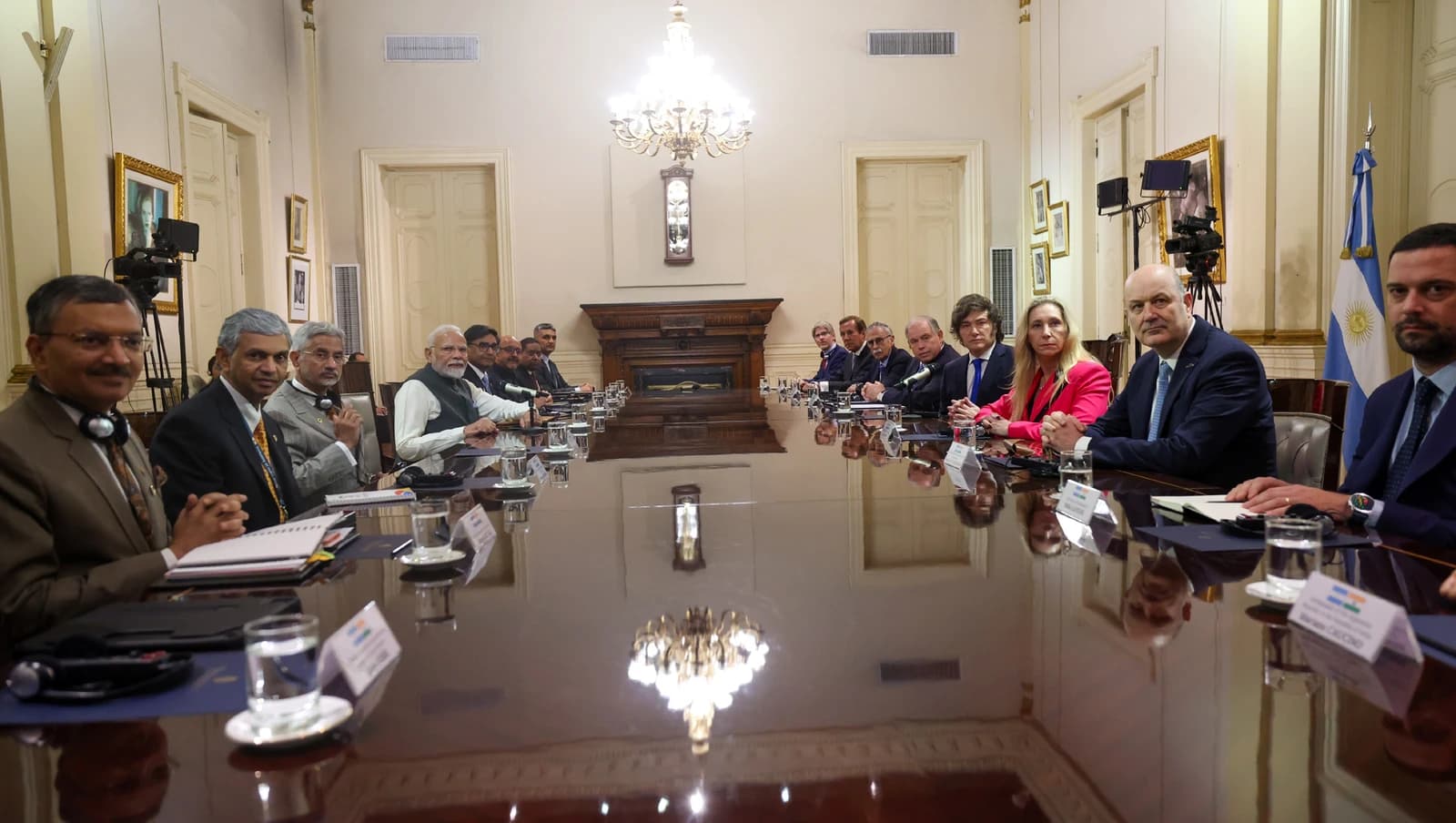
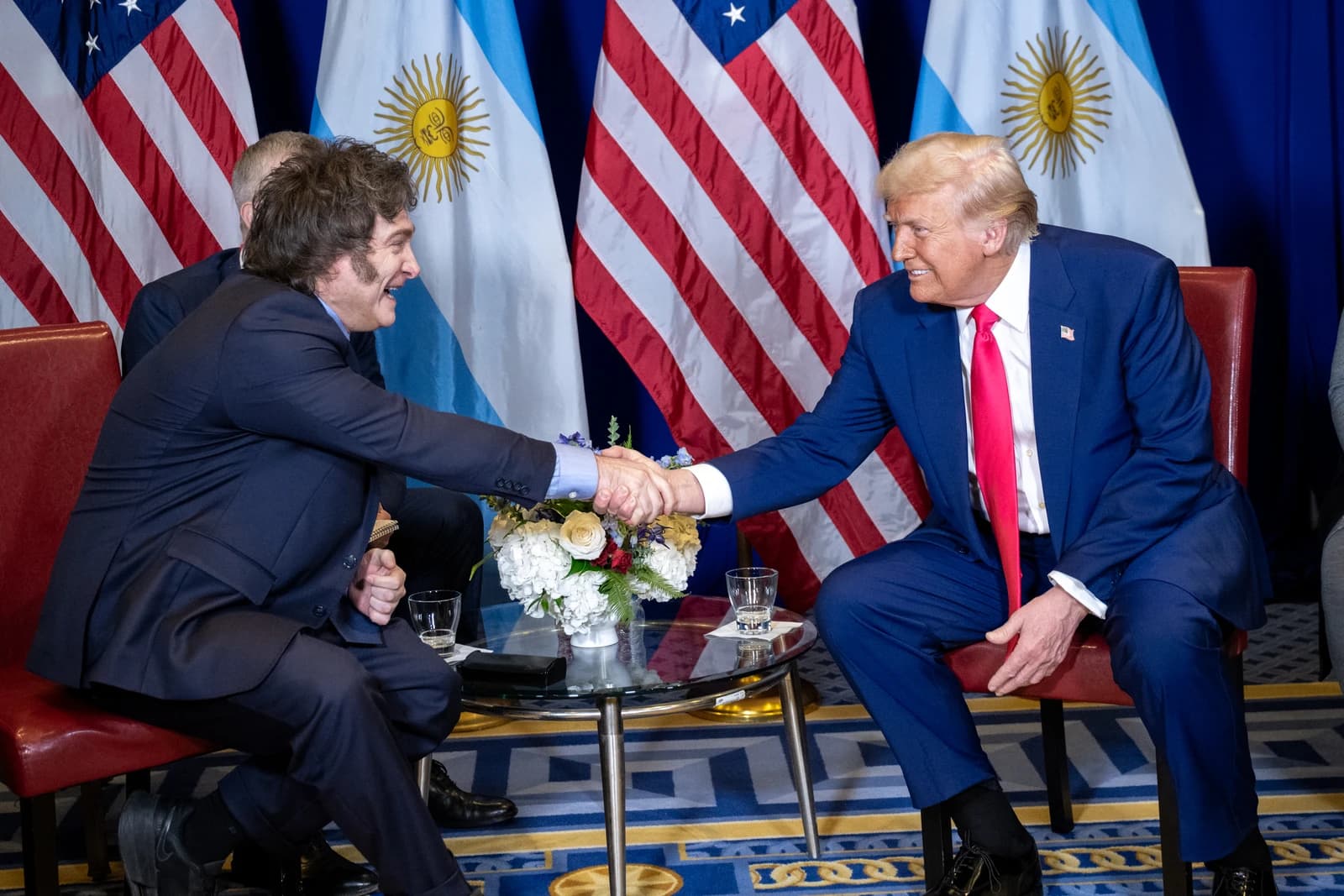
That matters because the United States is not just offering political backing to President Javier Milei’s government. It is also attaching conditions, and those conditions are increasingly reshaping the rules of investment in one of Latin America’s most resource-rich economies. For long-term investors, the message is simple: access to Argentina may depend as much on Washington as on local policy.
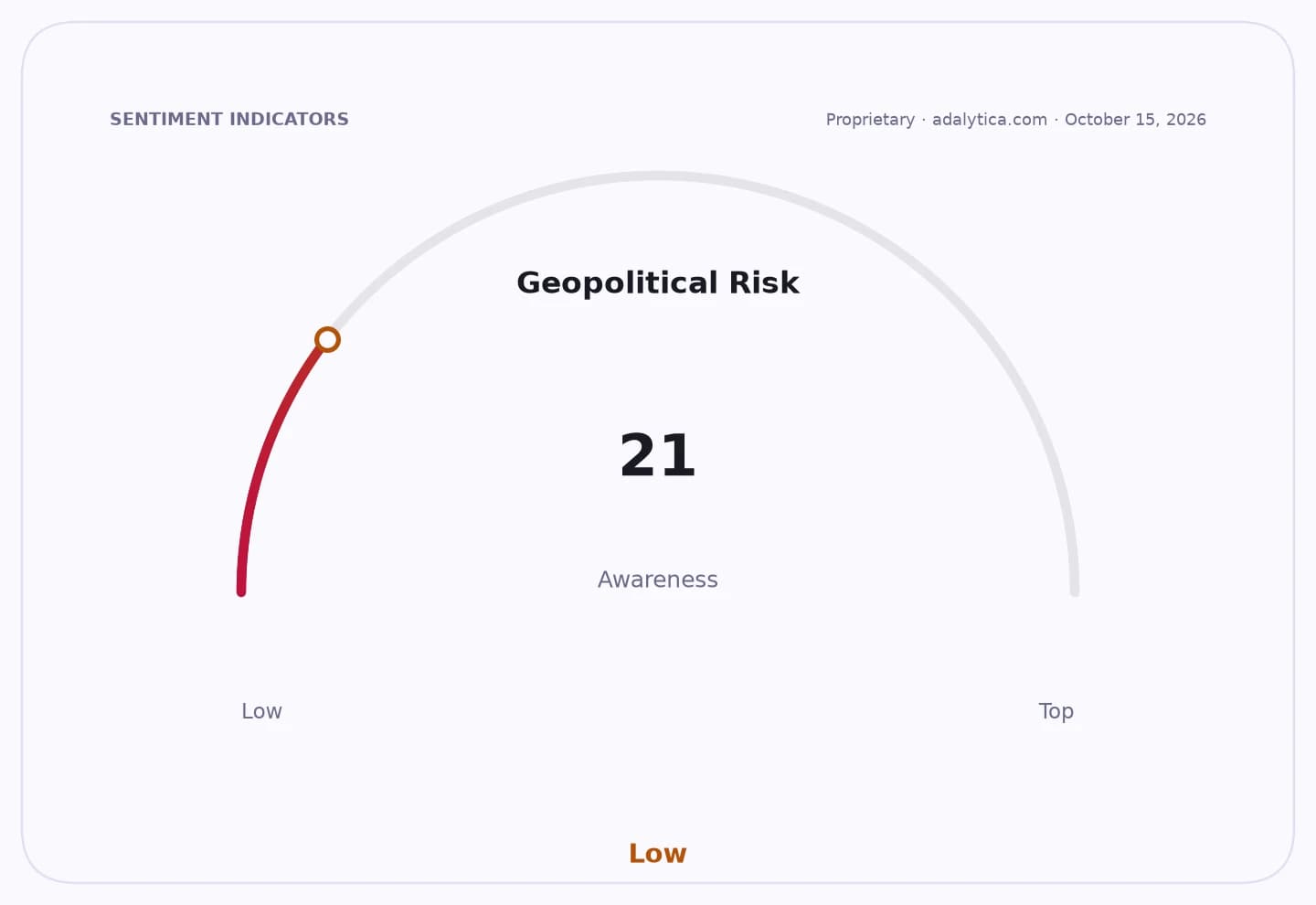
Sentiment IndicatorsⓘProprietary · adalytica.com · October 22, 2026
This is a snapshot — live sentiment, awareness and momentum for 130+ markets update continuously in the dashboard.Open AlphaPulse
The scale of the lobbying shows how much is at stake. Former Interior Minister José Luis Manzano and his companies have spent more than $615,000 on lobbying since April 2024 to push their interests into the right U.S. offices. Harold Hamm, the billionaire oil executive and Trump ally, has become part of the same web of influence after his company, Continental Resources, bought half of Phoenix Global Resources and promised more than $4 billion of investment in Vaca Muerta.
That is the real story here. Argentina is not just trying to attract foreign capital; it is entering a phase in which foreign capital is being filtered through U.S. strategic priorities. Critical minerals such as copper and lithium are being treated in Washington as inputs for defense, energy transition and advanced technology, not merely as mining projects. That makes deposits in Salta, Jujuy and Catamarca far more valuable than before, but also more politically exposed.
Geopolitical Risk vs ARGTadalytica.com
Explore this data interactively — full history, time series and cross-market comparisons.Open AlphaPulse
The same dynamic is playing out in pharmaceuticals. U.S. officials and industry lobbyists have pressed Argentina to loosen patent rules, protect clinical data and speed approvals, while local drugmakers have fought to preserve the current framework. The result has already been visible: Buenos Aires moved to unwind restrictions from a 2012 resolution, and Washington later removed Argentina from its priority watch list after three decades. Investors should read that as a sign that regulatory change can be used as a bargaining chip in broader diplomatic and financial negotiations.
Big global companies are already acting on that thesis. BHP, the world’s largest miner, has made a $2 billion bet on Vicuña, the country’s biggest mining project, and has taken its case directly to White House and national security officials. The company is not behaving like a speculative newcomer; it is positioning Argentina as a strategic district in the global race for copper. That is bullish for patient investors who want exposure to long-duration supply themes, but it also means returns will hinge on politics, permitting and cross-border financing.
The U.S. role extends beyond market access. In the recent $20 billion swap talks aimed at calming pressure on the peso, Washington was also pushing for American companies in Argentina’s nuclear sector and for China to be kept out of strategic industries. That kind of leverage matters because it changes the investment map: capital may flow more readily into sectors that fit U.S. interests, while projects seen as aligned with China may face friction.
There are winners and losers in that arrangement. Mining, selective energy projects and multinational pharma companies appear to gain from the new framework. Domestic firms that relied on older regulatory protections, and any business model dependent on China’s presence or looser patent rules, stand to lose. Even politically connected local players are learning that access now comes with a Washington premium.
For investors, the takeaway is not to chase headlines, but to think in years. Argentina still offers enormous resource upside, especially in copper, lithium and Vaca Muerta. Yet the route to monetizing that upside is increasingly transnational, negotiated through U.S. agencies, lobbyists and strategic allies. That makes the country more investable in some sectors and more complicated in others. If you want exposure, diversification and patience are still the best tools — and this is a story worth keeping on your watchlist.
| Entity | Gains | Losses |
|---|---|---|
| U.S.-aligned miners and oil groups | ▲Easier access to capital and policy support | ▼Exposure to political scrutiny |
| Argentine domestic pharma firms | ▲— | ▼Pressure on patent protections |
| Multinational drugmakers | ▲Stronger IP rules and market access | ▼Slower local resistance fades |
| Argentina’s strategic sectors | ▲More foreign investment interest | ▼Greater Washington influence |