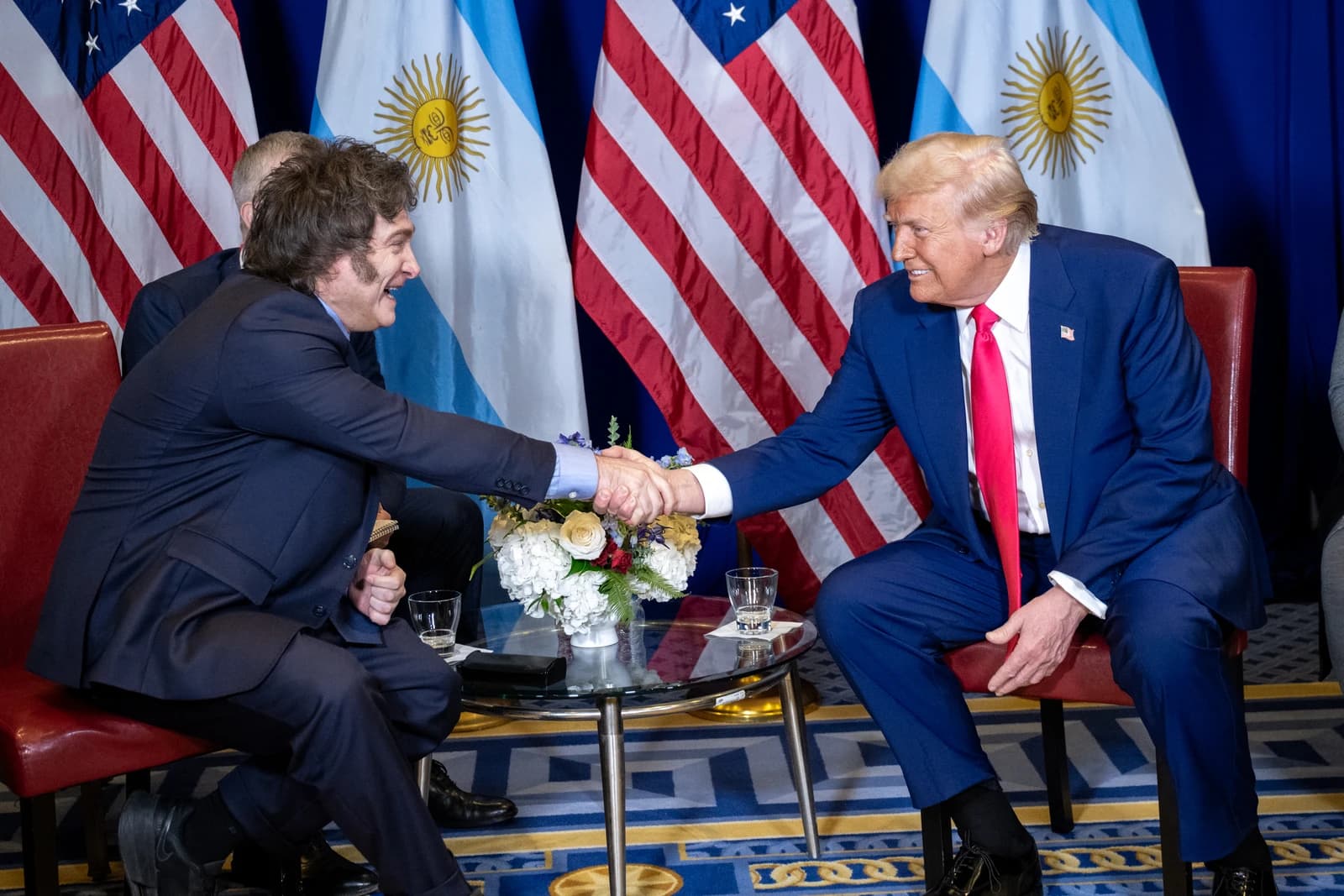
Marco Rubio’s call with Javier Milei underscored Washington’s backing for Argentina at a moment when Buenos Aires is looking to turn a political alignment into deeper trade and investment ties that could matter for capital flows, market access and the country’s reform agenda.
Argentina, Rubio Discuss Trade and Investment Ties
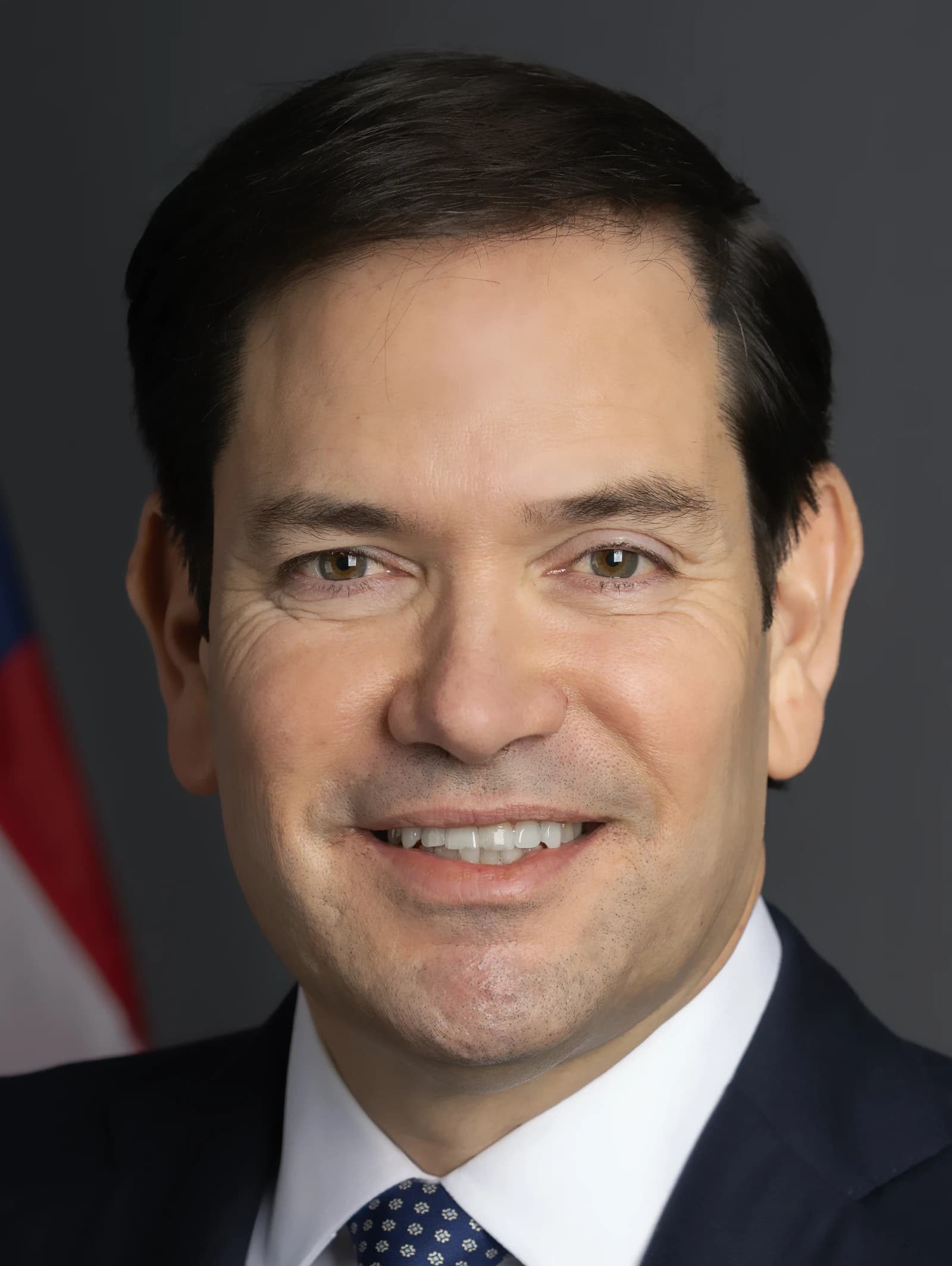
The State Department said the two discussed “opportunities to deepen bilateral trade, expand transparent investment and advance shared prosperity and security throughout the hemisphere,” language that points to a relationship moving beyond symbolism and toward economic coordination. For Argentina, that matters because external support from the Trump administration could help reinforce investor confidence at a time when the government is still trying to stabilize growth, attract foreign capital and persuade markets that its adjustment program is durable.
Sentiment IndicatorsⓘProprietary · adalytica.com · October 19, 2026
This is a snapshot — live sentiment, awareness and momentum for 130+ markets update continuously in the dashboard.Open AlphaPulse
The call also has geopolitical weight. A closer US-Argentina alignment gives Milei another diplomatic pillar as he seeks international backing for his free-market overhaul, while Washington gains a more reliable partner in a strategically important South American economy. The emphasis on “transparent investment” suggests the US wants to frame any deeper engagement around rules-based capital rather than politically connected deals, a theme likely to resonate with investors wary of Argentina’s long history of intervention and policy reversals.
For markets, the significance is less about the phone call itself than the signal it sends about the policy backdrop around Argentine assets. Argentina-focused exchange-traded funds such as ARGT have been volatile but remain above their 50-day moving average, while the iShares MSCI Mexico ETF and the Australian dollar show broader risk appetite remains sensitive to shifts in US trade and foreign policy. In Argentina’s case, closer ties with Washington could support sentiment toward sovereign debt, equities and the peso if they are seen as reinforcing reform continuity and unlocking financing or investment pipelines.
That said, the bullish case is not automatic. A warmer relationship with the US can help at the margin, but it does not solve Argentina’s underlying economic constraints, including weak reserves, tight external financing and the need to sustain disinflation without derailing activity. The bear case is that diplomatic goodwill outpaces actual capital commitments, leaving markets with another round of headlines but limited hard economic support.
What investors will watch next is whether the two governments convert the rhetoric into concrete steps on trade, sectoral investment or multilateral backing. If the alliance produces measurable progress on investment and market access, it would strengthen the case that Argentina’s policy reset is gaining external credibility. If not, the call will likely be seen as another positive signal that still needs to be earned in the data.
| Entity | Gains | Losses |
|---|---|---|
| Argentina government | ▲Diplomatic backing | ▼Pressure to deliver reforms |
| US administration | ▲Regional influence | ▼Exposure to policy risk |
| Investors in Argentina assets | ▲Reform credibility | ▼If follow-through is weak |
| Trade skeptics | ▲— | ▼Potentially deeper market opening |