Iran is leaning harder on regional diplomacy as Foreign Minister Abbas Araghchi says ties with neighbouring countries are at the top of Tehran’s foreign policy agenda, a message that underscores efforts to reduce isolation and widen economic channels amid pressure from the West.
Iran Prioritizes Neighbor Ties After Turkmenistan Talks
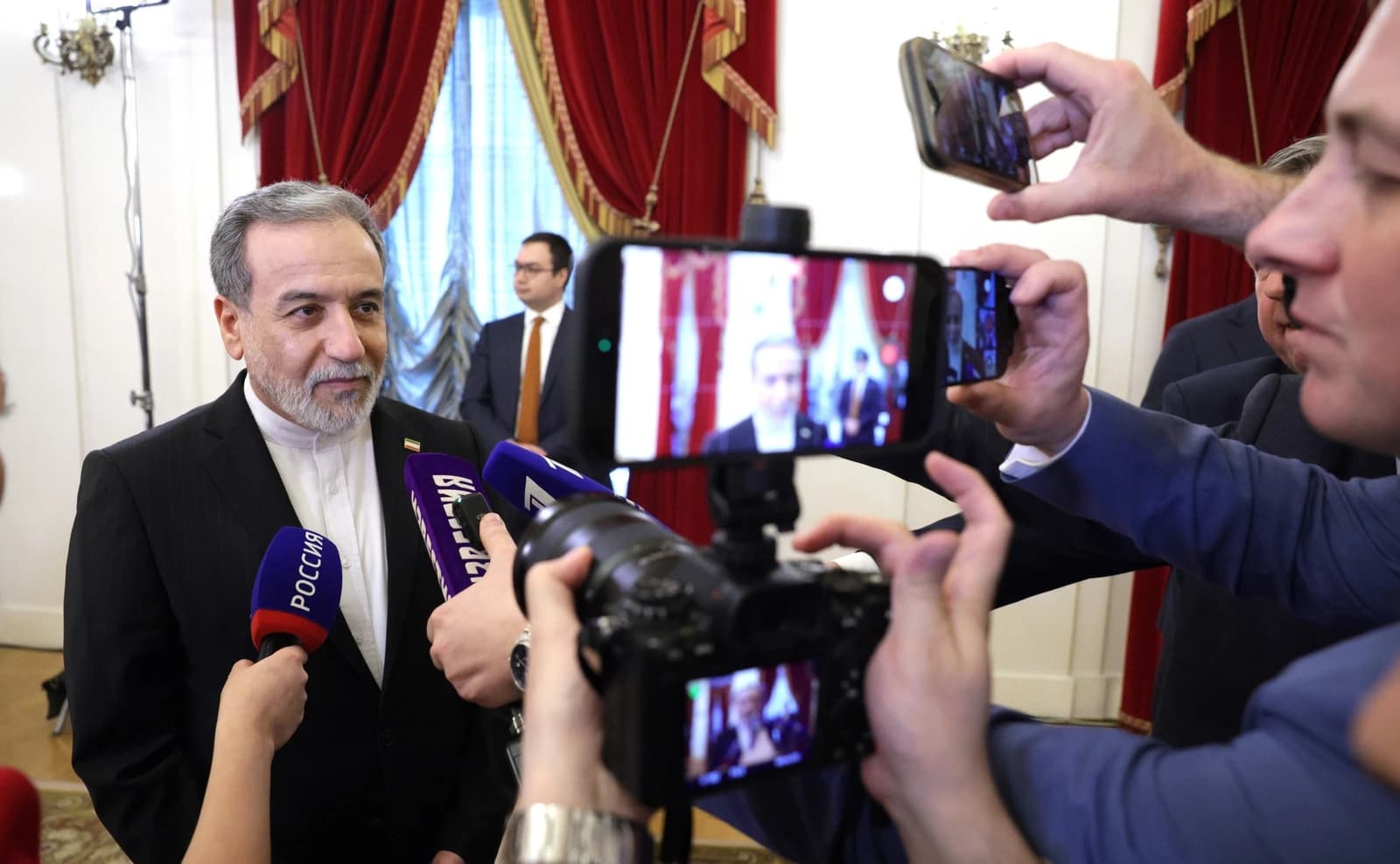
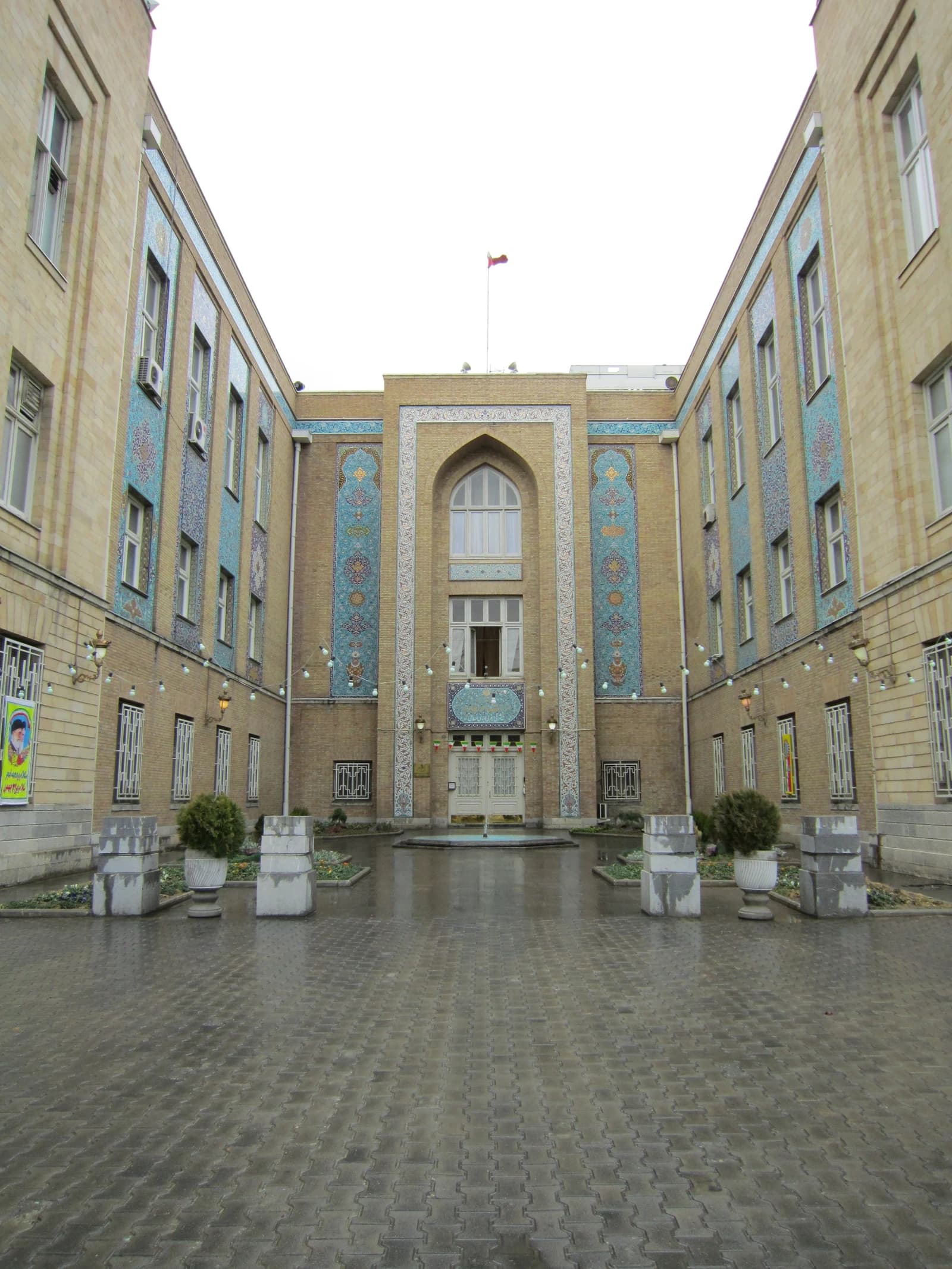
Araghchi delivered the remarks after meeting Turkmen President Serdar Berdimuhamedov and Foreign Minister Rashid Meredov in Ashgabat, where he described the talks as productive and said shared history and cultural ties offered a basis for expanding bilateral cooperation. The comments, carried by IRNA, place Turkmenistan and other immediate neighbours at the center of Iran’s attempt to deepen trade, transit and political coordination closer to home.
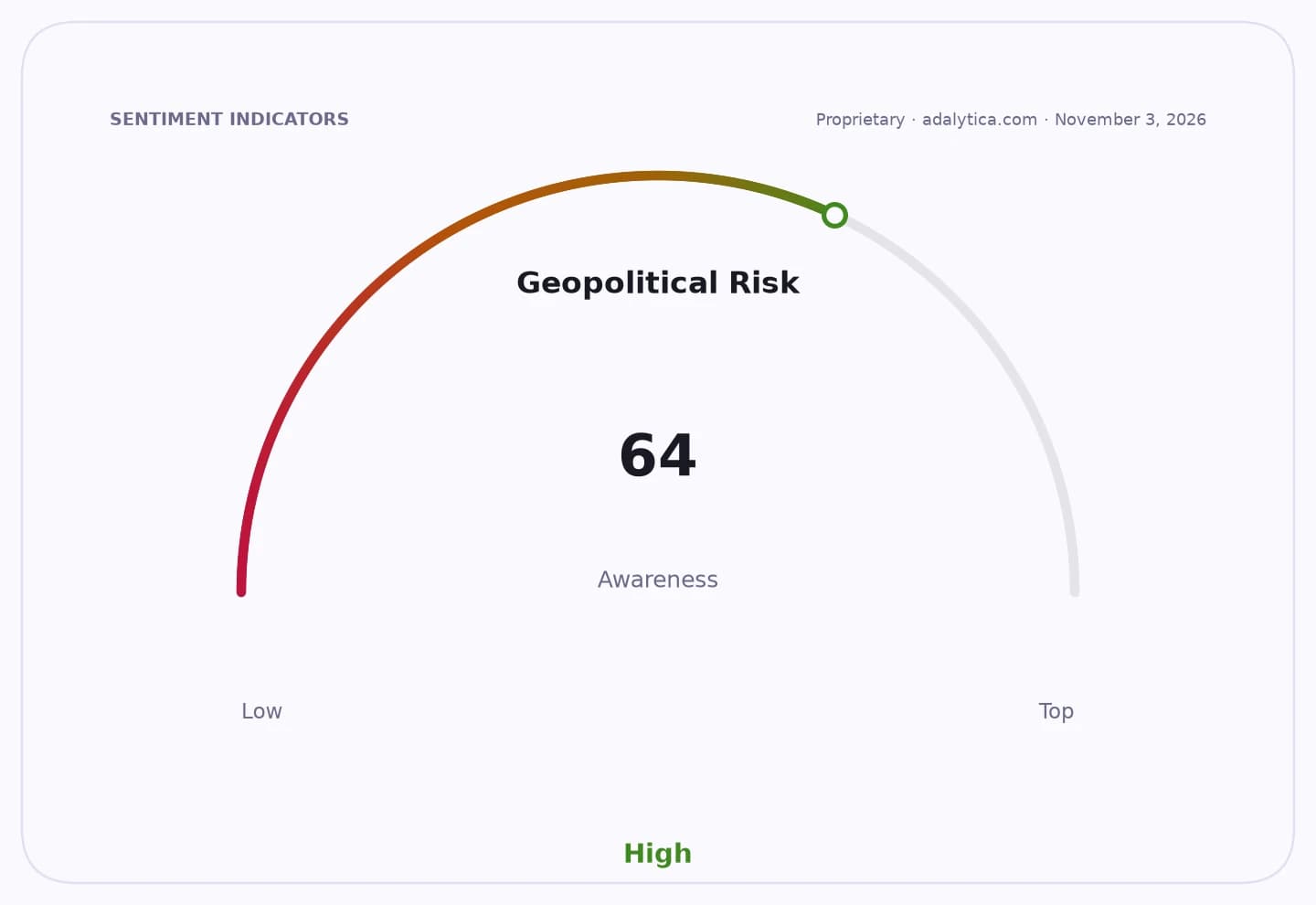
Sentiment Indicators
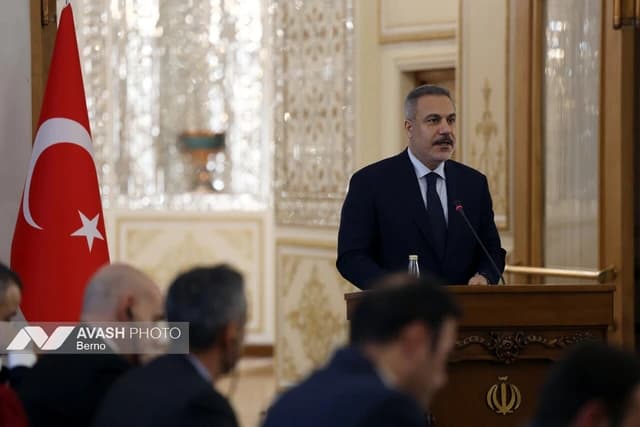
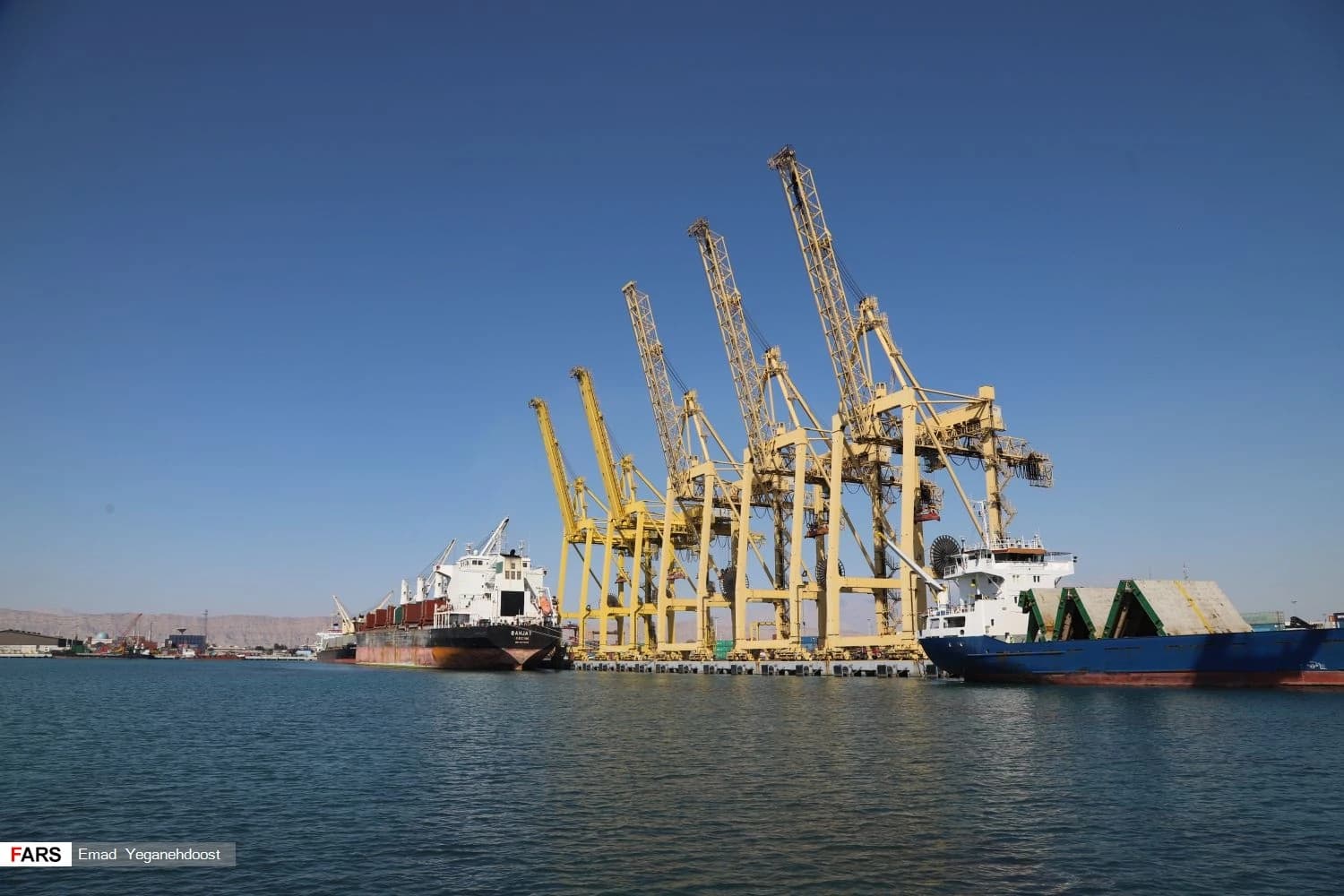
The push matters economically because Iran needs more reliable regional routes for commerce, energy and logistics while sanctions continue to restrict access to broader Western markets and finance. Stronger ties with bordering states can help Tehran keep trade moving, support cross-border projects and create alternatives for importing goods and exporting energy.
For investors, the diplomatic focus is a reminder that Middle East geopolitics remains a live market driver for oil, currencies and risk assets. Any easing in regional tension or improvement in Iran’s relations with neighbouring countries can alter perceptions around shipping flows, energy supply and broader stability, even if the direct market impact is uneven.
Geopolitical Risk
The backdrop is also one of active regional diplomacy, including separate negotiations involving Qatar and Iran and a wider effort by Gulf states and others to manage conflicts and keep channels open. In that setting, Araghchi’s message looks less like a routine talking point than a bid to anchor Iran’s foreign policy in the region most able to deliver immediate economic and political returns.
That makes the next round of talks with neighbours and any progress on wider Iran-West engagement worth watching for signs of whether Tehran can turn regional outreach into practical gains on trade, energy and sanctions relief.
| Entity | Gains | Losses |
|---|---|---|
| Iran | ▲Regional trade links | ▼Diplomatic isolation |
| Turkmenistan | ▲Bilateral cooperation | ▼Limited leverage if talks stall |
| Neighbouring states | ▲Transit and trade opportunities | ▼Exposure to Iran-related tensions |
| Western sanctions regime | ▲Less centrality | ▼Relevance if regional ties deepen |