The U.S. has widened its sanctions drive against Iran’s aviation network, targeting 36 companies and individuals and warning that anyone doing business with remaining Iranian airlines risks being cut off from the global financial system.
U.S. widens sanctions on Iran aviation network

That matters because aviation is one of the few sectors that ties together Tehran’s military logistics, trade flows and civilian connectivity. By going after airlines, third-country intermediaries and approvals tied to flights over Iran, Washington is trying to make it harder for Tehran to move personnel, weapons and illicit cargo while raising the cost for foreign firms that help keep the fleet operating.
Sentiment IndicatorsⓘProprietary · adalytica.com · September 9, 2026
This is a snapshot — live sentiment, awareness and momentum for 130+ markets update continuously in the dashboard.Open AlphaPulse

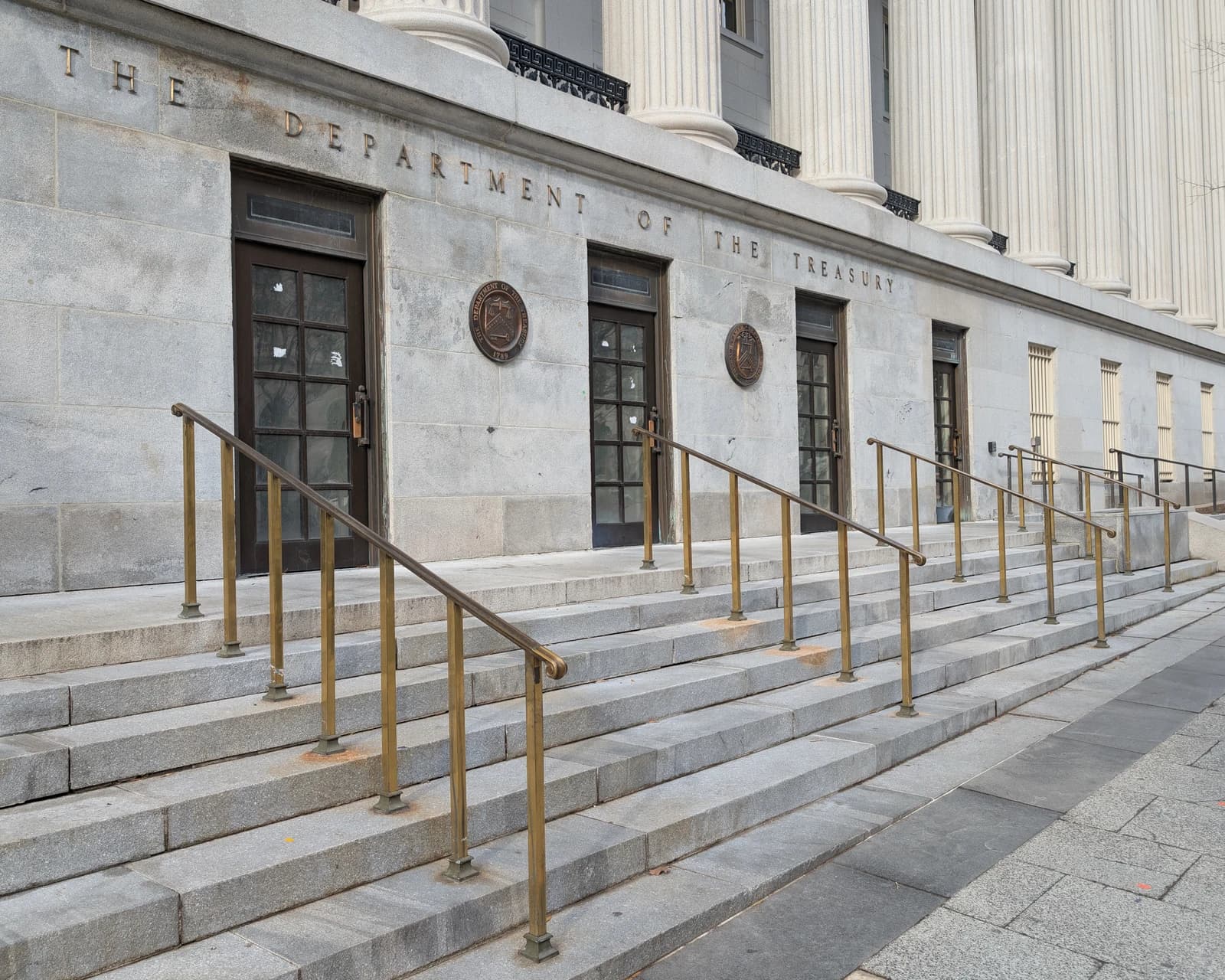
The Treasury Department said the action, carried out by the Office of Foreign Assets Control under an operation dubbed “Economic Outcast,” includes 27 Iranian airlines such as Iran Air Tour, Iran Aseman Airlines, Kish Airlines, Qeshm Air, Saha Airlines, Sepehran Airlines, Varesh Airlines and Zagros Airlines. Treasury Secretary Scott Bessent said the measures were aimed at companies that continue to support Mahan Air, and framed them as a warning to others still trading with Iran’s carriers.
The U.S. also sanctioned third-country companies it says helped Mahan Air with proliferation-related activity, terror-linked operations and the illegal purchase of U.S.-made aircraft. In a further tightening, Washington suspended three authorizations tied to Iranian aviation, including rights to fly over Iranian territory and permissions for foreign carriers to operate flights to Iran using U.S.-made or U.S.-controlled commercial aircraft.
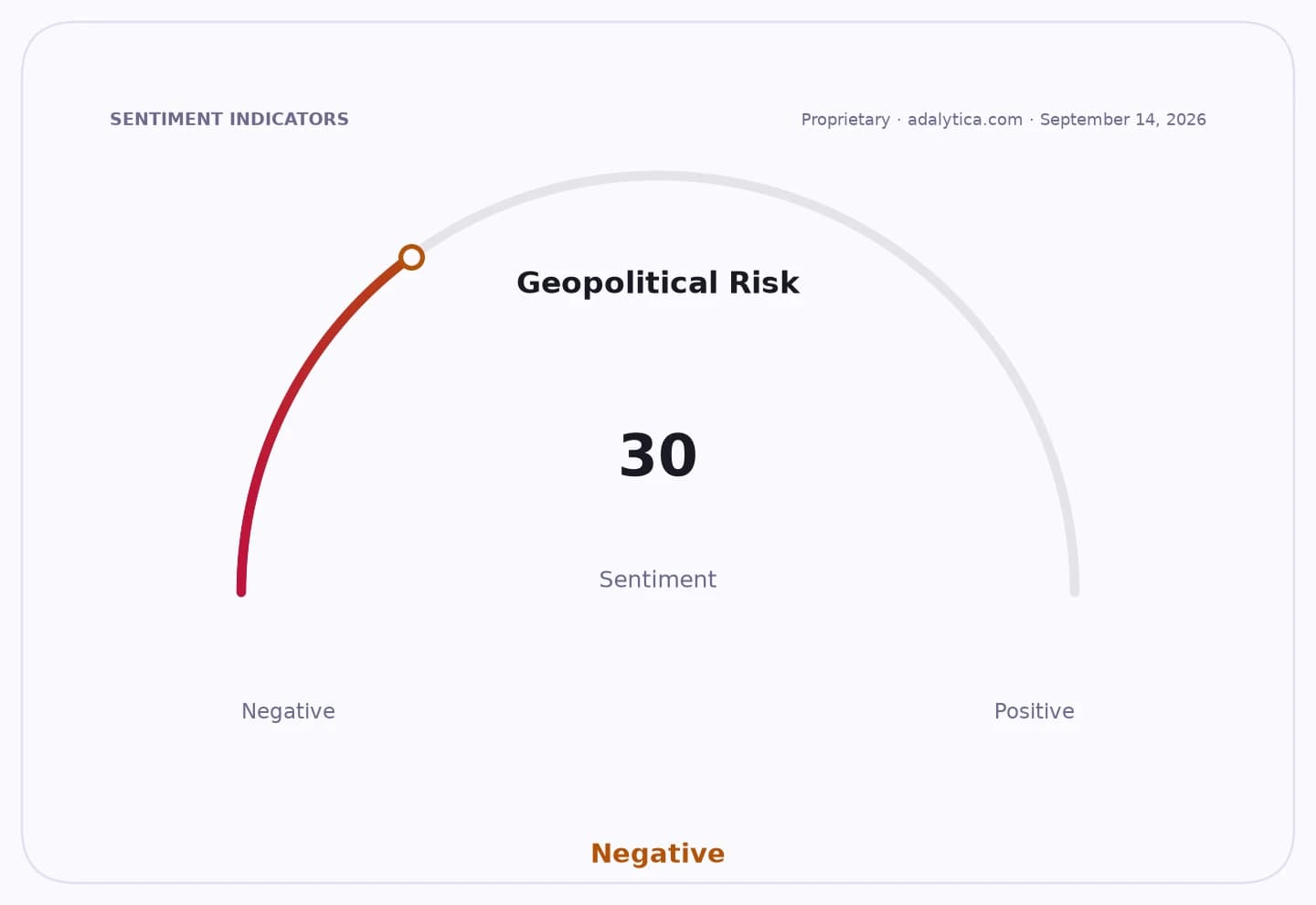
Geopolitical Risk — 30-day sentimentadalytica.com
Explore this data interactively — full history, time series and cross-market comparisons.Open AlphaPulse
For investors, the move reinforces the policy risk hanging over aerospace supply chains, insurers, lessors and airlines with indirect exposure to sanctioned routes or components. It also highlights the extent to which U.S. sanctions can reach beyond Iran’s borders, potentially exposing non-U.S. counterparties to secondary restrictions and payment-blocking risk.
Shares of major U.S. defense contractors were little changed, but the broader backdrop favors firms with limited Iran exposure and a higher mix of U.S. government work. Geopolitical risk gauges also remain elevated, with Adalytica’s global stability reading at 52, while oil-market awareness stays extreme even as sentiment has cooled, underscoring how sanctions can ripple through energy and transport markets if tensions widen.
The immediate market impact is likely to be limited, but enforcement risk is set to rise as Washington looks to deepen isolation of Iran’s aviation sector. Any further sanctions or license revocations would add pressure on aircraft operators, parts suppliers and middlemen already navigating tighter compliance standards.
| Entity | Gains | Losses |
|---|---|---|
| U.S. Treasury / OFAC | ▲tougher enforcement leverage | ▼diplomatic friction with Tehran |
| Iran’s aviation sector | ▲little direct gain | ▼access to aircraft, parts, payments |
| Foreign airlines and suppliers | ▲cleaner compliance position if they exit | ▼secondary-sanctions risk |
| Defense contractors with low Iran exposure | ▲relative policy insulation | ▼broader regional instability risk |