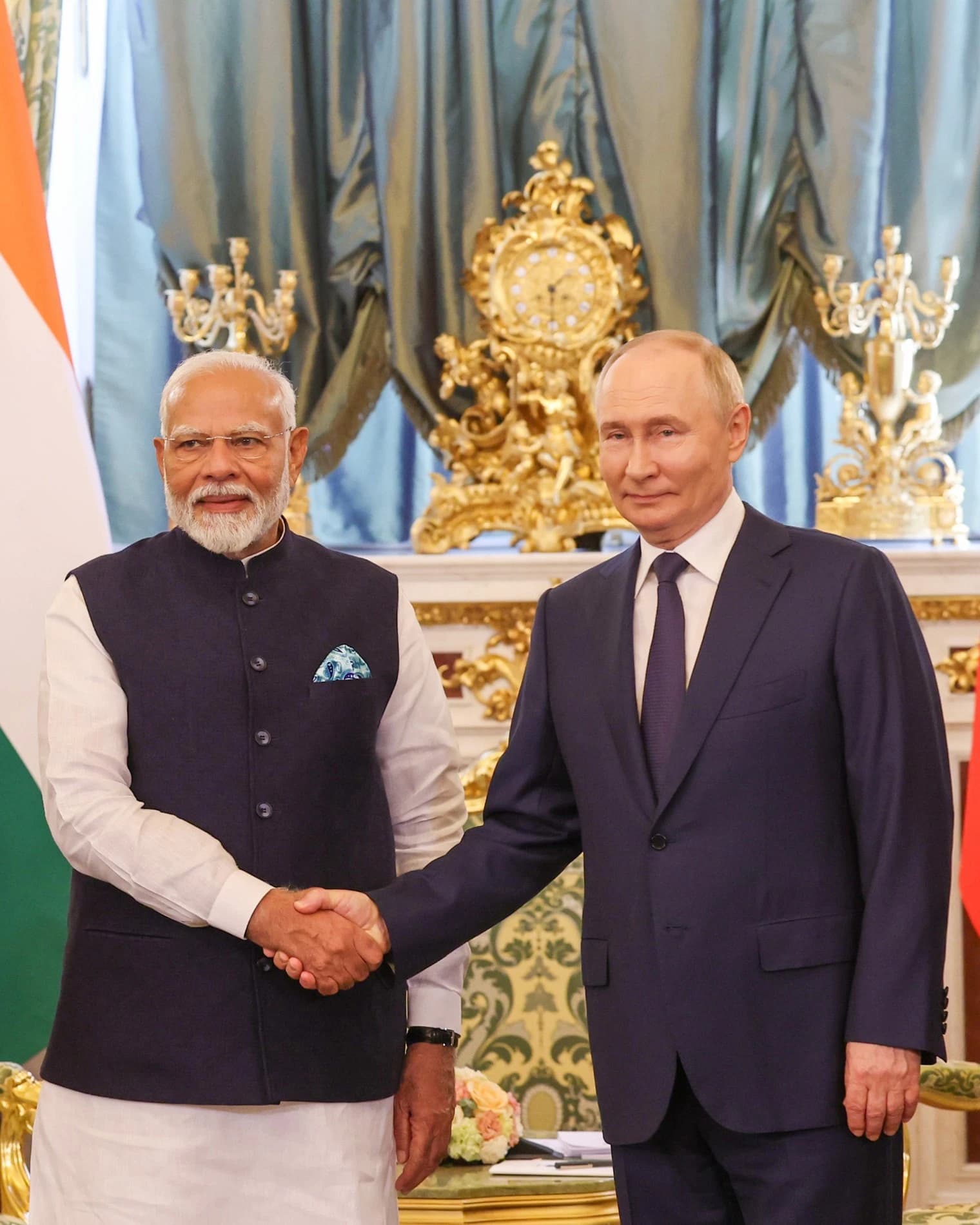
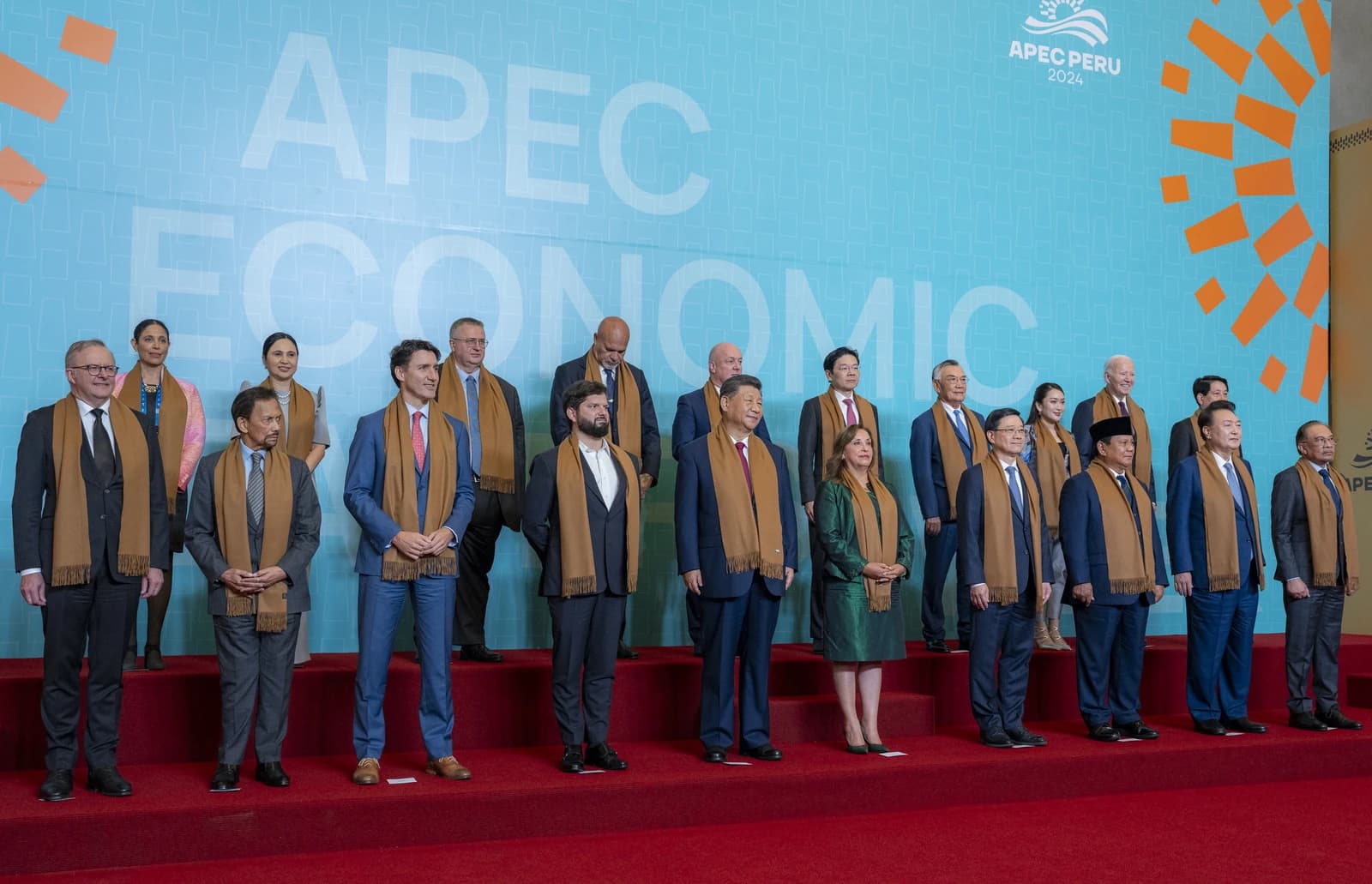
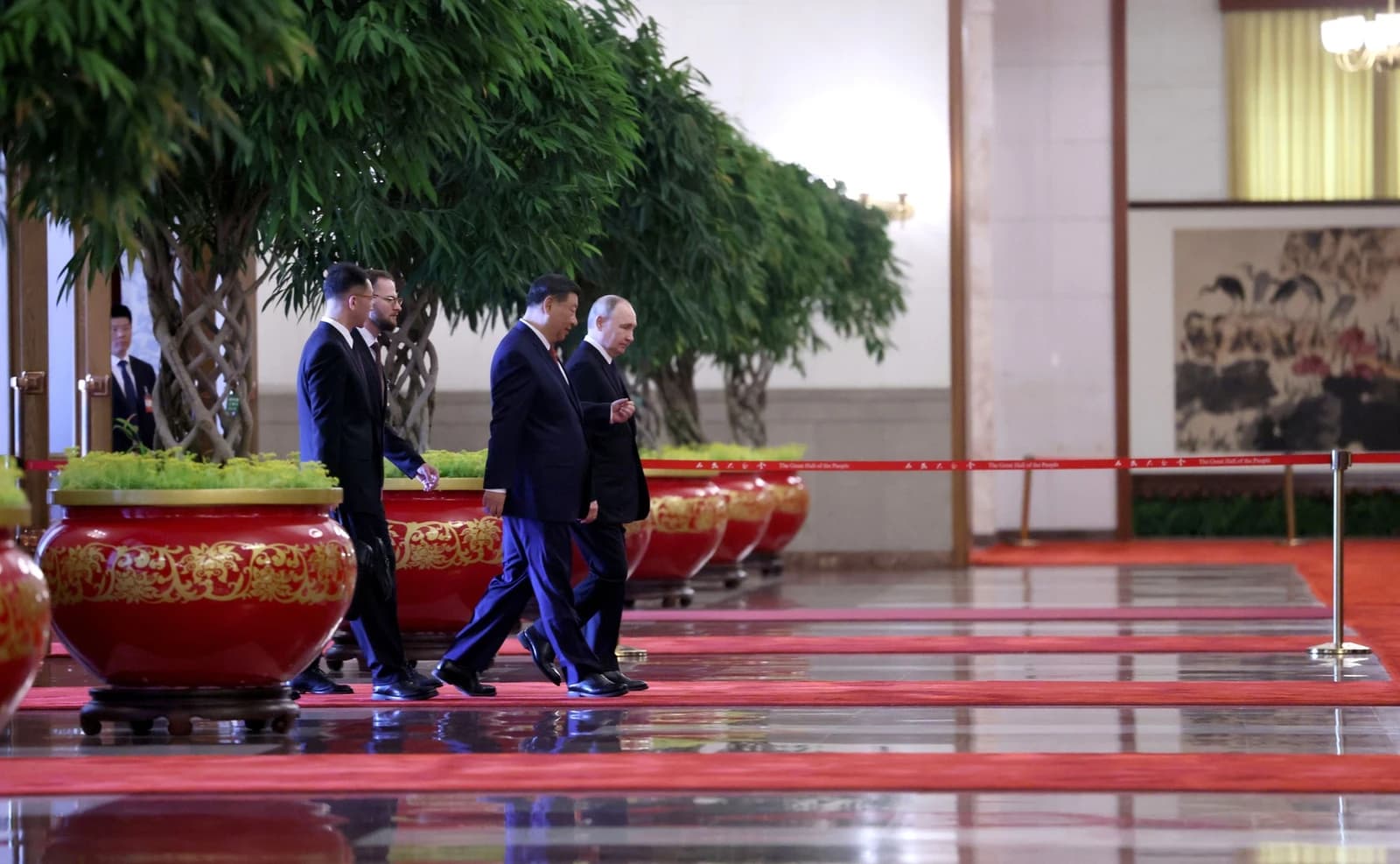
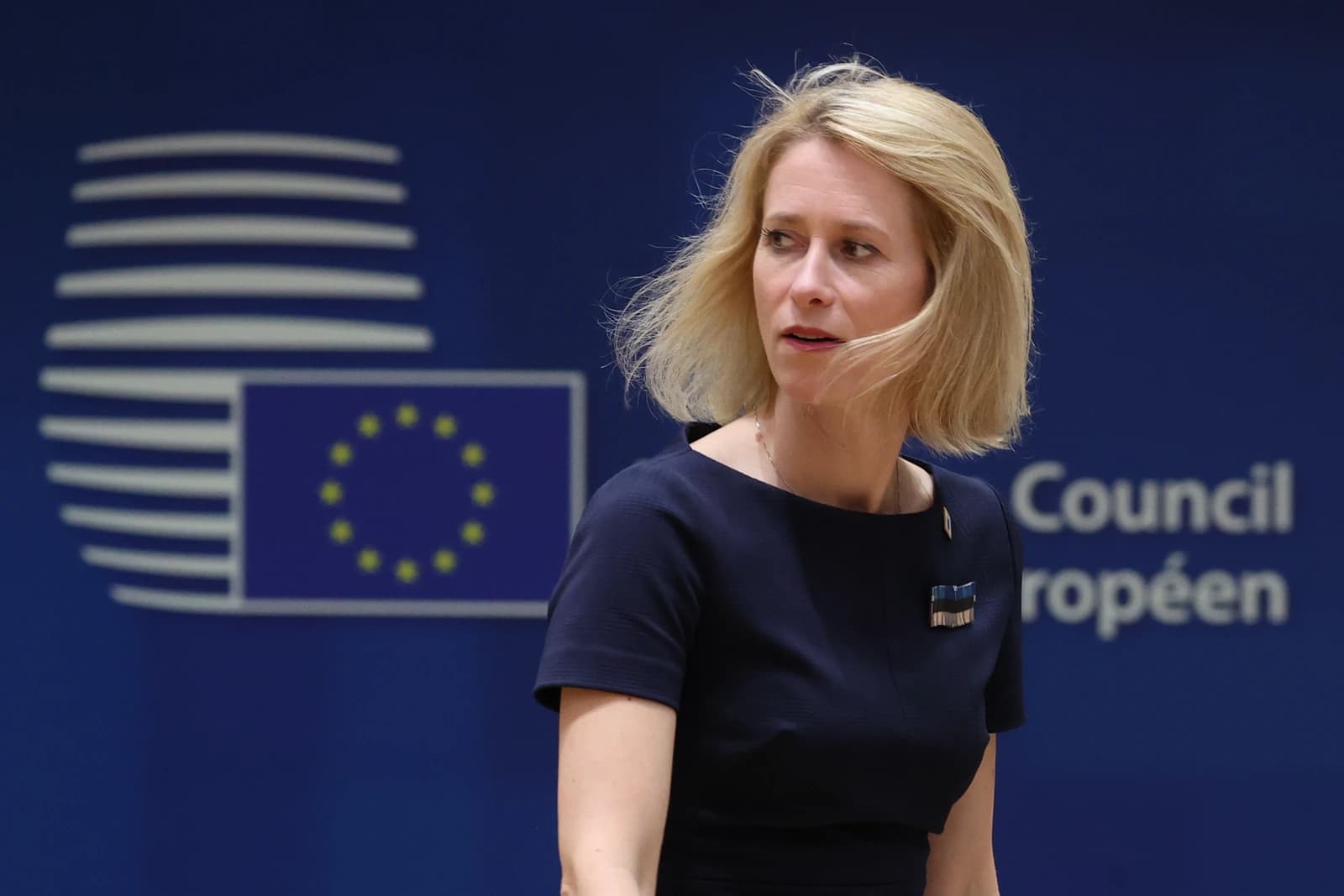
China has confirmed for the first time that it is in contact with Washington and Moscow about a possible meeting involving Donald Trump, Vladimir Putin and Xi Jinping, a rare public acknowledgement that raises the stakes for any Ukraine peace push and unsettles Kyiv and European capitals.
China Confirms Contact on Trump Putin Xi Meeting
Geopolitical Risk
Beijing’s statement matters because it turns what had been behind-the-scenes speculation into an openly discussed diplomatic track involving the world’s three biggest powers. If the meeting goes ahead, it could help shape the terms of any broader settlement on Ukraine, but it also raises the prospect that the future security order in Europe could be discussed without Ukraine at the table.
Sentiment Indicators
Foreign ministry spokeswoman Mao Ning said on Nov. 4 that China was maintaining contact with the other parties on the possibility of such a meeting, the first time Beijing has publicly confirmed the talks. The summit could take place on the sidelines of APEC in Shenzhen on Nov. 18-19, though China has not confirmed a trilateral format or any agenda.
The timing is especially sensitive because separate U.S.-Ukraine-Russia talks are also due in Abu Dhabi on Nov. 10-11, with U.S. envoy Steve Witkoff saying Washington would act as a mediator on postwar security guarantees, de-escalation and humanitarian steps. Before that, U.S. officials are set to meet European counterparts in Brussels on security assurances and Europe’s role in any postwar arrangement for Ukraine.
Trump has said he is willing to meet Putin and Xi in China, even without Ukrainian President Volodymyr Zelensky. Secretary of State Marco Rubio said the idea has been discussed but not decided, underscoring that the diplomatic channel is real even if no summit has been locked in.
For investors, the story is less about immediate market impact than about the odds of a geopolitical reset that could affect energy prices, defense spending, European risk assets and sentiment toward China-related markets. The prospect of a higher-level deal also helps explain why global stability gauges remain fragile even as official rhetoric points toward negotiation.
Ukraine and European leaders are pushing back hard. Zelensky has insisted that Kyiv must be represented in any talks on its sovereignty and future, while Kyiv’s foreign minister said a Trump-Zelensky-Putin meeting could help end the war faster, but a Trump-Putin-Xi format would have the opposite effect.
The next catalyst is whether the Abu Dhabi talks and the Brussels consultations produce any concrete framework ahead of APEC. If they do not, the China-backed trilateral idea may remain a diplomatic signal rather than a deal-making forum.
| Entity | Gains | Losses |
|---|---|---|
| China | ▲diplomatic leverage | ▼pressure to take sides |
| Trump, Putin, Xi | ▲high-level direct channel | ▼scrutiny over Ukraine exclusion |
| Ukraine | ▲potential peace track if included | ▼risk of being sidelined |
| Europe | ▲clearer role if consulted | ▼weaker influence if bypassed |