China is tightening its grip on Kazakhstan’s economy and transit network, with bilateral trade nearing $50 billion in 2025 and Beijing’s investment stock in the Central Asian state reaching $29 billion, as both countries seek to turn Kazakhstan into a Eurasian logistics hub that can move goods to Europe while bypassing Russia.
China-Kazakhstan trade nears $50 billion in 2025
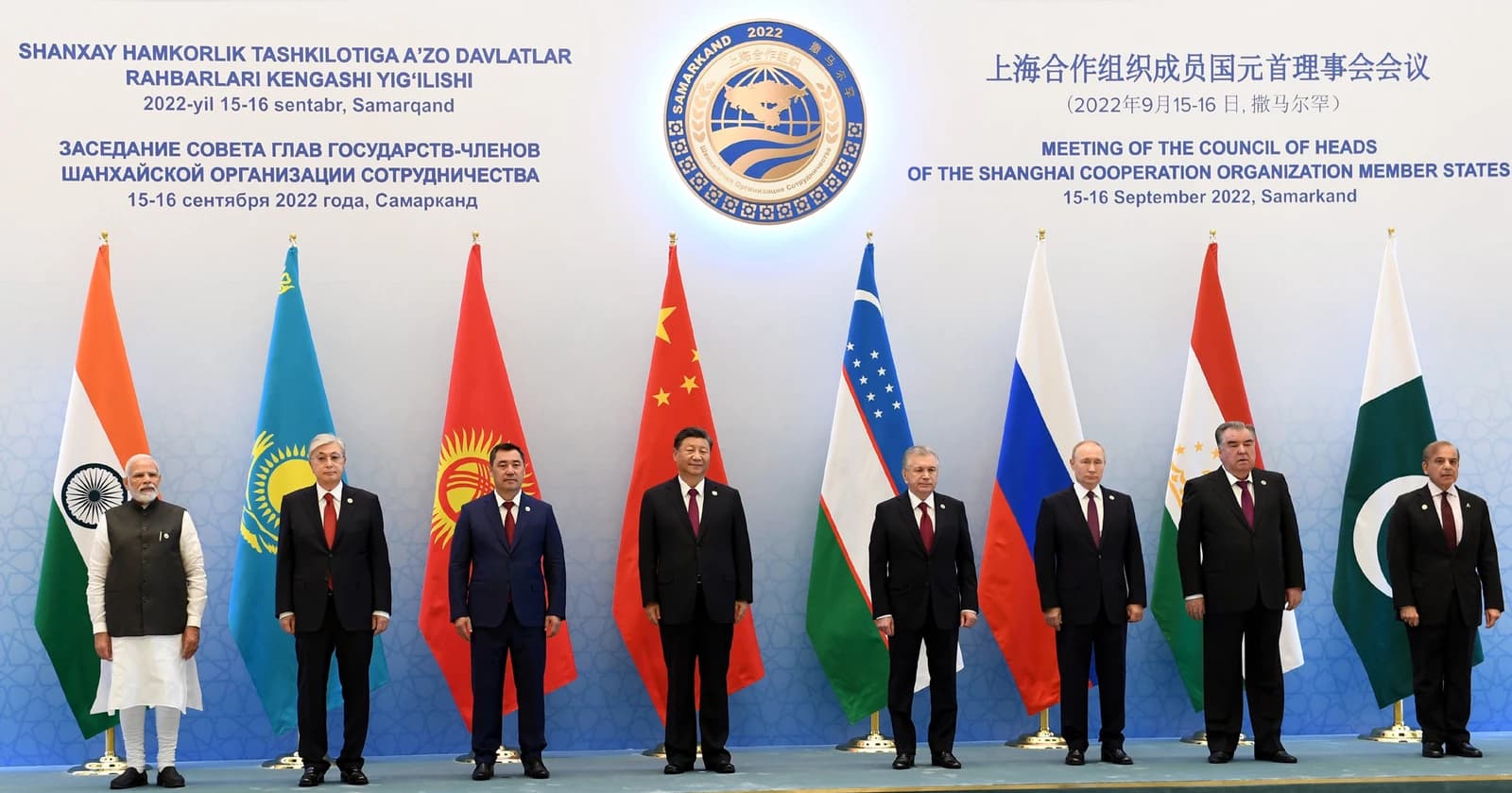
The shift matters because Kazakhstan sits at the center of competing trade and geopolitical routes linking China, Europe and Russia. President Kassym-Jomart Tokayev has cast the country as a “historical chance” for Eurasian logistics, saying 85% of Chinese cargo bound for Europe already crosses Kazakh territory, a sign that infrastructure and politics are increasingly converging.
Sentiment Indicators
For investors, the clearest takeaway is that China’s footprint is broadening beyond raw materials and into industrial capacity, energy, finance and transport. At the Kazakh-Chinese investment forum in Almaty, the sides signed new agreements across those sectors, including a $440 million robot manufacturing project led by UBTech Robotics, underscoring Beijing’s push into higher-value production and advanced technology.
That expansion is taking place alongside a hard recalibration of trade routes. Kazakhstan is promoting the Middle Corridor — the trans-Caspian link through Azerbaijan, Georgia and Turkey — as an alternative to the Russia-heavy northern route, which still carries the bulk of container traffic from China to the European Union. In 2025, the Middle Corridor handled 4.12 million tons of cargo and 77,000 twenty-foot containers, versus about 311,000 containers on the northern route, but interest has risen since the war in Ukraine and Western sanctions redirected shippers toward non-Russian paths.
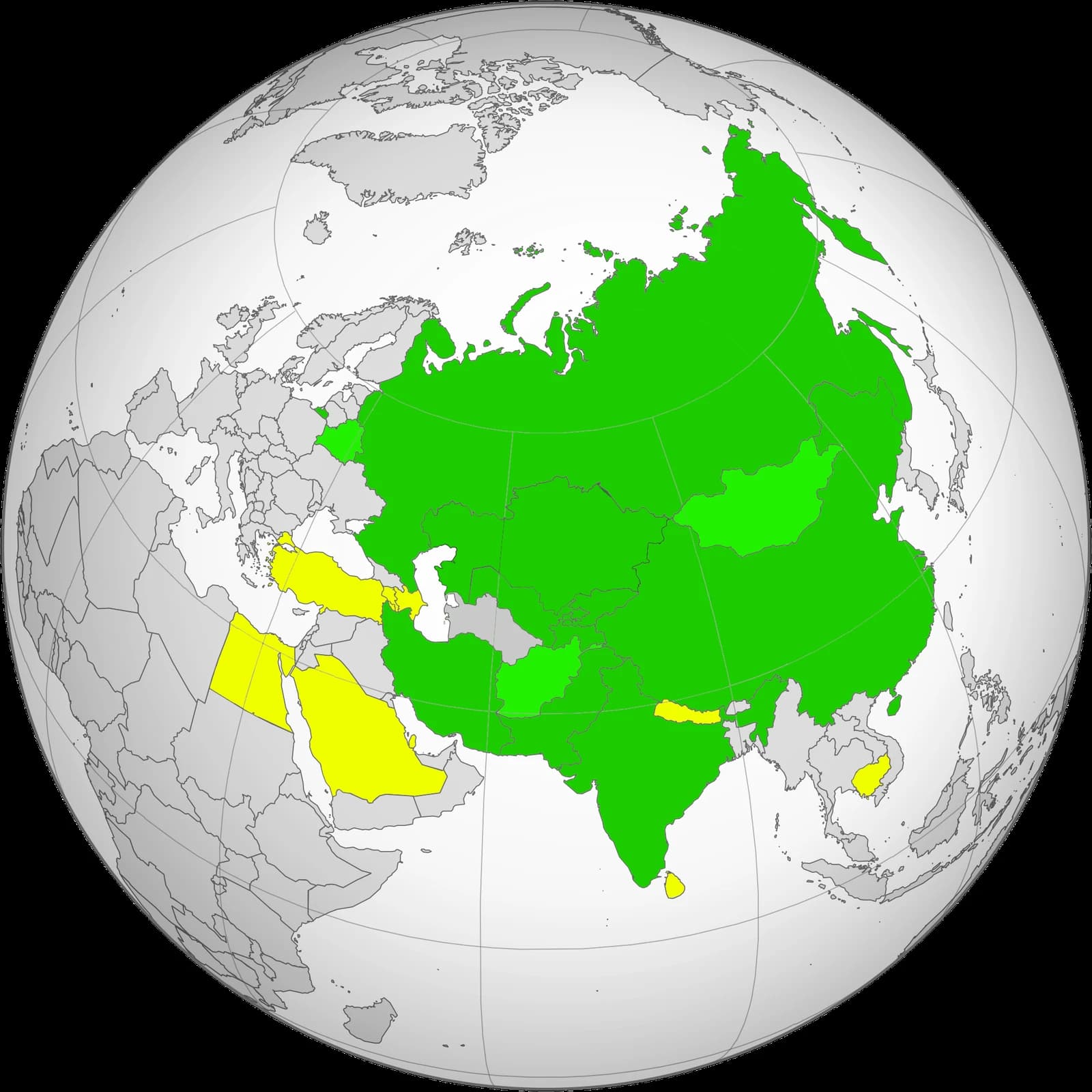
The strategic stakes extend well beyond freight volumes. Tokayev’s government is trying to balance relations with China, Russia and the West at the same time, using transport corridors as leverage while avoiding an overt rupture with Moscow. Kazakhstan remains closely tied to Russia through the Eurasian Economic Union, the Collective Security Treaty Organization and energy export infrastructure, yet China is now nearly level with Russia as a source of foreign investment and has become Kazakhstan’s largest trading partner.
Europe has reasons to watch closely. The European Union is still Kazakhstan’s biggest trading and investment partner, and Berlin recently signed more than 30 commercial documents with Astana worth about $2 billion during Tokayev’s visit. But European capitals are also wary of any deeper Chinese foothold in Central Asia, particularly in artificial intelligence and industrial supply chains, and they are focused on preventing sanctions evasion through Kazakhstan.
The broader narrative is one of strategic hedging by Astana and strategic competition by outside powers. China is using commerce, infrastructure and industrial investment to lock in influence, Russia is trying to preserve its transit role, and Europe and the United States are backing alternatives that reduce dependence on Russian routes without necessarily embracing China’s rise.
The next test is whether the Middle Corridor can scale fast enough to matter commercially, and whether Kazakhstan can keep its multi-vector policy intact as Chinese capital, Russian leverage and Western sanctions pull in different directions.
| Entity | Gains | Losses |
|---|---|---|
| China | ▲Larger trade and transit access | ▼Less dependence on northern routes |
| Kazakhstan | ▲Investment, logistics hub status | ▼Greater exposure to great-power rivalry |
| Russia | ▲Keeps some transit relevance | ▼Faces pressure on Eurasian corridor role |
| Europe/US | ▲Alternative routes to monitor | ▼Higher sanctions-evasion risk |