Iran has warned Armenia not to cross its “red lines” over the planned “Trump Route,” sharpening a dispute over a transport corridor that could redraw trade and security dynamics across the South Caucasus.
Iran Warns Armenia Over Trump Route Corridor
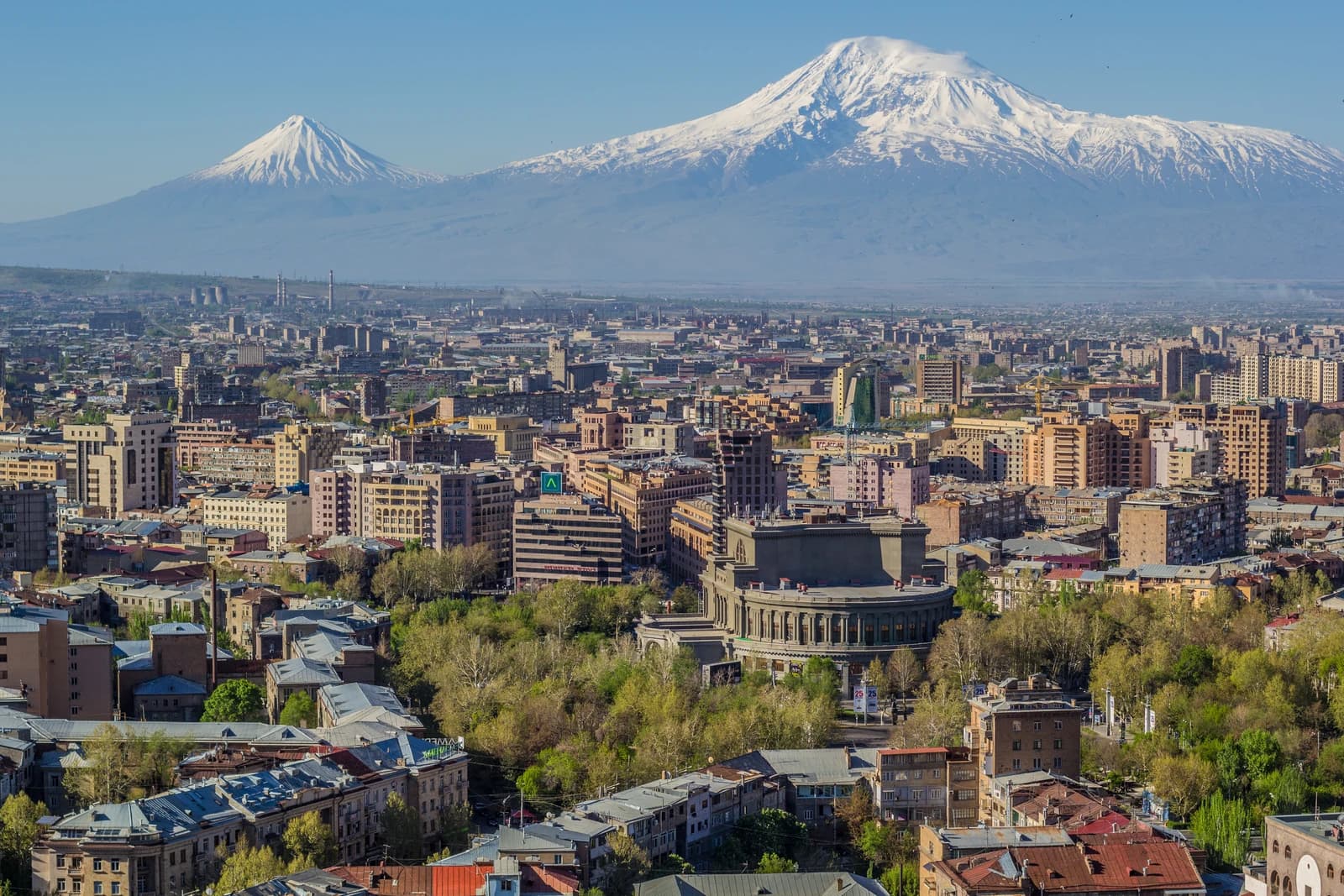
The warning matters because the corridor, tied to the Zangezur route and backed by a US-Armenia-Azerbaijan technical process, is becoming more than a transit project: it is a geopolitical test of whether Washington can anchor new infrastructure in a region where Iran and Russia both see strategic risks.
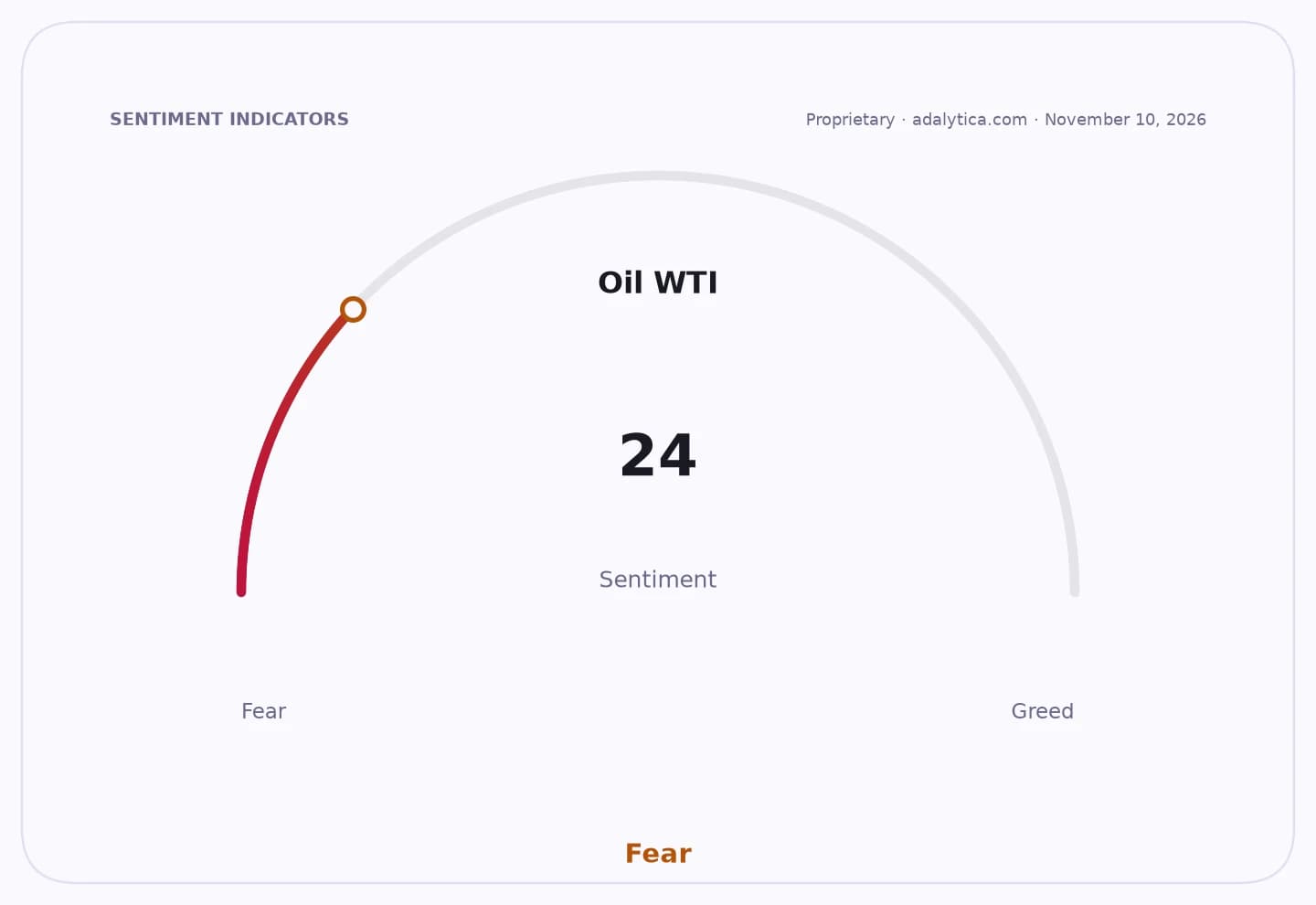
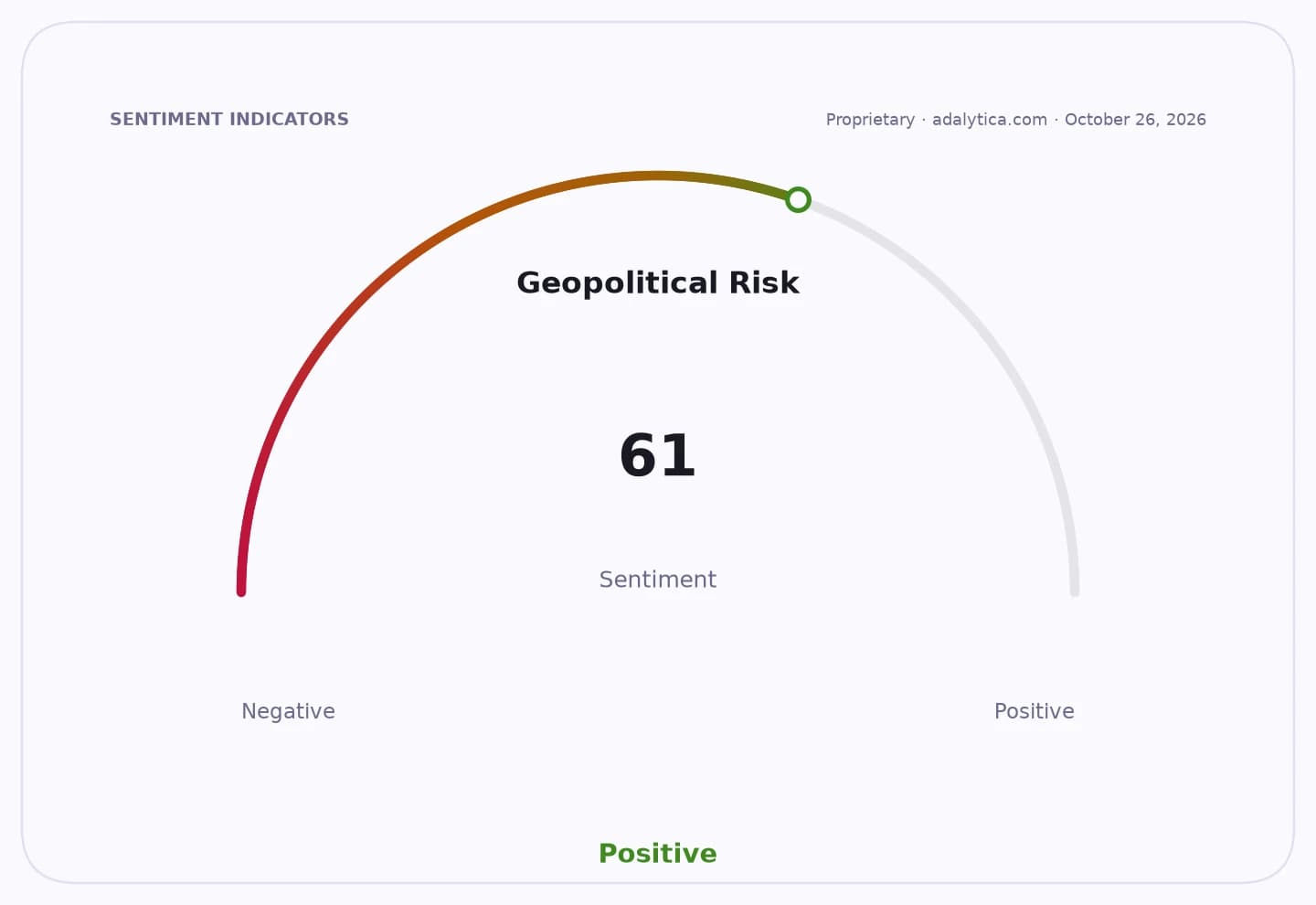
Sentiment Indicators
Ali Akbar Velayati, a top adviser to Iran’s supreme leader, said he had told Armenia’s ambassador that Tehran would “break the legs” of the United States and its allies if they crossed Iran’s red lines in implementing the route, according to an article he wrote in the Iranian newspaper Etelaat. The comments follow Armenia’s ratification last week of a framework agreement with the US on the project.
Tehran has already said American activity near its border must not create a security threat. Russia has also objected, with Deputy Foreign Minister Mikhail Galuzin saying in the summer that the corridor passes through an area where Russian border guards have responsibility.
For investors, the immediate market read is not the corridor itself but the higher risk premium on regional stability, energy transit and cross-border logistics. Escalating rhetoric raises the odds of delays, tougher security arrangements and a more fragmented route to market for goods and energy flows in and around the Caspian and the South Caucasus.
The geopolitical backdrop is already tense. Armenia recently asked Iran to increase gas supplies, underscoring the economic weight of bilateral energy ties even as Yerevan tries to manage relations with Washington and Baku. That balancing act leaves Armenia exposed to pressure from both sides if the corridor advances without broad regional buy-in.
The latest warning suggests the dispute is moving from diplomacy into deterrence language, which increases the chance of further retaliatory statements, border friction or slower implementation. The next catalyst will be whether Armenia, the US and Azerbaijan can spell out security guarantees for the route without triggering a sharper response from Tehran.
| Entity | Gains | Losses |
|---|---|---|
| Armenia | ▲Transit investment | ▼Border security comfort |
| Iran | ▲Leverage over corridor terms | ▼Regional influence if sidelined |
| United States | ▲Strategic foothold | ▼Risk of escalation |
| Russia | ▲Opportunity to press interests | ▼Control over corridor narrows |